Internet and New Media

Obama Tells the FCC to ‘Implement the Strongest Possible Rules to Protect Net Neutrality’

Obama Tells the FCC to ‘Implement the Strongest Possible Rules to Protect Net Neutrality’ Obama Tells the FCC to ‘Implement the Strongest Possible Rules to Protect Net Neutrality’

The president calls for the reclassification of Internet services under telecommunications in the name of an open Internet.

Nov 12, 2014 / John Nichols

The Worst Metaphors Politicians Have Used to Describe the Internet

The Worst Metaphors Politicians Have Used to Describe the Internet The Worst Metaphors Politicians Have Used to Describe the Internet

Is it a series of tubes or a Coke bottle?

Nov 12, 2014 / Naomi Gordon-Loebl

The Truth About Anonymous’s Activism

The Truth About Anonymous’s Activism The Truth About Anonymous’s Activism

A look behind the mask reveals a naïve techno-utopianism.

Nov 11, 2014 / Feature / Adrian Chen

Obama Tells the FCC to ‘Implement the Strongest Possible Rules to Protect Net Neutrality’

Obama Tells the FCC to ‘Implement the Strongest Possible Rules to Protect Net Neutrality’ Obama Tells the FCC to ‘Implement the Strongest Possible Rules to Protect Net Neutrality’

The president calls for the reclassification of Internet services under telecommunications in the name of an open Internet.

Nov 10, 2014 / John Nichols

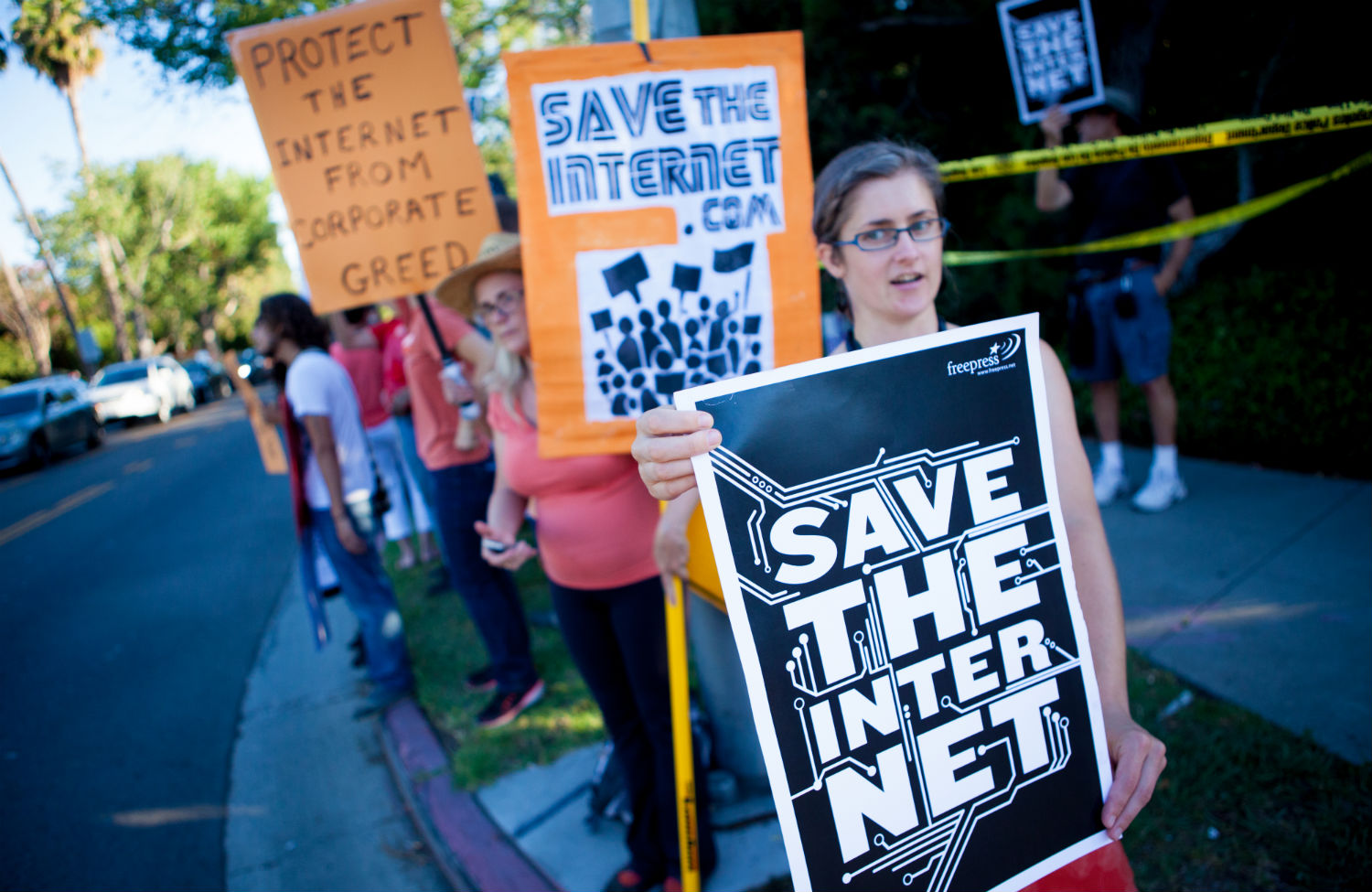
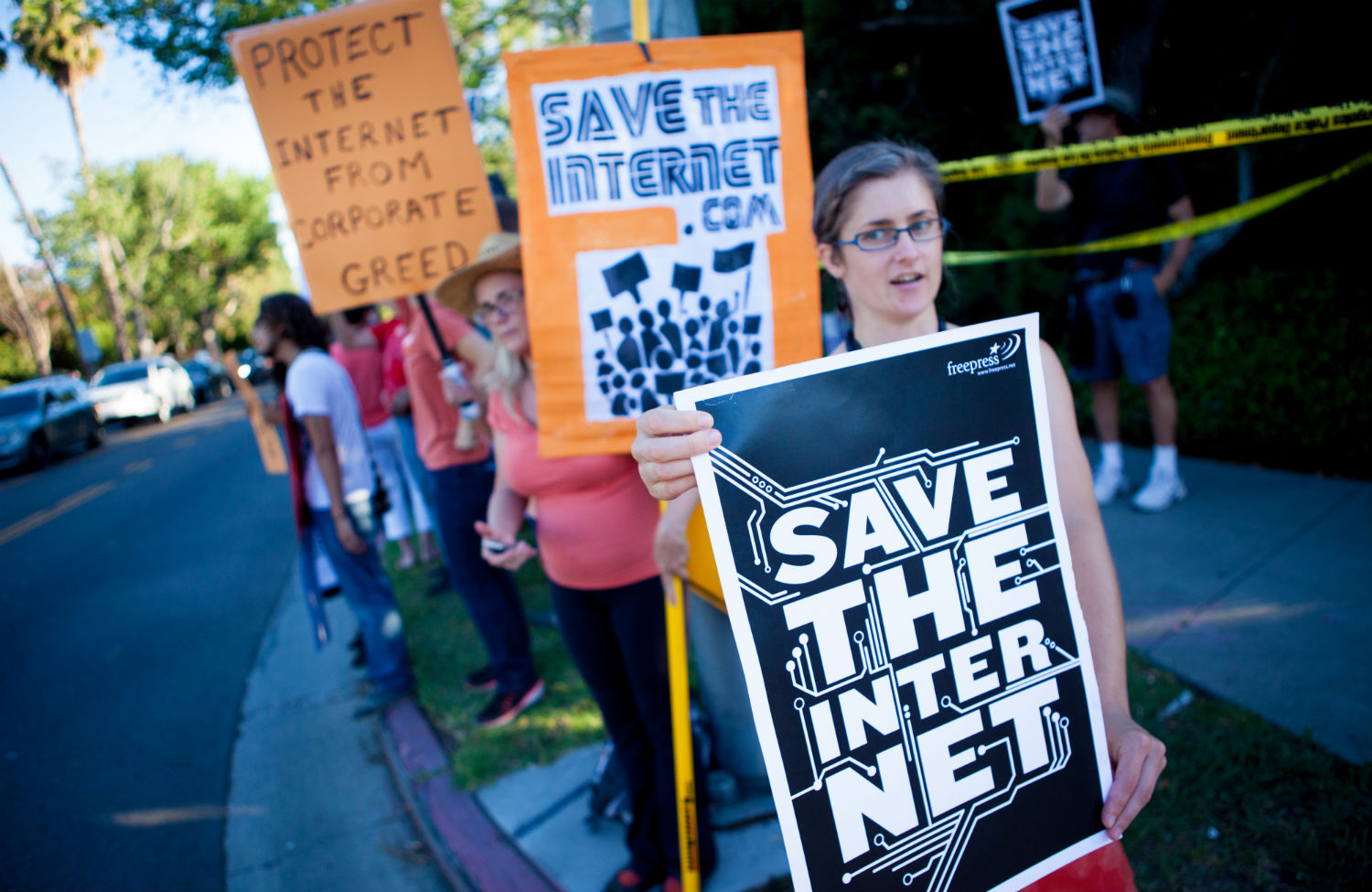
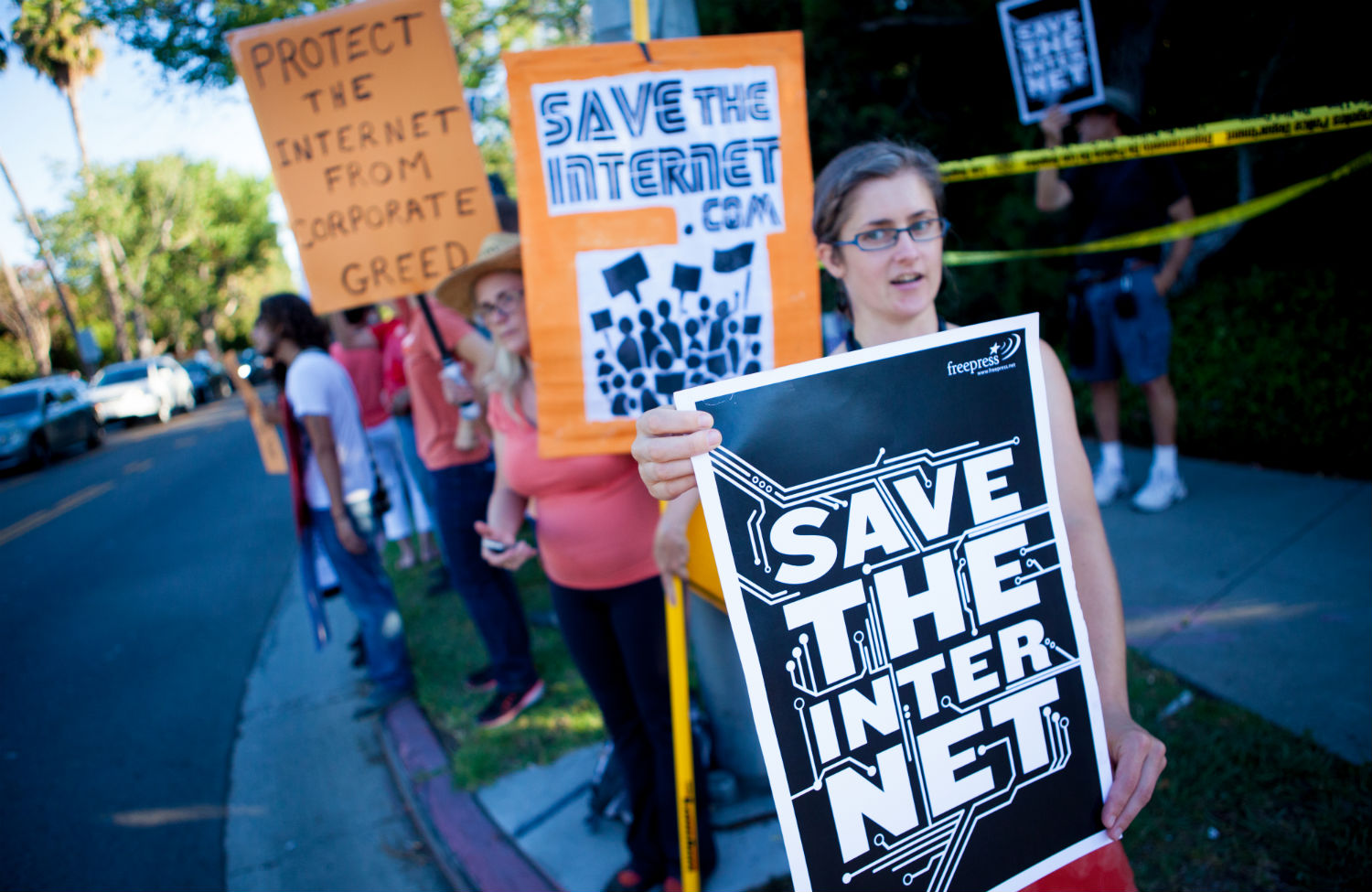
Act Now to Save the Open Internet

Act Now to Save the Open Internet Act Now to Save the Open Internet

The FCC is reportedly considering a “hybrid” plan that could still leave us with exactly what we don’t want: fast lanes for the 1% and slow lanes for everybody el...

Nov 6, 2014 / NationAction

Haterz Gonna Hate?

Haterz Gonna Hate? Haterz Gonna Hate?

There are limits to what the law can do to police cyberabuse.

Nov 5, 2014 / Books & the Arts / Martha C. Nussbaum

Why Hasn’t ‘Big Data’ Saved Democracy?

Why Hasn’t ‘Big Data’ Saved Democracy? Why Hasn’t ‘Big Data’ Saved Democracy?

Micah Sifry’s new book offers some answers, but misses important shifts in the power base of traditional progressive organizing.

Oct 17, 2014 / Marshall Ganz

Revenge Porn Is Malicious and Reprehensible. But Should It Be a Crime?

Revenge Porn Is Malicious and Reprehensible. But Should It Be a Crime? Revenge Porn Is Malicious and Reprehensible. But Should It Be a Crime?

The line between respecting civil liberties and protecting victims is anything but clear.

Oct 1, 2014 / Michelle Goldberg

Keyboard

Minority Report Minority Report

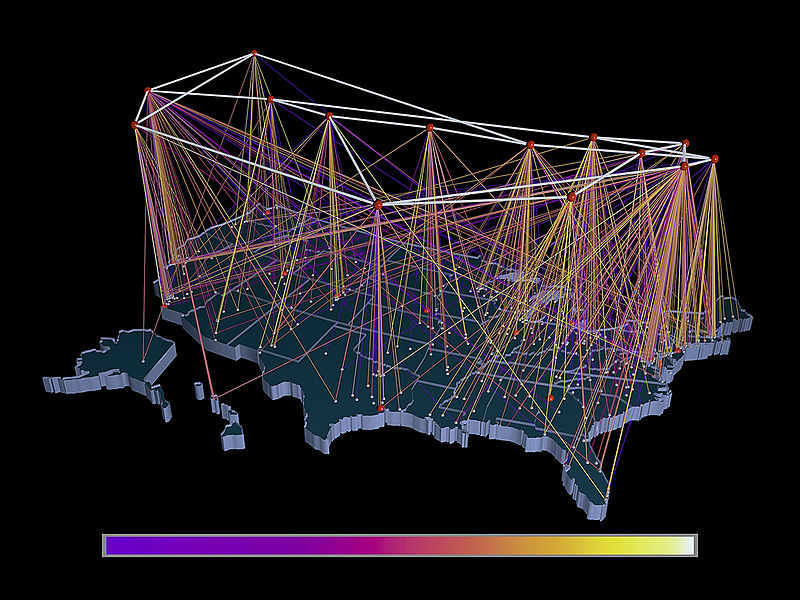
Sometimes it feels like we’re living in an era in which information has finally become “free”—unlimited media access, twenty-four-hour wellness tracking, endless dating possibilities. But there’s nothing inherently progressive about Big Data. A new report shows that when Big Data creeps into our workplaces and our financial lives, it may simply create new ways of reinforcing old racial and economic injustices. The report, “Civil Rights, Big Data, and Our Algorithmic Future,” by the think tank Robinson + Yu, notes that technological advances, the declining cost of data storage, and the intensified surveillance climate of post-9/11 America have spurred massive data collection. This accumulation of private information by corporations and government has created troubling new issues in the areas of labor rights, privacy and ethics. Consider the influence of Big Data on hiring practices. Hiring algorithms are often seen as an “objective,” meritocratic assessment, free of irrational prejudice or biases. But the report warns that because “[d]igital indicators of race, religion, or sexual preference can easily be observed or inferred online,” the mining of social media and Google-search data can reinforce systemic discrimination. The result may be a perpetuation of an unjust status quo: disproportionately white, upper-class, elite-educated and culturally homogeneous. Sloppy résumé scans end up excluding people based on superficial criteria—where they live, for example, a metric bound to reflect already-existing housing discrimination. Big Data manipulation allows these subtle individual slights to be expanded to new orders of magnitude with monstrous efficiency. Since the algorithm reflects social patterns, researcher David Robinson tells The Nation, “any time someone is the victim of old-fashioned human discrimination, that discrimination is likely to be reflected in some of the data points that these new algorithms measure. Culturally speaking, there is a real tendency to defer to decisions that come from computers—which means if we’re not careful, it is reasonable to expect that computers will sanitize biased inputs into neutral-seeming outputs.” Read Next: David Auerbach on data profiling and microtargeting

Oct 1, 2014 / Michelle Chen

The Right to Be Forgotten

The Right to Be Forgotten The Right to Be Forgotten

Imagine a camera aimed at a human face forever.

Sep 17, 2014 / Column / Patricia J. Williams

x