
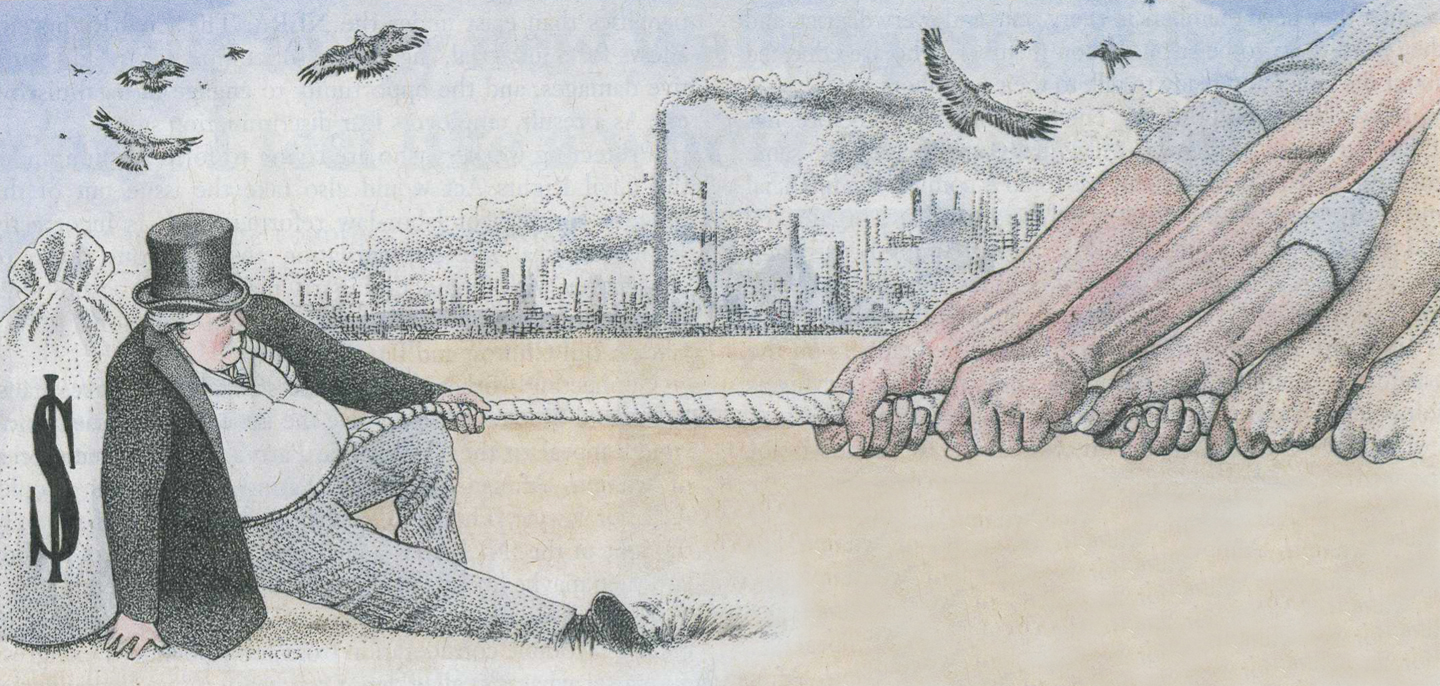
2005–2015: This All Seems Eerily Familiar 2005–2015: This All Seems Eerily Familiar
Nation writers on disaster capitalism, Blackwater, Obama, the financial bailout, austerity, Occupy Wall Street, Trayvon Martin and Charlie Hebdo.
Mar 23, 2015 / Books & the Arts / The Nation
The Bear The Bear
April 18, 1928 The bear puts both arms round the tree above her And draws it down as if it were a lover And its choke-cherries lips to kiss goodby, Then lets it snap back upright in the sky. Her next step rocks a boulder on the wall. (She’s making her cross-country in the fall.) Her great weight creaks the barbed wire in its staples As she flings over and off down through the maples, Leaving on one wire tooth a lock of hair. Such is the uncaged progress of the bear. The world has room to make a bear feel free. The universe seems cramped to you and me. Man acts more like the poor bear in a cage That all day fights a nervous inward rage, His mood rejecting all his mind suggests. He paces back and forth and never rests The toe-nail click and shuffle of his feet, The telescope at one end of his beat, And at the other end the microscope, Two instruments of nearly equal hope, And in conjunction giving quite a spread. Or if he rests from scientific tread, ’Tis only to sit back and sway his head Through ninety-odd degrees of arc it seems, Between two metaphysical extremes. He sits back on his fundamental butt With lifted snout and eyes (if any) shut (He almost looks religious but he’s not), And back and forth he sways from cheek to cheek, At one extreme agreeing with one Greek, At the other agreeing with another Greek, Which may be thought but only so to speak. A baggy figure equally pathetic When sedentary and when peripatetic. This article is part of The Nation’s 150th Anniversary Special Issue. Download a free PDF of the issue, with articles by James Baldwin, Barbara Ehrenreich, Toni Morrison, Howard Zinn and many more, here. Reviewing Robert Frost’s first book, A Boy’s Will, in 1915, The Nation described him as “a poet by endowment,” but “a symbolist only by trade.” Frost (1874–1963) wrote four poems for The Nation in the 1920s. When he died, the sportswriter Roger Kahn wrote in the magazine of his friend: “Robert Frost is dead and my mortality and yours is thus more stark.”
Mar 23, 2015 / Books & the Arts / Robert Frost
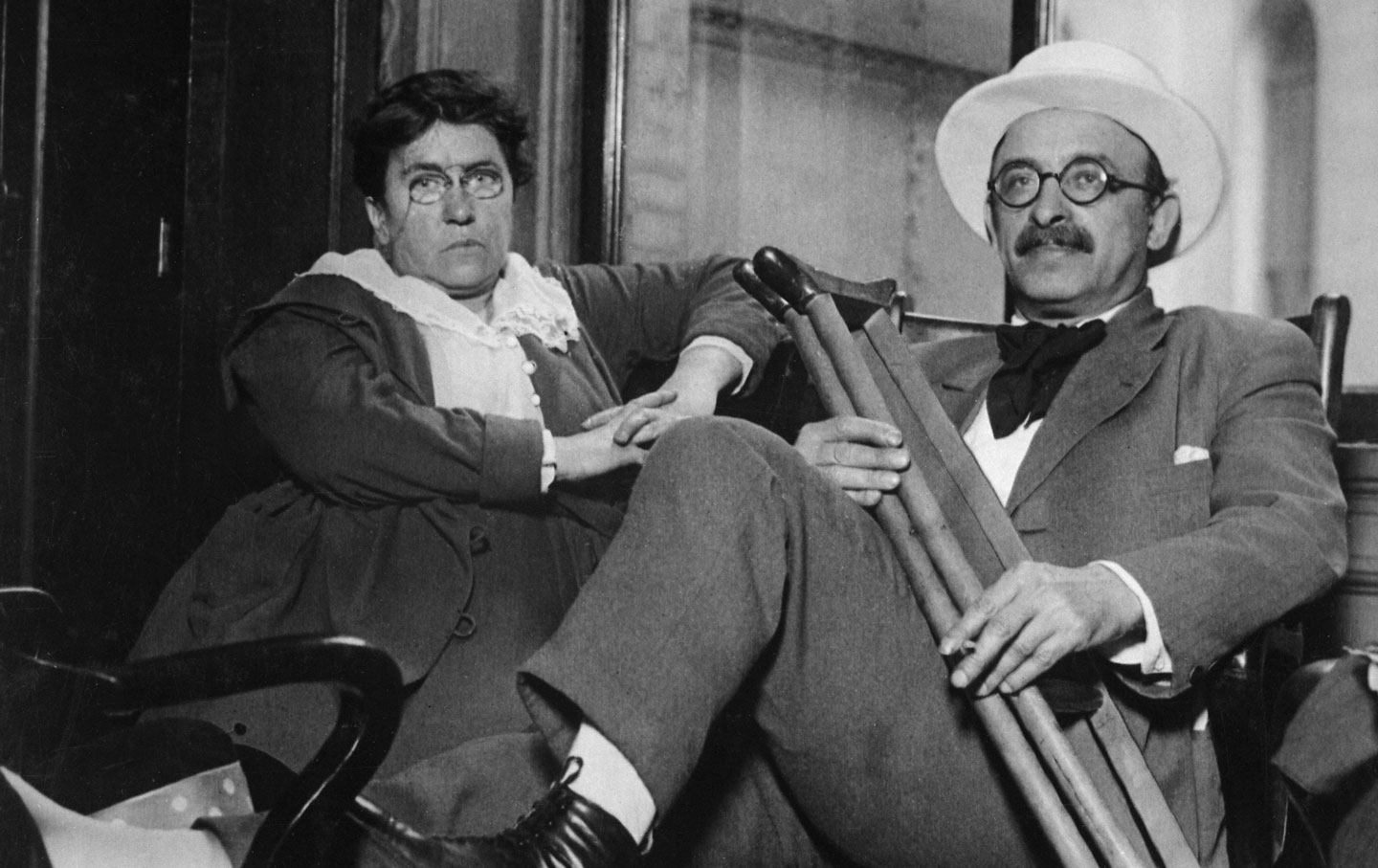
When the World Became a Huge Penitentiary When the World Became a Huge Penitentiary
An eloquent portrait of underground life among the undocumented and the damned of the earth.
Mar 23, 2015 / Feature / Emma Goldman and Vivian Gornick
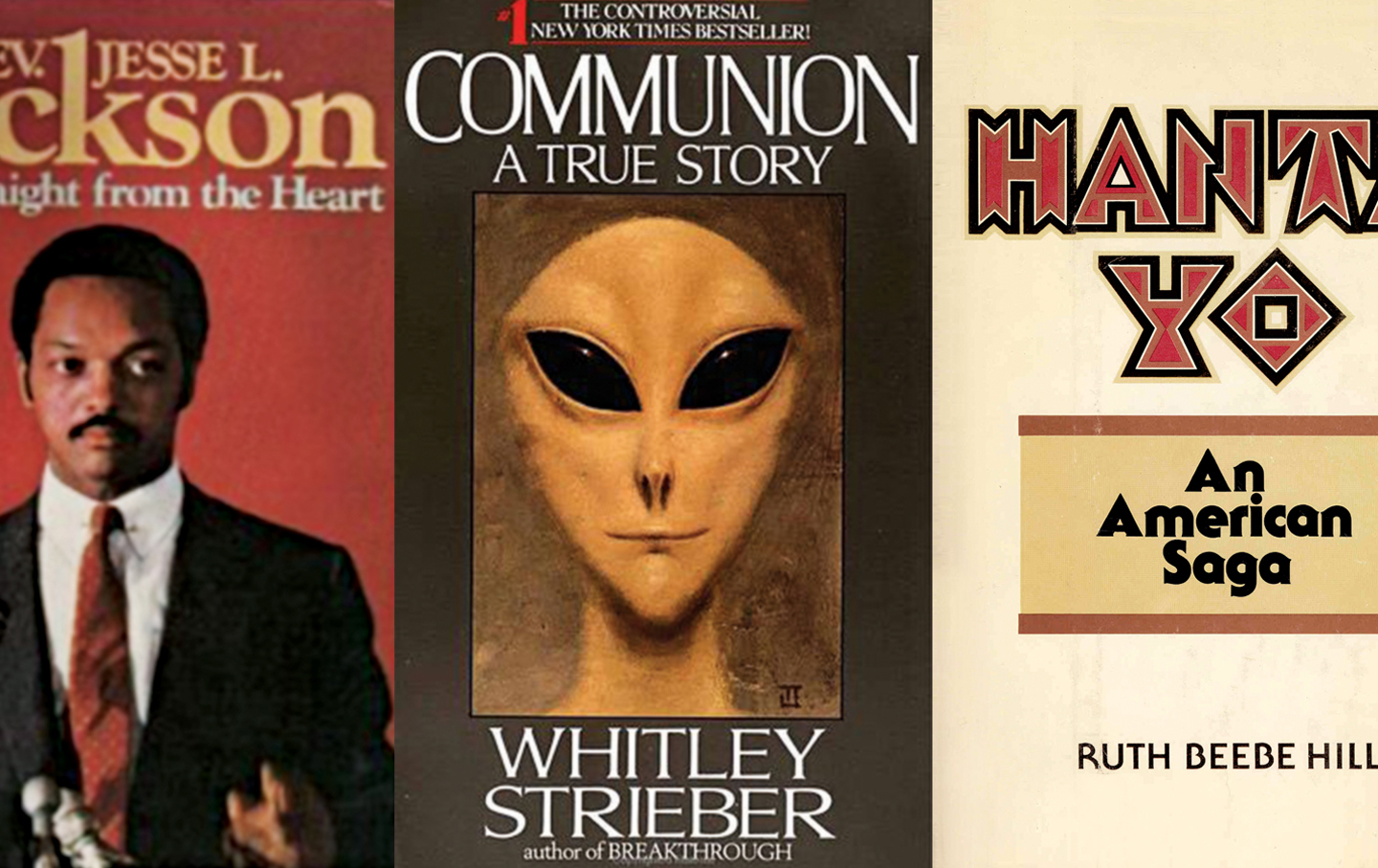
How to Lose Friends and Influence People How to Lose Friends and Influence People
…and other tales from the “back of the book.”
Mar 23, 2015 / Books & the Arts / Elizabeth Pochoda
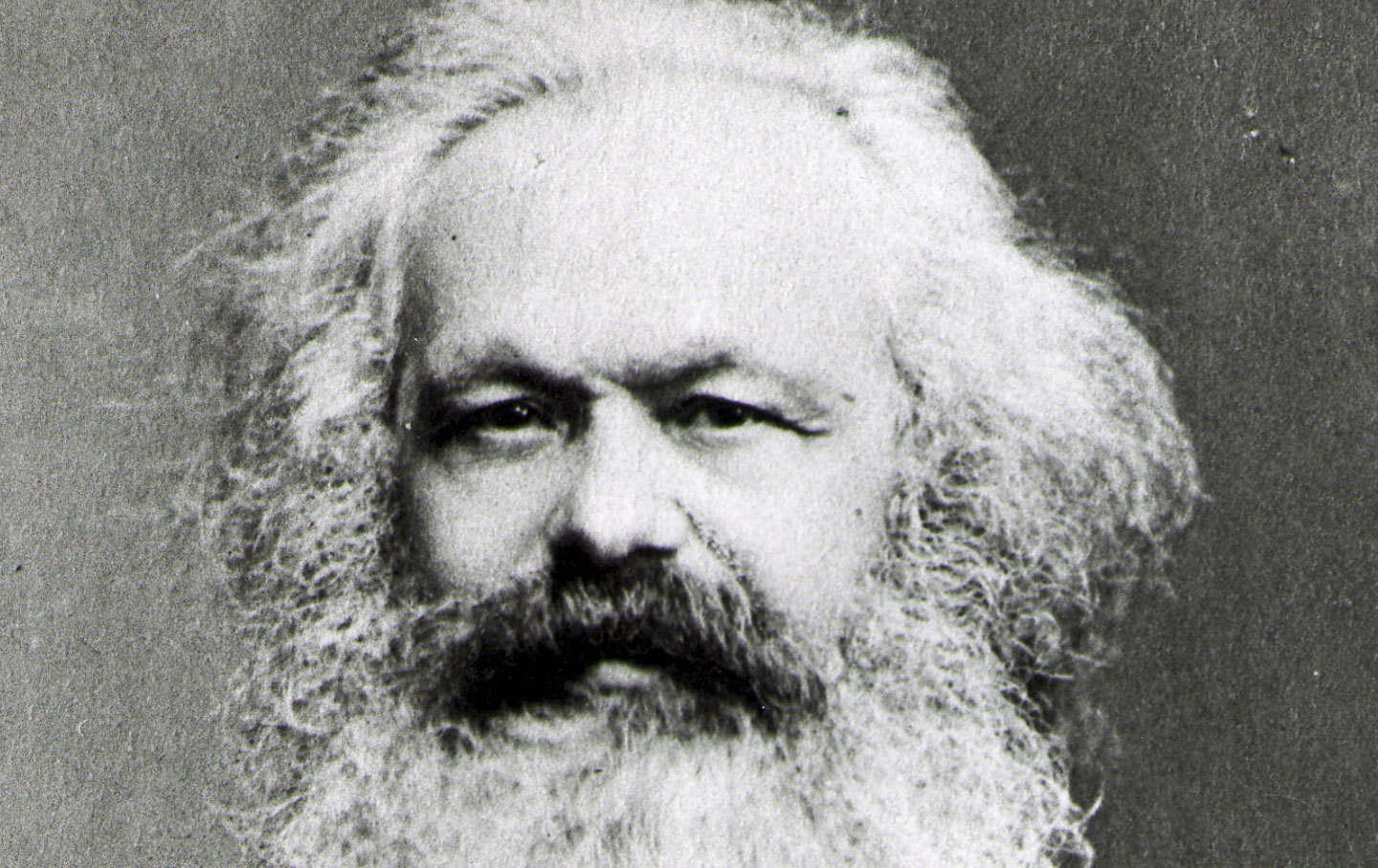
Reclaiming Socialism Reclaiming Socialism
While honoring the legacy of American communists, a new generation of radicals has chosen to organize under the “socialist” banner.
Mar 23, 2015 / Books & the Arts / Bhaskar Sunkara

Michael Moore for President Michael Moore for President
If nominated, I will run. If elected, I will serve.
Mar 23, 2015 / Books & the Arts / Michael Moore

A Q&A With Marilynne Robinson A Q&A With Marilynne Robinson
The novelist discusses religion, history, language and the importance of moral scrutiny.
Mar 23, 2015 / Books & the Arts

No Place for Self-Pity, No Room for Fear No Place for Self-Pity, No Room for Fear
In times of dread, artists must never choose to remain silent.
Mar 23, 2015 / Feature / Toni Morrison
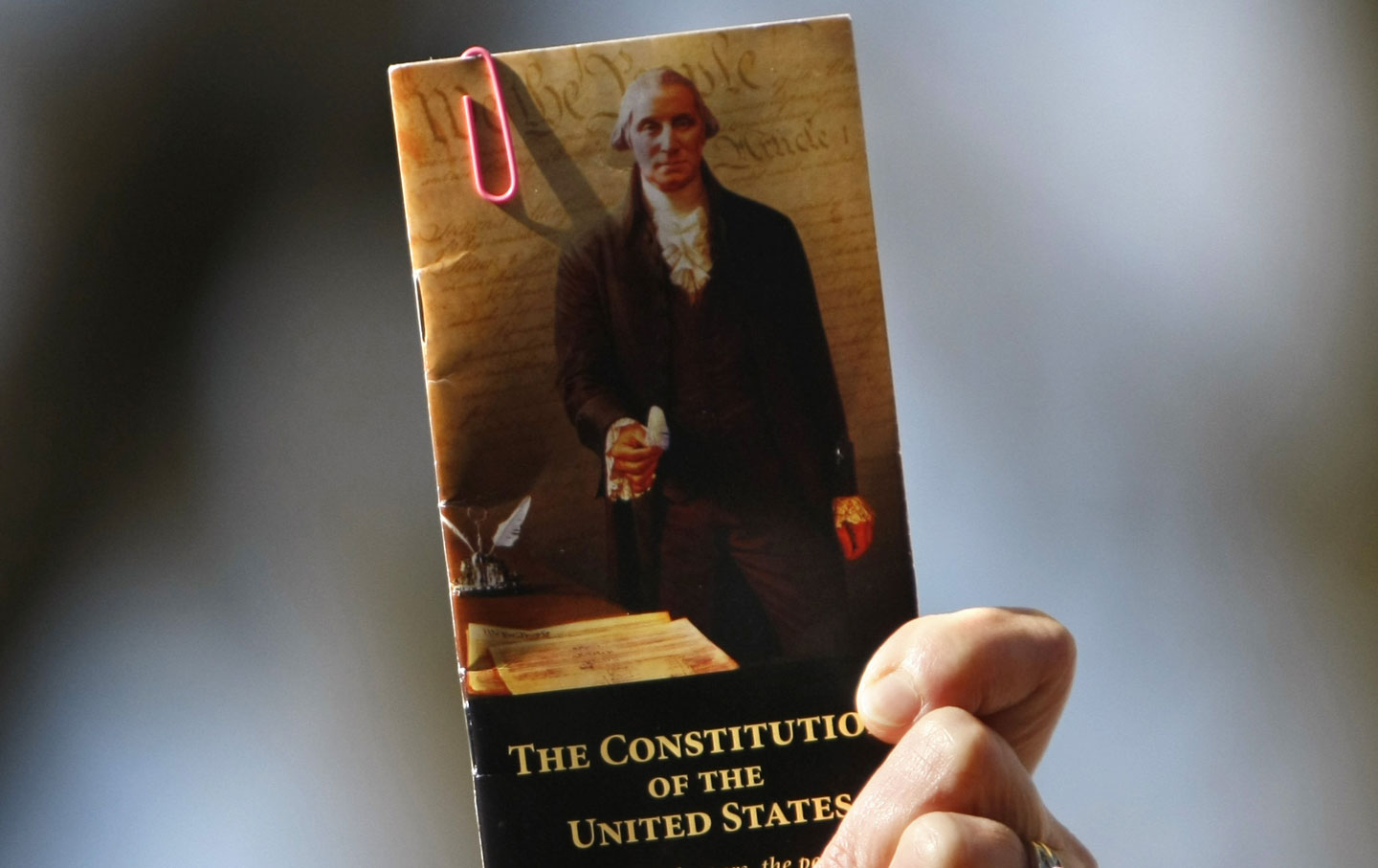
It’s Not Too Late: Save Democracy By Amending the Constitution It’s Not Too Late: Save Democracy By Amending the Constitution
Corporations are not people, money is not speech, and votes must matter more than billionaires’ dollars.
Mar 23, 2015 / Books & the Arts / John Nichols
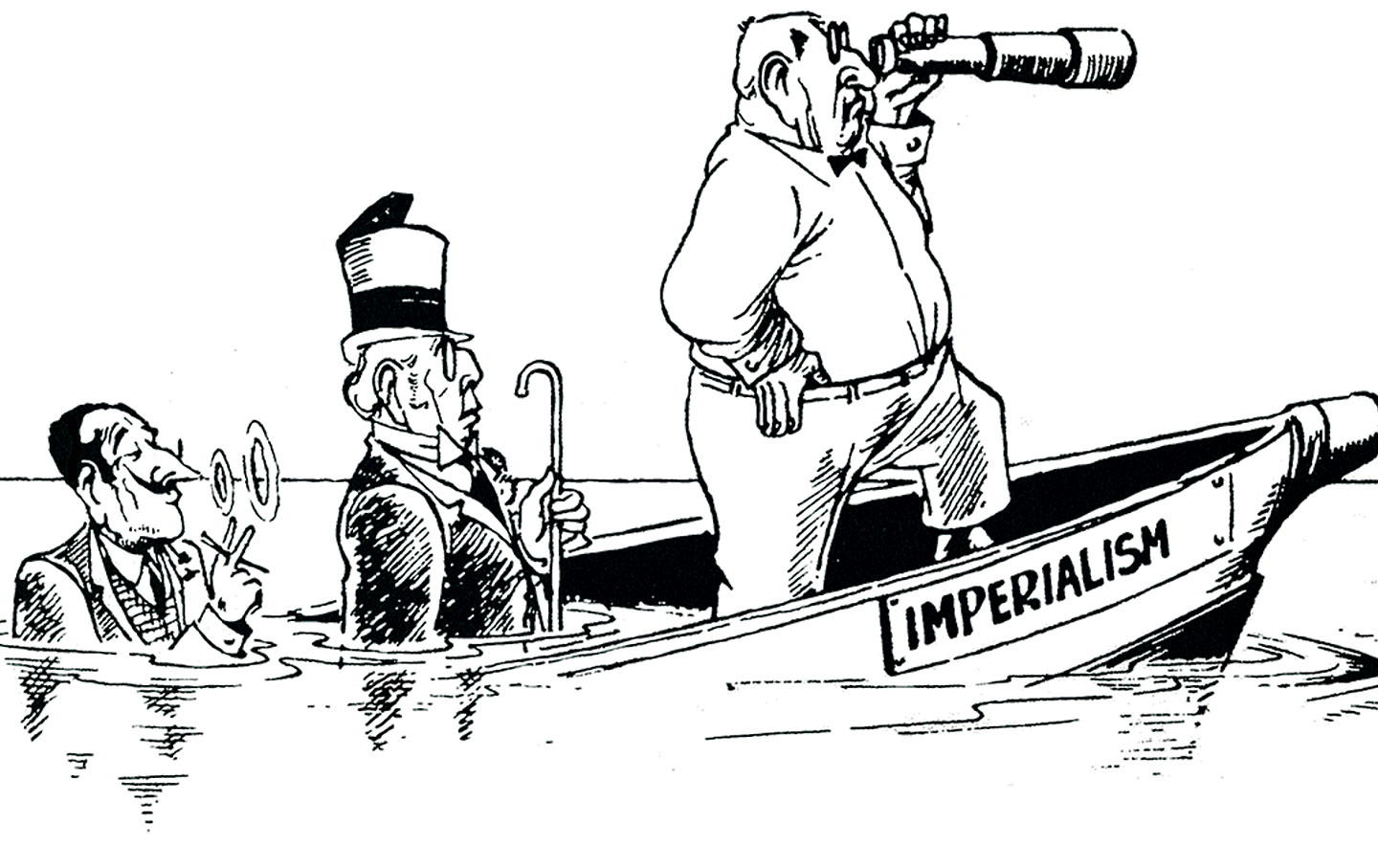
1965–1975: How To Tell The Rebels Have Won 1965–1975: How To Tell The Rebels Have Won
Vietnam is a unique case—culturally, historically and politically. I hope that the United States will not repeat its Vietnam blunders elsewhere.
Mar 23, 2015 / Books & the Arts / The Nation