Books and Ideas

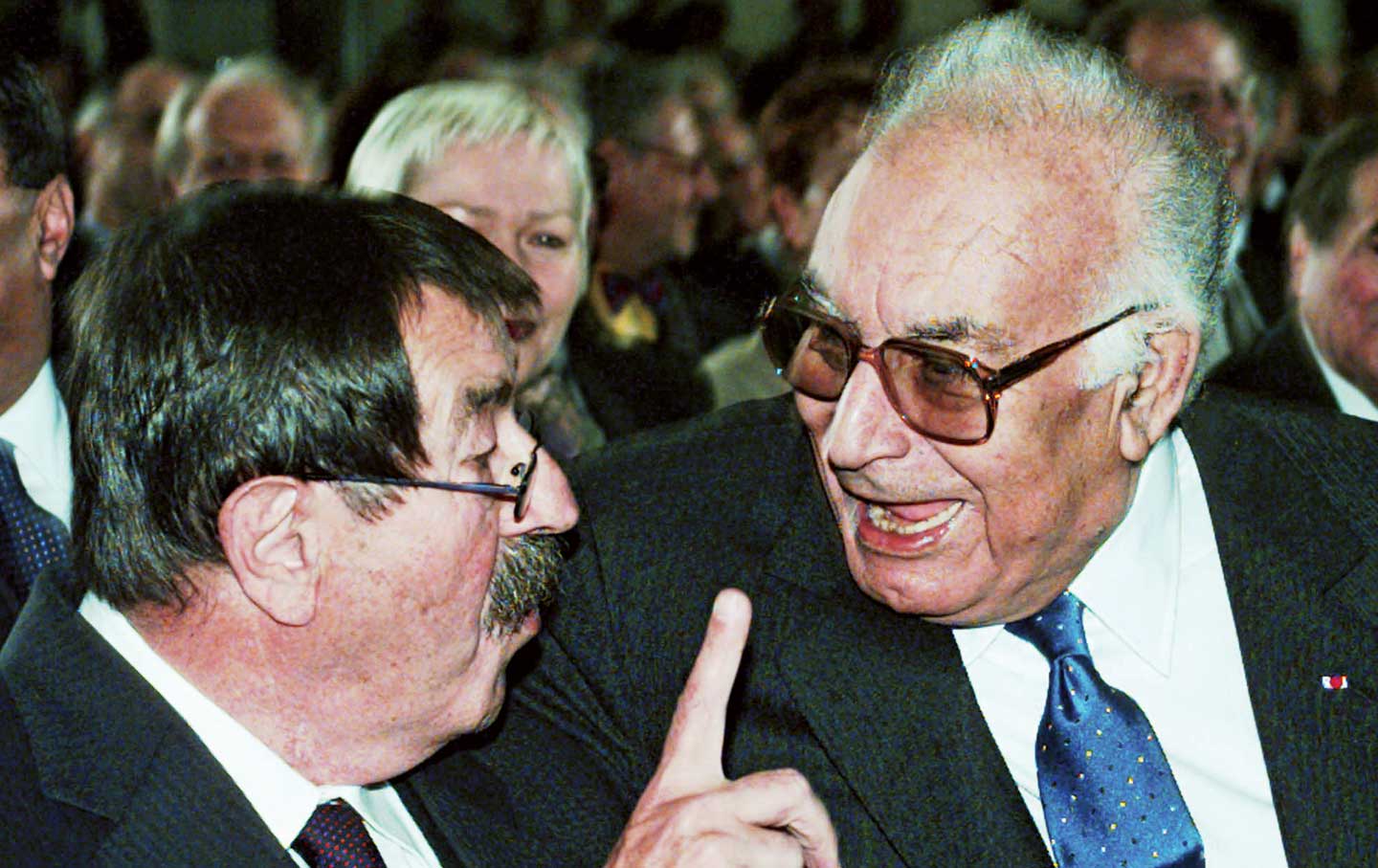
Can Men and Women Be Friends?

Can Men and Women Be Friends? Can Men and Women Be Friends?

Feminism has opened up far more space than could have been imagined in the 1920s.

Mar 23, 2015 / Feature / Floyd Dell and Michelle Goldberg

Adolph Reed Destroys ‘The Bell Curve’

Adolph Reed Destroys ‘The Bell Curve’ Adolph Reed Destroys ‘The Bell Curve’

Despite their concern to insulate themselves from the appearance of racism, Herrnstein and Murray display a perspective worthy of an Alabama filling station.

Mar 23, 2015 / Books & the Arts / Adolph Reed Jr.

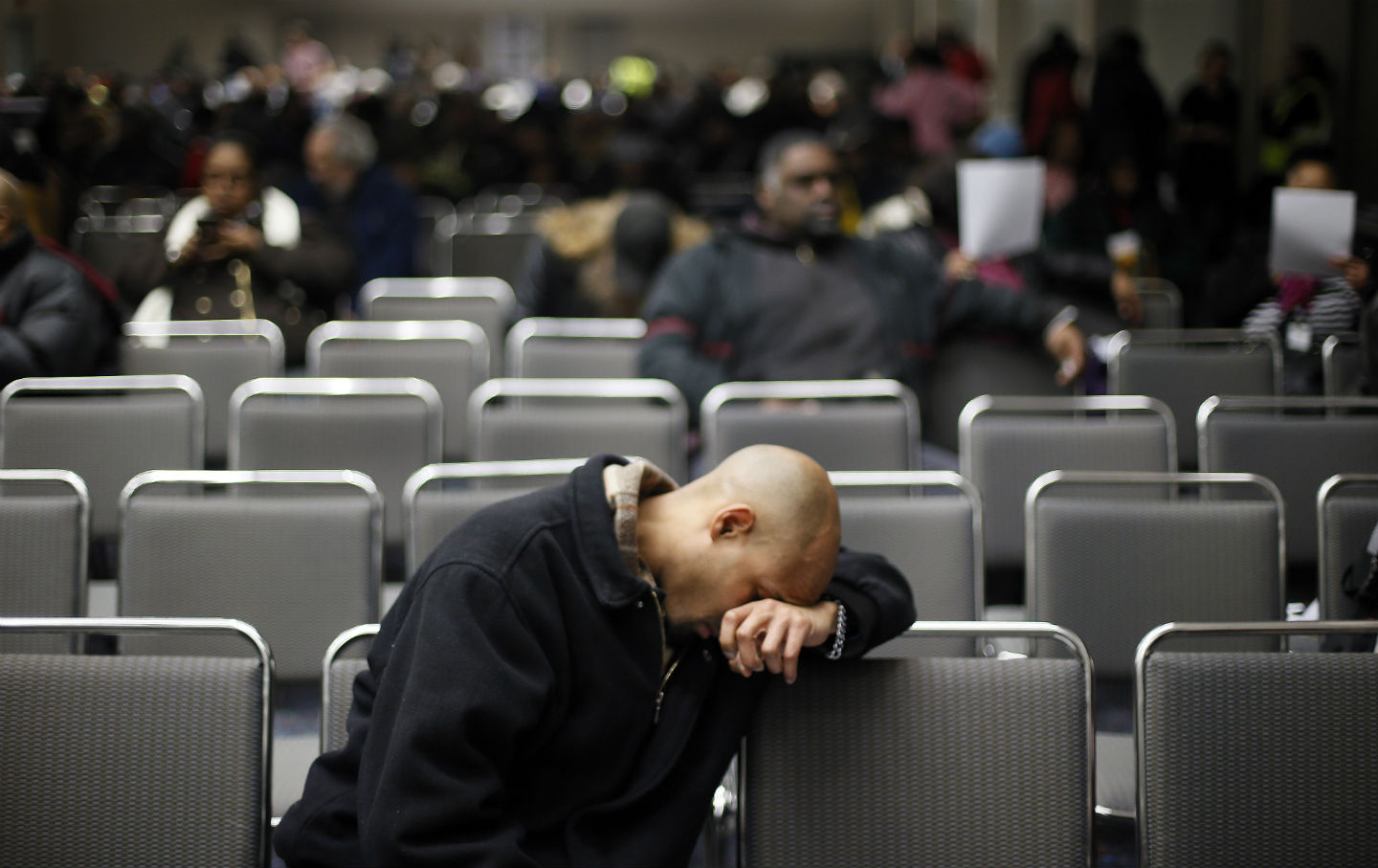
If We Repossessed Empty Homes, Homelessness Would Be Over

If We Repossessed Empty Homes, Homelessness Would Be Over If We Repossessed Empty Homes, Homelessness Would Be Over

It will need a robust Mayor and city government to take the law into their own hands; but the people would support them.

Mar 23, 2015 / Feature / William MacDonald and Bill de Blasio

The Bear The Bear

April 18, 1928 The bear puts both arms round the tree above her And draws it down as if it were a lover And its choke-cherries lips to kiss goodby, Then lets it snap back upright in the sky. Her next step rocks a boulder on the wall. (She’s making her cross-country in the fall.) Her great weight creaks the barbed wire in its staples As she flings over and off down through the maples, Leaving on one wire tooth a lock of hair. Such is the uncaged progress of the bear. The world has room to make a bear feel free. The universe seems cramped to you and me. Man acts more like the poor bear in a cage That all day fights a nervous inward rage, His mood rejecting all his mind suggests. He paces back and forth and never rests The toe-nail click and shuffle of his feet, The telescope at one end of his beat, And at the other end the microscope, Two instruments of nearly equal hope, And in conjunction giving quite a spread. Or if he rests from scientific tread, ’Tis only to sit back and sway his head Through ninety-odd degrees of arc it seems, Between two metaphysical extremes. He sits back on his fundamental butt With lifted snout and eyes (if any) shut (He almost looks religious but he’s not), And back and forth he sways from cheek to cheek, At one extreme agreeing with one Greek, At the other agreeing with another Greek, Which may be thought but only so to speak. A baggy figure equally pathetic When sedentary and when peripatetic. This article is part of The Nation’s 150th Anniversary Special Issue. Download a free PDF of the issue, with articles by James Baldwin, Barbara Ehrenreich, Toni Morrison, Howard Zinn and many more, here. Reviewing Robert Frost’s first book, A Boy’s Will, in 1915, The Nation described him as “a poet by endowment,” but “a symbolist only by trade.” Frost (1874–1963) wrote four poems for The Nation in the 1920s. When he died, the sportswriter Roger Kahn wrote in the magazine of his friend: “Robert Frost is dead and my mortality and yours is thus more stark.”

Mar 23, 2015 / Books & the Arts / Robert Frost

Night Thoughts

Night Thoughts Night Thoughts

On reverence, rebellion and other alternatives to social suicide.

Mar 23, 2015 / Feature / JoAnn Wypijewski

Michael Moore for President

Michael Moore for President Michael Moore for President

If nominated, I will run. If elected, I will serve.

Mar 23, 2015 / Books & the Arts / Michael Moore

Voting Does Not Make a Difference

Voting Does Not Make a Difference Voting Does Not Make a Difference

Democracy is dead in the United States. Yet there is still nothing to replace real democracy.

Mar 23, 2015 / Books & the Arts / W.E.B. Du Bois

1985–1995: American Politics and Culture is Being Radically Reformed

1985–1995: American Politics and Culture is Being Radically Reformed 1985–1995: American Politics and Culture is Being Radically Reformed

Nation writers on late 1980s New York, Jesse Jackson's presidential campaign, gay rights, Rupert Murdoch's ambitions and the case for federal funding of the arts.

Mar 23, 2015 / Books & the Arts / The Nation

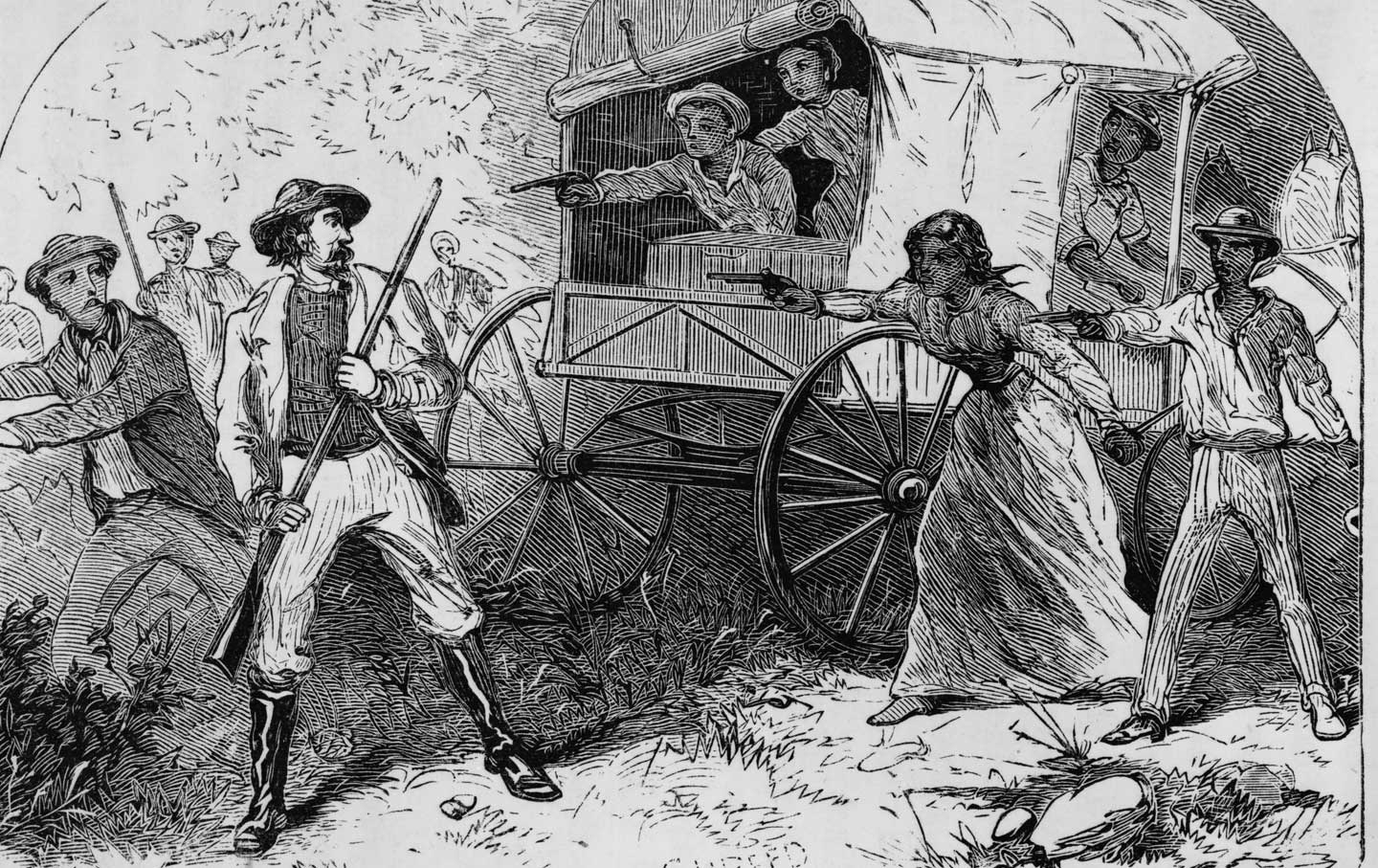
1915–1925: Radicals in a Time of Hysteria

1915–1925: Radicals in a Time of Hysteria 1915–1925: Radicals in a Time of Hysteria

Looking forward to a social order without any external restraints upon the individual.

Mar 23, 2015 / Feature / The Nation

The Fall of Rome The Fall of Rome

June 14, 1947 The piers are pummeled by the waves; In a lonely field the rain Lashes an abandoned train; Outlaws fill the mountain caves. Fantastic grow the evening gowns; Agents of the Fisc pursue Absconding tax-defaulters through The sewers of provincial towns. Private rites of magic send The temple prostitutes to sleep; All the literati keep An imaginary friend. Cerebrotonic Cato may Extol the Ancient Disciplines, But the muscle-bound Marines Mutiny for food and pay. Caesar’s double-bed is warm As an unimportant clerk Writes I DO NOT LIKE MY WORK On a pink official form. Unendowed with wealth or pity, Little birds with scarlet legs, Sitting on their speckled eggs, Eye each flu-infected city. Altogether elsewhere, vast Herds of reindeer move across Miles and miles of golden moss, Silently and very fast. This article is part of The Nation’s 150th Anniversary Special Issue. Download a free PDF of the issue, with articles by James Baldwin, Barbara Ehrenreich, Toni Morrison, Howard Zinn and many more, here. W.H. Auden (1907–1973) contributed many poems and critical essays to The Nation between 1938 and 1951. 

Mar 23, 2015 / Books & the Arts / W.H. Auden

x