
The Women Who Remain in Gaza Will Never Leave Me
I survived eight terrible months of genocide. Now, I’m in exile—but I can’t stop thinking about the women who have remained.
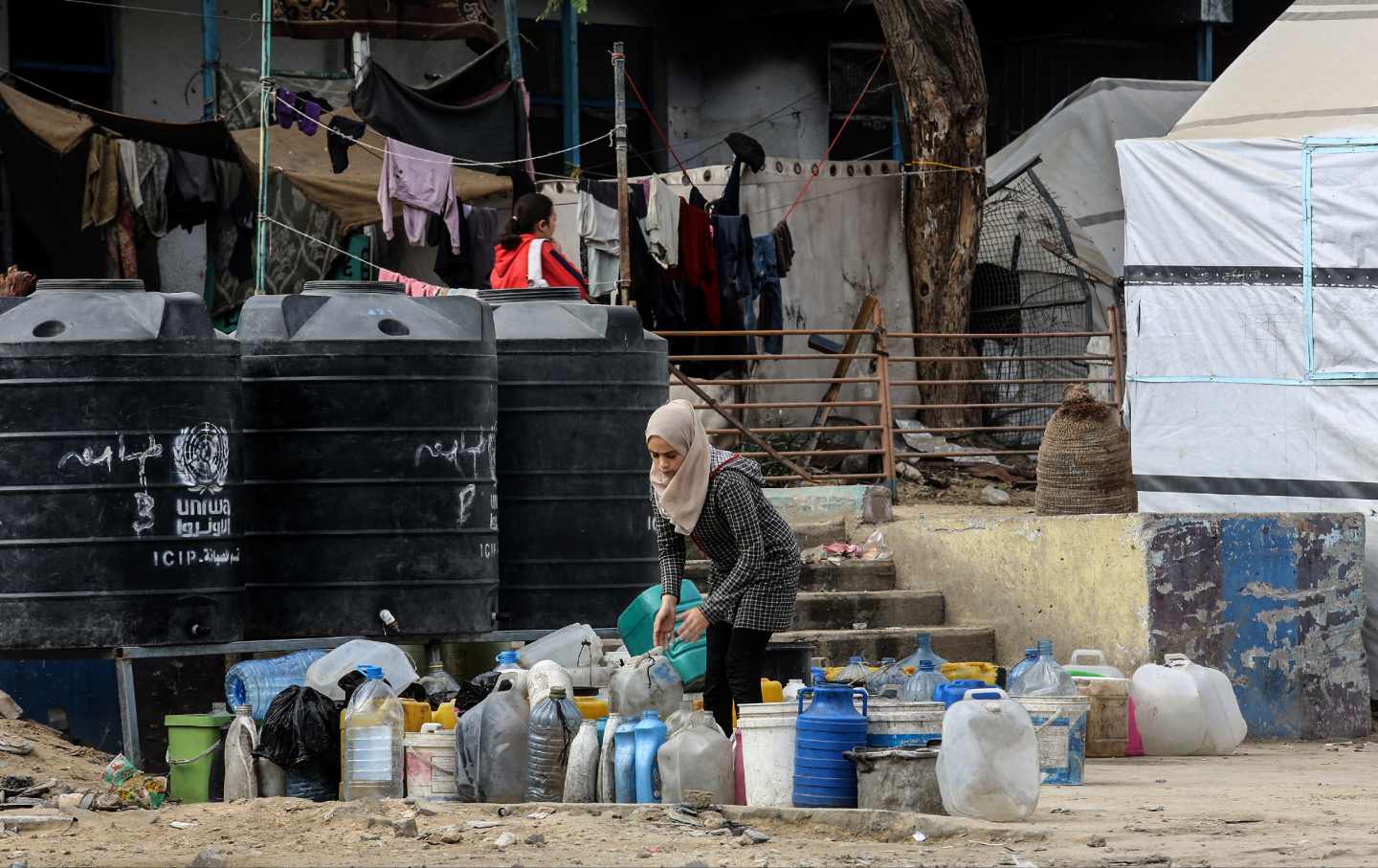
A woman arranges empty bottles as displaced Palestinians struggle to survive while Israeli attacks continue in Khan Yunis, Gaza, on November 18, 2024.
(Abed Rahim Khatib / Anadolu via Getty Images)I don’t know whether calling myself a survivor of the Gaza genocide brings me relief or only deepens my psychological devastation. True, I am alive, and safe, at least physically. But although I am outside Gaza now, I can’t separate my mind or heart from the suffering of the women who are still there, enduring what I lived through, day and night, for eight long months. Their pain is still my pain.
From October 2023 to May 2024, the basic activities of my life were dictated by two things: Israeli bombs and my family’s endless battle to escape them. Every morning was consumed by trying to find food or warmth for my child— tasks that should have been simple but became nearly impossible as Israel’s “complete siege” of Gaza took its toll. When night fell, I couldn’t promise my son dinner or a safe place to sleep. Death felt imminent at every turn, yet there was nothing I could do to protect my family. I drowned in a feeling of terror and helplessness.
My son, who was then two-and-a-half, cried for water constantly. His small voice was cracked from thirst, but most of the time, I had none to give him. The little water we managed to find was contaminated, shared among thousands of displaced people crammed into the same shelter. If we were lucky, there would be enough for him just to wet his lips.
When he begged me for food, I had nothing but expired cans of whatever could be scavenged in the north of Gaza to give him. Watching my son eat expired food, his fragile body growing weaker, broke me. But how could I explain to him that this was all there was? How could I ease his hunger when my own stomach churned with emptiness?
I tried to convince my body that this should be enough. Cooking the food we could find was a battle in itself. With no gas, I had to rely on firewood. The smoke stung my eyes and choked my lungs. Every breath was a reminder of the world we had lost — our home gone, basic medical care facilities destroyed, our health deteriorating in ways we couldn’t control.
Needing to go to the bathroom was another heartbreak. I would stand in line for hours at the shelter, surrounded by tens of others with the same urgent need, each of us silently enduring the discomfort and indignity. Queuing for water was no different — it was a painful wait, standing in front of the aid truck with a growing sense of humiliation, hoping we’d get even a little before the water ran out. Each time, the shame and frustration cut deeper.
Then, in January, I found out I was pregnant. The discovery should have made me feel joyous. Instead, it was like another weight crushing me. I knew my health was more important than ever, but my body was constantly exhausted, and I ached with hunger. Fear seeped into every moment, even in sleep. We woke to explosions, the sound of artillery, gunfire, bombs — constant reminders that there was no safety, no escape.
My son would cling to me in the night, shaking in terror, and inside, I’d feel the baby kick in panic as if even in the womb, it could sense the danger around us. During the night, we huddled together for warmth, but even the shelter that was supposed to protect us offered little reprieve. The cold crept into everything.
As a mother, my first instinct was always to feed my starving son. But malnutrition had already taken hold of him, his father, and me. We spent our days desperately searching for anything to replace the vitamins and nutrients that we couldn’t find in the little food we had. During cold, rainy days, I wrapped him in my jacket, trying to protect his tiny hands from the biting wind, even as my own body trembled from the cold.
I felt a consuming guilt—knowing that while I tried to keep him warm, the baby inside me was also suffering, struggling for the same warmth I couldn’t provide. I couldn’t sleep. Every night brought exhaustion and overwhelming fear that I wasn’t doing enough to save my children.
On top of that, our repeated displacement was taking an immense emotional toll. I was cut off from my parents, the very people I needed most in that moment of terror. The pain of not being able to hold my mother, to collapse into her arms, to hear her tell me things were going to be okay, was agonizing. I wanted to hide, to escape the brutal reality, but there was no escape.
The days blurred together. My son would wake in the middle of the night, asking me if the explosions outside were fireworks. Even the act of breathing felt like a burden, each inhale filled with the anxiety of what might come next.
I watched as my husband’s health crumbled. His face grew hollow, his body weakened by hunger, the sickness from the contaminated water leaving him too weak to stand.
He was so often the one who gave me strength, but now I was carrying both him and our son through each day, battling my own exhaustion as I tried to keep them alive. The fear of losing him, of being left to face this nightmare alone, hung over me like a shadow. But I had no time to dwell on it — there was always another explosion, another moment of panic, another day of trying to survive.
Popular
“swipe left below to view more authors”Swipe →Eventually, the moment came when we decided to flee. It wasn’t a choice so much as an act of desperation. We left everything behind—our home, the memories of our life before the war. But fleeing didn’t bring relief. The roads were treacherous, the heat unrelenting, and each step away from Gaza felt like I was leaving behind a piece of myself.
Even as I moved toward safety, I couldn’t shake the shared pain of everyone still behind. The guilt gnawed at me, knowing that while I was escaping, thousands of women, mothers like me, were still trapped in that same nightmare.
We fled, but Gaza didn’t leave us. Every mother I left behind still endures the same horrors: cooking with firewood, struggling to keep her children warm, watching them grow weaker with hunger. I may have escaped, but I carry their suffering with me. Their fight for survival is my fight, and their survival is my survival.
Now, as I sit in relative safety, the cold I feel is nothing compared to what the women of Gaza still endure. Their strength fuels my own, and though my body may no longer tremble from hunger, the ache in my heart remains.
The women of Gaza—my friends, my sisters, my family—are still there, still fighting, still surviving against impossible odds. Their resilience, their hope, is the thread that binds us together. One day, I hope we will not just survive. We will live. We will live free from the fear and violence that have scarred our lives for so long. Until then, I hold their stories, their pain, and their strength in my heart.
More from The Nation
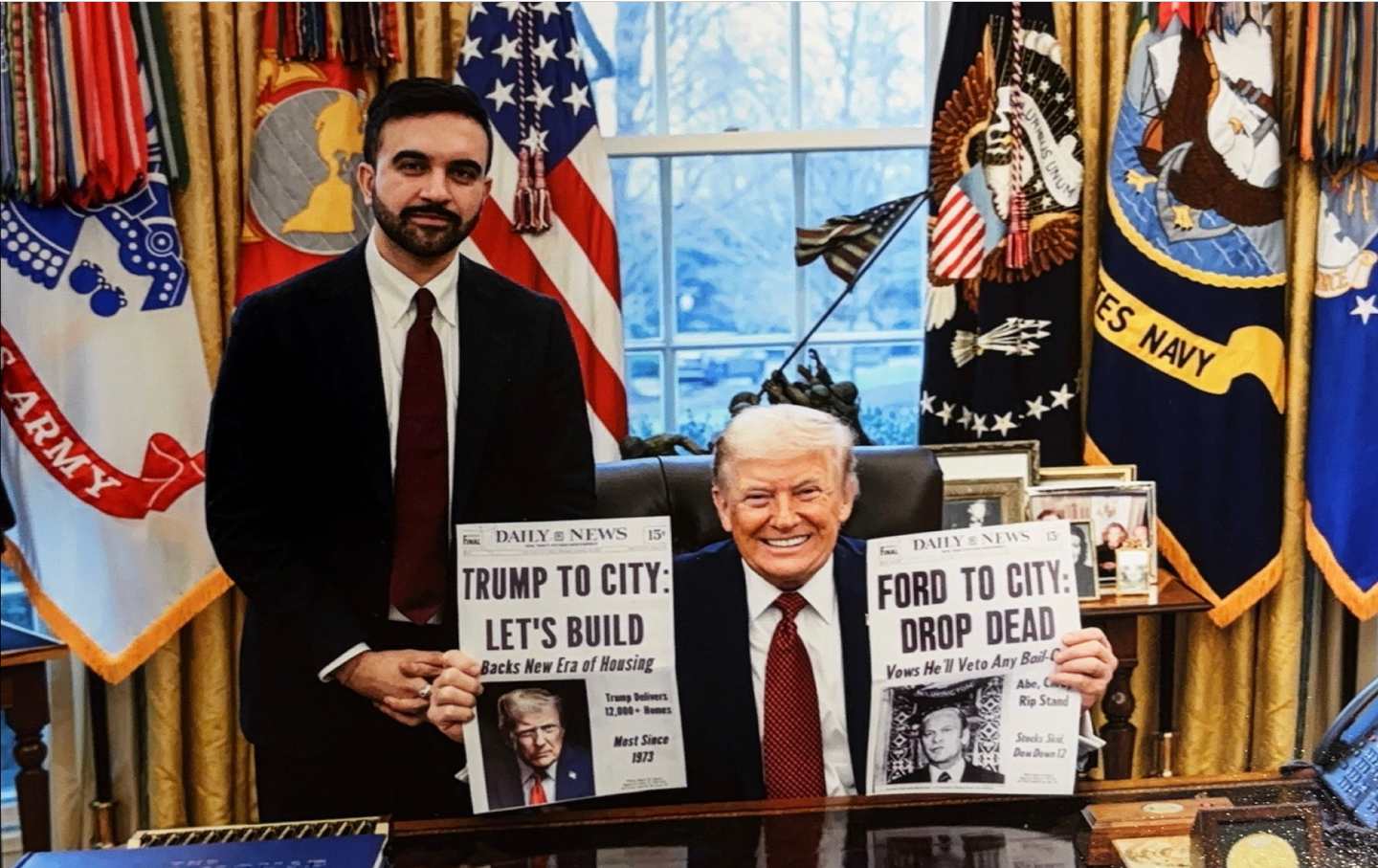
How the Theatrics of Mamdani’s Trump Meeting Backfired How the Theatrics of Mamdani’s Trump Meeting Backfired
By pandering to the president’s vanity, the New York mayor reinforced Trump’s image as a strongman commanding deference—an especially bad look on the eve of Trump’s war with Iran
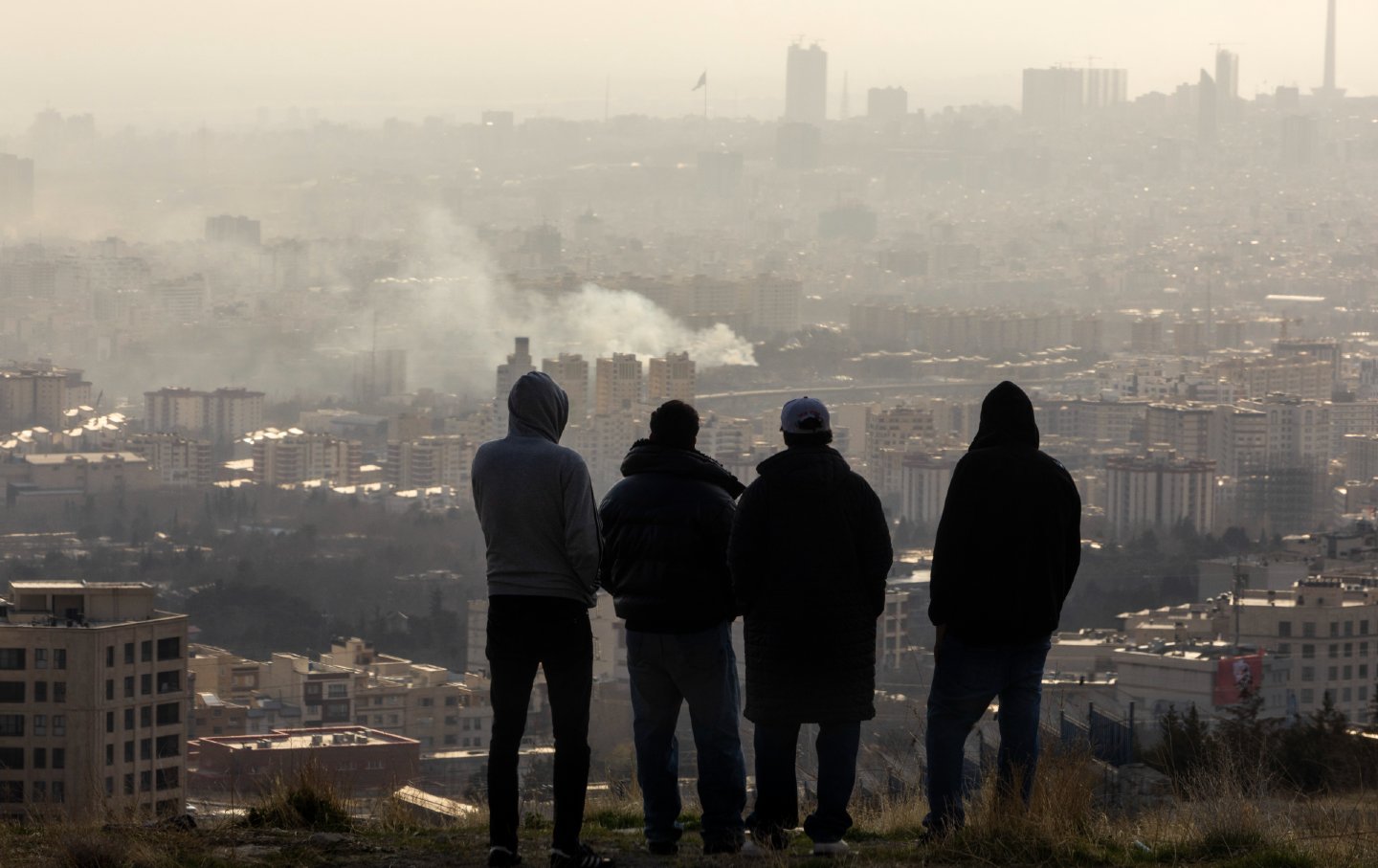
The Iran War Is Also a Climate War The Iran War Is Also a Climate War
Climate change is not a peripheral part of what we’re seeing in Iran—it’s structurally embedded in modern warfare.
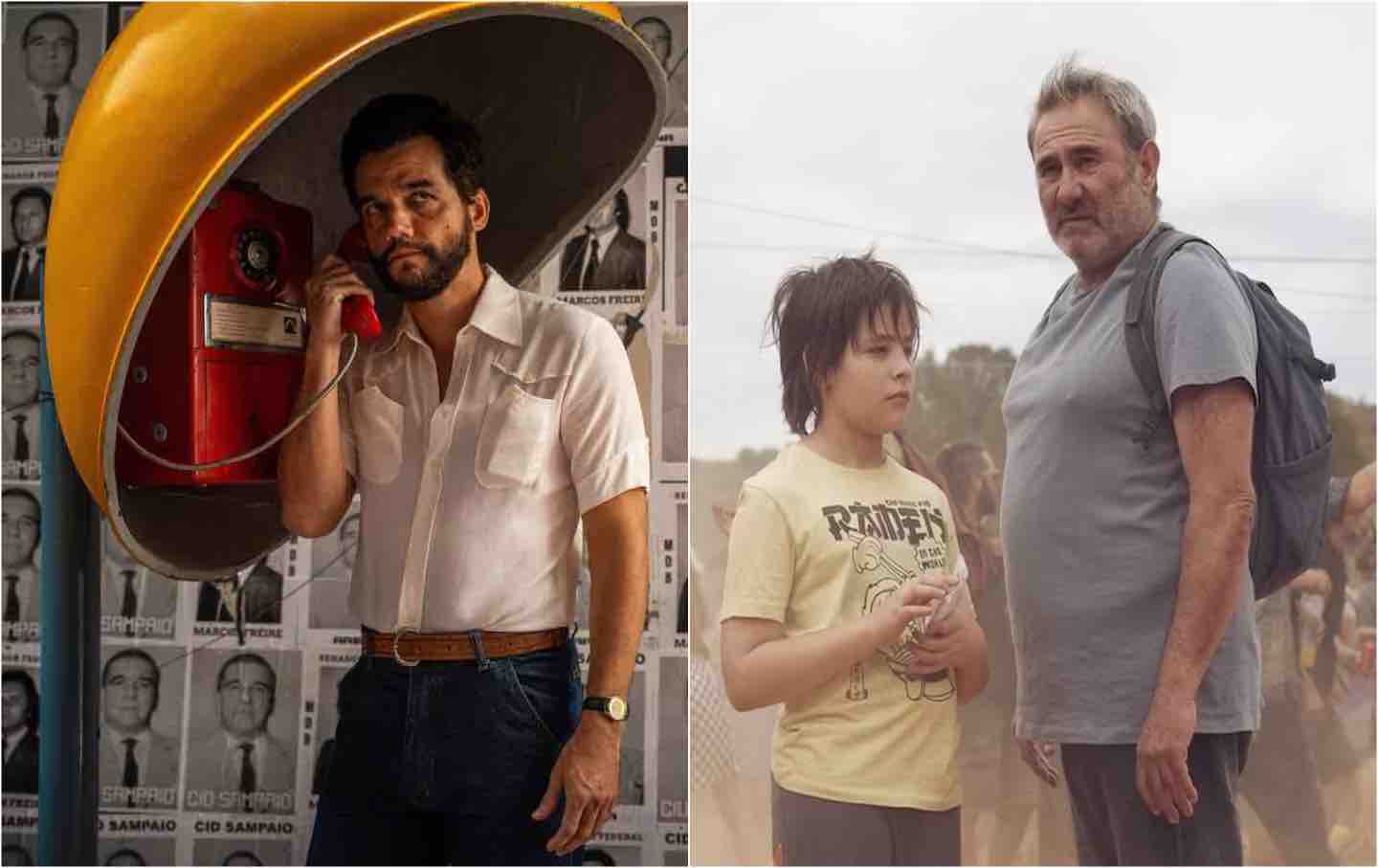
The Cinema of Societal Collapse The Cinema of Societal Collapse
This year’s Oscar-nominated international feature films—especially The Secret Agent and Sirāt—tackle what it means to live and die under tyranny.
Students in New York Are Going Hungry. How Can Mamdani Help? Students in New York Are Going Hungry. How Can Mamdani Help?
With plans for city-owned grocery stores and a focus on affordability, the new mayoral administration offers fresh hopes of successfully confronting the food crisis among students...
Garbage In, Carnage Out Garbage In, Carnage Out
The harrowing lessons of the Pentagon’s recently dissolved partnership with Anthropic.
The Iran War Could Be Catastrophic for the US-Israel Alliance. Good. The Iran War Could Be Catastrophic for the US-Israel Alliance. Good.
As Israel’s role in pushing the war with Iran comes into ever sharper focus, it’s up to us to turn outrage into change.

