
Cuba’s Humanitarian Crisis: The United Nations’ Response
The UN confronts a “perfect storm” of US-sponsored deprivation on the island.
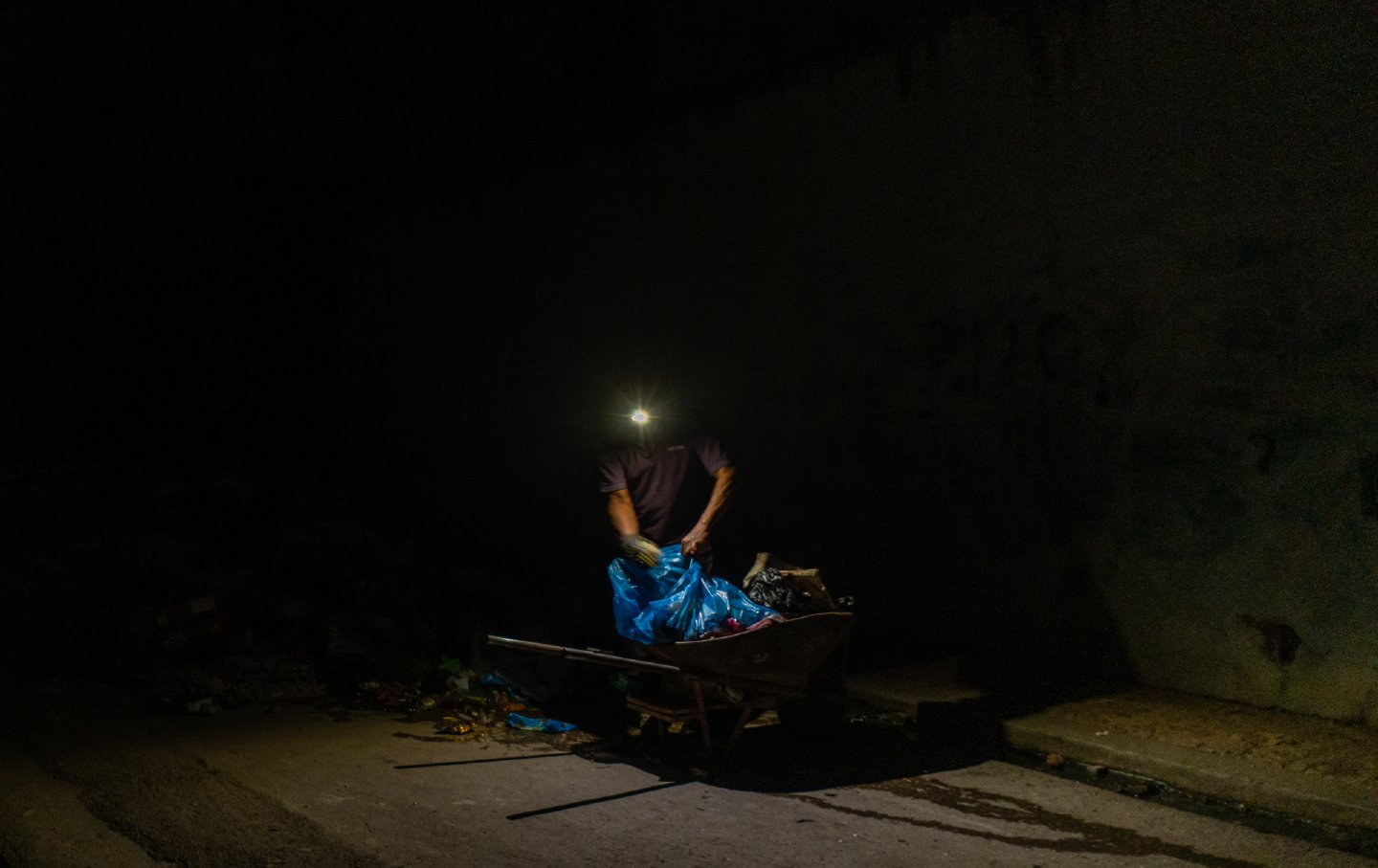
On June 8, United Nations High Commissioner for Human Rights Volker Türk issued a dramatic declaration, holding the Trump administration directly accountable for the escalating humanitarian crisis in Cuba. The crippling impact of the US oil blockade, and new sanctions driving foreign companies from the island, are creating what Türk called “a perfect storm for social and economic deterioration and suffering for the Cuban people.”
“Such severe sanctions packages that target entire sectors of an economy and produce broad, indiscriminate, and harsh effects on populations are incompatible with basic principles of international human rights law,” according to the UN human rights chief. “Children are dying because doctors lack access to essential medical supplies and medicines,” he stated. “This is unacceptable.”
Commissioner Türk’s denunciation of Washington’s “maximum pressure” policy has generated headlines throughout the world: “UN Rights Chief Urges US to Lift Cuba Sanctions”; “US Sanctions Against Cuba Are Endangering Lives and Must Be Lifted Immediately”; and “Children Are Dying: UN Human Rights Chief Demands Trump End Economic Assault on Cuba.” But behind the declarations, the UN is also attempting to rally the world community to assist Cuba as Trump’s punitive policies push that island nation toward the brink of socioeconomic collapse.
Toward that goal, the UN Office for the Coordination of Humanitarian Affairs (OCHA) has taken the lead. On June 4, Ghana’s Edem Wosornu, who serves as OCHA’s director of the Crisis Response Division, convened member states for a status report on the Cuba crisis. She shared observations from a recent fact-finding mission she had taken to the island, coordinated with officials from the World Health Organization and the Pan American Health Organization. “The word used in Cuba was ‘slowburn,’” she reported, “just having a slowness of a crisis that is compounding. And you could see it firsthand.”
Indeed, a series of PowerPoint slides presented during the meeting reflect what Wosornu called the “far-reaching consequences” of Cuba’s dire energy crisis—the scarcity of fuel and electricity since the Trump administration imposed an oil blockade last January. Statistics listed in “Humanitarian Impacts—Deteriorating Across Sectors” capture the grim situation currently faced by the Cuban people:
Health: Over 100,000 surgeries are delayed, including 12,000 pediatric procedures. Survival rates for children with cancer have fallen from 85 percent to 65 percent. Only 30 percent of essential medicines are available.
WASH: 2.7 million people affected by water shortages. The national water system is functioning with only 37 percent of its fuel needs. Eighty-four percent of water pumping runs on electricity.
Food: Food prices increased by 18 percent. Energy shortages are disrupting agricultural production, processing, refrigeration, and distribution. Food losses are rising, availability is shrinking.
Mental health and social fabric: Prolonged deprivation—no light, no water, no food security—is generating psychological distress and exhaustion, especially among children, the elderly, and caregivers.
And the suffering is likely to get far worse. There are “compounding risks ahead,” the presentation warned. Summer has begun and “rising temperatures are creating conditions for a surge in vector-borne and waterborne diseases—in a health system already stretched to its limits.”
OCHA has developed a $94 million action plan to “address critical humanitarian needs and sustain essential services for prioritized vulnerable populations” on the island. The UN mission is to provide emergency assistance to approximately 2 million Cubans in over 60 municipalities across the country, targeting the health, shelter, food, and education sectors for lifesaving support. Over the last several months, UN officials estimate that they have reached some 1 million Cubans with food and medical assistance.
But the UN plan faces severe “implementation challenges.” Major obstacles to financing, transporting, and distributing emergency assistance, according to the UN, derive from the Trump administration’s Machiavellian effort to cut off Cuba’s oil supplies and dissuade other countries from aiding the Cuban people. “External measures affecting Cuba, including unilateral [US] sanctions and other restrictions, have reduced the supply of oil and its derivatives. This disruption has triggered a severe energy shock, characterized by a critical fuel shortage affecting electricity generation, transportation, and essential logistics across the country,” states a summary of the Plan of Action. “Furthermore, fuel shortages are limiting the operational capacity of the United Nations system and its humanitarian partners to implement the response and deliver assistance, including supplies already in the country.”
“Fuel availability remains our most critical operational constraint to implementing the Action Plan,” according to the OCHA briefing papers, which cite “thousands of tons” of foodstuffs delayed in distribution to Cuban communities. “Beyond fuel, overcompliance and risk aversion among banks, shipping companies, and logistics providers are further reducing humanitarian operational space.”
Popular
“swipe left below to view more authors”Swipe →Moreover, the plan has yet to be fully funded by UN member states. Only $31 million of the $94 million budget has been raised to implement the UN emergency aid program to Cuba—with the European Community Humanitarian Office, the UN’s own Central Emergency Response Fund, Qatar, and Canada as the largest donors so far. In his presentation to the OCHA meeting, the UN’s resident coordinator in Cuba, Francisco Pichon, called on the international community to step up support for the UN humanitarian assistance program, assist its implementation by providing fuel to transport aid, and to “keep visible” the dire crisis in Cuba.
“We need to stand in solidarity with the Cuban people,” Pichon stated in his summary of the deteriorating humanitarian situation now unfolding on the island. “Because millions of people are facing a crisis that continues to deepen while their capacity to cope is diminishing.” The work of the UN “is not about politics,” he concluded. “Our work is about humanitarian action. And humanitarian action has to do with the rights of people to life and dignity.”
Become a Sustaining Donor This September
Between the reemergence of right-wing red-baiting and Donald Trump’s use of the chilling National Security Presidential Memorandum–7 to criminalize left political organizing, we’re seeing McCarthyism reborn before our eyes.
This assault on democracy cannot be ignored or wished away. Resisting it requires bravery in the face of threats and repression, a steadfast commitment to the truth, and the unwavering belief that we can—and will—overcome this darkness.
We must have an independent media that sets the record straight, unearths corruption and abuses of power, and advances a politics of justice and dignity for all if we’re to win this fight.
That’s why I’m writing to you today. This September, The Nation needs to add 100 monthly donors to sustain our progressive journalism. Your contribution makes the next investigative report, the next truth-speaking column, and the next pathbreaking essay all possible.
I hope you’ll support our work with a recurring donation today. If you donate $10 or more a month, we’ll send you a brand new “Hands Off the Free Press!” sticker to recognise your commitment to our cause. Please, donate today.
Onward,
Katrina vanden Heuvel
Editor and Publisher, The Nation
More from The Nation

Gloria Steinem: A View From 1990s Moscow Gloria Steinem: A View From 1990s Moscow
“Keep women’s solidarity in mind: Don’t forget how we empower each other through mutual support,” she reminded us.

Accountability for the Gaza Genocide Can’t Focus on Netanyahu Alone Accountability for the Gaza Genocide Can’t Focus on Netanyahu Alone
Getting rid of one bad leader won’t bring justice.
How the AfD Benefits Politically From the Ukraine War’s Backlash How the AfD Benefits Politically From the Ukraine War’s Backlash
No election result is monocausal, and there are clearly many factors that have converged to make the AfD Germany’s most popular party.
Cuba: The “Pandora’s Box” of US Humanitarian Assistance Cuba: The “Pandora’s Box” of US Humanitarian Assistance
As the US strangles Cuba economically, Marco Rubio is running a $100 million “hearts and minds” program on the island.
The Palestine of Soraya Antonius and Annemarie Jacir The Palestine of Soraya Antonius and Annemarie Jacir
In The Lord and in Palestine ’36, the story of Mandatory Palestine comes into focus.
Let Them Eat Spreadsheets Let Them Eat Spreadsheets
How the EU is contributing to the rise of Europe’s far right.

