If the War Between Israel and Iran Continues, the US Should Stay Out of It
US security is not at stake—no matter how many times Netanyahu goes on US television to claim otherwise.
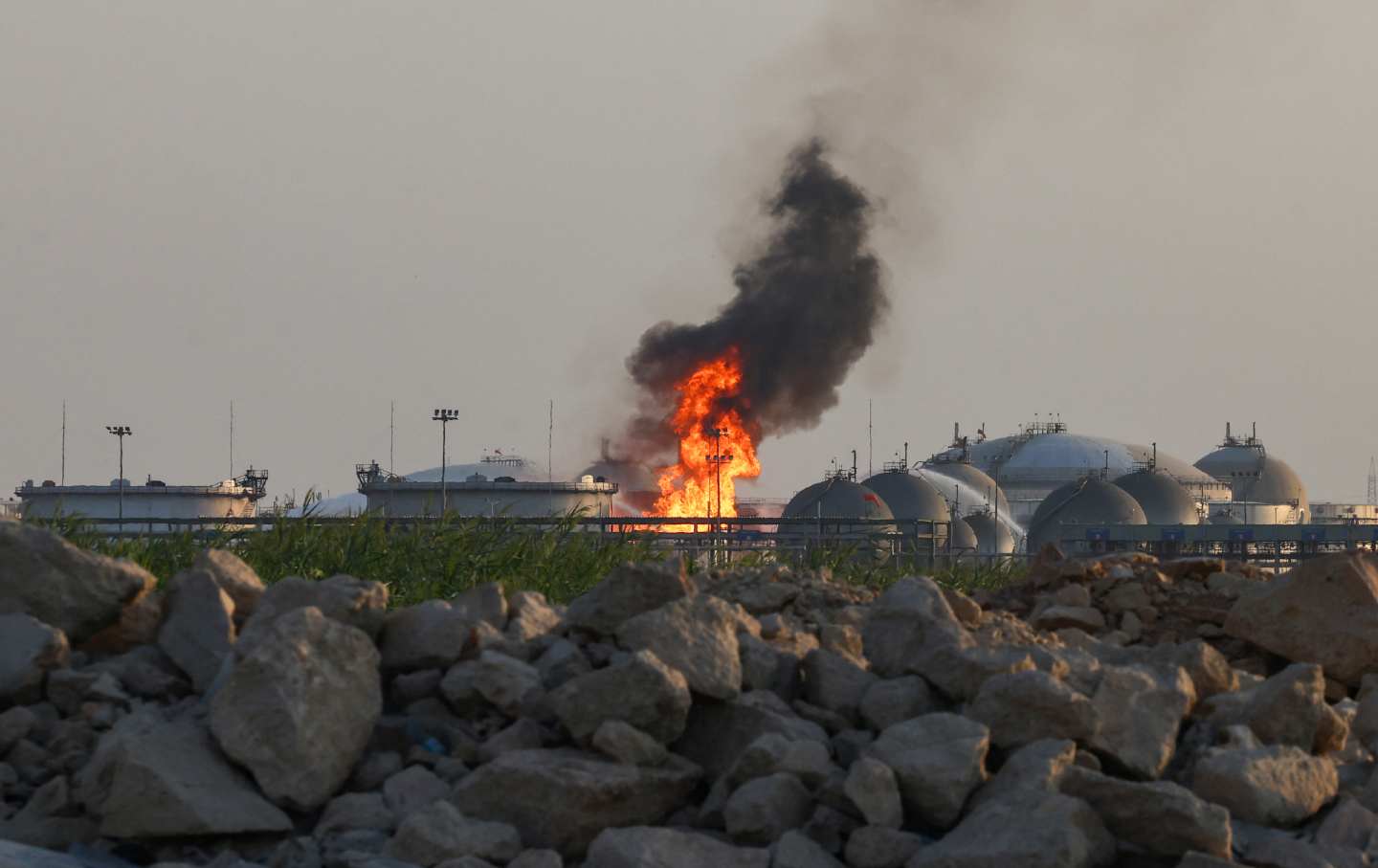
From a purely tactical standpoint, Israel’s multi-day military operation against Iran has been stunning in its execution. Much like Hezbollah was caught off-guard during the Mossad’s covert pager-attack last September, the Iranian security services found themselves flat-footed as Israeli intelligence agents infiltrated Iranian borders, smuggled parts for explosive-rigged quadcopter drones in suitcases and tracked down the locations of senior Iranian military figures. Many of Iran’s senior officers—Islamic Revolutionary Guard chief Hossein Salami, Iranian armed forces chief of staff Mohammad Bagheri and IRGC Air Force commander Amir Ali Hajizadeh, to name just a few—have been killed. Iran’s air defense network is in tatters, with the Israel Defense Forces claiming it enjoys air superiority over Tehran, the Iranian capital. And while Iran’s enrichment facility at Fordow hasn’t been breached, the above-ground section of the Natanz site is now destroyed according to the International Atomic Energy Agency.
Israeli Prime Minister Benjamin Netanyahu is quite pleased with how operations are going and is threatening even bigger strikes against Iran’s nuclear, military and economic targets. “We will hit every site, every target belonging to the ayatollahs’ regime—everything that they’ve experienced until now will be nothing compared to what they will feel,” he told the Israeli public on June 15.
These are certainly ominous words directed at the Iranians. But they are quite ominous to President Trump as well. Although the United States has assisted Israel with air defense by shooting down Iranian ballistic missiles and drones heading toward Israeli airspace, the Trump is rightly choosing not to get involved with Israel’s offensive operations and at times is serving as a break on Israeli plans, most notably when Washington registered its disapproval of an Israeli plot to assassinate Iranian Supreme Leader Ayatollah Ali Khamenei. Indeed, the notoriously frenetic Trump has been relatively disciplined with his message: Iran shouldn’t think about targeting US forces in the Middle East unless it wants to get a bloody nose, and the United States would prefer Israel and Iran to strike a peace than continue the war. As if to underscore the point, the State Department issued a directive this week to all US embassies and consulates to reiterate to host governments that Washington “is not involved in Israel’s unilateral action against targets in Iran,” a reflection that Trump has no intention of thrusting the US military into what would be its sixth war in the greater Middle East in nearly a quarter of a century.
Trump, however, needs to hold firm to this position. Unfortunately, the longer the war between Israel and Iran goes on, the more susceptible the administration might be to joining the conflict as a belligerent. Israel has already pressed US officials to participate offensively, most likely because the Israeli army doesn’t possess the munitions required to destroy Iran’s Fordow uranium enrichment plant, which is buried a half-mile underground. Netanyahu kept up the pressure over the weekend, taking to Fox News, Trump’s favorite cable news network, to remind everybody watching that Iran tried to assassinate Trump twice. The television spot should be described for what it is: a highly transparent attempt by Netanyahu to enlist America into his preventive (not preemptive) war.
Fortunately, the White House is resisting the overtures—for now. It’s incumbent upon Trump to remain at arm’s length from this war, if only because the costs of intervening outweigh any perceived benefits the United States would get in return.
For starters, it’s important to understand just how different Israeli and US policy is with respect to Iran right now. Based on his public comments to date, Trump largely views Israel’s ongoing air campaign in Iran as the epitome of coercive diplomacy—that is, using Israel’s military force to compel Khamenei to authorize new negotiations about Tehran’s nuclear program with Washington. Trump is in essence playing good cop to Israel’s bad cop and sending the clear message to the Iranians that they have two choices: return to negotiations or continue to suffer further strikes at the hands of the Israelis. The endgame for Trump is a better nuclear deal than what he could have gotten before Israel opted for war (although this hypothesis is based more on assumption than fact).
Netanyahu, however, has goals that are far more ambitious. Although the Israeli premier is justifying the war as a necessary effort to eliminate or at least severely curtail Tehran’s capacity to dash for a nuclear bomb, the aims are broader. It’s just as plausible, if not more so, that Netanyahu is using the Iranian nuclear issue as a smokescreen to pummel the Iranian regime to the point where it either hobbles from within or instigates a popular anti-government rebellion. Whether or not either of these two scenarios are even remotely feasible is a separate question; the important part is the Israeli government appears to believe it. The wide scope of Israel’s target list, including strikes on Iranian energy sites, military headquarters and senior Iranian military officers, suggests that Netanyahu sees an historic opportunity to disarm Israel’s most significant regional adversary.
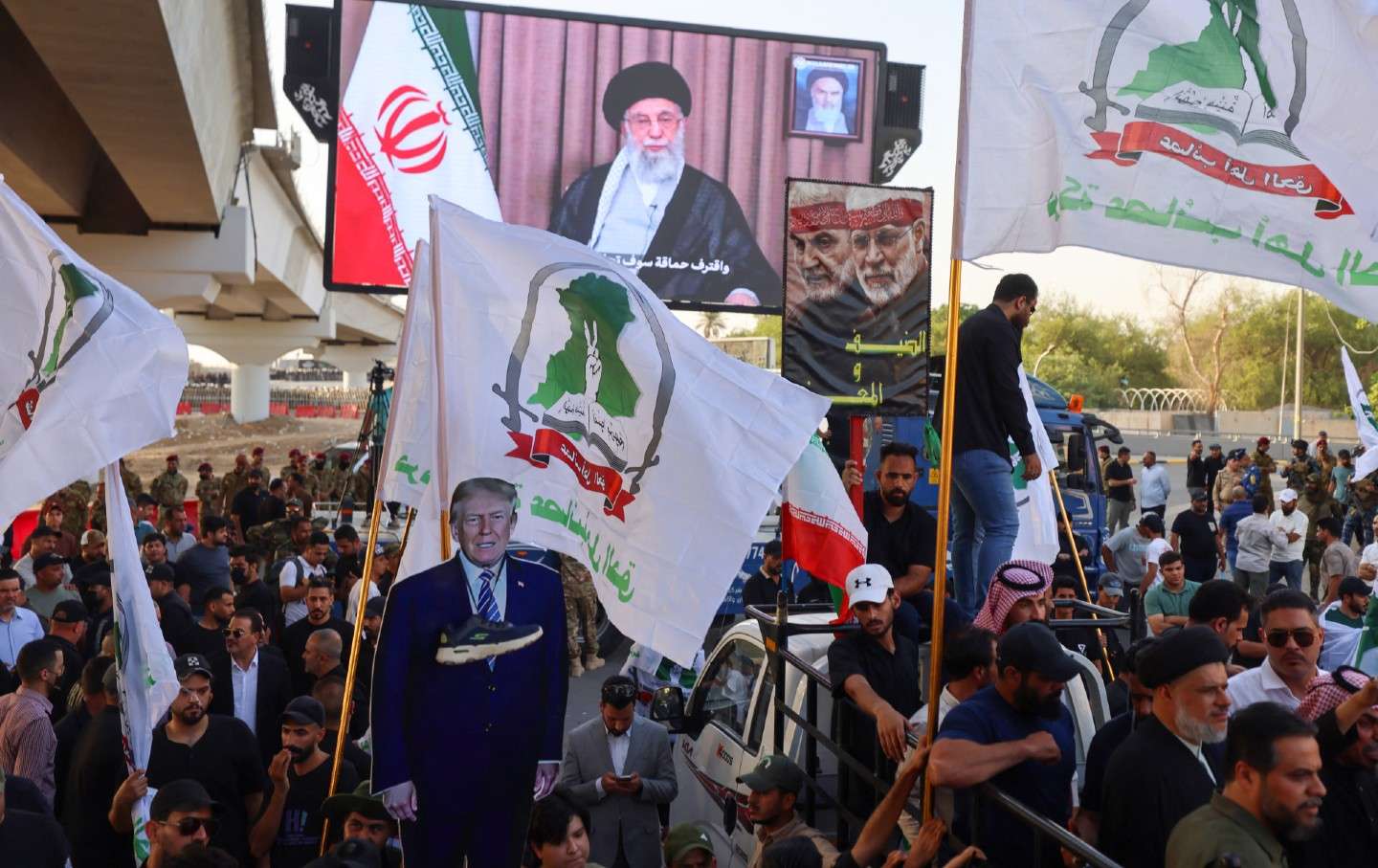
Why does any of this matter for the United States? Simply put, because there are approximately 40,000 US troops stationed across various bases in the Middle East, a good portion of which are susceptible to Iranian ballistic missile attacks. So far, the Iranians have had their hands full and have determined that expanding the war to US troops is likely to result in more US military intervention, not less. With the exception of an isolated drone attack in Iraq by Shia militias that was quickly neutralized, US forces scattered in Iraq, Saudi Arabia, the UAE, Bahrain, Jordan and Qatar haven’t been targeted. The threat to US servicemembers, however, goes up appreciably if Trump grants Netanyahu what he’s asking for: US offensive action against Iran. And this, in turn, would usher in a snowball effect with unpredictable consequences. Any Iranian attack on a US military installation would most likely force Trump to retaliate in kind, creating a situation whereby Washington and Tehran move up the escalation latter. In that contingency, opportunities to find a way out of a wider conflict become increasingly difficult to grasp.
There are also political repercussions to consider as well. For all his faults, Trump was correct is stressing the futility, wastefulness and strategic idiocy of past US wars in the Middle East, which lasted too long, placed US troops in unenviable situations with little chance of success and, in the case of the 2003 war in Iraq, actually shifted the region’s balance of power closer to Iran’s side of the ledger. Authorizing US airstrikes on Iran would be akin to throwing all those campaign promises out the window and expose Trump as being no more averse to unnecessary war than his predecessors were.
If the war between Israel and Iran persists, the United States should stay out of it. US security isn’t at stake no matter how many times Netanyahu goes on American television to claim otherwise.