
People Say We’re Not Starving In Gaza. How Dare They?
Starvation is everywhere you look here. Denying that is beyond shameful.
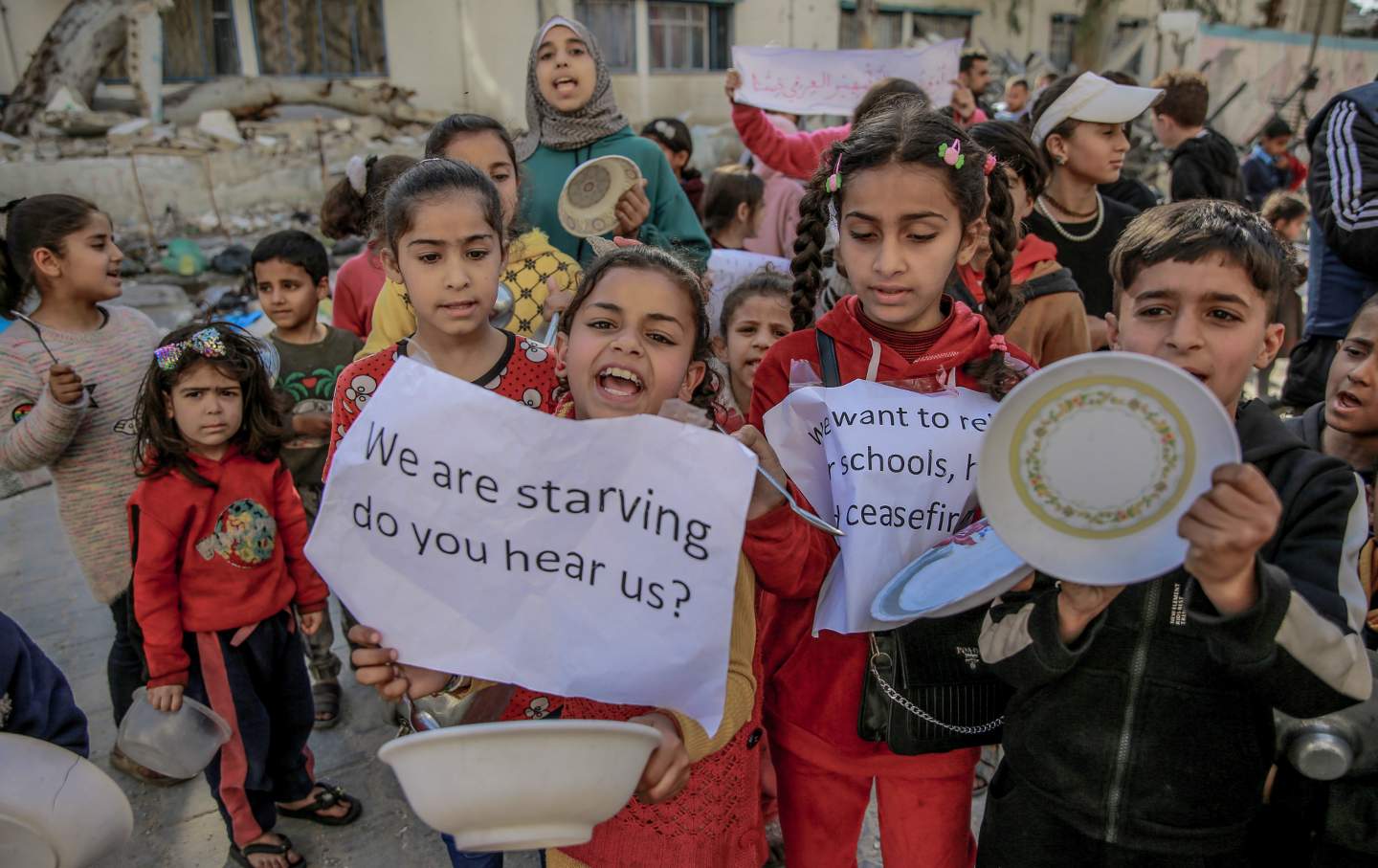
Palestinian children holding banners and empty bowls, gather to protest the food shortages in the city due to Israeli attacks and demand a cease-fire in Gaza City, Gaza, on March 12, 2024.
(Omar Qattaa / Anadolu via Getty Images)About three weeks ago, my parents, my two-and-a-half-year-old son, and I were diagnosed with malnutrition. Like so many other people in the north of Gaza, we have had to deal with extreme levels of exhaustion, dehydration, anxiety, and weight loss. Every day is a fight against starvation and disease. I have had the most severe symptoms, including kidney problems. But the emotional trauma that comes from seeing my child and parents in need of food and essential nutrients like dairy and protein supplements and being unable to provide anything for them is just as bad.
Every day starts with the same challenge: make it to the next day. We stumble through the destroyed city desperately trying to find food and wood to burn so we can cook what we get. Gas, electricity, and other basic supplies aren’t available.
No matter how much we try, we don’t have enough to keep us healthy. In the morning, I queue for hours to get our gallons filled with water. After midday, I attempt to find my family medication and food. Most of the time, I fail to get any of it. Finding clean drinking water is an extra burden, and usually an impossibility. We are forced to drink tainted water and to accept a trap we have no way out of: The same thing that is helping us stave off dehydration is also infecting our bodies and hurting our stomachs.
As the world knows, Israel has choked off most of the aid that could reach us. The little that does make it to the north can’t possibly meet the needs of the hundreds of thousands of starving people living here. Besides, it can be a fatal risk to try and get aid. The horrific “flour massacre,” in which Israeli soldiers fired on hundreds of people trying to get flour for their families, is evidence of that. (I had thought about going to that aid convoy, but luckily decided against it.)
But it is not just Israeli aggression that endangers us. People have been killed by mishandled air-dropped aid packages. They have drowned in the sea trying to recover aid that was dropped in the water. Even the things that are supposedly there to save our lives are killing us.
Every day, I look at my son’s face and wonder if I will ever be able to get him enough food, or even milk. Will there ever be a night where he doesn’t cry himself to sleep with hunger? Will there ever be a day when he has had enough to eat? I try to keep him cheerful even as he goes hungry. I try to put a smile on his face even when there are no reasons for any of us to be smiling. I try to keep him, and my family, safe from everything that’s happening, even though there is no way for us to be truly safe right now. I feel weak, and helpless, and naïve, over and over again. And the world is watching all of this happen—watching us slowly die. The only conclusion we can reach is that our lives don’t matter all that much.
Israel and some of its supporters are working hard to pretend that none of this is happening. Benjamin Netanyahu says there is no starvation in Gaza. Palestinian Israeli politician Ayman Odeh was forcibly stopped from speaking in the Knesset after he referenced the hunger crisis. And, in the United States, the lobby group AIPAC has been pushing talking points saying that “reports that people are starving in Gaza are false.”
How dare they? At least 23 children have died from malnutrition in northern Gaza. Even the US State Department says that famine could be setting in. It is a hideous lie to say otherwise.
But you don’t need statistics or outside experts to know the truth. You just need to look at us. I want to tell these people to come to Gaza and try to spread these lies to our faces. They will see what we know: Starvation is widespread here. You can see it in our faces as you walk down the street. Nobody looks the same anymore. The toll that lack of food has taken could not be clearer.
When people deny that we are starving and dying, they are denying our very humanity—our right to the universal values of freedom, equality, and peace. We are being erased from history and existence. If that fact isn’t enough to end this nightmare—if we can’t even have our suffering acknowledged—then we should all stop pretending that we are humans who care for each other equally.
We who are left here in Gaza yearn for the day when we have the chance to live fully normal lives in our own homes and lands. Right now, our lives are pure agony. But we are determined to resist the drive to exterminate us, and to attain our basic human rights. It sometimes feels as though there is nothing to hope for right now. But in the moments that hope creeps through, it is the hope that we can one day be free, equal, and at peace—not better than anyone else, but just like people everywhere.
More from The Nation
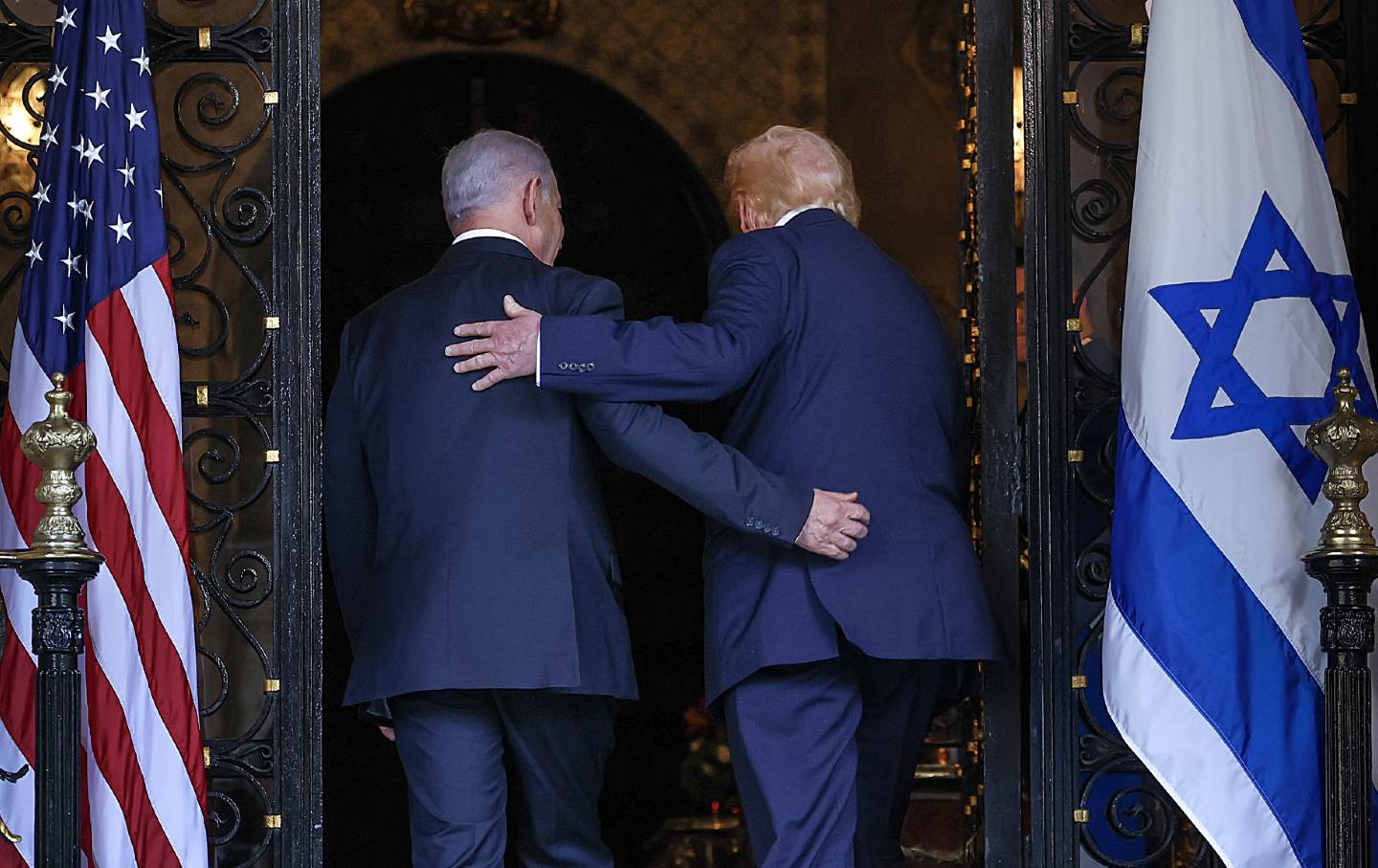
The Iran War Could Be Catastrophic for the US-Israel Alliance. Good. The Iran War Could Be Catastrophic for the US-Israel Alliance. Good.
As Israel’s role in pushing the war with Iran comes into ever sharper focus, it's up to us to turn outrage into change.

An Unlawful War An Unlawful War
The precedent being set by the US in launching this war of aggression against Iran will long live in infamy.

Trump and Netanyahu Want to Turn Iran Into a Failed State Trump and Netanyahu Want to Turn Iran Into a Failed State
This war looks designed to cause maximum chaos and instability. The world will pay a high price.

The War on Terror Paved the Way for Trump’s Rise—Now He’s Making It His Own The War on Terror Paved the Way for Trump’s Rise—Now He’s Making It His Own
Only the total abolition of the DHS can restore freedom.
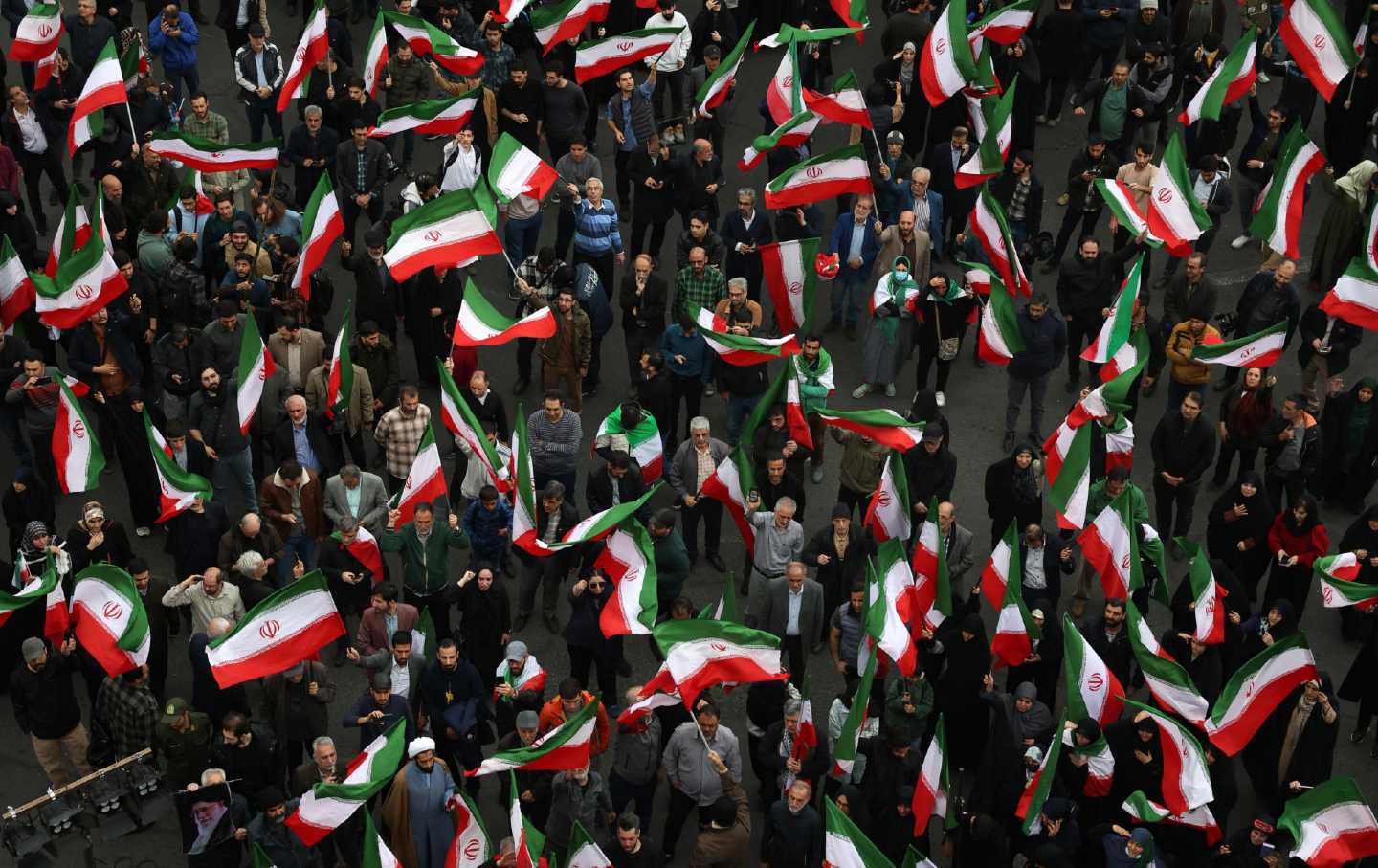
The Iranian Voices America Isn’t Hearing The Iranian Voices America Isn’t Hearing
We need to listen to those who oppose both the Islamic Republic’s authoritarianism and foreign military escalation.
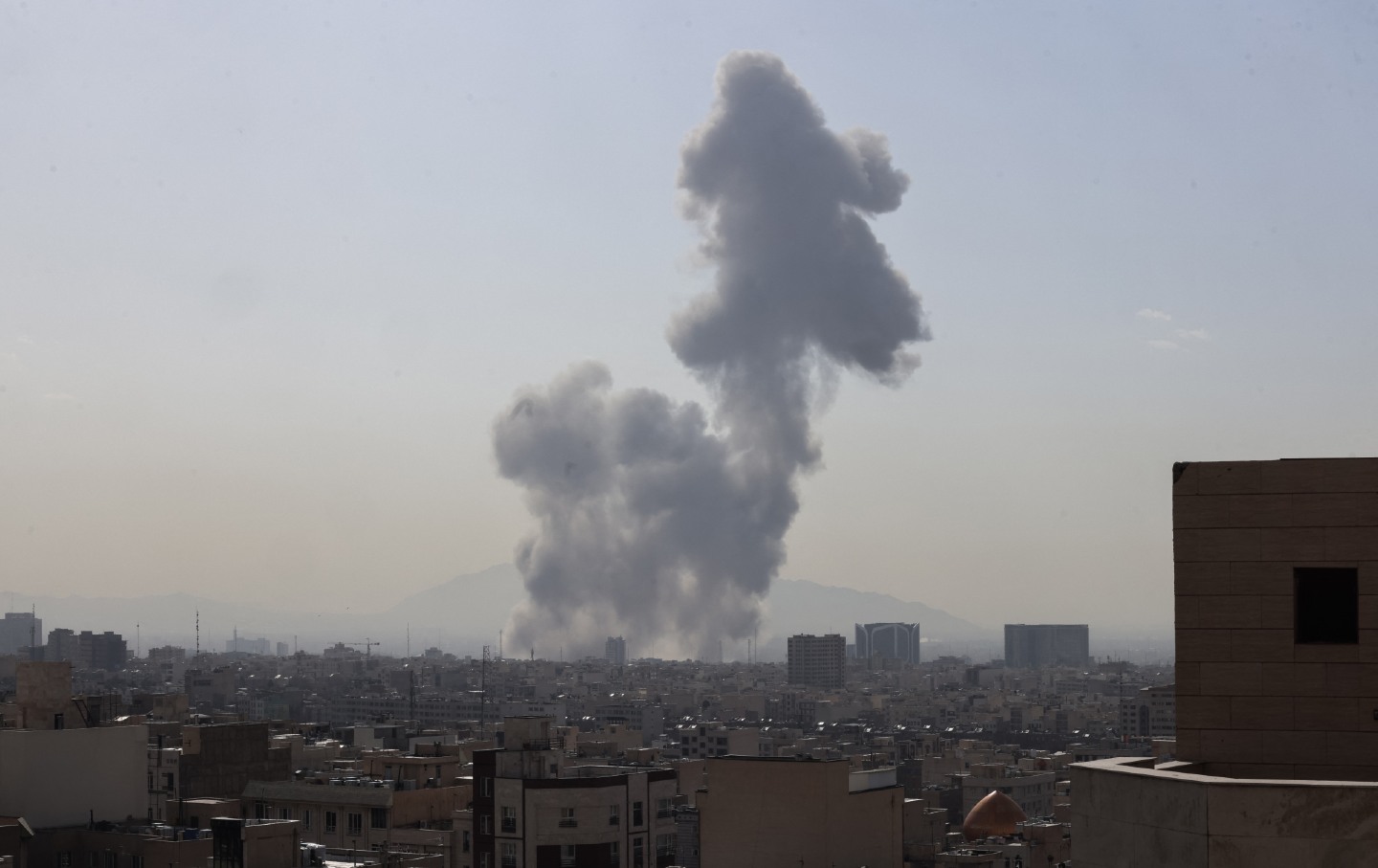
The US Attacks Iran in a War of Aggression The US Attacks Iran in a War of Aggression
The US has waged many wars—but this is one of the most senseless we've ever seen.

