
Vaccines Work!
Want an easy way to protect yourself, your loved ones, and your community? Make sure you get your shots.
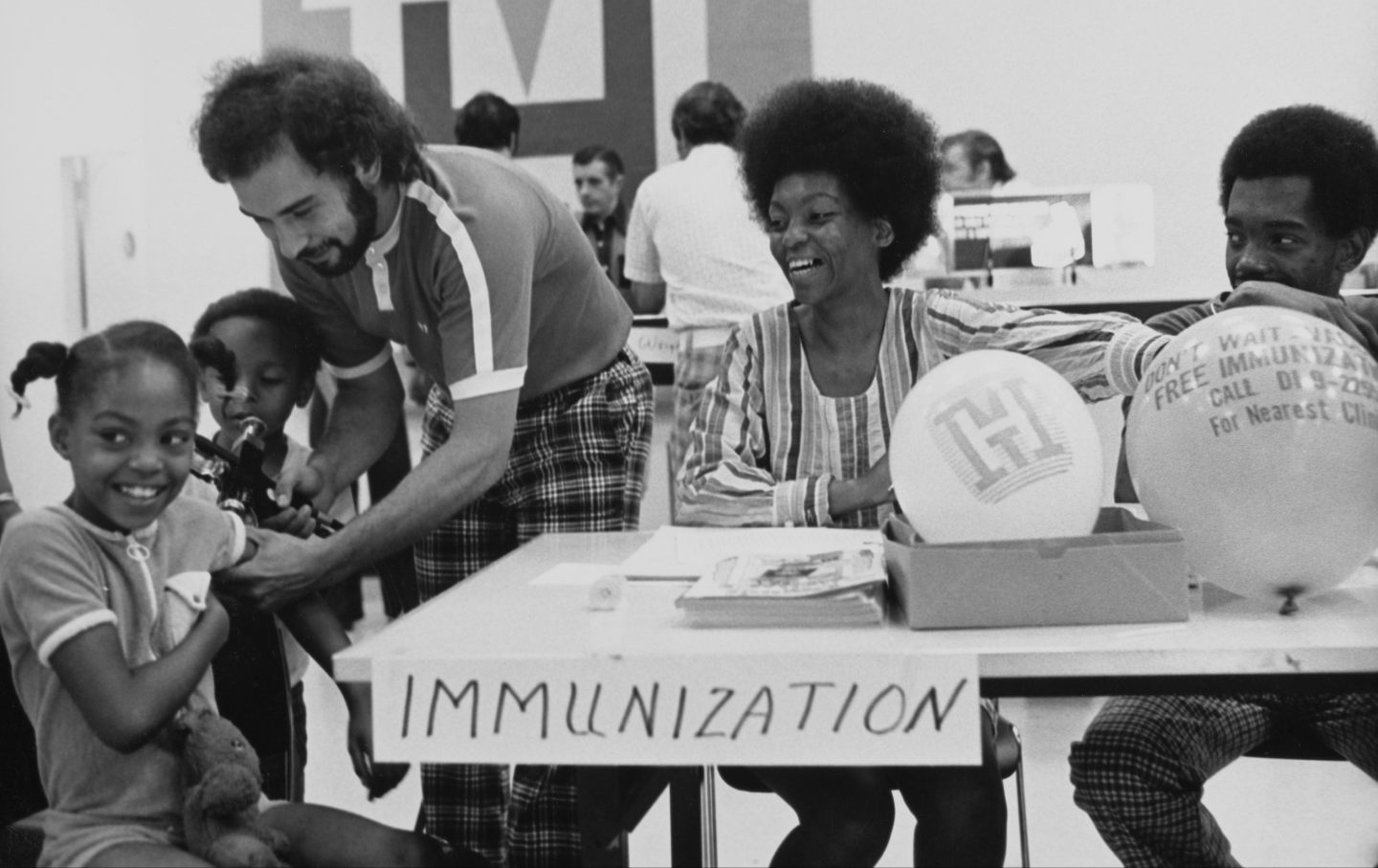
Here’s some good news: Vaccines work. I don’t believe many people think about what life was like before vaccines existed for many commonly preventable viruses. We’re not talking about the Middle Ages—we’re talking about the 20th century, when diseases like polio struck fear into Americans from coast to coast.
My father contracted polio when he was a child. My mother-in-law did, too. Only a few decades ago, it was common for cities to close schools, churches, public pools, and movie theaters when the virus was in town.
Of course, we don’t have to go that far back to remember that kind of panic and anxiety. Recall the first few weeks of the Covid pandemic, and you can get a sense of what life was like in the pre-vaccine era.
But vaccines don’t save lives on their own. Vaccinations do. People have to actually get the vaccine for the magic—OK, the biology—to happen. And we need as many vaccinations as possible to make sure we can protect even those who may not be vaccinated by the virtue of herd immunity, in which we cut off chains of transmission in our communities.
Now, some more good news: You can make a difference right now. It’s the start of respiratory virus season, and we have vaccines for the biggest enemies facing us this fall and winter: Covid, flu, and RSV (respiratory syncytial virus). Everyone should get their Covid and flu vaccines by the end of October—you don’t want to wait too long, as it takes a few weeks for the vaccines to kick in. You’ll reduce your odds of getting sick or ending up in the hospital, and you’ll protect those around you at the same time.
Older people should consider getting the RSV vaccine, and as infants are at risk, people in weeks 32 through 36 of their pregnancy should consider it as well.
And the good news keeps on coming. While you’re getting up-to-date on your seasonal vaccines—Covid and flu—it’s a good time to make sure you’re up-to-date on the rest of your immunizations. If you haven’t had your T-DAP booster in the past 10 years, you should get that, too. No one wants tetanus from a rusty nail, after all.
There are other vaccines you should consider, depending on your circumstances. The CDC has a handy “Recommended Vaccines for Adults” guide to help you make sense of it all—though it’s equally important that your kids get their shots as well. (We don’t need to see more outbreaks of measles and mumps in the 21st century.)
Why talk about this? Because this particular fight is never over. In the 2022–23 flu season, infections led to an estimated 14 million medical visits, 360,000 hospitalizations, and 21,000 deaths. Yet on average during the same flu season, less than 50 percent of adults got the shot, with immunization rates below 40 percent in Idaho, Mississippi, Nevada, Texas, and Wyoming. Think about how many lives could have been spared if more people had been vaccinated.
Covid is also not going anywhere. We had a wave this summer and will likely have another this winter. If we didn’t get it ourselves, most of us know friends, family, or colleagues who have had it recently.
We’re not in a 2020-style crisis, but the virus continues to disrupt—and take—our lives. Since last September, we’ve had over 50,000 confirmed deaths from Covid in the United States. Yet the number of people who are up-to-date on their Covid vaccines is startlingly low, and most people have stopped taking other preventive measures as well.
Getting the shots is one thing we can all do to protect ourselves, our loved ones, and our communities.
Yes, there are barriers. Almost all insurance covers standard immunizations, and there are programs for the uninsured for most vaccines. But for those who fall through the cracks, a vaccine could cost hundreds of dollars.
This is a scandal: The high cost is an insurmountable barrier for some and a strong, stark disincentive to get immunized for many.
Our state and federal governments have simply failed to do the right thing in this area. All critical immunizations—including for Covid—should be cost-free and accessible for everyone.
In the face of these challenges, those who can get easily vaccinated need to do so—and we should all be trying to lower the barriers to access for everyone, no matter their circumstances in life.
We also need to push back against the misinformation on vaccines spreading in the US. (Can anyone say “RFK Jr.”?) So I’ll say it again: Vaccines work.
Not only that, but they are remarkably safe. While there are side effects, they are mild for most people, and severe reactions are rare; vaccine safety is continuously monitored, and the benefits of vaccination vastly outweigh the risks.
We don’t need to have a wave of deaths during respiratory virus season this winter. We can blunt fatalities by doing our part.
Popular
“swipe left below to view more authors”Swipe →Vaccination has made our lives better. It’s a cause for celebration and for taking action together. So spread the good news—and get your shots.N
More from The Nation

The Endless Hypocrisy of Bari Weiss The Endless Hypocrisy of Bari Weiss
She claims to be a free speech champion. But as her actions at CBS News keep showing, she seems to think free speech should run only in a rightward direction.
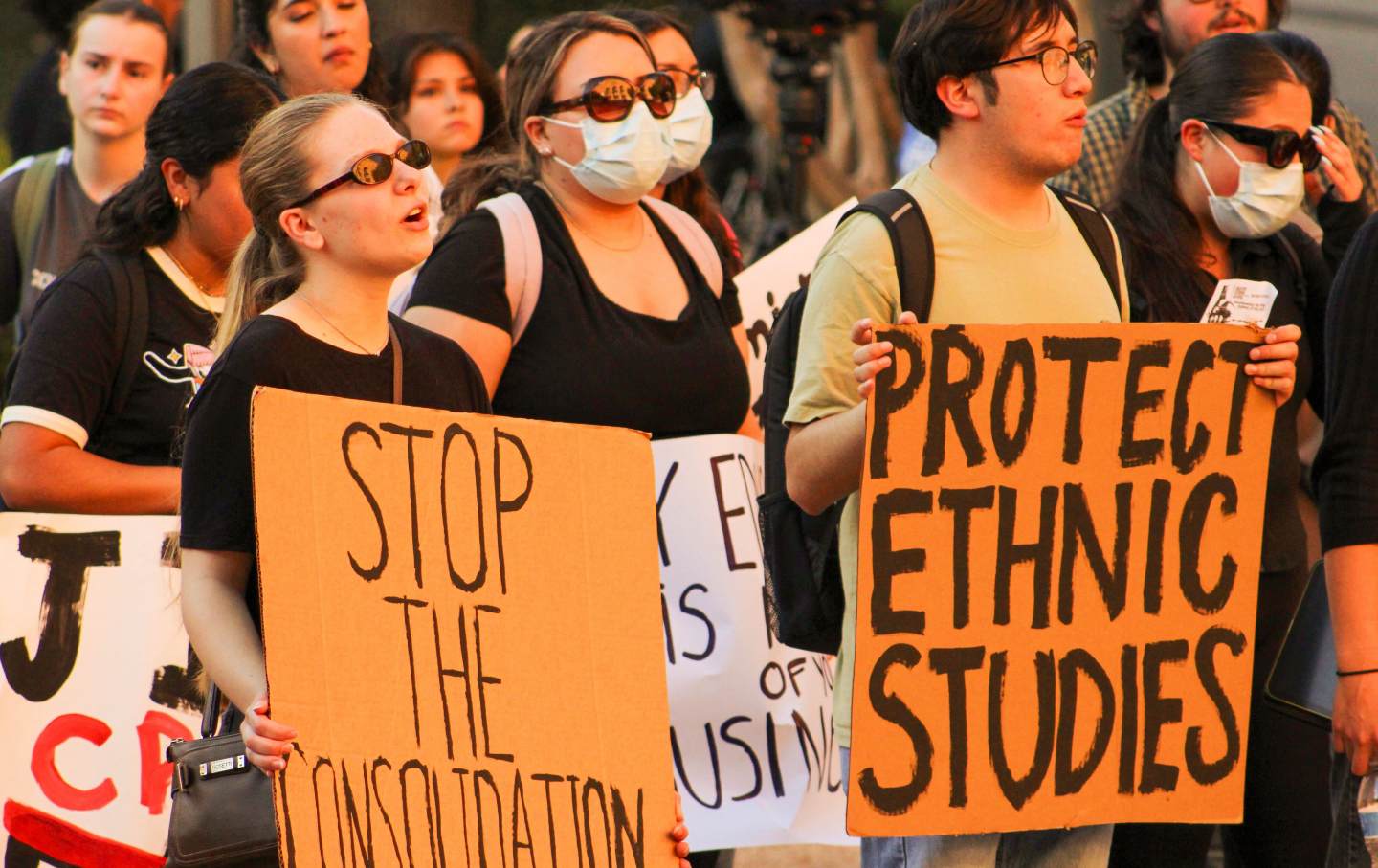
What Will Be Left After the University of Texas Destroys Itself? What Will Be Left After the University of Texas Destroys Itself?
UT-Austin has collapsed its race, ethnic, and gender studies into a single program while a new policy asks faculty to avoid “controversial” topics. But the attacks won’t end there...

The Corporate Media Is Head Over Heels for the Iran War The Corporate Media Is Head Over Heels for the Iran War
Donald Trump’s attack may be surreal, unjustified, and illegal. But that’s not stopping the press from turning the propaganda dial way up.

The Disturbing History of ICE’s “Death Cards” The Disturbing History of ICE’s “Death Cards”
The Vietnam-era practice is yet another example of ICE agents thrilling to the brutality they have been encouraged to cultivate.
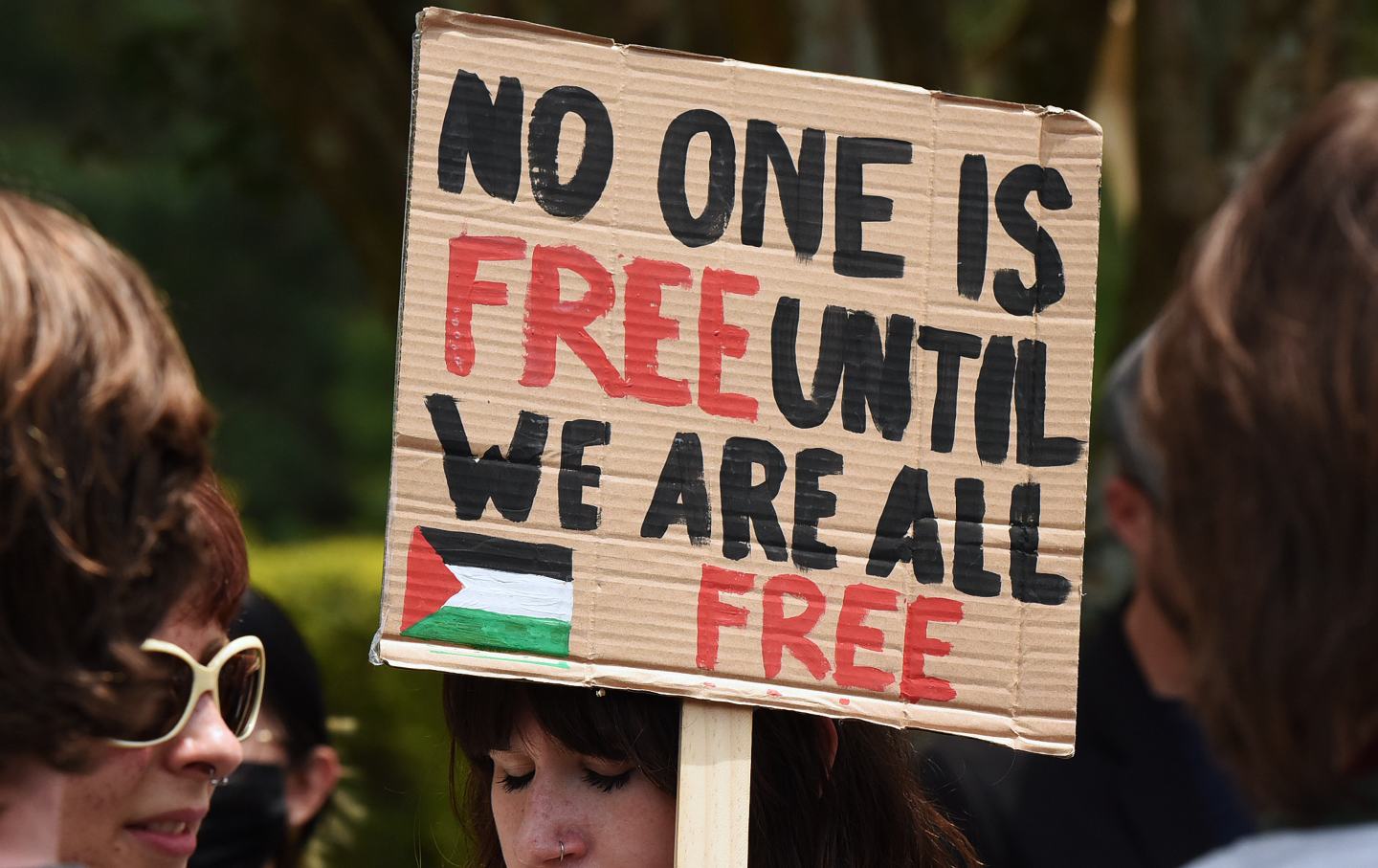
The American Universities Programming Israel’s Killer Drones The American Universities Programming Israel’s Killer Drones
Industry partnerships in higher education are pushing STEM graduates into the business of weapons manufacturing and genocide profiteering.

The Red State–Blue State Healthcare Divide Is Dangerous for Everyone The Red State–Blue State Healthcare Divide Is Dangerous for Everyone
Whether or not you have access to independent, scientifically sound public health guidance may depend on how your state voted for governor.

