
When Government Fails, Working People Pick Up the Slack
This is happening in every working-class and poor community across the country.
“I am so proud of us,” my neighbor says to the room, her hand on her heart. She swallows the last word like she’s about to cry.
It’s fall but still hot in North Carolina. I’ve abandoned my usual T-shirt for a dressy sweater, and I’m regretting it. We are packed into a school cafeteria. Young couples, a few teenagers, grandparents towing their grandchildren behind them, filling in for caretakers while parents work second shift.
My neighbor takes her seat as applause echoes off the cinderblock walls and out the door into the warm evening air.
We’ve invited the Greensboro City Council to the cafeteria to explain why we want 40-some low-income senior housing units at the heart of our neighborhood. We’ve turned out in spades. Neighbor after neighbor stands up to explain: A father holding his infant daughter says the boardinghouse next to him houses mostly elderly people who are frequently evicted when they fall behind on weekly rent; a nurse describes the substandard housing conditions he sees walking the neighborhood; a teacher explains how some people are renting porches and sheds just to have a roof over their heads.
I think of the family around the corner from me: four generations piled together in a dilapidated three-bedroom house. About a year ago, someone from the overpacked house began to sleep in a car parked out front, towels draped over the windows for privacy.
I’m proud of us, too. So many neighborhoods would resist more affordable housing; they say it decreases property values and invites riffraff. Given Greensboro’s desperate need for more affordable units, it’s wild to me that we’ve had to spend months pressuring the City Council to choose affordable senior housing over privately owned market-rate apartments that even I couldn’t afford.
Here we are, a packed cafeteria, saying, “Yes please in my backyard.”
But as nice as my neighbors are, we aren’t saints. Our campaign to have affordable housing built here isn’t about altruism but about protecting ourselves.
We are a low-income neighborhood; most of us work in the trades, the service industry, or in jobs that require degrees like teaching and social work but still pay very little. The economy looms over us; when it falters, we feel it first. Even if we, personally, are still OK, the impact brushes up against our lives. When our neighbors fall behind on rent and get evicted, they move into our spare rooms. When gas prices go up, we leave the house early to carpool to help a friend save money. Over the years, I’ve shared food with a neighbor out of work, watched children for people who can’t afford childcare, and loaned my car a million times.
I should be grateful for the opportunity to care for others—and mostly, I am. But I also feel tired and nervous when it seems like it’s all on us. When our government doesn’t step up, poor and working-class people are not just the ones hurt but are also left trying to make things right.
This is happening in every working-class and poor community across the country.
Michaela Merz, of Chaves County, New Mexico, insists she isn’t “a bleeding heart liberal.” But when I met her, she was sitting in the corner of a Salvation Army pancake breakfast with her medevac kit. First trained in search and rescue to find people lost in the desert, Michaela noticed that people in town had similar medical needs: dehydration, heat exhaustion, minor injuries that, if left untreated, could worsen. They also lacked primary care doctors or insurance. So Michaela created Pecos Valley Public Services, an all-volunteer, free EMT service for low-acuity medical needs.
Recently, a Facebook post caught my eye: PVPS carefully and diplomatically alerted its followers that Medicaid changes on October 1 would affect thousands of New Mexicans. While the post was written as a PSA, encouraging residents to check their paperwork to confirm their status, I read between the lines: Michaela is bracing to absorb the fallout.
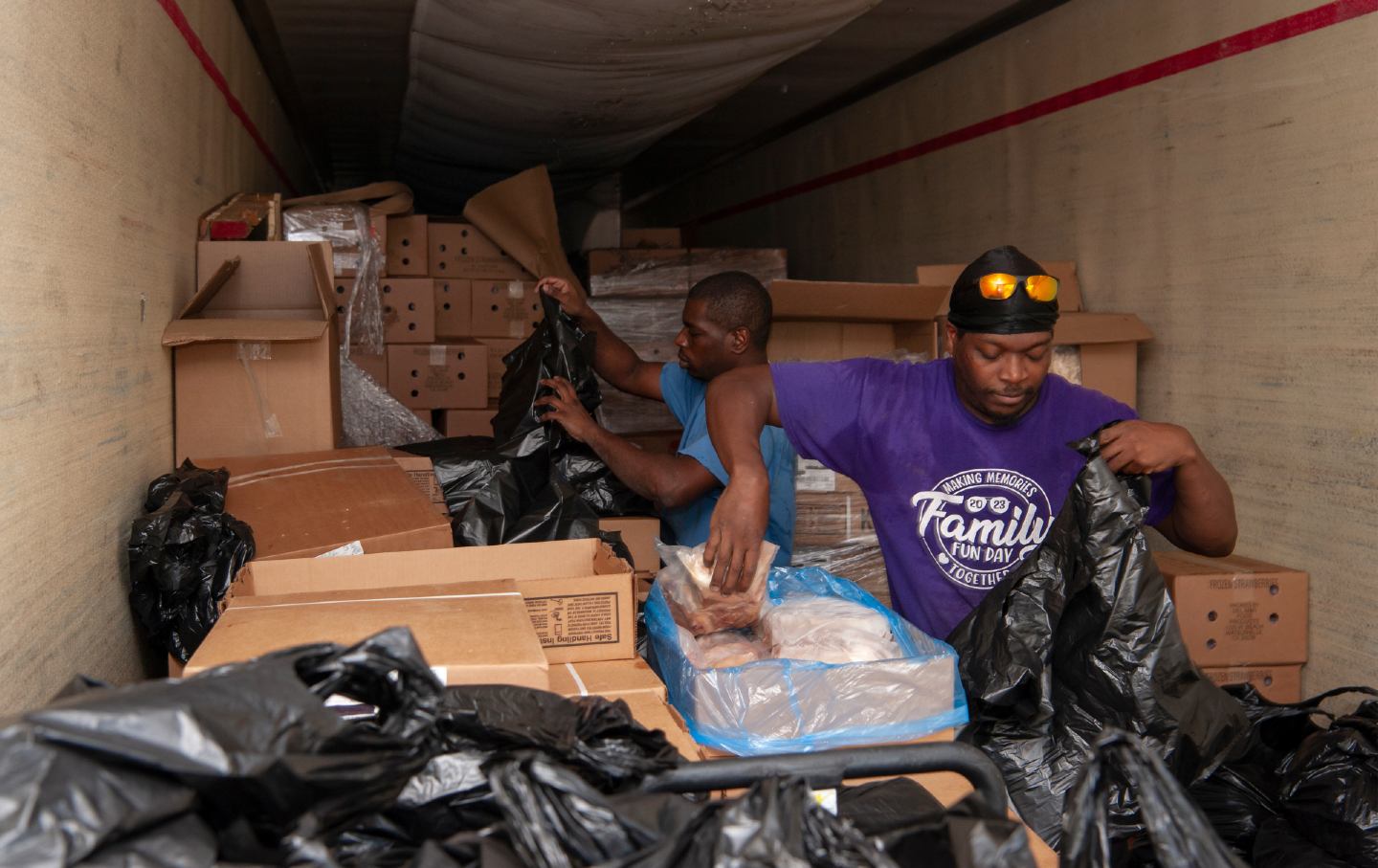
Hours away in Tucson, Arizona, a teacher (who asked to be called just “Mrs. B”) told me that she now collects food donations for her students on her front porch. Her state is the first to roll out the new SNAP requirements mandated through the federal One Big Beautiful Bill Act, cutting over 180,000 Arizona children off the nutrition program. “Of course I feel for these children and families,” says Mrs. B. “But if I’m being honest, having hungry kids in my classroom also just makes my job harder. They can’t focus and they can’t learn. Now I’m spending my weekends collecting donations for them, sure, but also to help me.”
Popular
“swipe left below to view more authors”Swipe →Shifting the burden. This is what happens when the government falls down on the job and fails—or refuses—to ensure a basic standard of living for its citizenry. Working people pick up the slack. Sometimes that means volunteering and figuring out solutions like Michaela’s, or going above and beyond at work like Mrs. B; often, it happens within families.
Last month in Slatington, Pennsylvania, I met a retired truck driver who told me that two of his twentysomething-year-old grandsons recently moved in with him.
“Costs have gone up. My home insurance has gone up. I’m retired on Social Security—my Social Security didn’t go up,” Rick tells me. “And food, home insurance, it’s all gone up. I garden, but I still am spending 600 to 700 on food every month. Everything just keeps going up.” But his grandsons can’t even get a foot in the door; they can’t find work with decent wages or afford current housing prices, so now they live with him. He clearly cares about them deeply, but it’s hard on all of them.
Working people do a tremendous amount of charitable work: showing up after long days at work to help staff food pantries and community centers, watching one another’s kids as parents work odd shifts, repairing a neighbor’s alternator so they don’t lose their job come Monday. Some of it is just good neighborliness, but much of it is because we know that keeping the people around us up and running makes life better for all of us.
I don’t know what the calculus is like if you live six to 10 paychecks away from crisis, but I do know what it looks like to do the math at one to five: Our well-being is tightly tethered to that of our neighbors.
My neighbors and I have spent our summer calling, e-mailing, and pressuring our City Council to build affordable senior housing here. If they don’t, our neighborhood will have to shoulder the situation on our own. And that’s not fair.
We need help. And that help needs to come from our government—our city, our county, our state, and our federal government. We do a lot, but we can’t do it all. In my neighborhood—and in Roswell, Tucson, and Easton—we need our government to step up so we aren’t shouldering this burden alone.
More from The Nation
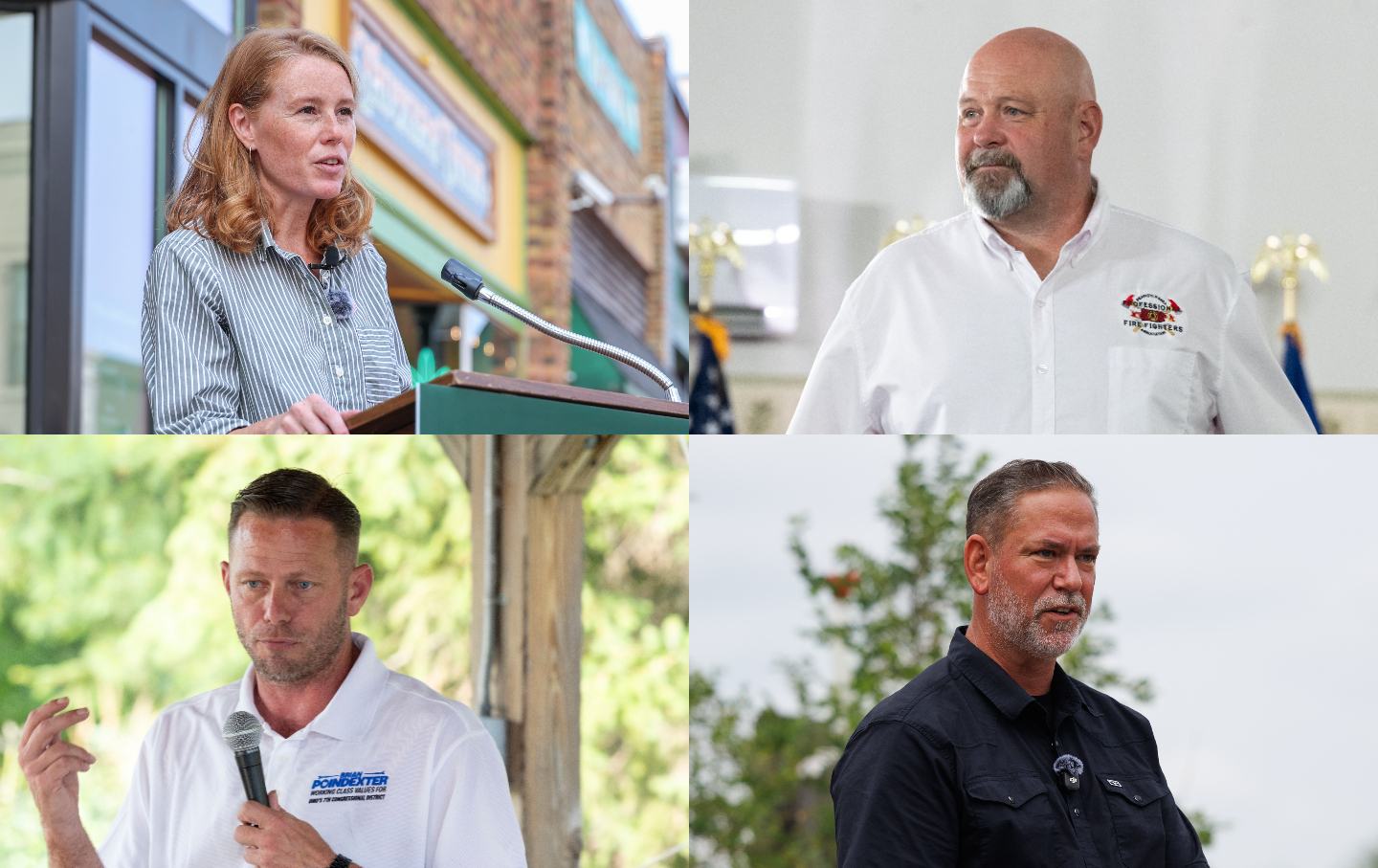
These Working-Class Populists Are Struggling to Win Over the Working Class These Working-Class Populists Are Struggling to Win Over the Working Class
And more insights from the second edition of our Economic Populist Tracker.
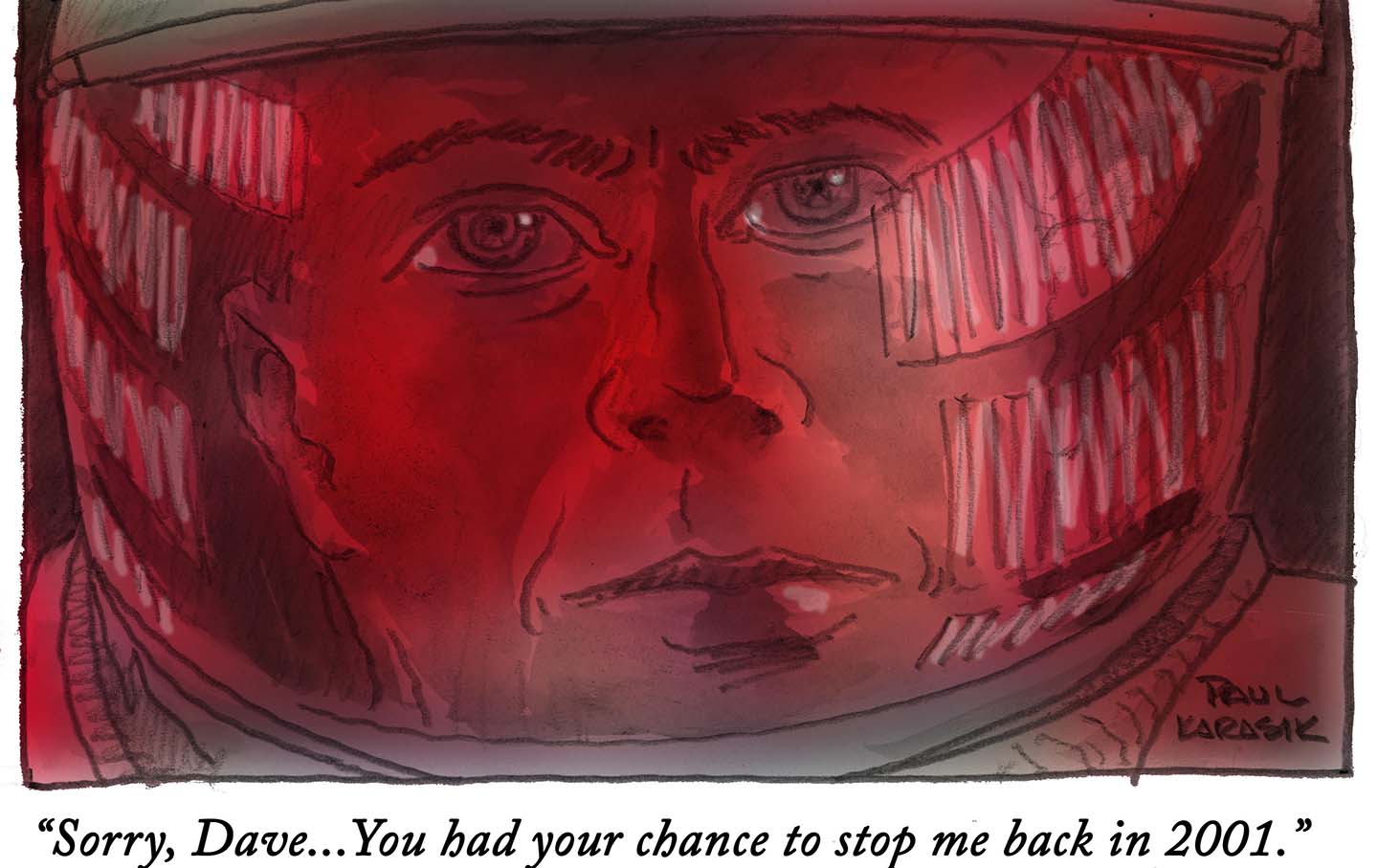
We Were Warned in 2001 We Were Warned in 2001
Science-fiction nightmares are now current events.
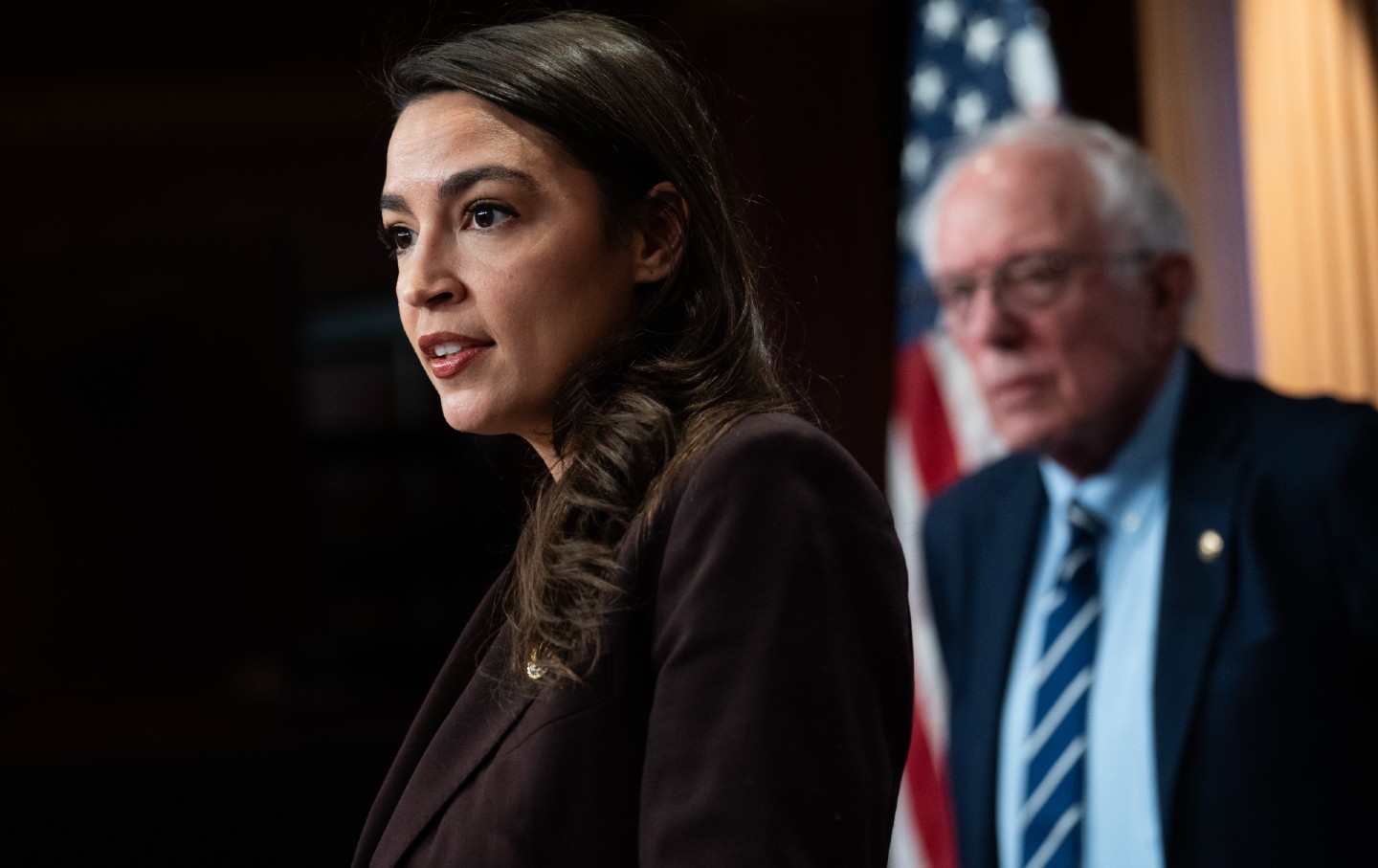
2028 Democratic Hopefuls Take on Data Centers 2028 Democratic Hopefuls Take on Data Centers
Data center opposition can foster a bigger Democratic tent by aligning red and blue, and rural and urban communities.
Making America Accountable Again Making America Accountable Again
Corporate leaders say they should be shielded from congressional inquiries because they had no alternative but to collaborate with the Trump administration. History says otherwise...
Minnesota Has Ilhan Omar’s Back Minnesota Has Ilhan Omar’s Back
Minnesotans say the raid on Omar’s home was all about politics. They also argue that it will backfire and generate boosted turnout for DFL candidates.
A Horrific ICE Shooting Is Testing Mamdani’s Approach to Trump A Horrific ICE Shooting Is Testing Mamdani’s Approach to Trump
After a federal agent shot an immigrant in New York, activists are questioning Mamdani’s handling of the NYPD and his relationship with the White House.

