
Gaza, Biden, and a Path Forward
The president’s approach to Gaza has been a moral and political catastrophe that has made Trump’s return to the White House much more likely. What can be done about that?

The Gaza crisis and the Biden administration’s response to it has significantly altered the pre–October 7 dynamics of US politics. Two big challenges have now become central to left and progressive strategy.
US policy toward Israel-Palestine must change, both regarding today’s immediate priority–a durable cease-fire now!—and in the long term, when the decades-long habit of issuing a blank billion-dollar check to Israel needs to end.
However, the task of getting all constituencies who make up the anti-MAGA majority to vote for the Democratic presidential nominee has become much harder—if that nominee is Joe Biden. Widespread revulsion at Biden’s embrace of overwhelming Israeli violence has cost him support among important Democratic constituencies in key battleground states even as Trump and the GOP speak openly of the ruthless repression that is central to their authoritarian agenda. Whether such revulsion will continue as we approach November 2024 is anyone’s guess—but it could certainly encourage abstention or third-party voting—either of which would, in effect, be a vote for the Republican nominee.
To deal with these challenges, the left needs to adjust the political and electoral strategy that was dominant in our ranks before October 7. We need an approach that both advances the movement for Palestinian rights and increases the pressure on Biden to withdraw or forces him aside in favor of a nominee more capable of winning the 2024 presidential election.
Biden’s approach to Gaza has been a moral and political catastrophe. Hugging Netanyahu and pledging billions in new military aid to Israel has positioned the US and the president personally as champions of Israeli mass murder. Rhetorical expressions of concern for Palestinian civilian lives accompanied by no meaningful actions amount to little when stacked up against support for a government whose leaders voice overtly genocidal statements.
Biden’s stance has deeply alienated crucial constituencies in the coalition that carried him to his 2020 win over Trump. As James Zogby warns in his November 8 piece in this magazine: “Some Democratic strategists claim that Arab Americans, people of color, and progressive young voters will soon forget their disappointment and vote in 2024 as they did in 2020. This stance is insulting—and fraught with danger.”
The stakes in 2024 are too high to ignore Zogby’s alarm bell. Since it appears that there’s very little Biden can do from here to win those voters back—even if he seemed to be inclined to try, which so far he doesn’t—we need to consider ways to push him aside.
It is a difficult but not impossible task. For months there have been reports of anxiety in high-level Democratic Party circles about Biden’s being a weak candidate. David Axelrod, top strategist in Obama’s successful campaigns, recently floated the idea that Biden should consider stepping down. Thomas Friedman’s recent columns indicate that at least some in the foreign policy establishment recognize that tethering Washington to Israeli policies is severely damaging US standing throughout the Global South. If a large and energized layer of likely anti-MAGA voters mobilizes to demand that Biden withdraw, that might turn those elite qualms into a high-level tough-love conversation with Biden—or spark another ambitious Democrat to throw her or his hat into the ring.
The best way to get to that mobilization is to launch an insurgent campaign for the Democratic presidential nomination. (For an explanation of why the campaign would need to be for the Democratic nomination rather than a third-party challenge, see here.) Such an effort would give Biden credit for beating Trump in 2020 and starting to move the Democratic Party away from neoliberalism. But it would critique his blank check support for Israel and hawkish foreign policy in general—and argue that replacing him offers Democrats their best chance of holding the presidency and Senate and winning back the House in 2024.
Popular
“swipe left below to view more authors”Swipe →Such a campaign would have other benefits—whether or not it succeeded in pushing Biden aside. It would make defense of every elected official who supports a cease-fire a nationwide cause, upping the energy for what is already emerging as a top progressive priority. It could bring constituencies that have a big stake in both beating MAGA and pressing for deep structural change under a common umbrella, adding to the momentum for change after the 2024 election.
Admittedly, it’s late in the game and the practicalities of launching such an effort—starting with finding a willing and able candidate—are daunting. But if the conversations exploring this path that are already taking place are accelerated, and there are indications of broad support, those hurdles may be overcome.
Even if they are not, backup plan approaches to implementing the same basic strategy are also possible. An organized “replace Biden to beat MAGA” campaign can demonstrate its strength in other ways (including calling for write-in votes or blank ballots in Democratic primaries), keeping up pressure right up through the Democratic National Convention.
Finally, the fight to make Palestinian rights a recognized component of the anti-MAGA effort is important for reasons beyond getting more Muslim, Arab, and youth votes in 2024. Current US policy on Israel-Palestine is a pillar of US militarism and a gateway for a new version of McCarthyism to become normalized in US politics and culture. Fighting against Israeli apartheid means making a dent in policies that benefit the military-industrial complex and ensure that the Middle East is in constant danger of exploding into a regional or even international war. It is a crucial pivot point in beating back attacks on freedom of speech and freedom to protest.
Any anti-MAGA coalition that excludes that component of the battle for peace and democracy will lose more than the allegiance of several million voters. It will lose the moral high ground on which any durable victory must rest.
More from The Nation

The White Man Can Always Take What You Have The White Man Can Always Take What You Have
In this week's Elie v. US, our justice correspondent breaks down the real message of the attacks on Ilhan Omar. Plus: the anti-trans case that will come for us all.

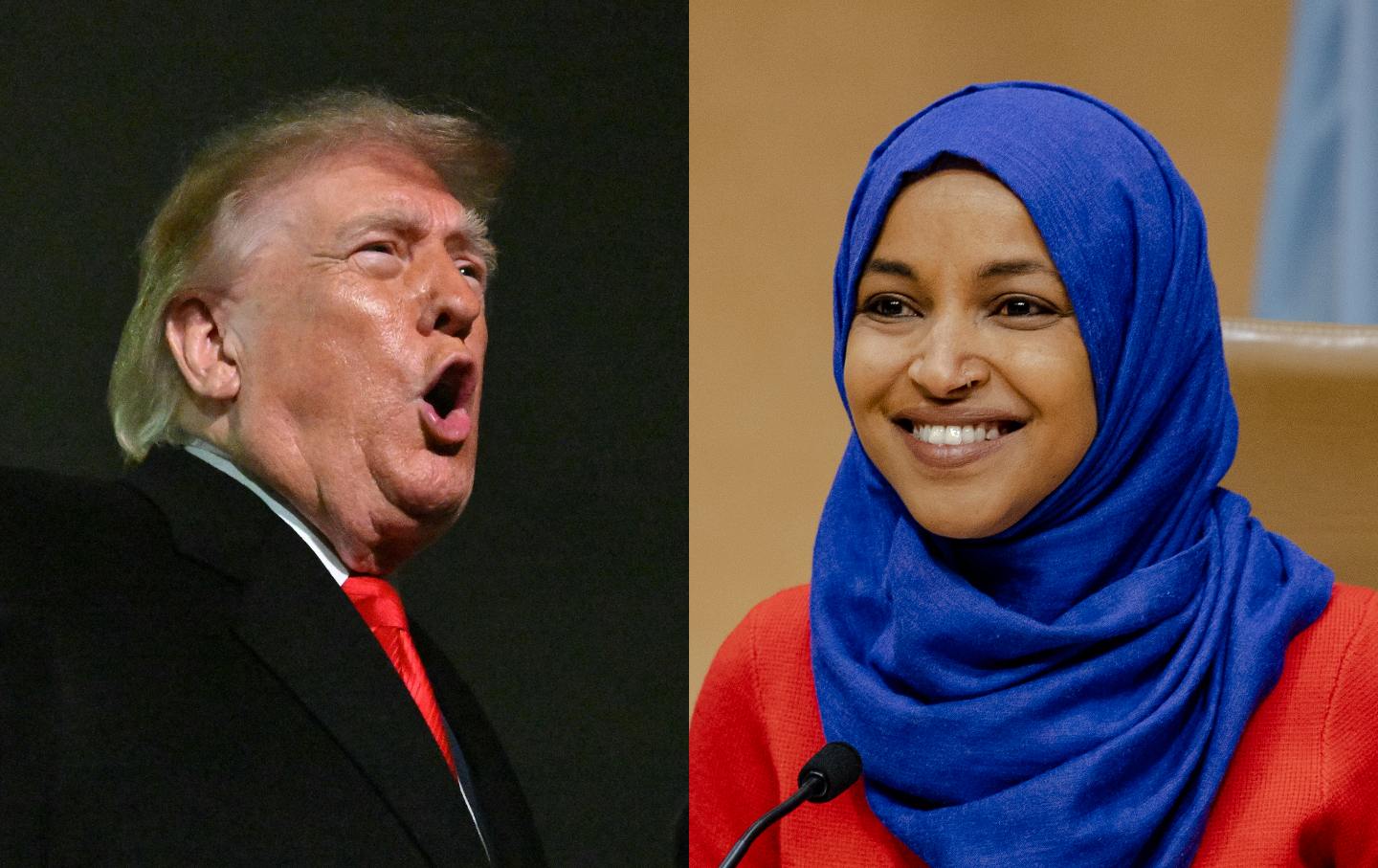
Where Is the Outrage Over Trump’s Racist Targeting of Ilhan Omar? Where Is the Outrage Over Trump’s Racist Targeting of Ilhan Omar?
The establishment press and some Democrats are strangely mute over the president’s flagrant abuse of the legal system.
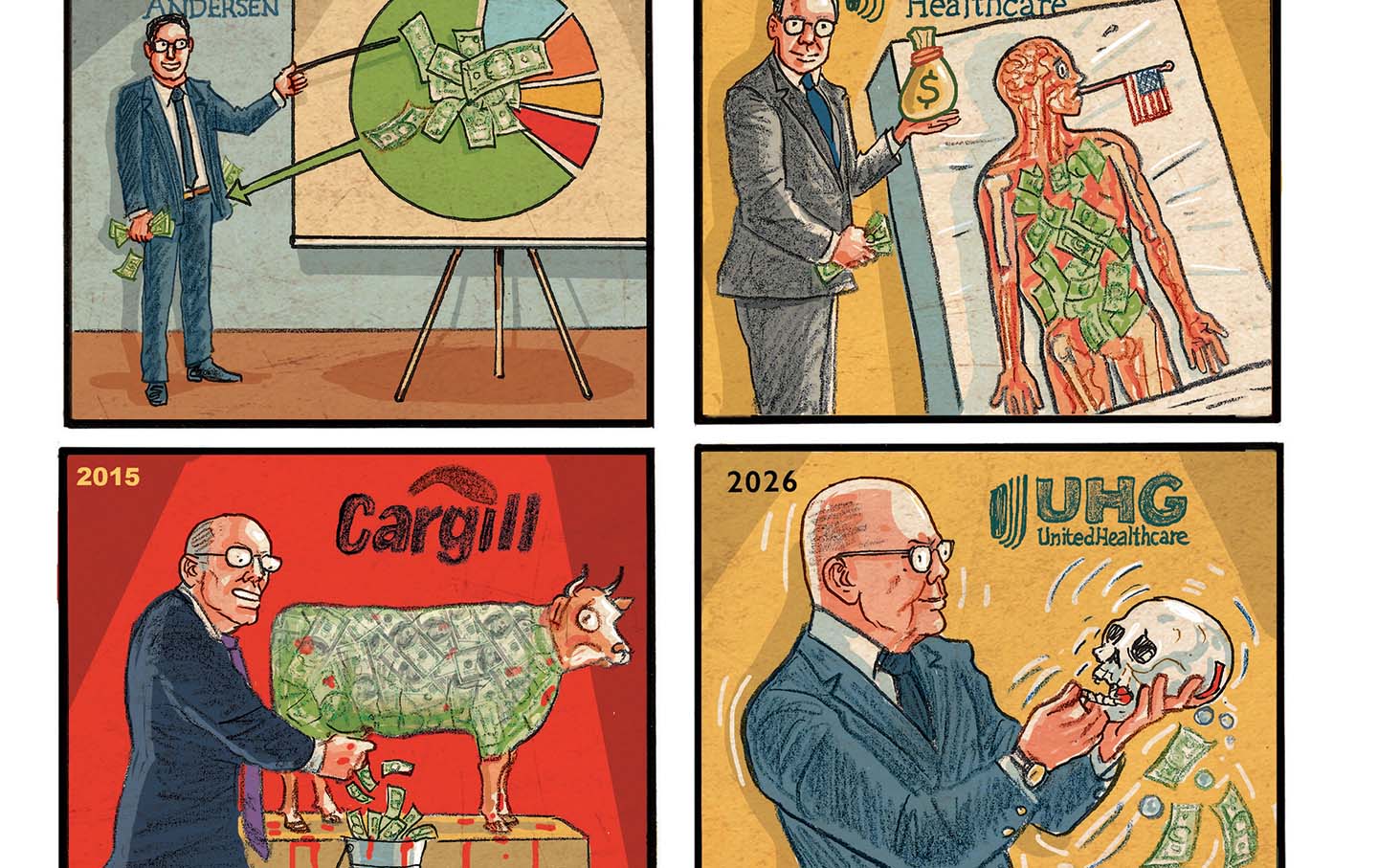
America’s UN-Healthcare Treatment America’s UN-Healthcare Treatment
The UnitedHealth group CEO’s savings plan.


Gina Hinojosa Is Showing Democrats How to Run Against Republican Grifters Gina Hinojosa Is Showing Democrats How to Run Against Republican Grifters
The Democratic gubernatorial candidate has closed the gap in Texas by focusing relentlessly on Greg Abbott’s corruption.

