
75 Percent of Americans Side With Striking UAW Members
Polling shows exceptionally wide support for the union’s bold demands.
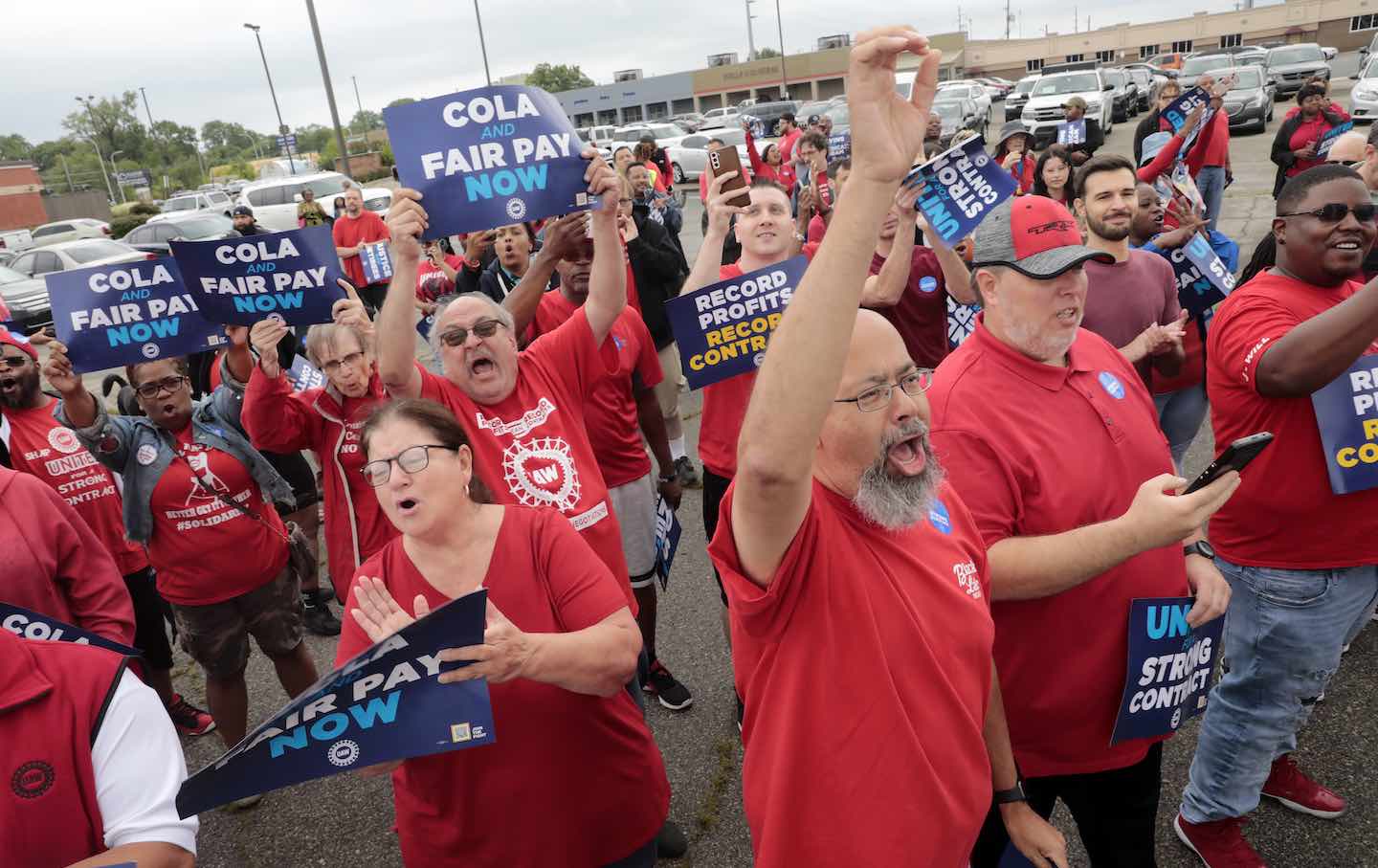
Demonstrators during a United Auto Workers practice picket outside the Stellantis Mack Assembly Plant in Detroit, Mich., on August 23, 2023.
(Photo: Jeff Kowalsky / Bloomberg)The United Auto Workers went into negotiations with the Big Three automakers and delivered what is arguably the boldest set of demands from a major industrial union in modern times. The union asked for a 46 percent pay hike, improved health care and retirement benefits, the renewal of cost-of-living pay raises, an end to different tiers of wages for older and newer workers, the restoration of defined pension benefits, and a 32-hour week with 40 hours of pay.
In any serious labor negotiation, the union asks for a lot, with the understanding that the final agreement will be at least somewhat more modest. And the union has moderated some of its demands in the course of collective bargaining with General Motors, Ford, and Stellantis—the international consortium of carmakers that now owns Chrysler.
But the automakers—which made a combined $21 billion in profits in the first six months of 2023 alone—claimed, as the Thursday expiration deadline for existing UAW contracts approached, that they could not afford to meet even the most reasonable, most basic demands of the workers. So, at midnight, UAW members joined picket lines outside selected GM, Ford, and Stellantis plants.
“Tonight, for the first time in our history, we will strike all three of the Big Three at once,” announced UAW President Shawn Fain shortly before the walkout began.
That’s one reason this is an epic moment in the history of American trade unions. And here’s another one: This strike enjoys an extraordinary level of support from the American people.
It’s no surprise that the workers were “strike ready.” As Fain explained, “Our union’s membership is clearly fed up with living paycheck to paycheck while the corporate elite and billionaire class continue to make out like bandits.” But the great mass of Americans appear to be every bit as “strike ready” as UAW members.
When Gallup pollsters asked voters just before Labor Day which side of the dispute between the UAW and the Big Three they sympathized with, 75 percent said they were with the union. Just 19 percent lined up with the corporations. A Morning Consult survey conducted last week found 2-1 support for the UAW, and noted that even the union’s boldest proposals—such as the demand for a 32-hour workweek—attracted significantly more support than opposition.
That’s a big deal. It confirms data showing that the general popularity of unions is rising, and that the American people have come to believe that unions benefit both their members and those who aren’t in unions, that labor organizations improve the standing of unionized companies, and that strong unions are good for the US economy. Indeed, on that last measure, Gallup found: “A record-high 61 percent say unions help rather than hurt the U.S. economy, eclipsing the prior high from 1999 by six points.”
Importantly, these numbers also tell us that when unions make big demands, and when they aggressively advance those demands in order to counter corporate spin (as the UAW has done with a savvy social media campaign and unity-building op-eds written by Fain with allies such as US Representative Ro Khanna), the American people will recognize organized labor’s “asks” as fair and necessary.
That’s a point Senator Bernie Sanders made when he argued in a statement ahead of the UAW strike: “Despite what you might hear in the corporate media, what the UAW is fighting for is not radical. It is the reasonable demand that autoworkers, who have made enormous sacrifices over the past 40 years, finally receive a fair share of the enormous profits their labor has generated.”
Media outlets and politicians—not just anti-labor Republican zealots such as former Wisconsin governor Scott Walker but also new Democratic centrists who have sought to align their party more closely with Wall Street and corporate interests—have for years tried to tell us that unions are relics of the past. A 1991 Harvard Business Review article spelled out the pro-business line with an argument that knowing managers “believed that the rules of the economic game have changed.” The article continued:
Competition is global, technological innovation continuous, the work force increasingly professional. In such an economic environment, unions are ill-suited to meeting the needs of either workers or companies. At best, they are an irrelevance—a leftover from a previous industrial era. At worst, they are an obstacle to making companies and countries competitive. Little wonder, then, that unions are on the wane.
That sentiment took hold over the ensuing decades and infected media coverage of labor disputes, even as unions grew in popularity. So it comes as no surprise that during the current negotiations, Fain found it necessary to deconstruct media coverage, placing an emphasis on the fact that car prices have soared not because of workers’ pay demands but because of record profiteering by the auto companies. “You don’t hear the media wringing their hands over how Big 3 profits are driving up the cost of cars. You don’t see big splashy nightly-news segments on how consumers will be impacted by companies choosing to spend billions on executive salaries, stock buybacks and special dividends,” said Fain. “No, you only hear these concerns when the working class stands up and demands a fair share of the value we produce.”
Popular
“swipe left below to view more authors”Swipe →Sanders says that analysis is spot-on. “The corporate media will always side with CEOs and shareholders,” argues the senator. “Every time working Americans stand up and demand what is just and fair, the corporate media is there to tell viewers that workers are asking for too much.”
What’s clearly changed is that the American people aren’t buying the corporate spin anymore. The people have spoken, and they are sticking with the union.
Support independent journalism that does not fall in line
Even before February 28, the reasons for Donald Trump’s imploding approval rating were abundantly clear: untrammeled corruption and personal enrichment to the tune of billions of dollars during an affordability crisis, a foreign policy guided only by his own derelict sense of morality, and the deployment of a murderous campaign of occupation, detention, and deportation on American streets.
Now an undeclared, unauthorized, unpopular, and unconstitutional war of aggression against Iran has spread like wildfire through the region and into Europe. A new “forever war”—with an ever-increasing likelihood of American troops on the ground—may very well be upon us.
As we’ve seen over and over, this administration uses lies, misdirection, and attempts to flood the zone to justify its abuses of power at home and abroad. Just as Trump, Marco Rubio, and Pete Hegseth offer erratic and contradictory rationales for the attacks on Iran, the administration is also spreading the lie that the upcoming midterm elections are under threat from noncitizens on voter rolls. When these lies go unchecked, they become the basis for further authoritarian encroachment and war.
In these dark times, independent journalism is uniquely able to uncover the falsehoods that threaten our republic—and civilians around the world—and shine a bright light on the truth.
The Nation’s experienced team of writers, editors, and fact-checkers understands the scale of what we’re up against and the urgency with which we have to act. That’s why we’re publishing critical reporting and analysis of the war on Iran, ICE violence at home, new forms of voter suppression emerging in the courts, and much more.
But this journalism is possible only with your support.
This March, The Nation needs to raise $50,000 to ensure that we have the resources for reporting and analysis that sets the record straight and empowers people of conscience to organize. Will you donate today?
More from The Nation
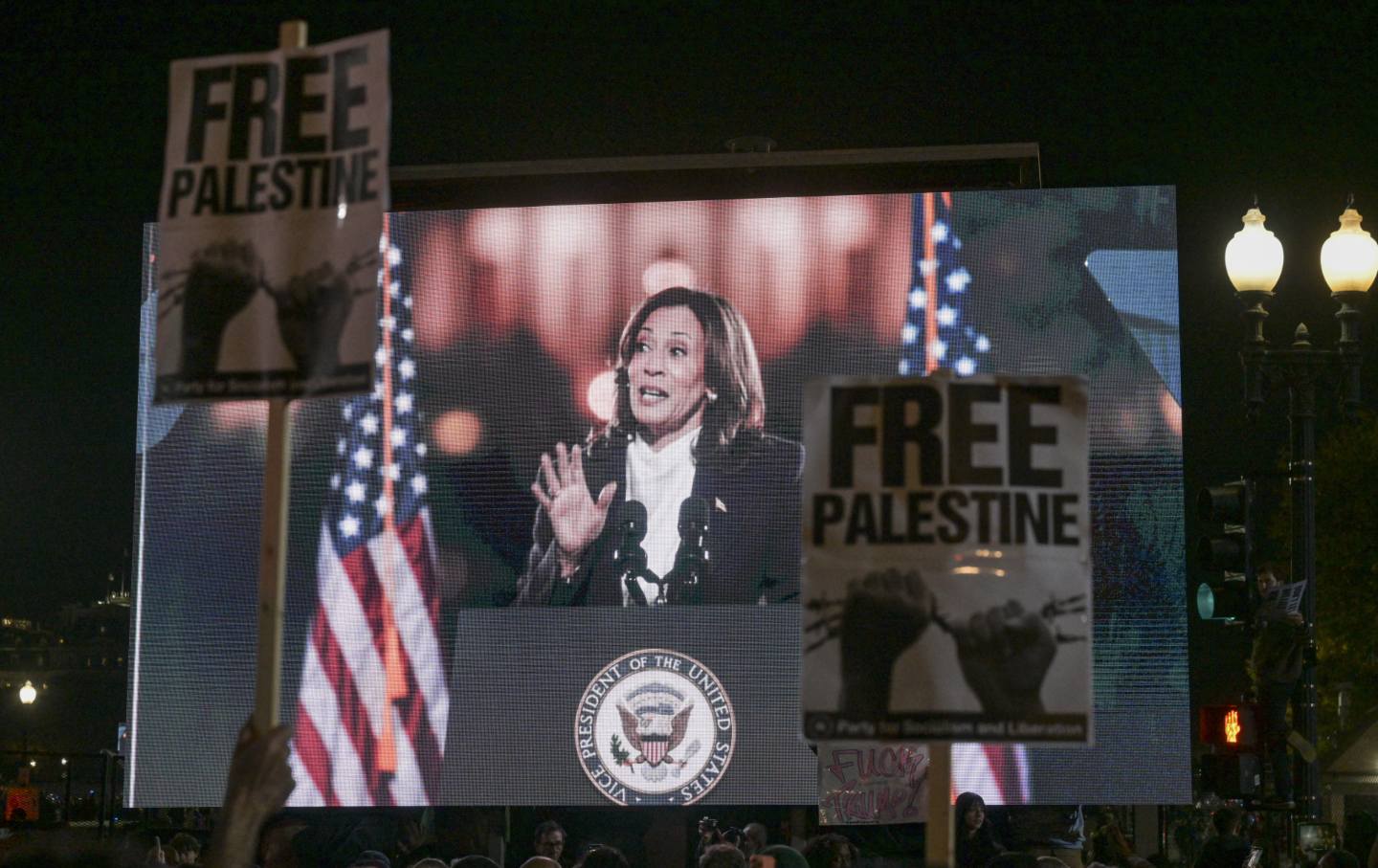
We Don’t Need an Autopsy to Tell Us the Democrats Failed on Gaza We Don’t Need an Autopsy to Tell Us the Democrats Failed on Gaza
The DNC is allegedly hiding a report showing that Kamala Harris’s Gaza policy helped cost her the 2024 election. But that report won’t tell us anything we don’t already know.
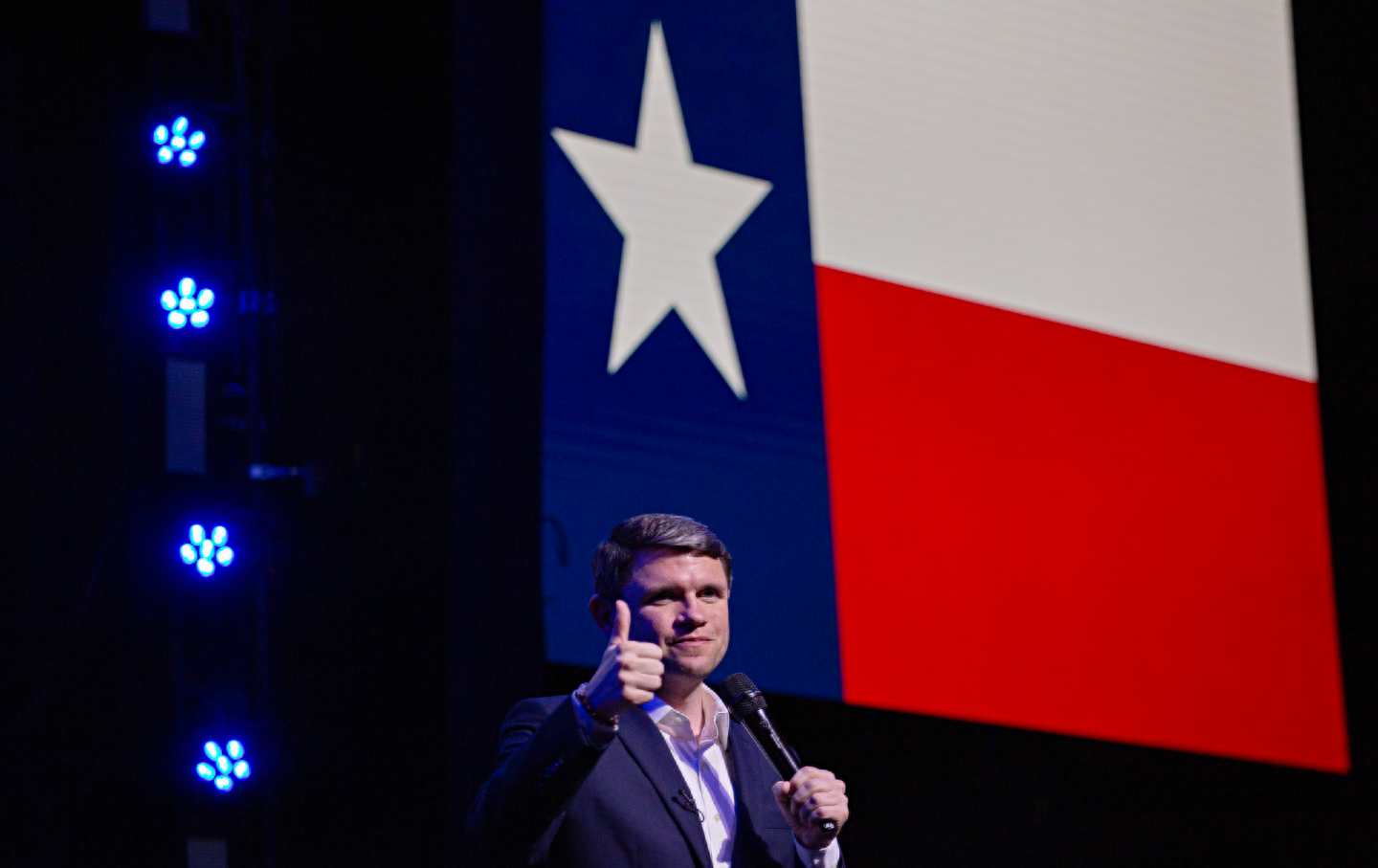
Texas’s Senate Primary Has Already Made History—and It’s Not Over Yet Texas’s Senate Primary Has Already Made History—and It’s Not Over Yet
Democratic nominee James Talarico is getting national media attention, but the real story is sky-high voter turnout, even amid GOP bids to suppress balloting
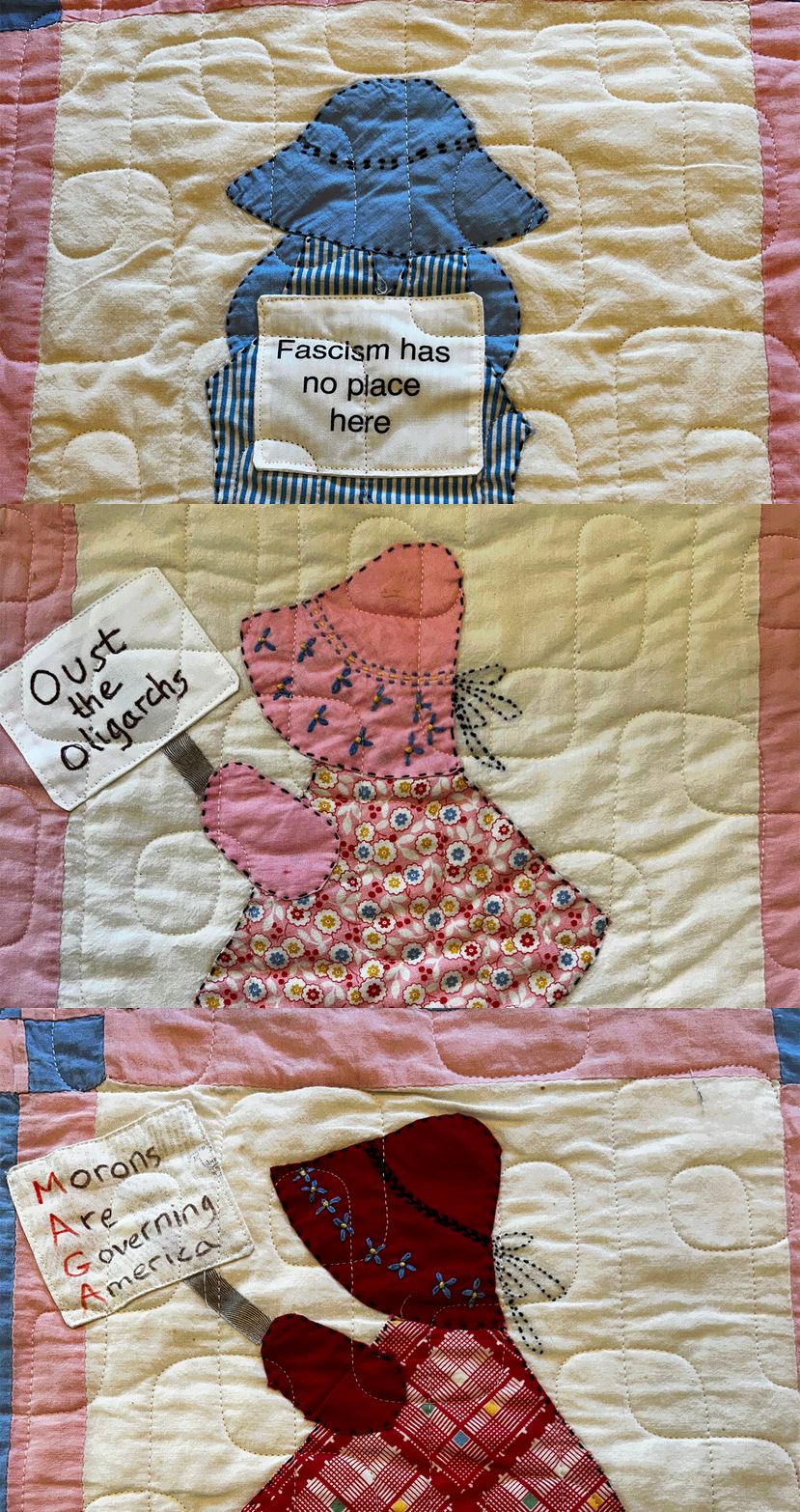
Quilted Messages Quilted Messages
Sunbonnets carrying not-so-sunny truths.
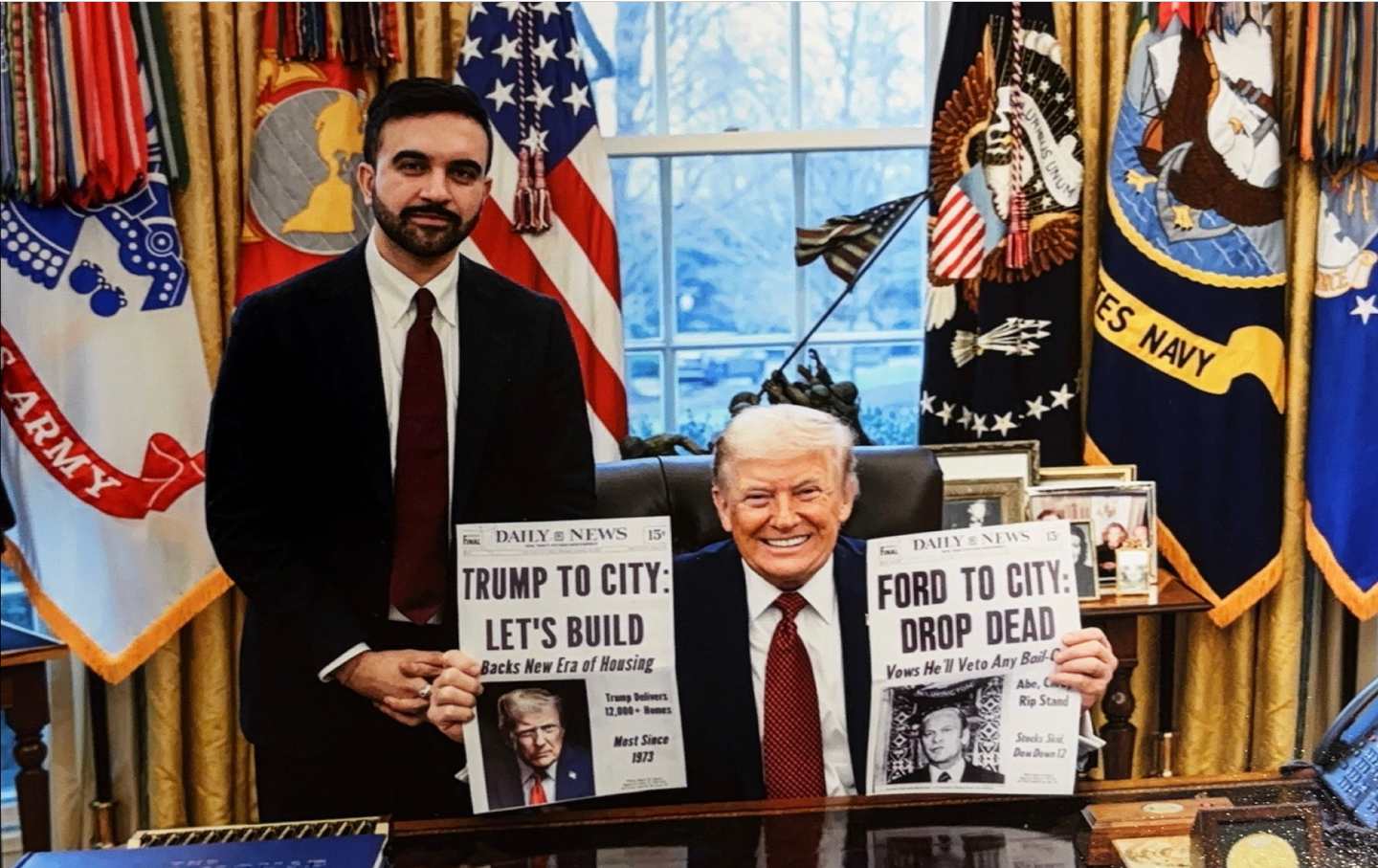
How the Theatrics of Mamdani’s Trump Meeting Backfired How the Theatrics of Mamdani’s Trump Meeting Backfired
By pandering to the president’s vanity, the New York mayor reinforced Trump’s image as a strongman commanding deference—an especially bad look on the eve of Trump’s war with Iran
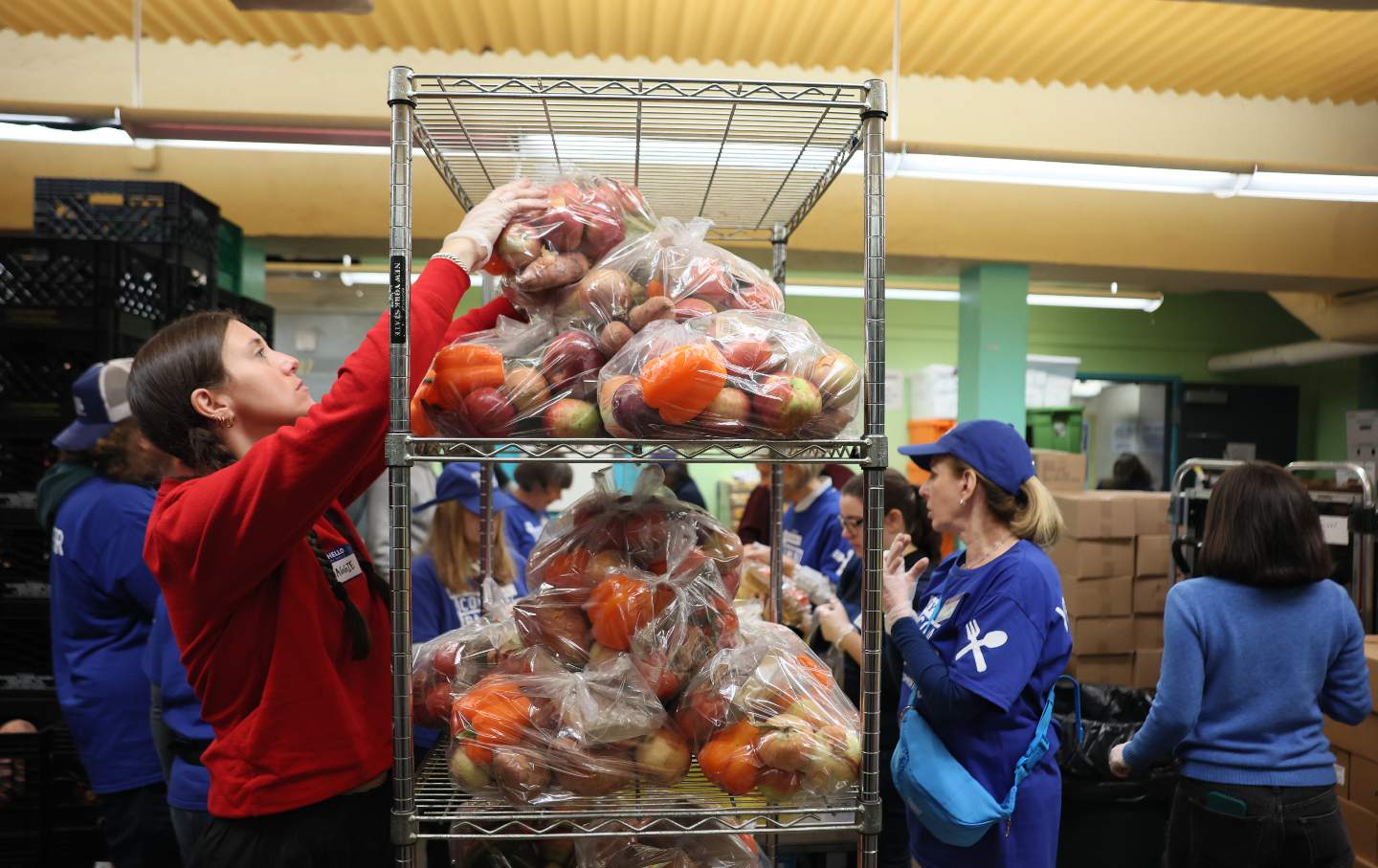
Students in New York Are Going Hungry. How Can Mamdani Help? Students in New York Are Going Hungry. How Can Mamdani Help?
With plans for city-owned grocery stores and a focus on affordability, the new mayoral administration offers fresh hopes of successfully confronting the food crisis among students...
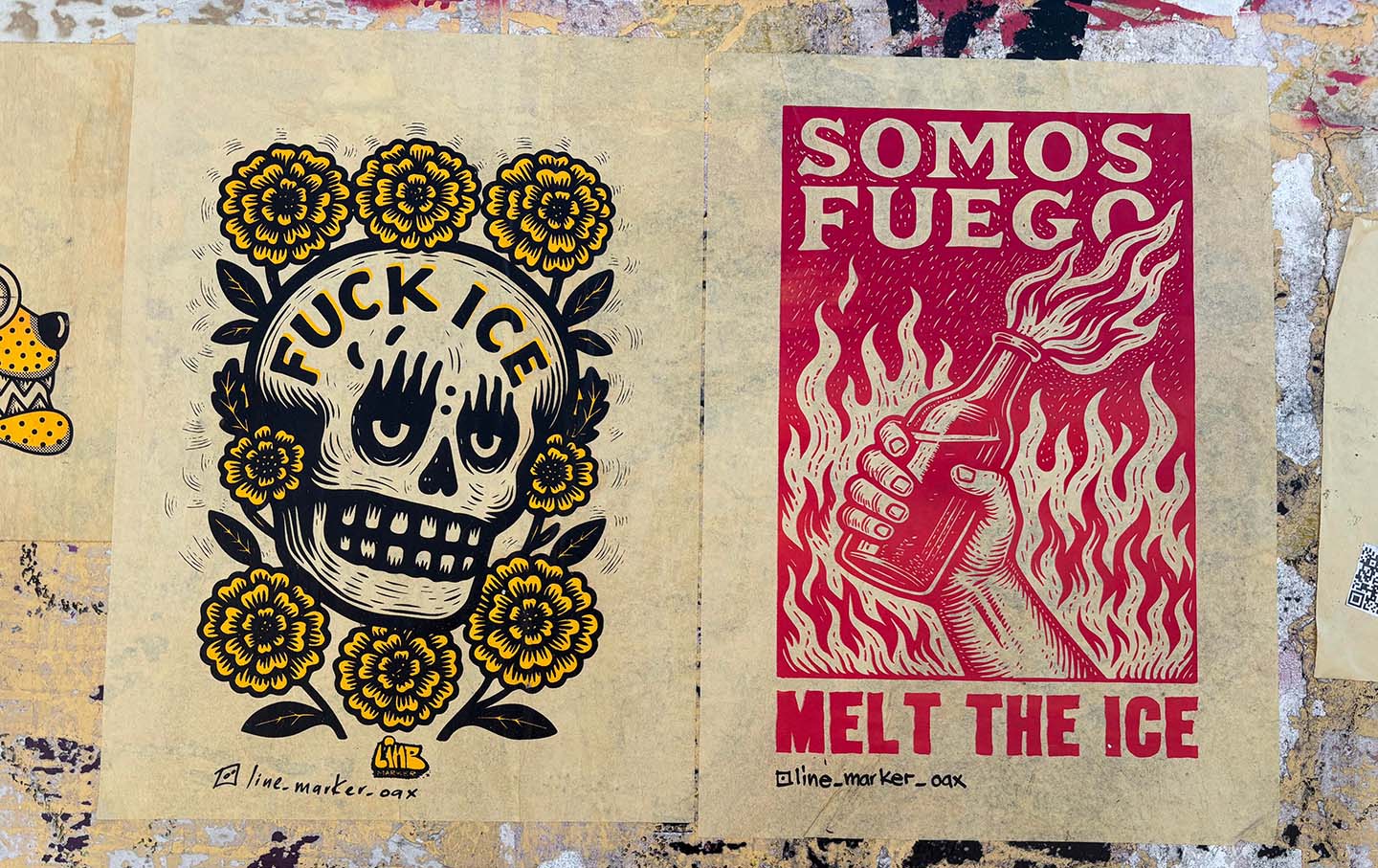
We Are the Fire That Melts the ICE We Are the Fire That Melts the ICE
Oaxaca, Mexico, street art.

