The Best Albums of 2024
This year’s best music, our critic thinks, defied conventions of genre and doctrine, showing how hybrid and fluid the art has become.
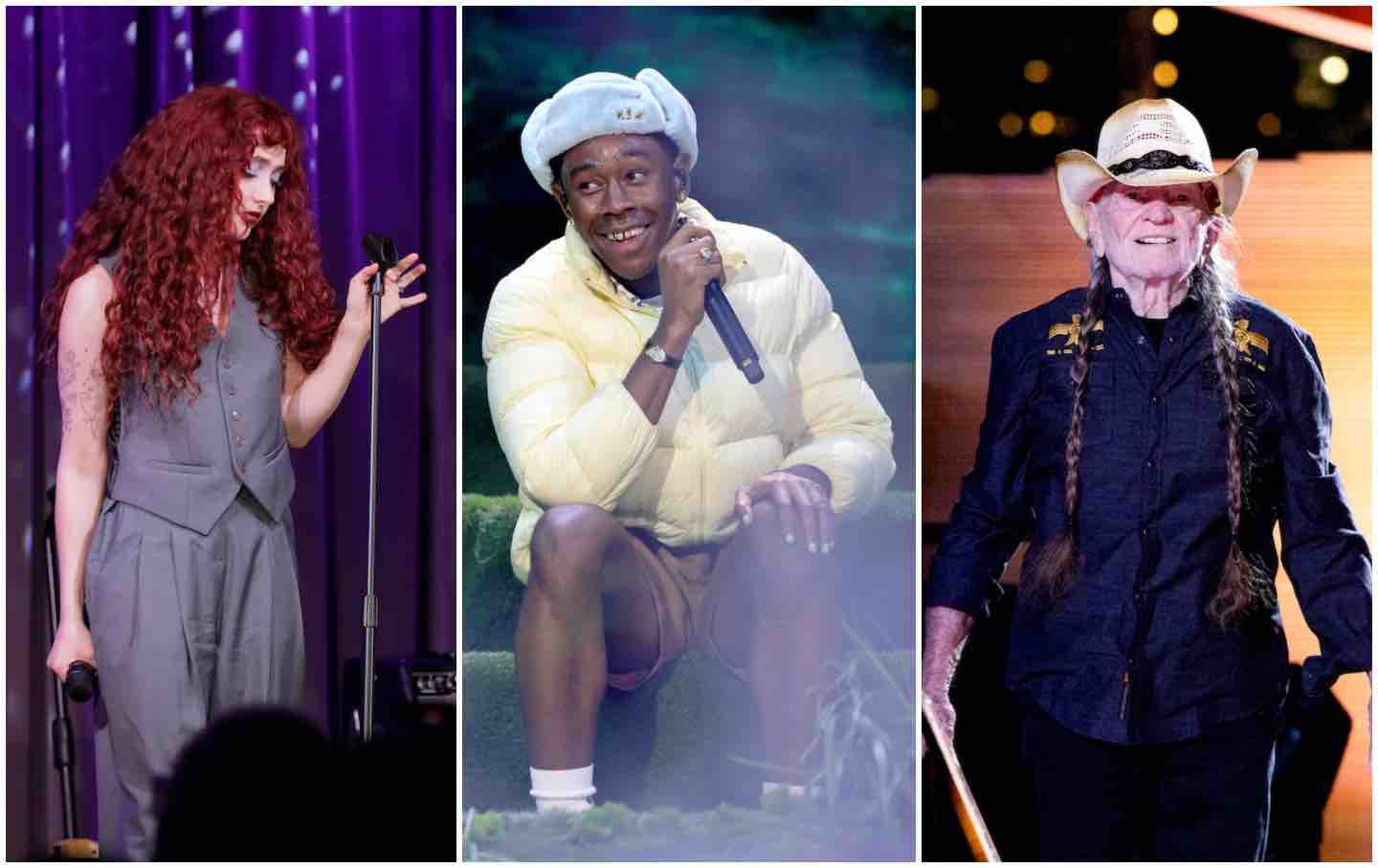
Chappel Roan; Tyler, the Creator; Willie Nelson.
(Left to right: Rebecca Sapp / Getty Images for The Recording Academy; Theo Wargo / Getty Images for Roc Nation; Rick Kern / Getty Images for Shock Ink)
Unlike the rest of the world, it seems, the best music of this year is defined by its desire to move out of the immovable and the doctrinaire: Artists in different spheres are mixing things up, defying constraints of category, cross-pollinating. Of all the notable albums released in 2024, many of the most original and memorable have been acts of hybridization in one way or another: Mabe Fratti’s multicultural chamber rock; Meshell Ndegeocello’s experimentation in music and historical text; Chappell Roan’s gutsy art pop; and Tyler, the Creator’s street-savvy avant-gardism, among many others. Here are 10 of my favorites, the music I’ve enjoyed and admired most this year (in alphabetical order).
Kris Davis Trio, Run the Gauntlet
Kris Davis is the most sumptuously volatile pianist in contemporary jazz, a musician who plays with formal precision and wild imagination. She conceived of this trio project (with bassist Robert Hurst and drummer Johnathan Blake) as a tribute to her mentors and influences (including Geri Allen, Carla Bley, and Renee Rosnes), though the aesthetic is her own: technically exacting and creatively free.
Mabe Fratti, Sentir Que No Sabes
If this list were ranked by quality instead of alphabetically, this magnificently odd album would be first (or maybe tied for first place with Tyler, the Creator’s Chromakopia). Fratti, a Guatemala-born cellist, composer, and singer living in Mexico City, makes a kind of dreamy classical acid rock with vivid melodies set to her own lyric poetry in Spanish. There are hints of Arthur Russell in Fratti’s use of the cello as a pitch-twisting timbral instrument, though her songs are well-wrought gems of a visionary sensibility.
Jihye Lee Orchestra, Infinite Connections
In 1962, two decades after the prime of the swing era, Duke Ellington released an album titled Will Big Bands Ever Come Back? He knew the answer, of course, but kept making profoundly original music for big-band instrumentation anyway. This took tenacity in the 1960s, and six decades later, Ellington’s tiny handful of heirs have it much harder. Somehow, the Korean-born composer Jihye Lee has managed to emerge in the 21st century as an important new voice in the idiom of orchestral jazz. This, her third album of original work, is distinctively fresh, with the rhythms of Korean folk songs providing the foundation for gently swinging music. Coproduced by one of the contemporary masters of this milieu, Darcy James Argue, this is music of rare beauty.
Mannequin Pussy, I Got Heaven
By the long-standing rules of punk society, this is an album I’m not supposed to like, the one that marks a turn in a band’s music to a more commercial, broadly accessible approach, inevitably summed up as selling out. It’s the fourth full-length project by Mannequin Pussy, a punk band out of Philadelphia, and the first overseen by big-time producer John Congleton, who has spiffed up the group’s sound and seems to have led them to write catchier tunes with structural variety—both dubious values in punk, I know, but qualities that do more good than harm with this talented band. This is potent music in the zone dividing punk and power pop, and if it makes Mannequin Pussy a bit better known, that’s only welcome news.
Milton Nascimento and Esperanza Spalding, Milton + Esperanza
Milton + Esperanza brings together cross-generational duet partners from divergent musical worlds: Nascimento, the long-beloved Brazilian singer-songwriter, and Spalding, the lauded American jazz-pop singer, bassist, and composer. Their voices work beautifully as forces in contrast: hers airy and fluid, his brittle and coarse—a soft egg and bacon. They sing with an intimate, unfussed-over ease, like two friends sharing songs they both happen to know and like. You can hear them smile as they sing.
Willie Nelson, Last Leaf on the Tree
Released in Nelson’s 91st year, this quiet album is plainly, unpretentiously valedictory. Nelson sounds weather-worn, his voice thinner and more fragile, but he’s vitally present as he murmurs a choice selection of reflective laments, most of them written by rock songwriters of the late 20th century (Neil Young, Tom Waits, Keith Richards, Beck). Produced by Nelson’s son Micah, the project is essentially three duo albums in one: a collaboration between Willie and Micah; between Willie and his beloved guitar, Trigger; and between Willie and the specter waiting for that last leaf to fall.
Meshell Ndegeocello, No More Water: The Gospel of James Baldwin
Another lauded singer, bassist, and composer, Meshell Ndegeocello conceived and produced this multifaceted concept album in tribute to James Baldwin. It’s an aural quilt, dense and richly textured. Ndegeocello sings new, original music inspired by Baldwin in tracks overlaid and intermingled with spoken language drawn from Baldwin’s prose, read by the writers Staceyann Chin and Hilton Als. Brilliant and daring, this album captures Baldwin’s intellectual ferocity as it gives voice to Ndegeocello’s own.
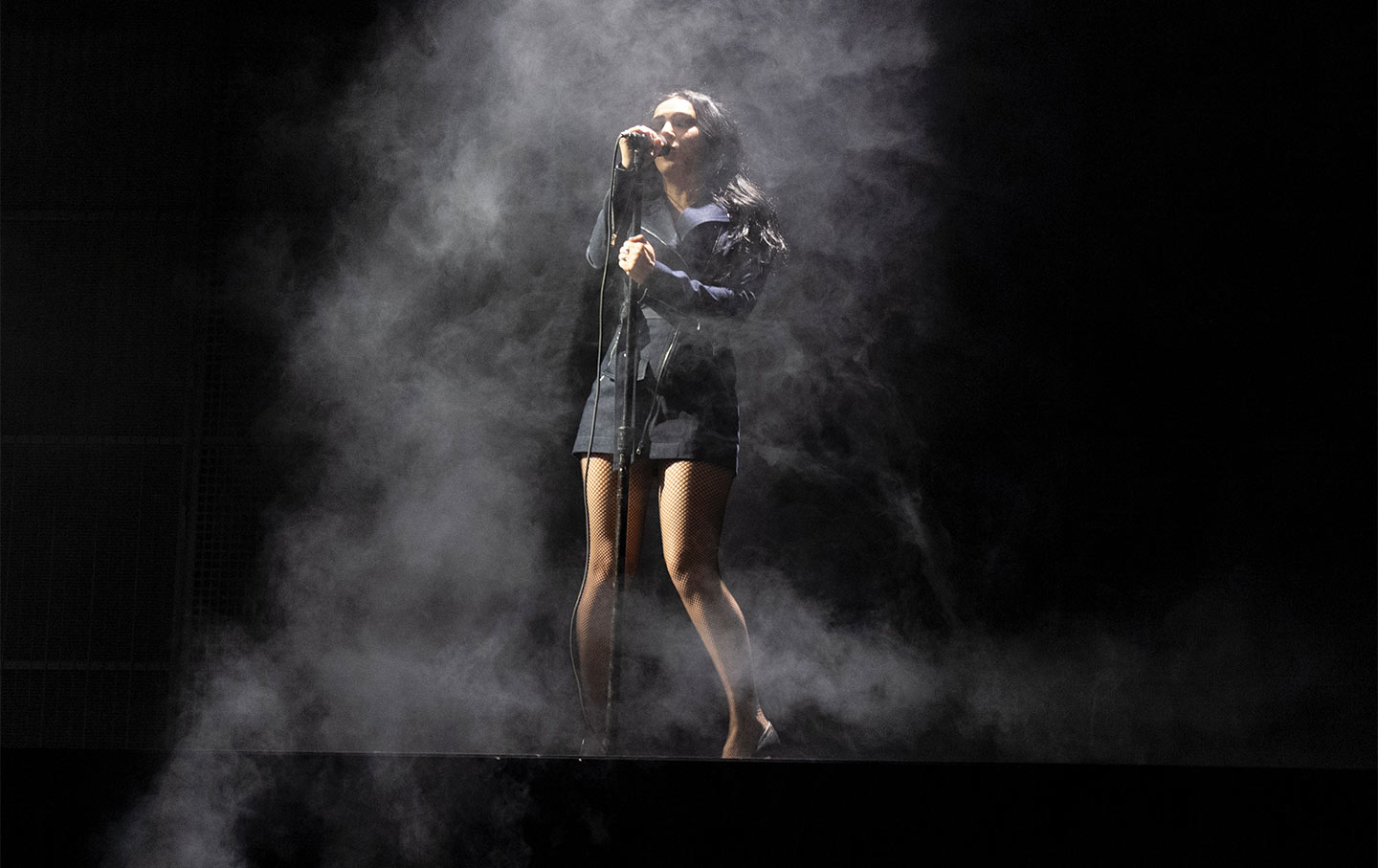
Chappell Roan, The Rise and Fall of a Midwest Princess
It was a year with lots of rising and not much falling for Roan, who established herself as a major songwriting talent and a vital champion of queer identity. Sophisticated musical rigor underlies the pleasures in this delirious concoction of theatrical pop.
Linda Catlin Smith, Flowers of Emptiness
Unforgivably underappreciated, the contemporary classical composer Linda Catlin Smith writes music of plaintive majesty. This new collection of performances by the Apartment House ensemble brings together eight chamber works created over the four decades of Smith’s career. It’s a varied lot, from the brooding “Flowers of Emptiness” (1986) to the arabesque polyphony of her String Quartet No. 6 (2013).
Tyler, the Creator, Chromakopia
“I don’t know,” said Tyler, the Creator at a launch event for this album. “I just wanted to kind of just write about stuff that I think about when I’m solo.” Drawing from his private ruminations, Tyler created a work of blunt emotionality and grand creative ambition. A song cycle in hip-hop, Chromakopia conjures Tyler’s early life in Inglewood, California, through language presented as his mother’s diary entries. The music shifts and squirrels around from old-school rap to funk to R&B to jazz and back, all under the sure command of Tyler as the producer, arranger, and primary rapper.
Honorable Mentions
Beyoncé, Cowboy Carter; Laurie Anderson, Amelia; Julian Lage, Speak to Me; Kendrick Lamar, GNX; The Last Dinner Party, Prelude to Ecstasy; Charles Lloyd, The Sky Will Still Be There Tomorrow; Caroline Shaw and Sō Percussion, Rectangles and Circumstance; Waxahatchee, Tigers Blood.