Poems / October 7, 2024

Payee

Jessica Abughattas

We went one by one, then all at once, we left our father’s
house. Went outside and returned, sleeping children.
Forgetful then we remembered. We believed in our
father. We believed our father in heaven. We left the
house of our father. We left the house and our father is
in heaven. We left heaven and went to work in America.
We toiled and were paid by our father. We unionized
and made our father cry uncle. We were children. We
were not wrong. We lived under our grandmother’s sofa
cushion. We lived in a tract suburb made of the same
identical house. We took a limestone brick and placed it
in our house in the suburbs. Our house in the suburbs
was pink with palm trees and pink with limestone. Our
house in heaven. Our house in America where we
worked for our father. Our house in heaven where God
was limestone. Our limestone brick we planted in our
yard without a flag. Our flagless yard in the suburbs of
heaven where we only lived for God.
Jessica Abughattas

Jessica Abughattas is the author of Strip (University of Arkansas Press, 2020). Her poems can be found in Poetry, The Kenyon Review, The Yale Review, and elsewhere.

More from The Nation

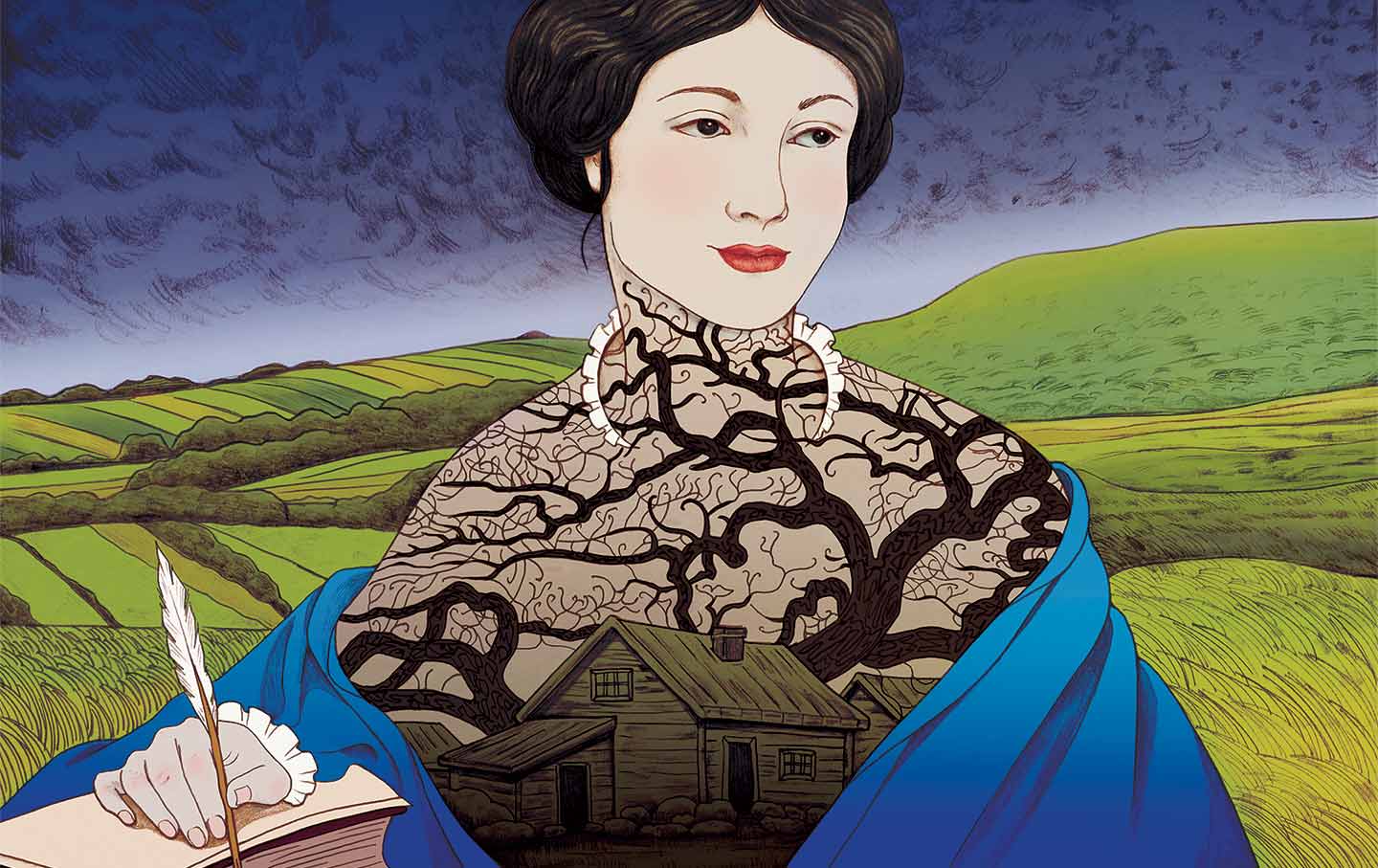
Who Was Emily Brontë?

Who Was Emily Brontë? Who Was Emily Brontë?

A new biography tries to reconstruct her everyday life.

Books & the Arts / Sarah Chihaya

Charli XCX performing in San Francisco.

The Genius of Charli XCX The Genius of Charli XCX

On her new album, Music, Fashion, Film, the musician embraces rock.

Books & the Arts / Bijan Stephen

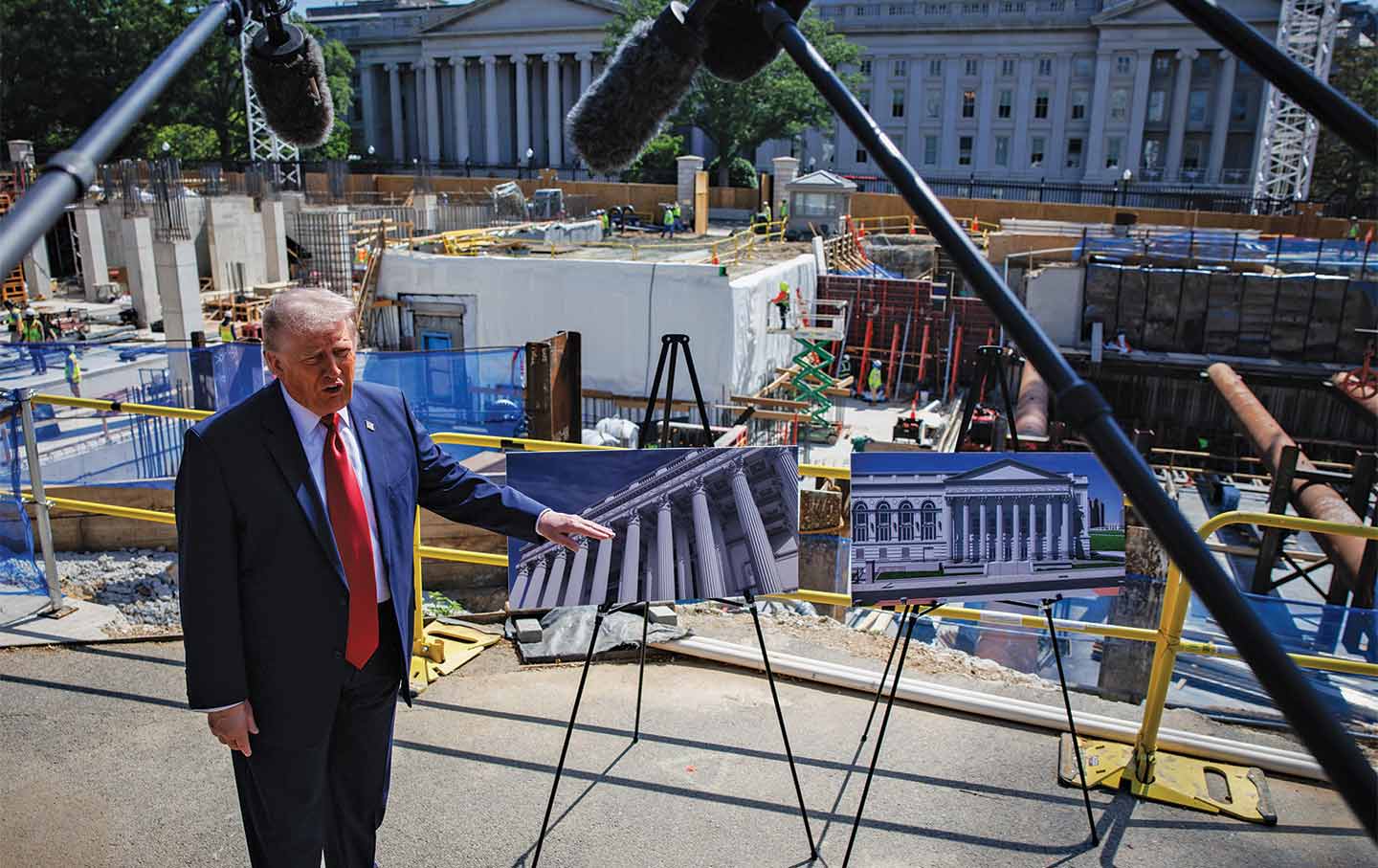
Trump at the White House Ballroom construction site in May 2026.

The Architectural Follies of Trump’s Washington, DC The Architectural Follies of Trump’s Washington, DC

The president plans to remake the capital in his own image, but is all he is doing destroying what’s already there?

Books & the Arts / Karrie Jacobs

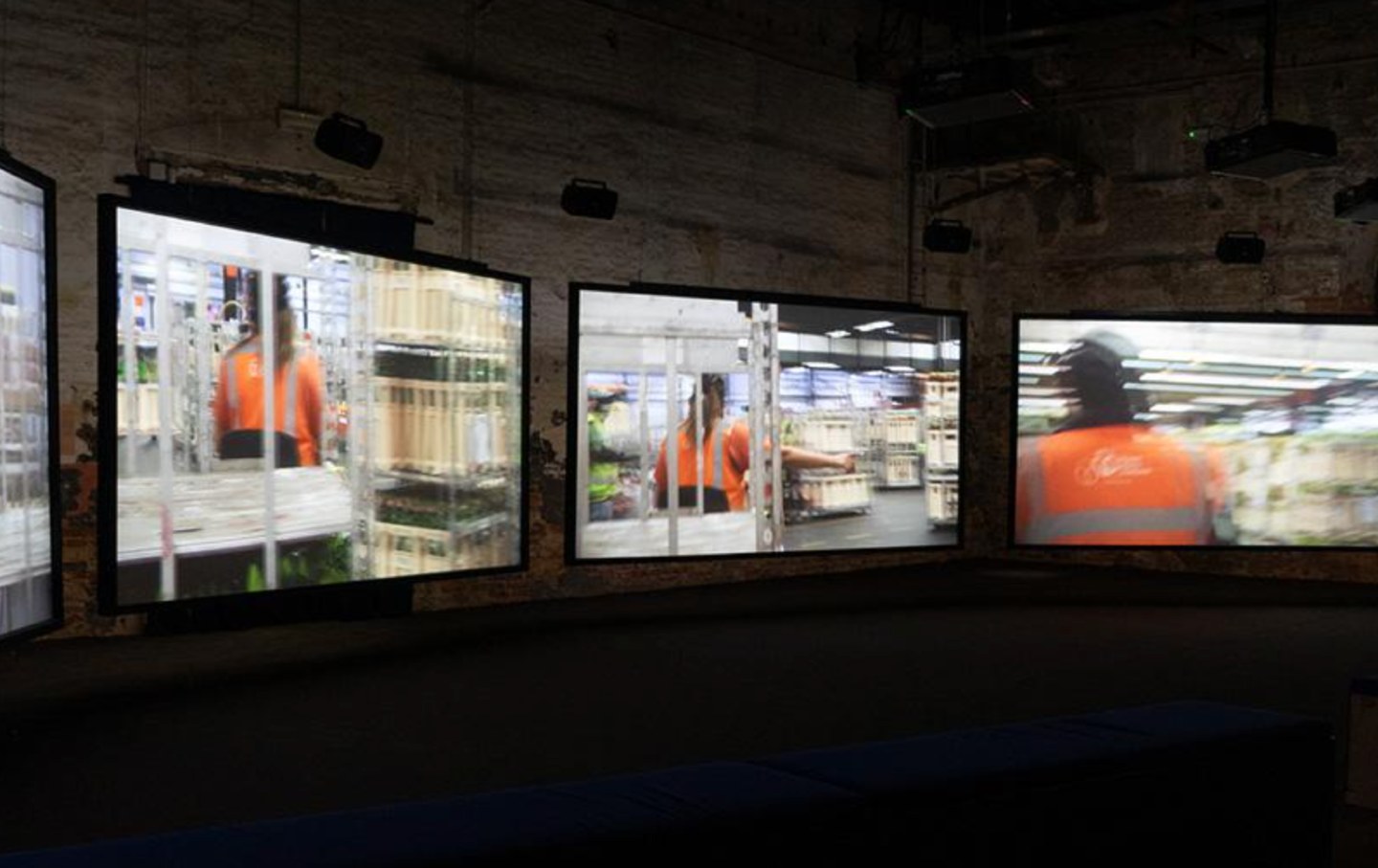
“In Minor Keys,” 61st Venice Biennale, 2026, installation view featuring Éric Baudelaire.

The Carnival of Venice Biennale The Carnival of Venice Biennale

That so much of the art of “In Minor Keys” is muted in effect is ironic, because so much of it is overproduced, aspirationally eye-catching, and so big.

Books & the Arts / Barry Schwabsky