
Now and Forever Now and Forever
April 25, 1994 I’ll settle for Immortality— Not thru the body Not thru the eyes Star spangled high mountains waning moon over Aspen peaks; But thru words, thru the breath of long sentences loves I have, heart beating still, inspiration continuous, exhalation of cadenced affection These immortal survive America, survive the fall of States Departure of my body, mouth dumb dust This verse broadcasts desire, accomplishment of Desire Now and forever boys can read girls ream, old men cry Old women sigh youth still come. 7/19/92, Aspen This article is part of The Nation’s 150th Anniversary Special Issue. Download a free PDF of the issue, with articles by James Baldwin, Barbara Ehrenreich, Toni Morrison, Howard Zinn and many more, here. Allen Ginsberg (1926–1997) published three poems in The Nation in the 1990s. A 1959 letter to the editor he co-wrote is reprinted in this issue.
Mar 23, 2015 / Books & the Arts / Allen Ginsberg

Which Direction Is the American Parade Headed? Which Direction Is the American Parade Headed?
Marching with the American Legion during the New Deal.
Mar 23, 2015 / Feature / John Dos Passos
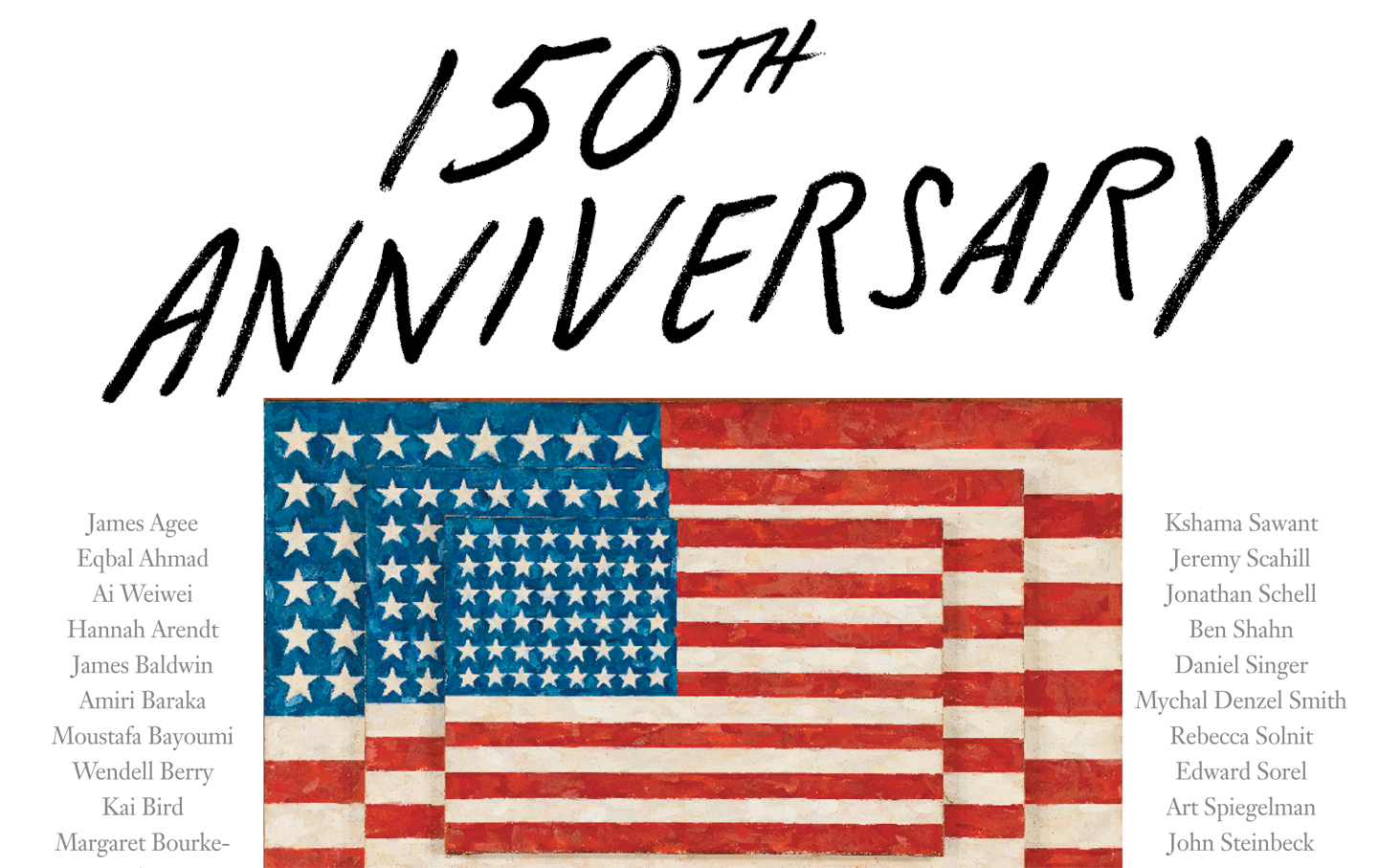
Testimonials to ‘The Nation’ Testimonials to ‘The Nation’
Encomiums from Elizabeth Warren, Rev. Jesse Jackson, Bernie Sanders and many more.
Mar 23, 2015 / Feature

Clickbait Has Plagued Journalism for 125 Years Clickbait Has Plagued Journalism for 125 Years
The dragging down of the mighty has been not unpleasing sport in all ages.
Mar 23, 2015 / Books & the Arts / E.L. Godkin and Rochelle Gurstein

Is the UK Labor Party Too Moderate to Be in Power? Is the UK Labor Party Too Moderate to Be in Power?
Its leaders speak the language of social concern, yet their strategy is marked by extreme caution, an avoidance of any appearance of radicalism.
Mar 23, 2015 / Books & the Arts / Edward Miliband
Home Song Home Song
March 24, 1926 Oh breezes blowing on the red hill-top By tall fox-tails, Where through dry twigs and leaves and grasses hop The dull-brown quails! Is there no magic floating in the air To bring to me A breath of you, when I am homesick here Across the sea? Oh black boys holding on the cricket ground A penny race! What other black boy frisking round and round, Plays in my place? When picnic days come with their yearly thrills In warm December, The boy in me romps with you in the hills— Remember! Paris, 1925 This article is part of The Nation’s 150th Anniversary Special Issue. Download a free PDF of the issue, with articles by James Baldwin, Barbara Ehrenreich, Toni Morrison, Howard Zinn and many more, here. Claude McKay (1889–1948), author of the novels Home to Harlem (1928) and Banjo (1929), only published this one poem in The Nation, but he also wrote three essays in the mid-1930s on race relations in New York City—including a firsthand report on the 1935 Harlem riot—and one travel dispatch from North Africa.
Mar 23, 2015 / Books & the Arts / Claude McKay
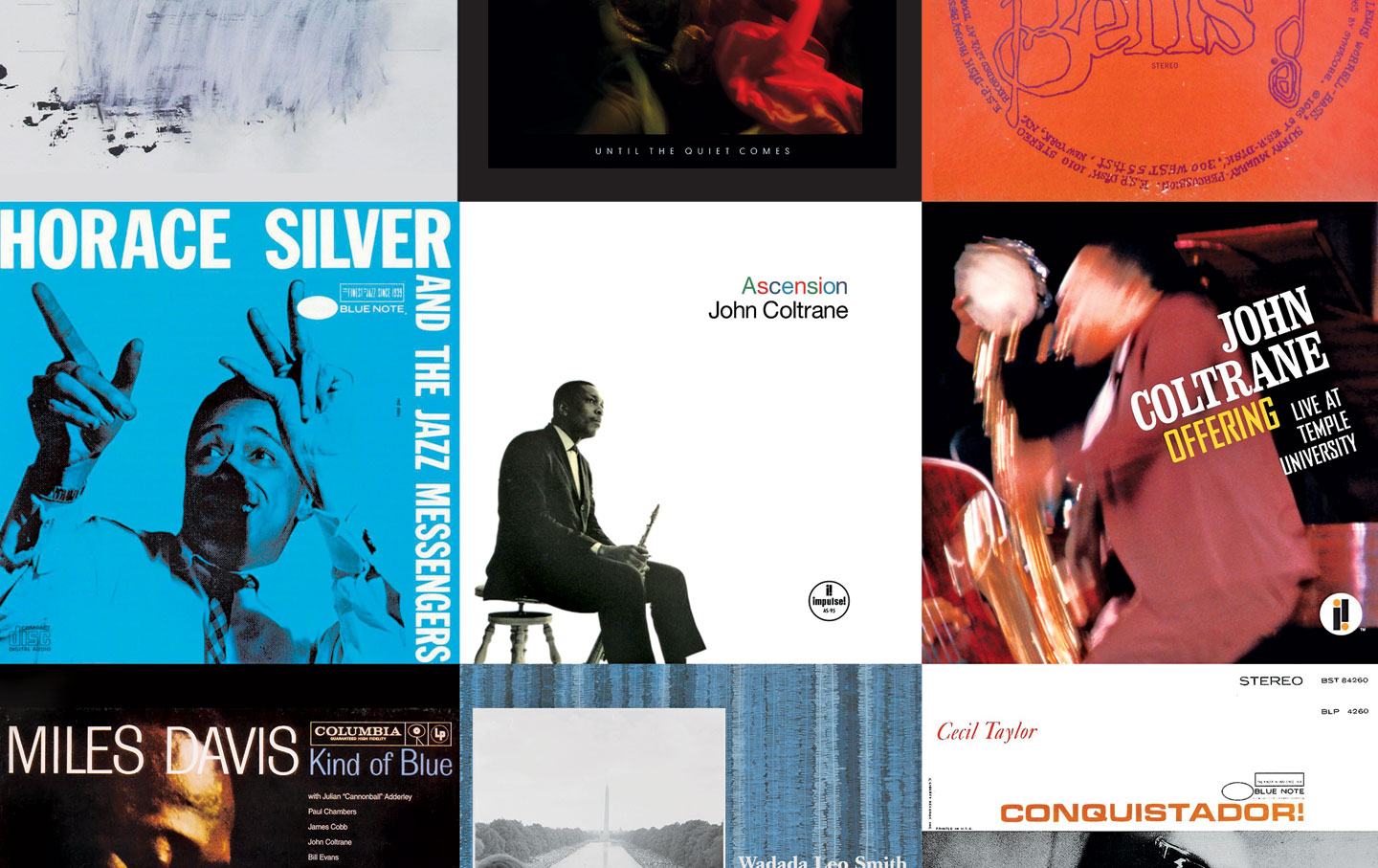
Have We Reached the End of Jazz Itself? Have We Reached the End of Jazz Itself?
John Coltrane and other “lost” musicians of the ’60s are teaching a new generation of artists to bend time and space.
Mar 23, 2015 / Books & the Arts / Gene Seymour
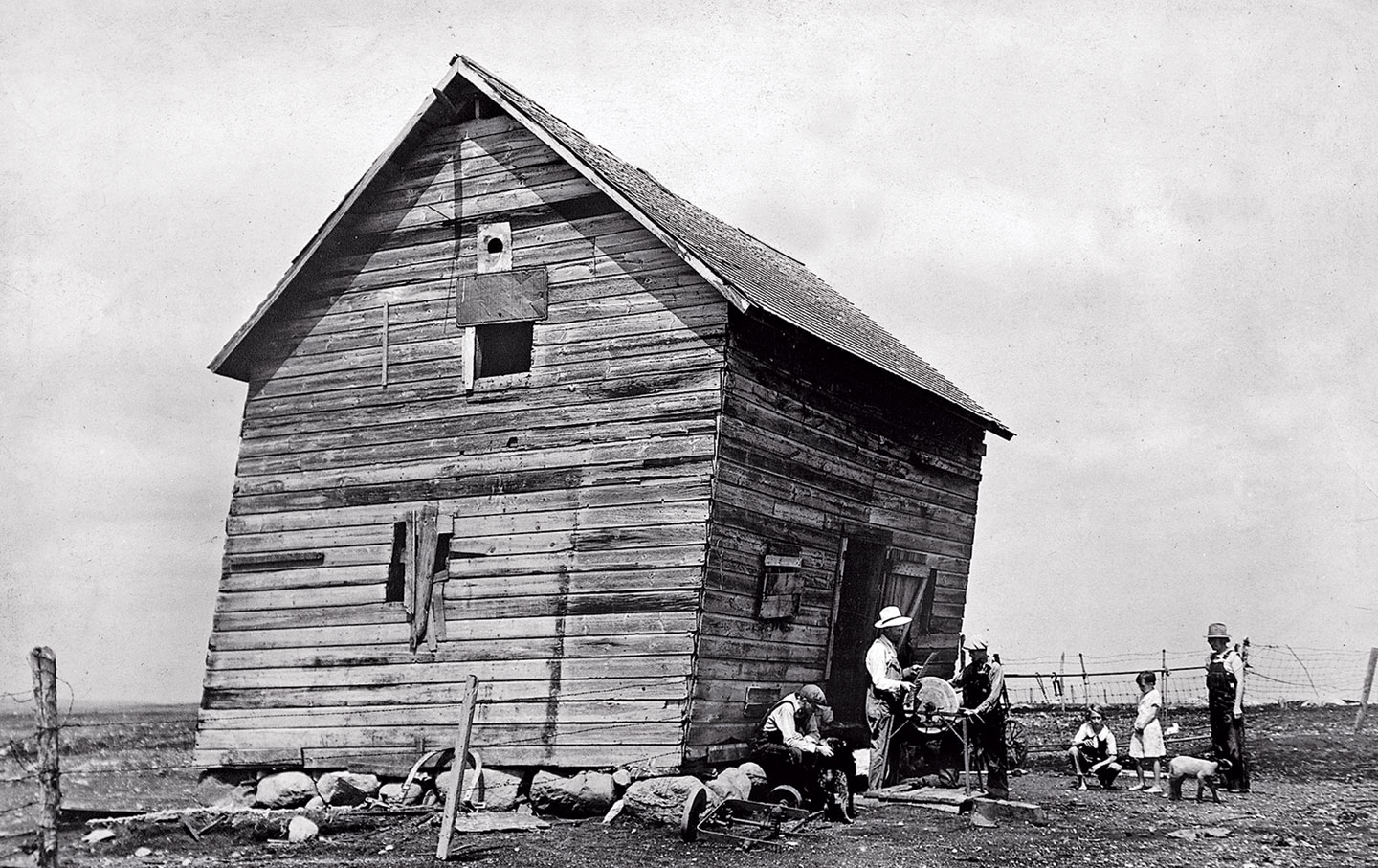
1935–1945: The Establishment of a Warless World Must Be Our Goal 1935–1945: The Establishment of a Warless World Must Be Our Goal
Communists are intolerant and ruthless, often unscrupulous, but they are also zealous, brave, and willing to put up with hardship and abuse.
Mar 23, 2015 / Feature / The Nation

American Imperialism: This Is When It All Began American Imperialism: This Is When It All Began
Accustomed to trampling democracy at home, jingoists cannot be expected to see its virtues abroad.
Mar 23, 2015 / Books & the Arts / Horace White and Elinor Langer
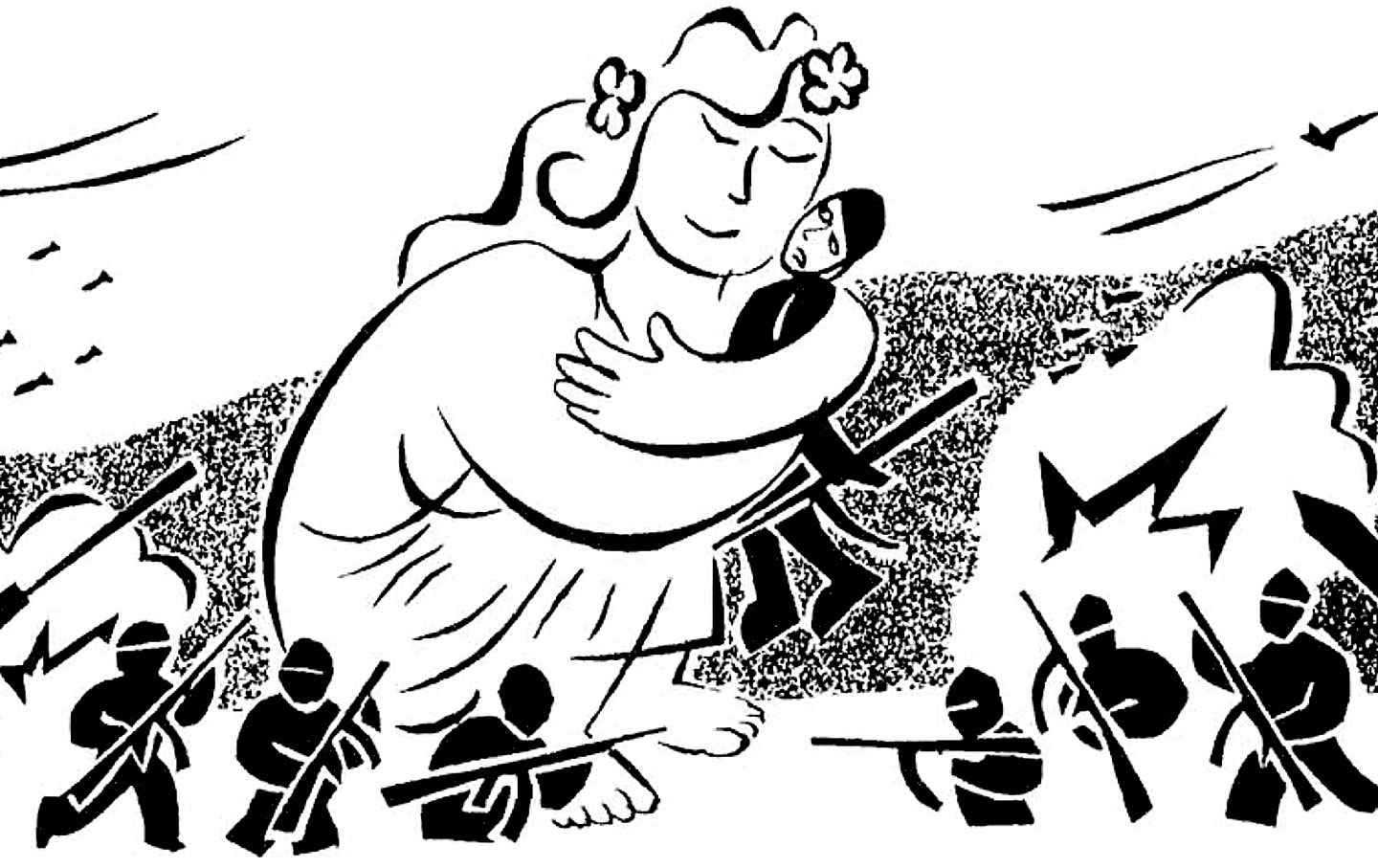
Are Women Morally Superior to Men? Are Women Morally Superior to Men?
Woman as sharer and carer, woman as earth mother, woman as guardian of small rituals—these images are as old as time.
Mar 23, 2015 / Books & the Arts / Katha Pollitt