
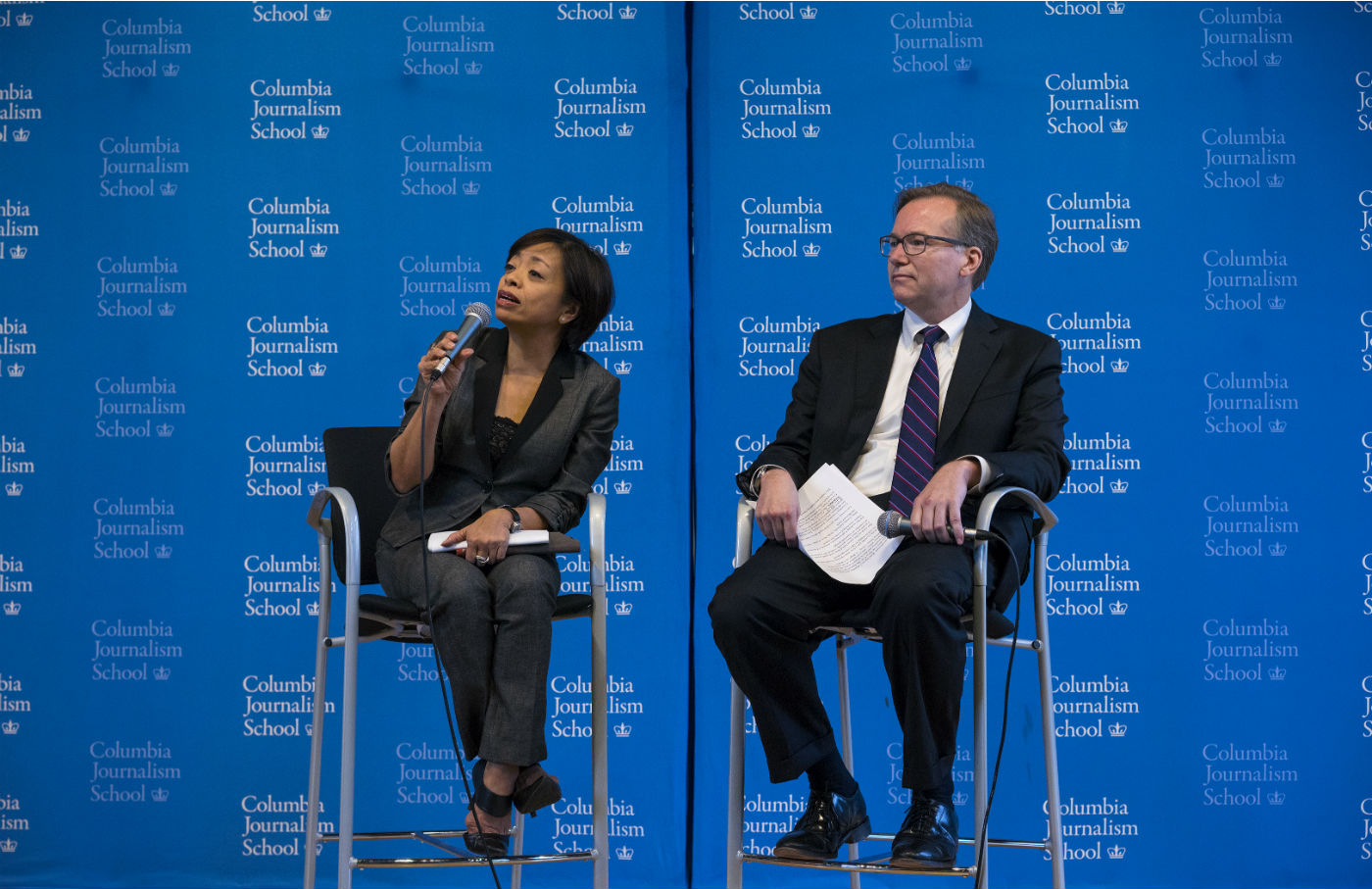
What Are ‘Nation’ Interns Reading the Week of 4/9/15? What Are ‘Nation’ Interns Reading the Week of 4/9/15?
What Are ‘Nation’ Interns Reading the Week of 4/9/15?
Apr 9, 2015 / Books & the Arts / StudentNation
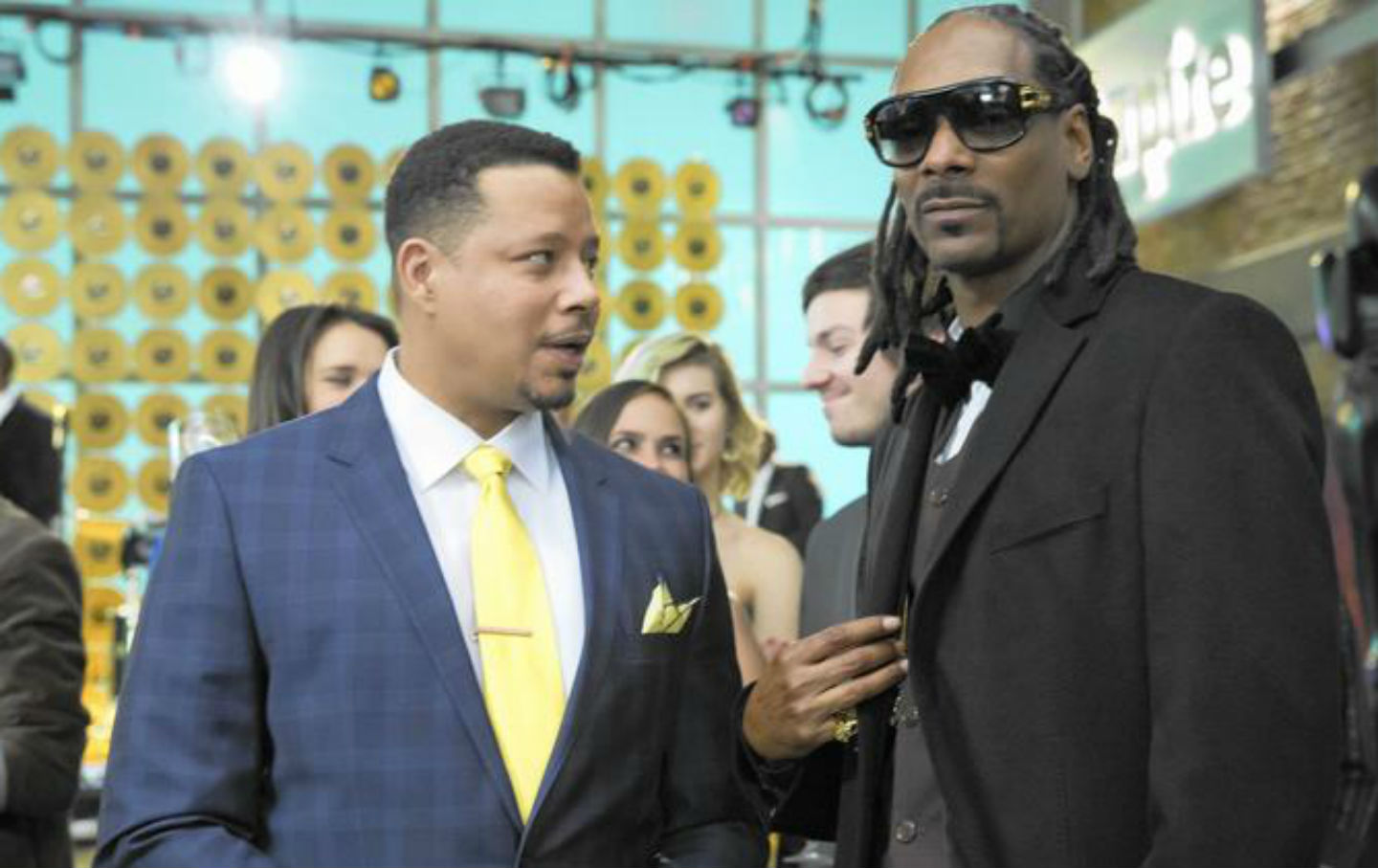
Jobs and Empire Jobs and Empire
The music of Empire is the theology of capitalism.
Apr 8, 2015 / Books & the Arts / Joshua Clover
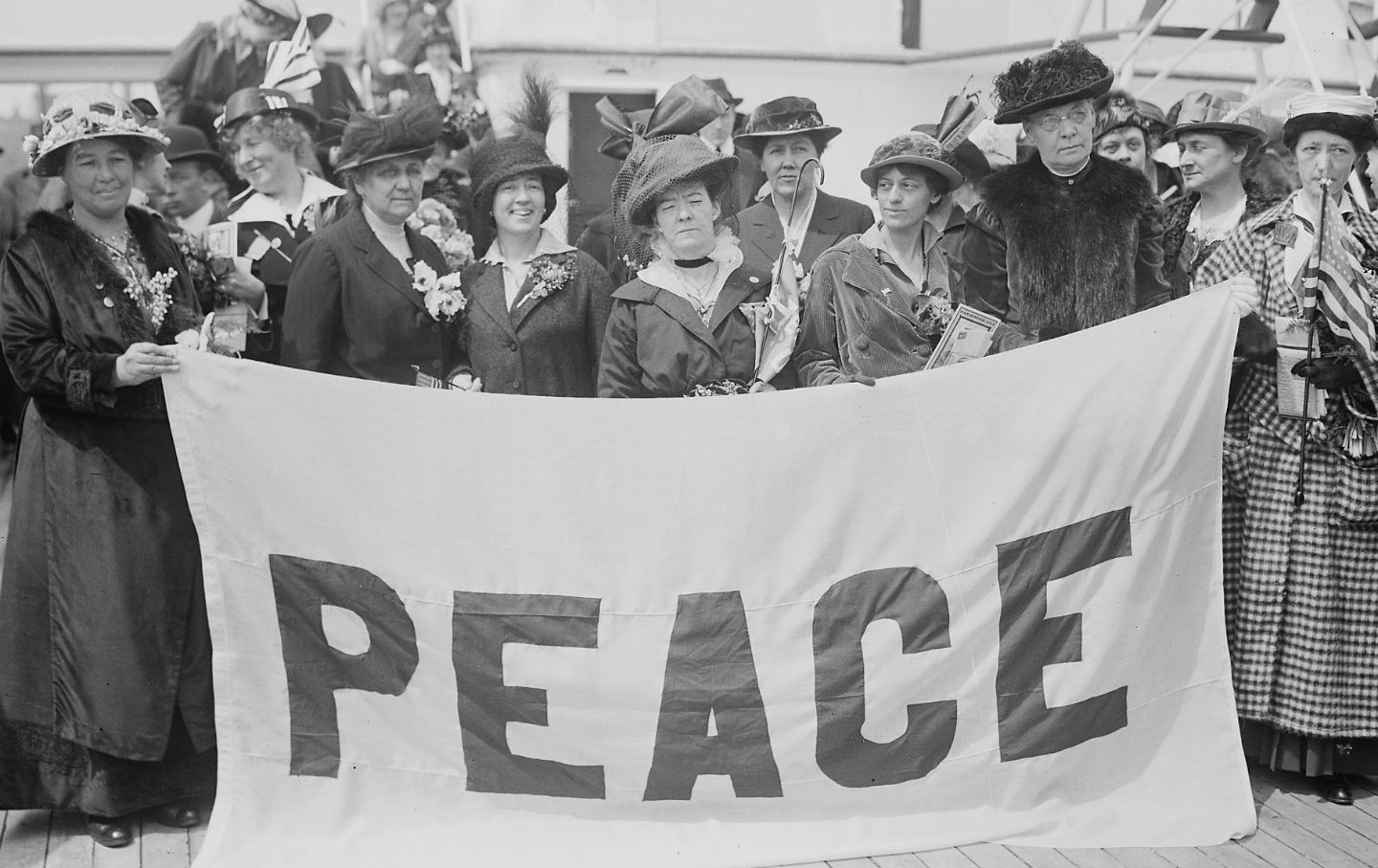
‘The Nation’ and WILPF: Entwined Histories, Entwined Destinies ‘The Nation’ and WILPF: Entwined Histories, Entwined Destinies
The League’s co-founder, a Nobel Peace Prize laureate and a Nation staff editor, was known in the magazine’s offices for her habit of “absently nibbling raisins a...
Apr 8, 2015 / Back Issues
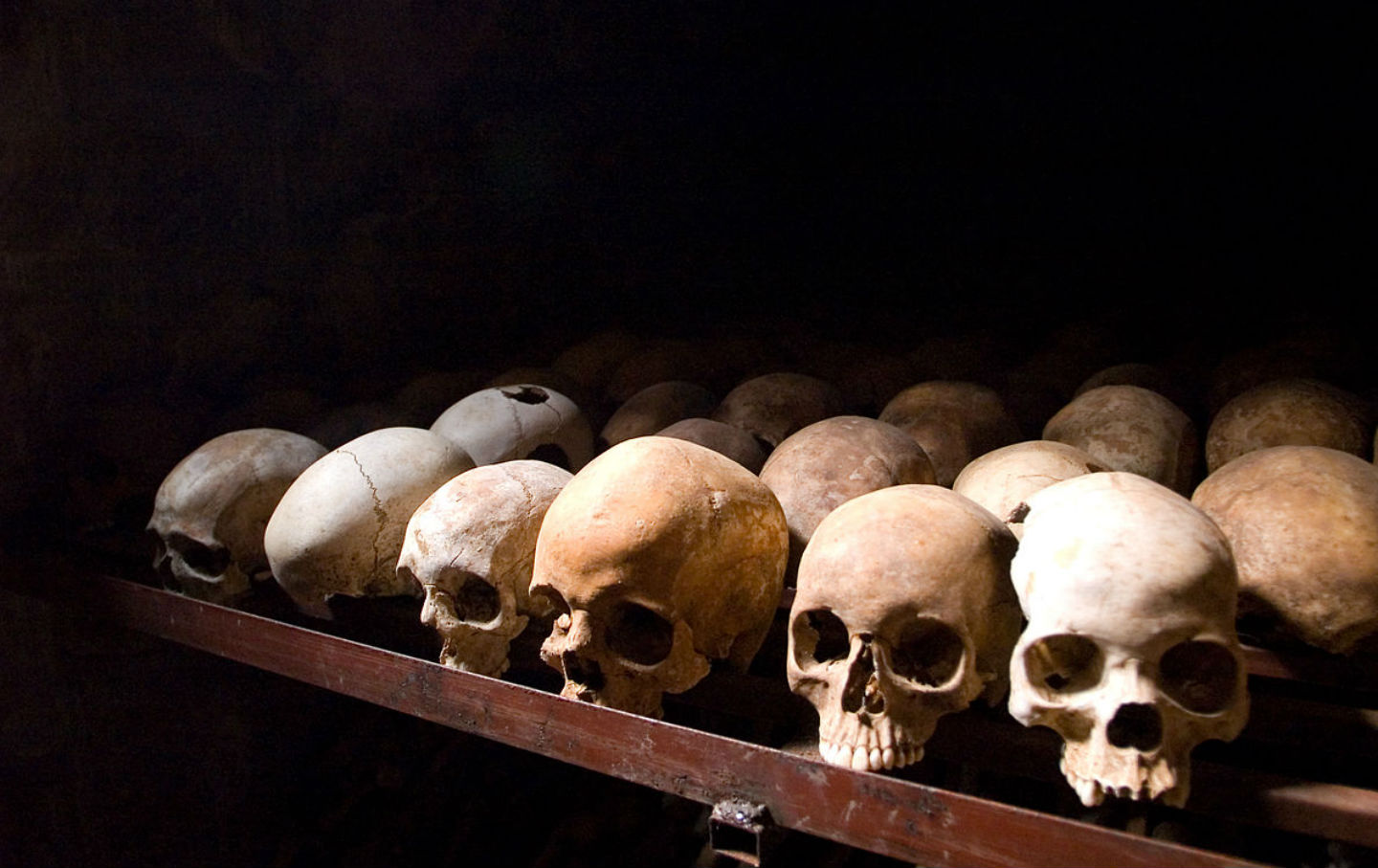
April 7, 1994: The Rwandan Genocide Begins April 7, 1994: The Rwandan Genocide Begins
“Uganda denies it, Egypt and South Africa will not comment, and France has yet to fully disclose its role.”
Apr 7, 2015 / Richard Kreitner and The Almanac
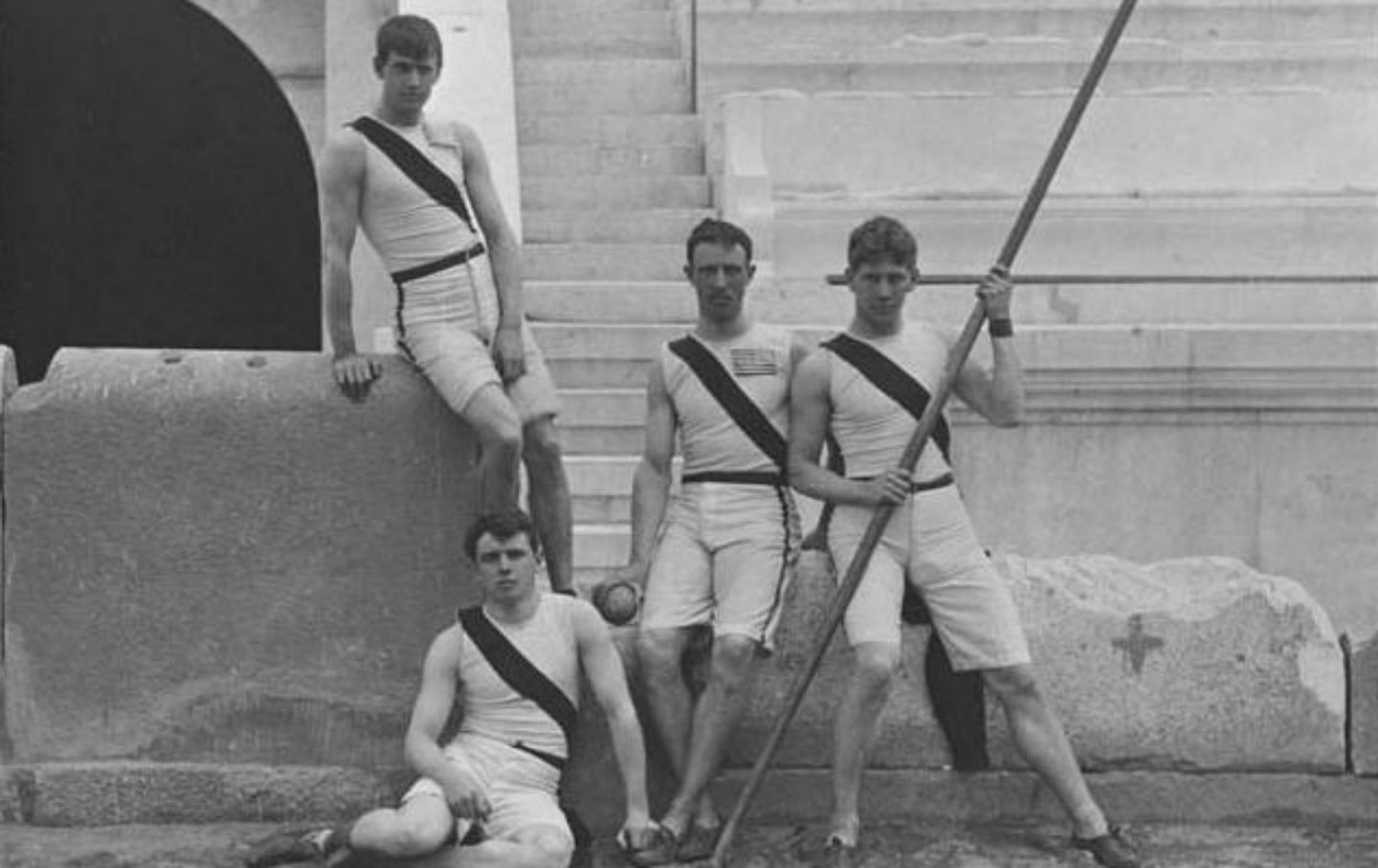
April 6, 1896: The First Modern Olympics Open in Athens April 6, 1896: The First Modern Olympics Open in Athens
The Games arrived, The Nation reported, “at a time when the frivolous policy of the best of Greek statesmen has landed the Greek kingdom in the slough of bankruptcy, and done the w...
Apr 6, 2015 / Richard Kreitner and The Almanac

What Are ‘Nation’ Interns Reading the Week of 4/3/15? What Are ‘Nation’ Interns Reading the Week of 4/3/15?
What Are ‘Nation’ Interns Reading the Week of 4/3/15?
Apr 3, 2015 / Books & the Arts / StudentNation
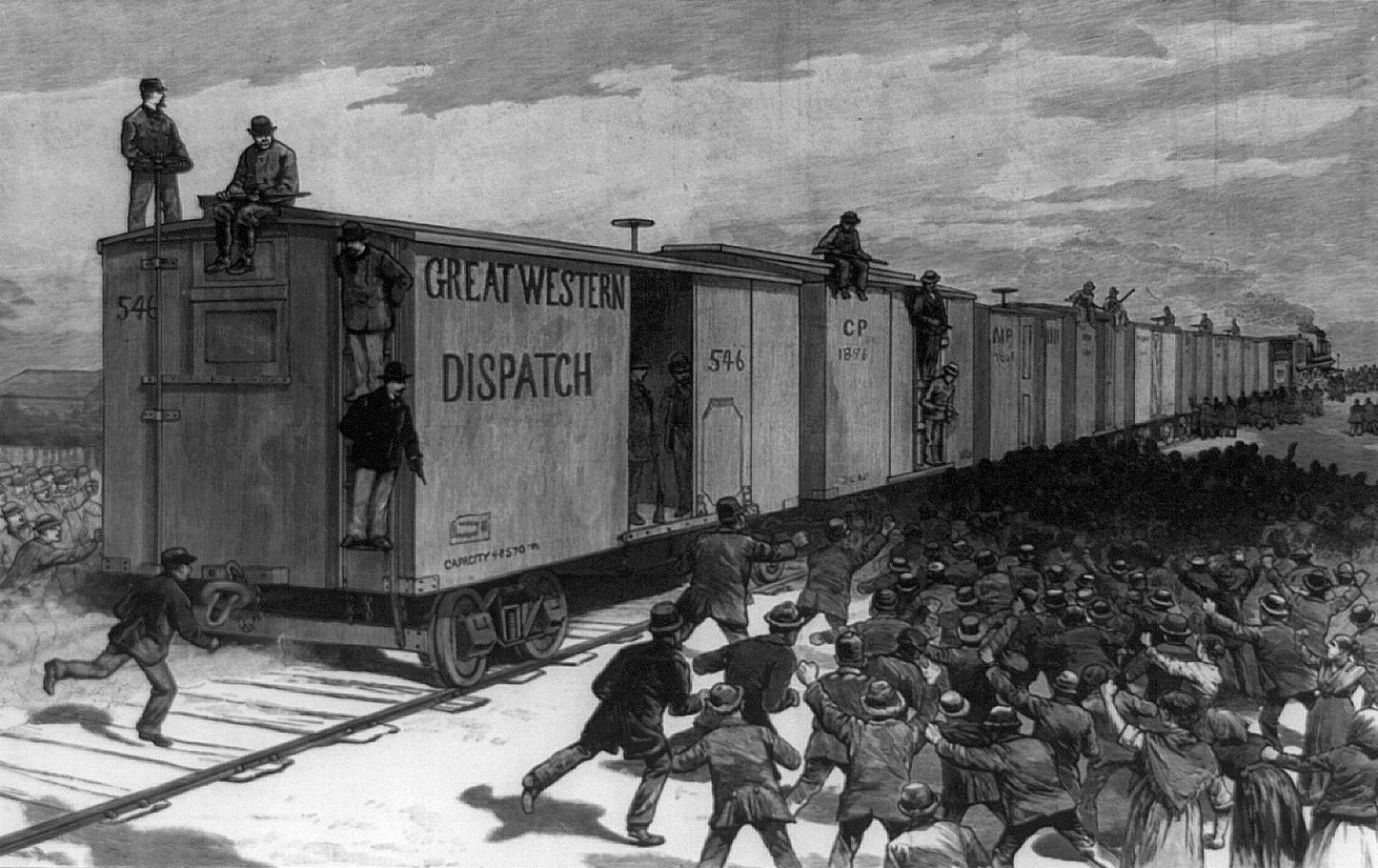
What We Can Learn From the Workers, Activists and Even Politicians Who Tore Down the First Gilded Age What We Can Learn From the Workers, Activists and Even Politicians Who Tore Down the First Gilded Age
Americans were furious at the inequalities of their country 200 years ago. Could they get as angry today?
Apr 2, 2015 / Books & the Arts / Steve Fraser
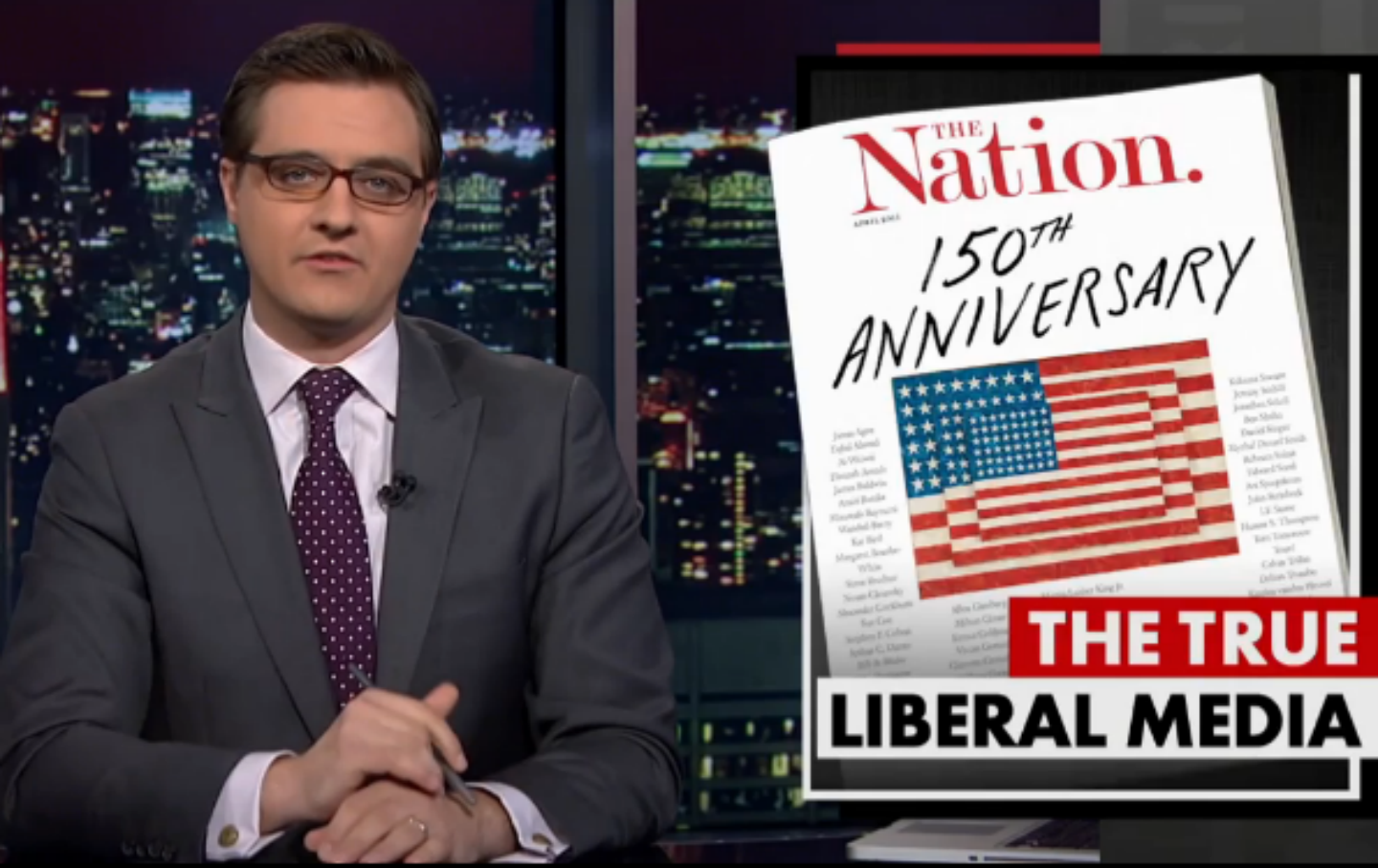
Chris Hayes: Why We Need ‘The Nation’ Today Chris Hayes: Why We Need ‘The Nation’ Today
MSNBC's Chris Hayes celebrates The Nation's 150th anniversary.
Apr 1, 2015 / Books & the Arts / Press Room

Trevor Noah’s Tweets Are Awful and Sexist. Don’t Fire Him for Them. Trevor Noah’s Tweets Are Awful and Sexist. Don’t Fire Him for Them.
The best response to the new Daily Show host’s sexism would be to put more women in the writers’ room.
Mar 31, 2015 / Books & the Arts / Michelle Goldberg

Animal Education Animal Education
War between men and dogs looms in the Budapest of White God; Ethan Hawke pays homage to New York City’s greatest piano teacher in Seymour: An Introduction.
Mar 31, 2015 / Books & the Arts / Stuart Klawans