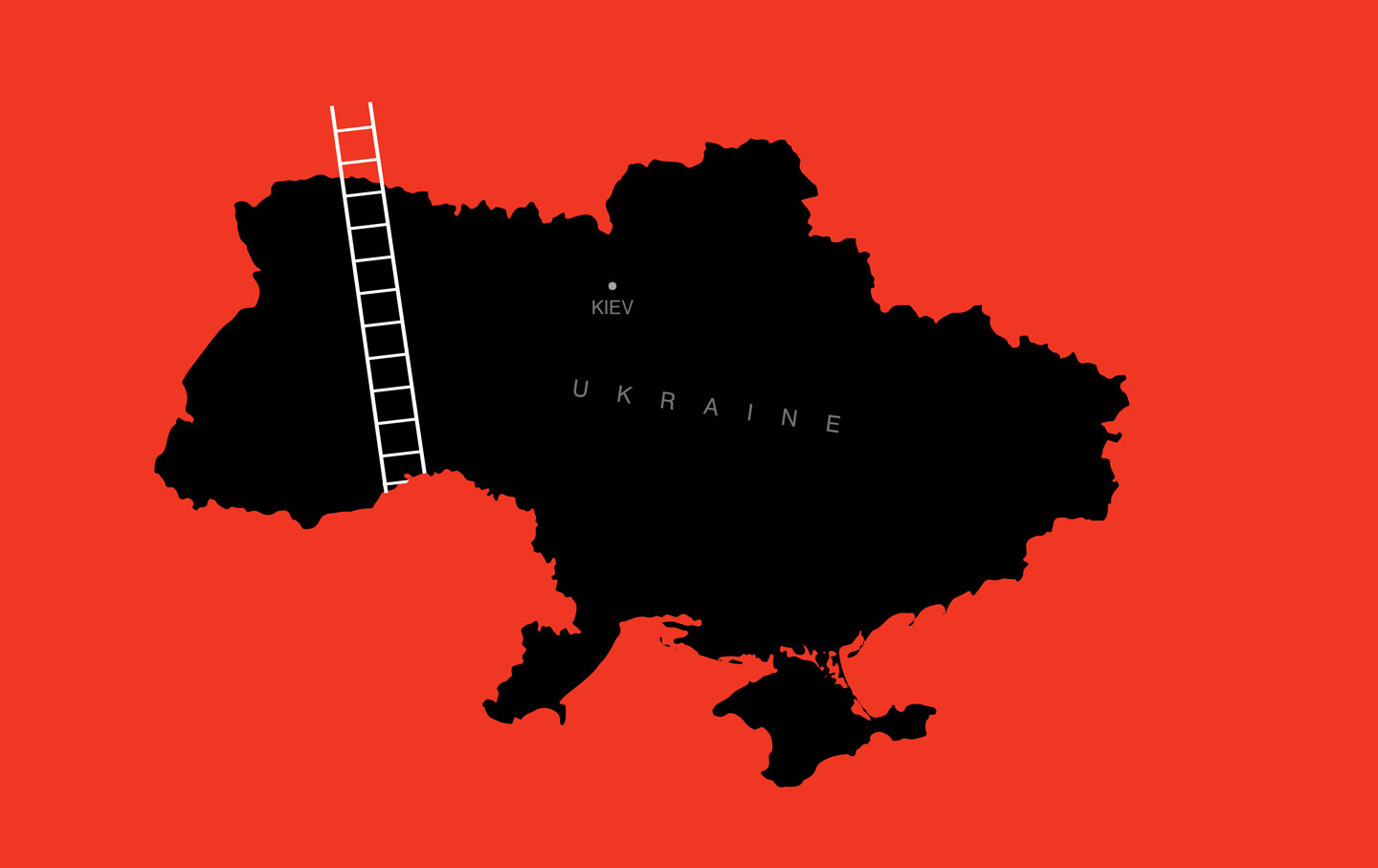
The Deep Roots of the Ukraine Crisis The Deep Roots of the Ukraine Crisis
We must rethink the post–Cold War security order.
Apr 15, 2015 / Feature / Richard Sakwa

Liberalism as a Fighting Faith Liberalism as a Fighting Faith
Larry Sidentop re-imagines the origins of liberalism.
Apr 14, 2015 / Books & the Arts / James Miller
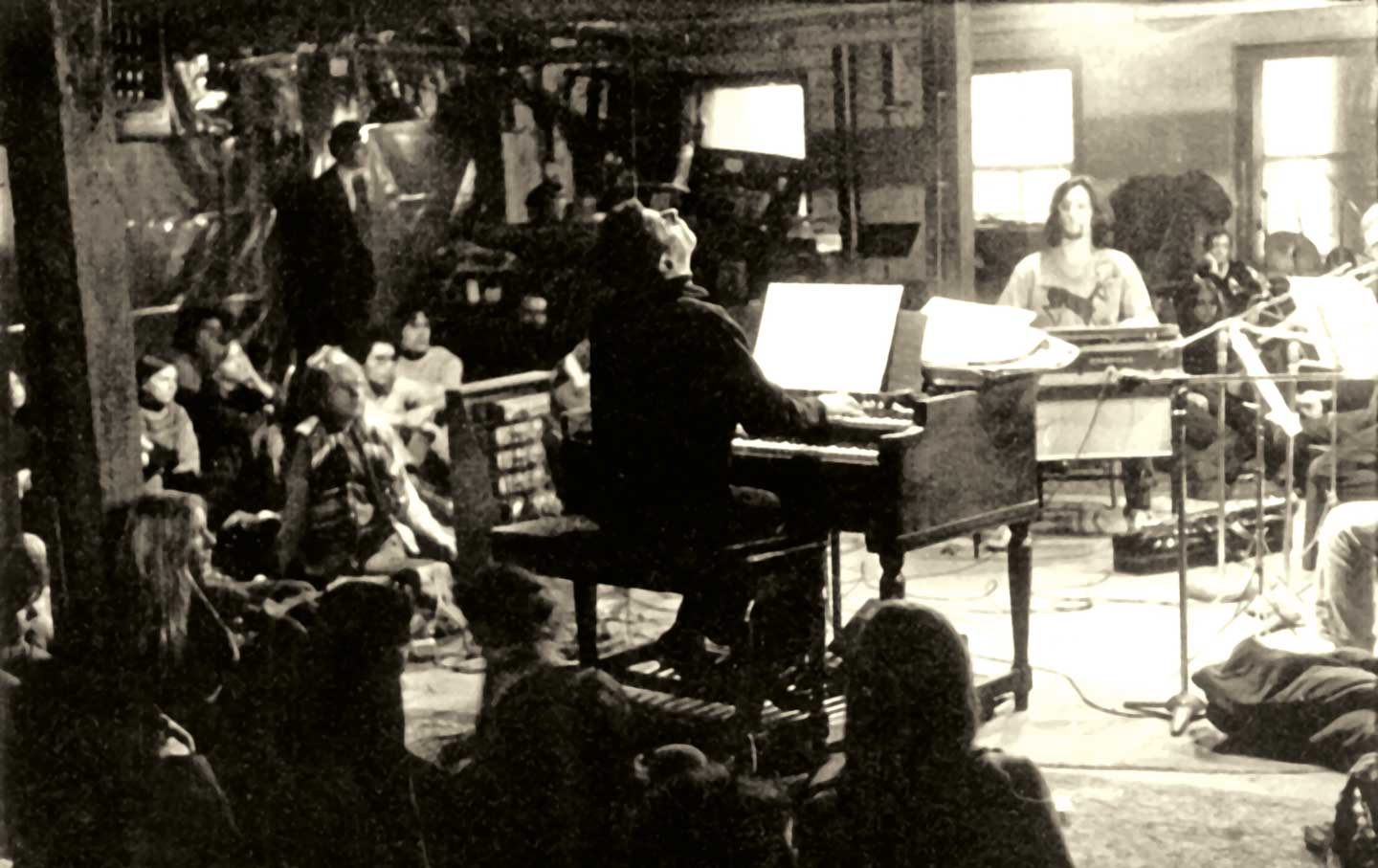
Words for Music Perhaps Words for Music Perhaps
Warm and unaffected, Philip Glass’s memoir is nothing like his music.
Apr 14, 2015 / Books & the Arts / David Hajdu

How to Die How to Die
Atul Gawande argues that physicians should focus care on the good life—including its very end.
Apr 14, 2015 / Books & the Arts / Sophia Rosenfeld
Pinwheel Pinwheel
In the back of my classroom stands Blake’s car Bearing Dante’s blest Beatrice; In martial middle, ranked desks, each Packing a lexicon in undercarriage; On one book’s pressed pages, surprise!—a raised Nazi swastika. Find the kid who did it, turn him in to turn Him out? Or claim “a teaching moment,” Redeem the inditer, if woe Like that might ever be removed, might ever Cease being banal? Maybe one should give Credit—extra—for burning Hate not on synagogue wall or lav stall, But on language itself, on thought, A ready reference, a wrought Consciousness, edginess? Perhaps one must Pass on the sinner instead, deal with just The sin, that is, in all Literalness—save at least time and trouble, Change what can be changed, blacken out The offense with more ink (no doubt A “cover-up,” but what the hell)? Would “Wite- Out” be better? Or the ultimate hit, Scissor snipping, eh, bubba? We mouth each day, “…with liberty and justice For all,” and study Douglass, Twain, Truth, Addams, Joseph, Peltier, Tan, Cisneros, King, and on, but to what end? The Indian benediction is bent Backwards, blessing made curse, Love made hate, again and again, a wheeling Known all too well. Wheel, whorl, Blake-Dante Vortex, spirit-world spinning on, Esti, asti, ist, is… This then: add four More arms, close the figure, window it. More Pinwheel, if you will. Still.
Apr 14, 2015 / Books & the Arts / Rod Kleber
Shelf Life Shelf Life
In Nell Zink’s The Wallcreeper, biology fails to determine anything at all.
Apr 14, 2015 / Books & the Arts / Hannah Gold

Grim Reaper Edition Grim Reaper Edition
The best live shows, audiobooks and Eric's funeral playlist: it's all inside today's Altercation.
Apr 14, 2015 / Books & the Arts / Eric Alterman
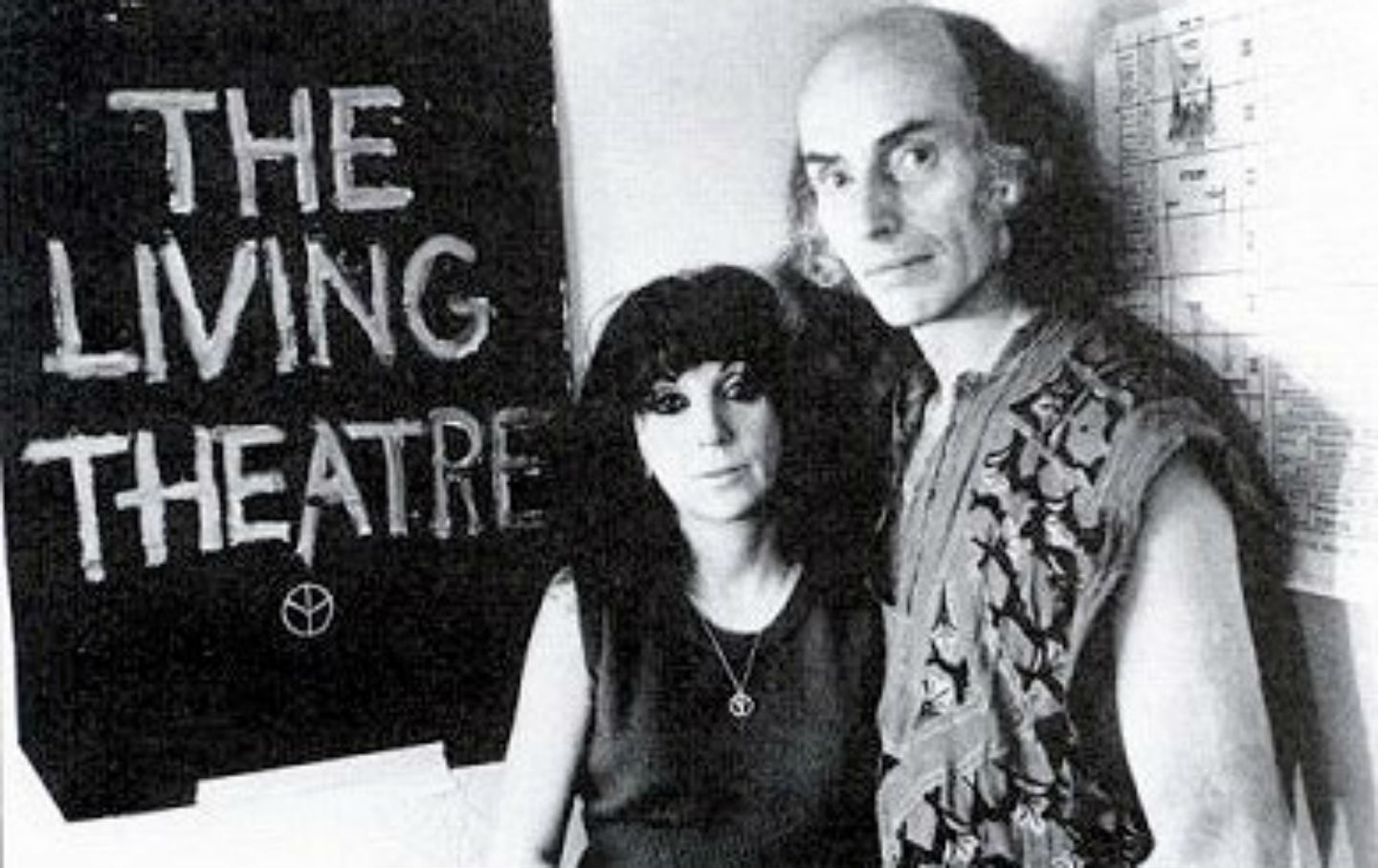
The ‘Immortal’ Judith Malina, 1926–2015 The ‘Immortal’ Judith Malina, 1926–2015
The founder of the Living Theater was absolute about her principles as a pacifist anarchist, yet never dismissive or judgmental toward those who didn’t share them.
Apr 13, 2015 / Books & the Arts / Alisa Solomon
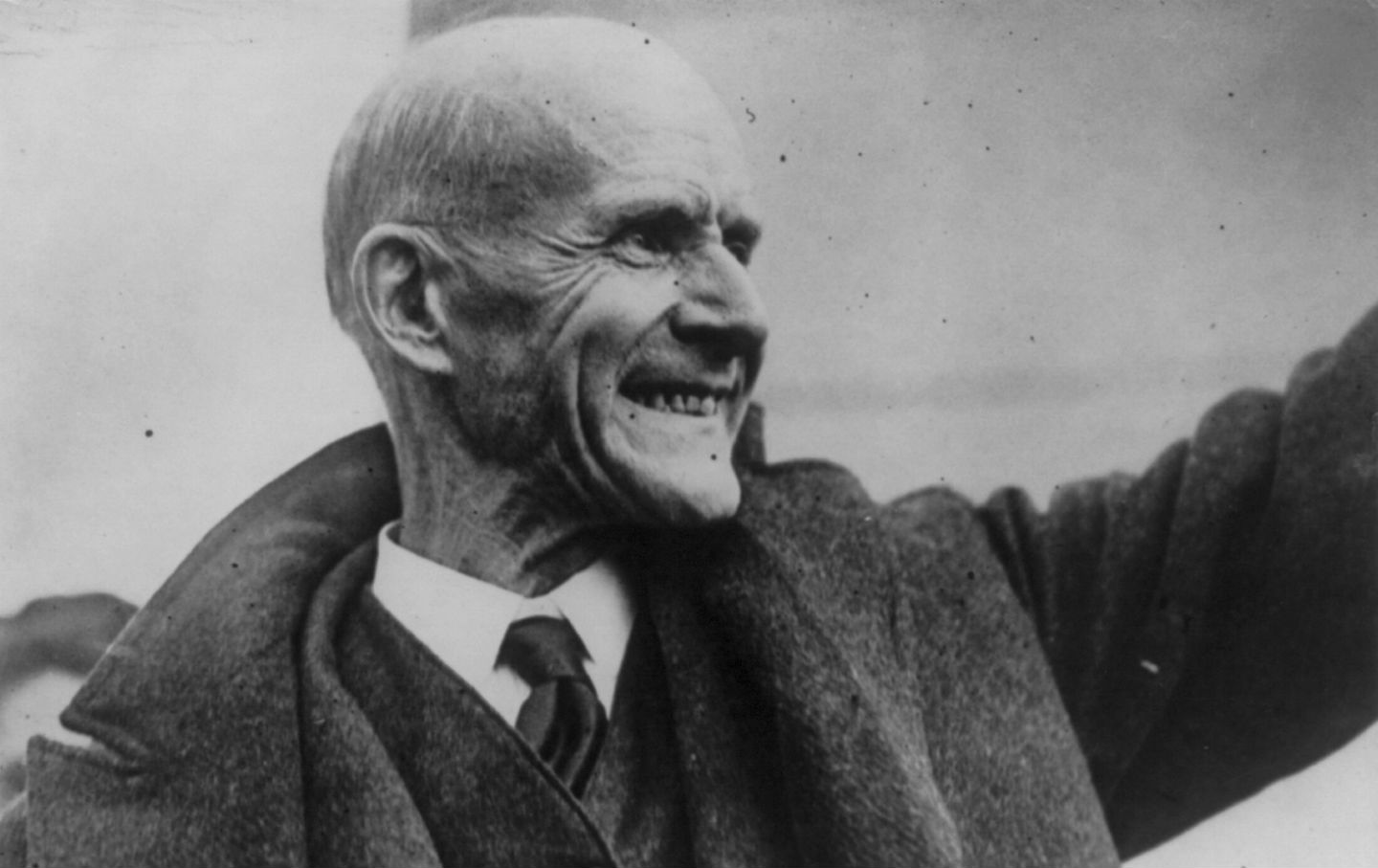
April 13, 1919: Eugene V. Debs Is Sent to Prison April 13, 1919: Eugene V. Debs Is Sent to Prison
“How can you punish a man with so compelling a consciousness of the right?”
Apr 13, 2015 / Richard Kreitner and The Almanac
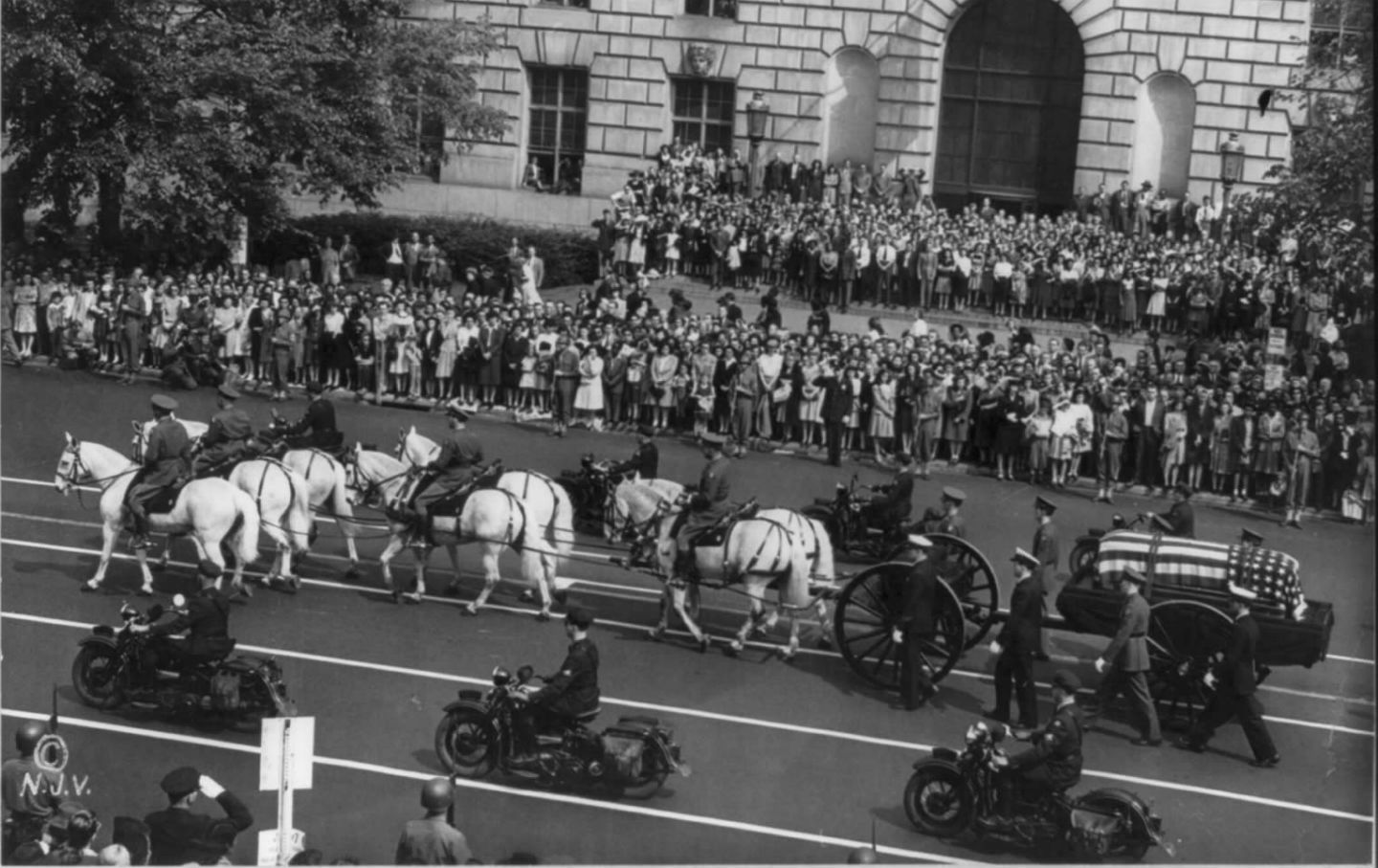
April 12, 1945: President Franklin D. Roosevelt Dies April 12, 1945: President Franklin D. Roosevelt Dies
“To countless millions,” The Nation wrote, “he was America.”
Apr 12, 2015 / Richard Kreitner and The Almanac