
How to Win the Next 250 Years for the Working Class
It begins with building back a strong union movement
rooted in deep solidarity.
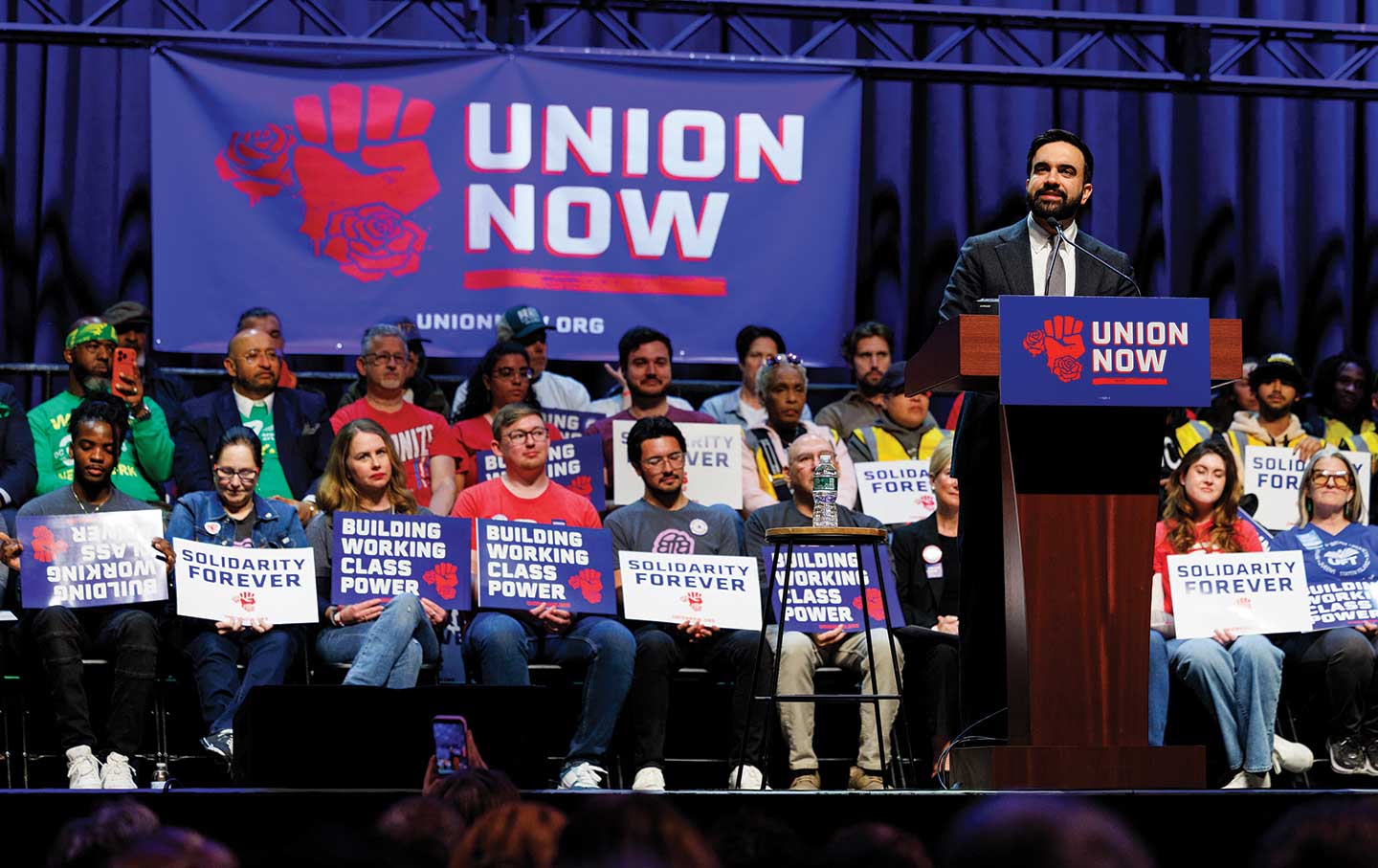
Picking up the banner: The labor-activist group Union Now was founded with support from Zohran Mamdani and Bernie Sanders.
(Jason Alpert-Wisnia / Hans Lucas / AFP via Getty Images)
As the United States marks its 250th anniversary, you’ll hear a lot about the progress that’s been made in this country. What you won’t hear about is the progress that’s been undone by the oligarchs, who have been horrifyingly successful at exploiting our labor for their profit.
For the past 80 years—beginning with the passage of the Taft-Hartley Act, which limited the right to strike and engage in other forms of mass action—corporate interests have been fighting to restrict union power. They’ve been aided by both the courts, which have sided with corporations to further erode labor law, and a long succession of presidents. When Ronald Reagan fired the striking air-traffic controllers in 1981, corporate interests saw his action as a green light to aggressively attack workers and their unions. Lopsided trade deals and consolidation further hastened the loss of union jobs, to devastating effect. As union density has fallen, wages have also dropped, with corporations and billionaires slurping up the profits.
250 Years of Searching for a More Perfect Union
This is the recent history of the United States—the history that is rarely taught in our schools or debated in our Congress. To put things in perspective, consider this: After generations of assaults on working people, the ultra-rich have now hoarded more wealth than the industrial tycoons of the Gilded Age.
Back then, when robber barons ruled over the US economy, workers had no legal right to demand their fair share of the profits. But they organized anyway. From the late 19th century through the 1920s, they built solidarity, made demands, and launched epic strikes against the coal barons, steel magnates, textile producers, and owners of the docks, railroads, and transportation industries.
Where true solidarity took root—where workers looked past the differences that bosses used to divide us—they won. As the Great Depression gripped the nation, white tradesmen and Black assembly-line workers joined in a common cause. Immigrant, US-born, and Native workers linked arms on picket lines. Men and women stood shoulder to shoulder because they knew they needed one another.
Working-class solidarity transformed the political, economic, and social dynamics of the United States during this period. In 1932, Franklin Roosevelt won the presidency on a wave of anger at the wealthy elite who had crashed the economy. With pressure from a mobilized working class—which organized and struck—he soon enacted the National Labor Relations Act, which set the stage for unions to fundamentally change the social contract in our workplaces and our society. And with the support of a strong labor movement, he established Social Security and the minimum wage—just as, three decades later, that same solidarity gave Lyndon Johnson the power to enact Medicare, Medicaid, and the Civil Rights Act of 1964.
For decades, solidarity moved our economy and our country forward. Workers started to believe that progress, ushered in by strong unions and their allies in the civil-rights and consumer-rights movements, was inevitable. But then corporations set out to destroy the unions, and too many unions stopped mobilizing and began to treat membership like an insurance policy rather than a radical act of solidarity. They forgot the lesson that the great labor organizer Mother Jones taught us more than 120 years ago: “We do not want to find fault with each other, but to solidify our forces and say to each other: ‘We must be together; our masters are joined together and we must do the same thing.’”
And the capitalists did join together. Unions were already in decline when Reagan arrived in office and began attacking unions and deregulating Wall Street. Faced with an administration that turned corporate greed into coercive policy, many unions turned inward rather than fight for the future. Corporate CEOs and billionaire investors used hedge funds, privatization and deregulation schemes, and warped tax policies to forge an economy that enriched them by disempowering workers. They bought off politicians and remade the courts. Their judicial lackeys declared that corporations were people and money was speech. They corrupted our economy and our democracy by stealing workers’ labor and their voice.
Today, the ultra-billionaires and their allies believe they have won. They embrace corruption with the bravado of people who think that no one is ever going to hold them to account.
But the American people disagree. Unions are more popular now than they have been for generations. Gallup polls show that approval for organized labor has reached levels not seen since the late 1950s and early ’60s. Americans want strong unions, and they want to join the fights those unions wage. When 19 baristas in Buffalo voted in 2021 to form a union, they set off a wave of organizing in coffee shops nationwide. After the United Auto Workers won their historic “Stand-Up Strike” in 2023 and brought the Big Three to their knees, more than 10,000 nonunion autoworkers signed union cards.
Unfortunately, while support for union power is growing, the scales are still tipped against organized workers. Barely one in 10 workers has a union at their job—and in the private sector, that number is barely one in 17. But we also know that, just as it took radical solidarity to wrest our economy and our democracy out of the hands of robber barons, it will take radical solidarity to do it again. That’s why, in this 250th year of the American experiment, people who recognize the necessity of unions have set out to make some history of our own.
In April, Union Now was founded with support from Vermont Senator Bernie Sanders and New York City Mayor Zohran Mamdani as well as established leaders of unions and a new generation of activists. The group’s purpose is to expand union density by enlarging the pool of resources that can support workers who are organizing or striking for recognition and first contracts. It’s time for the 70 percent of Americans who approve of unions to be able to have one—and to write a new history for democracy in both the workplace and the public square. The bosses have controlled too much of America’s first 250 years. We need to fight to win the next 250 years for the working class, to return the nation to its rightful owners: the people.
More from The Nation

The Accidental Activists of Data Center Alley The Accidental Activists of Data Center Alley
These would-be rebels in Northern Virginia joined the fight against data centers mostly to stop the encroachment on their homes and exclusive private communities.

An Effective Movement for Palestine Needs Allies Like Zohran Mamdani An Effective Movement for Palestine Needs Allies Like Zohran Mamdani
In order to build a broad-based coalition, we need to work together—not practice purity politics.
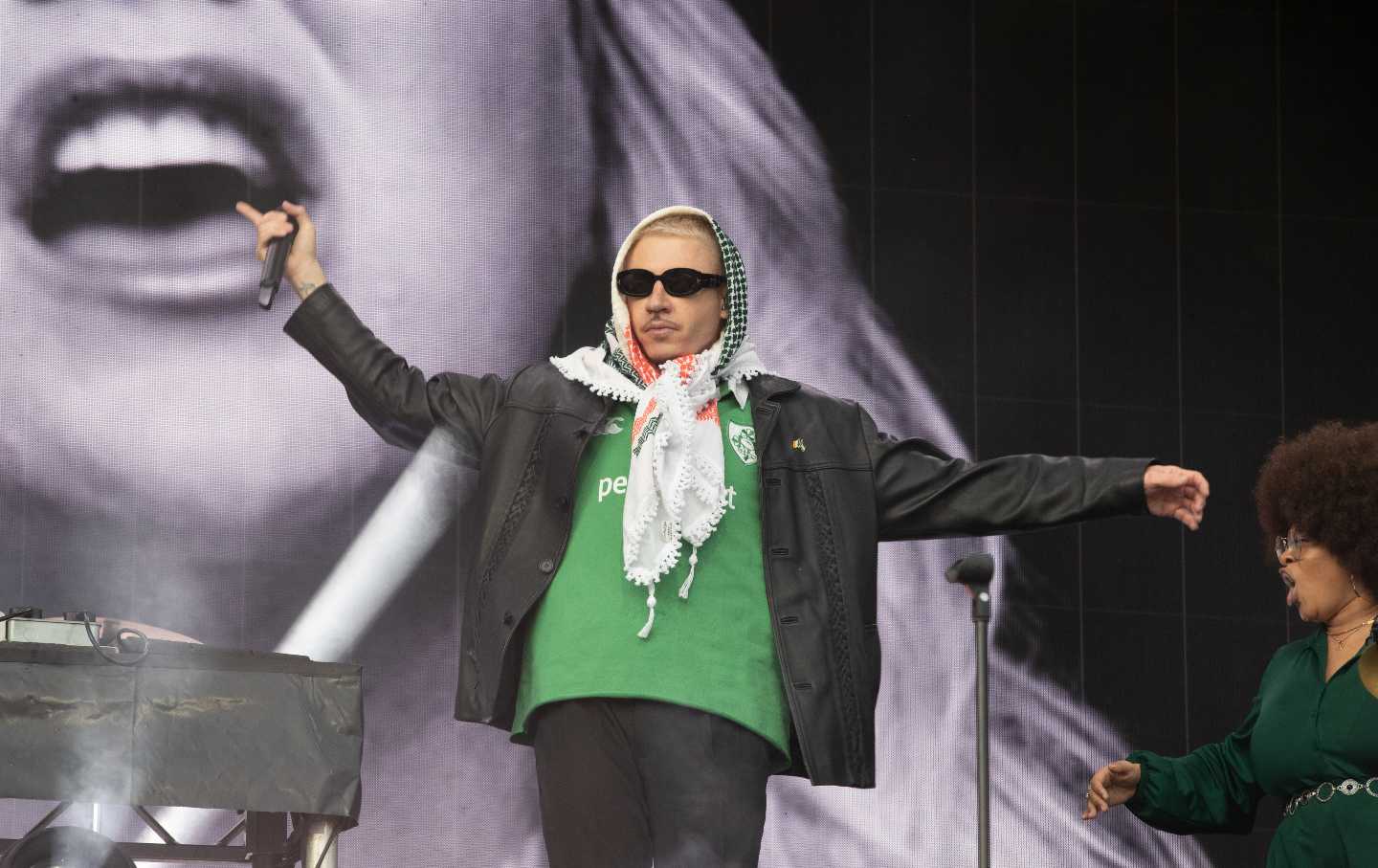
The First Amendment Applies to Concert Stages Too The First Amendment Applies to Concert Stages Too
Protests like that of Macklemore on Palestine should never be silenced by billionaire owners.
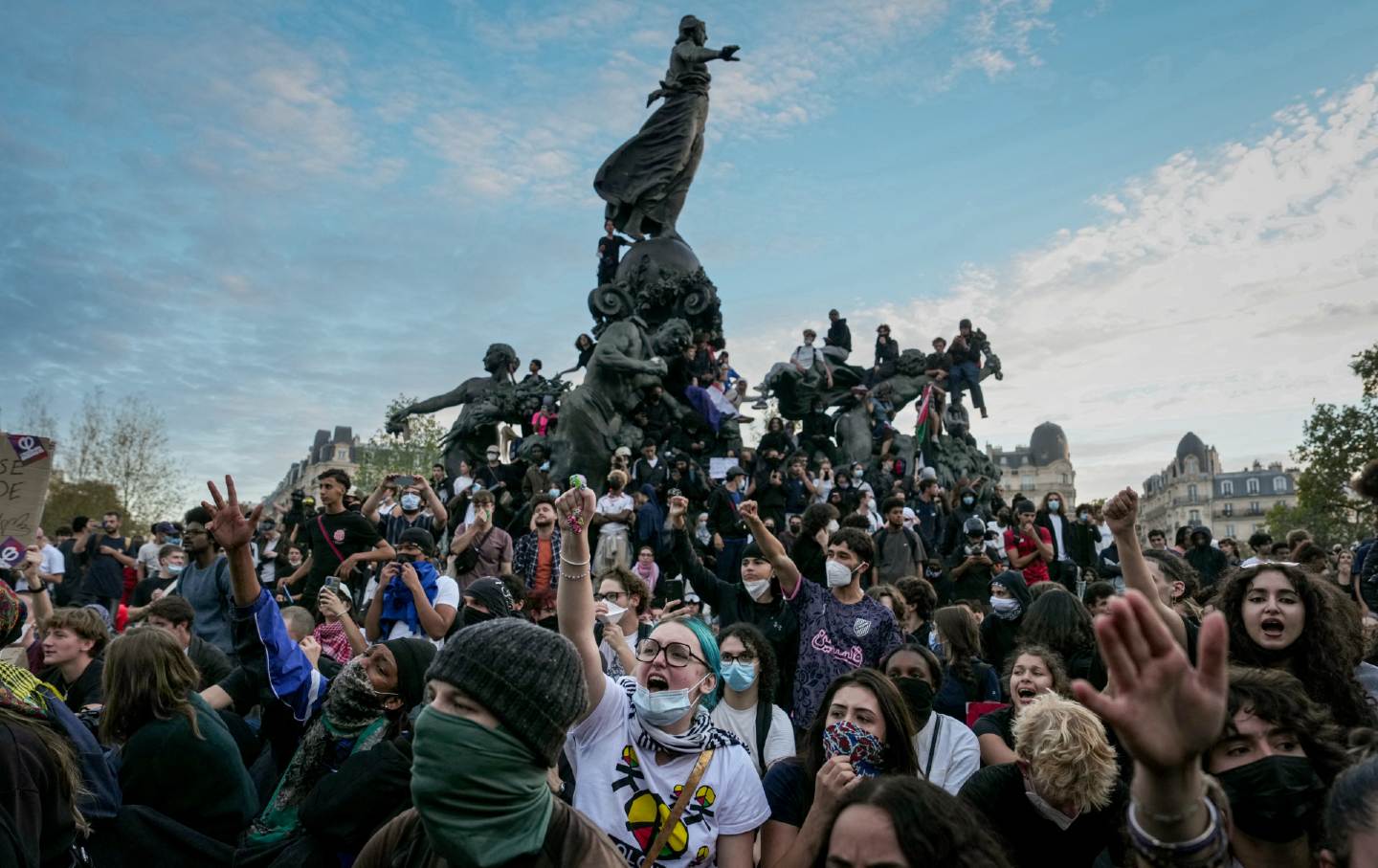
France’s Students Won’t Back Down France’s Students Won’t Back Down
Without full-time teachers, temperature-regulated classrooms, or school nurses, French students are turning their grievances into a national movement.
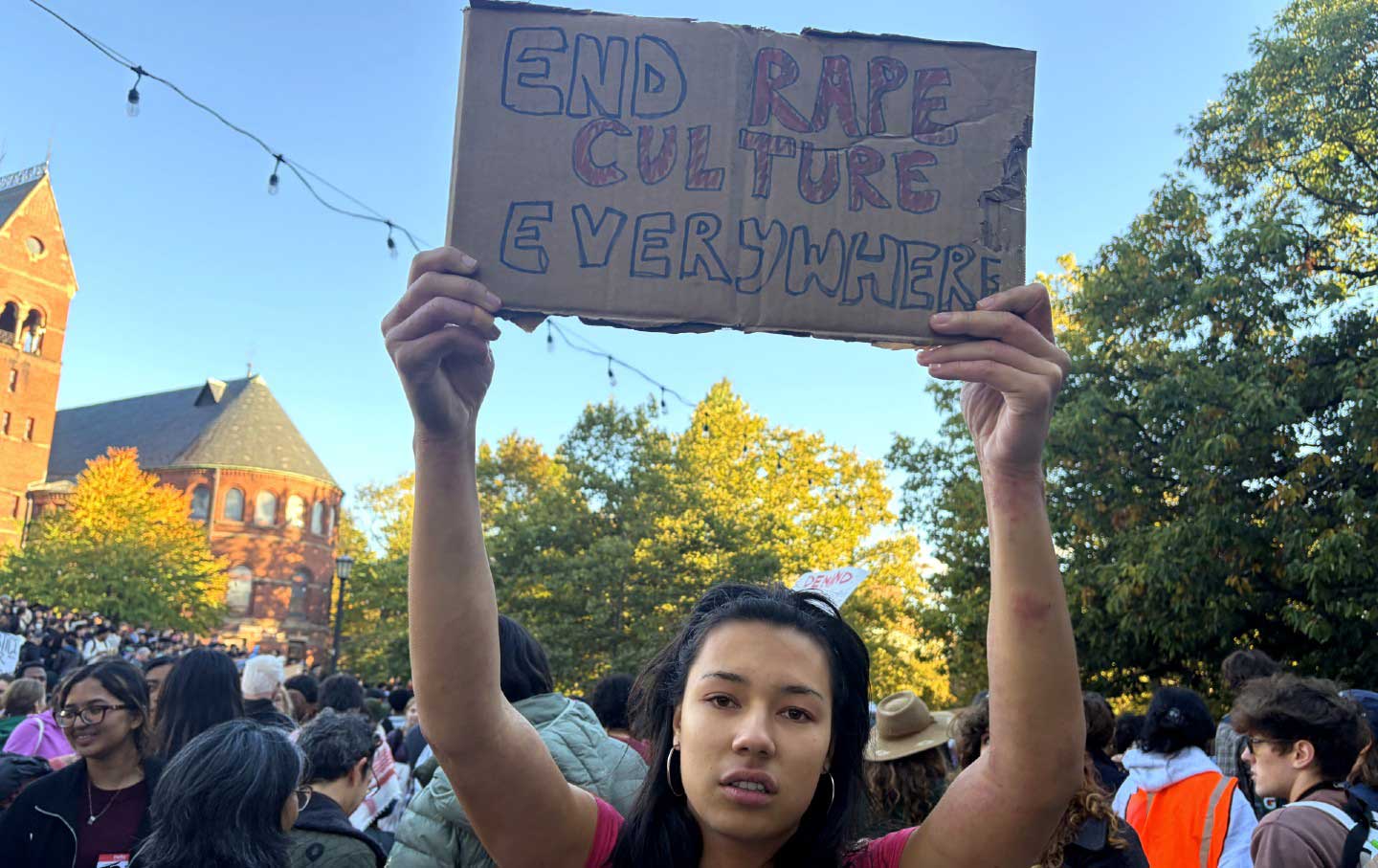
Inside Cornell’s Week of Protest Inside Cornell’s Week of Protest
“We won’t be silenced anymore. Our university needs to start protecting us, like they should’ve with Jane Doe and all other survivors on campus.”
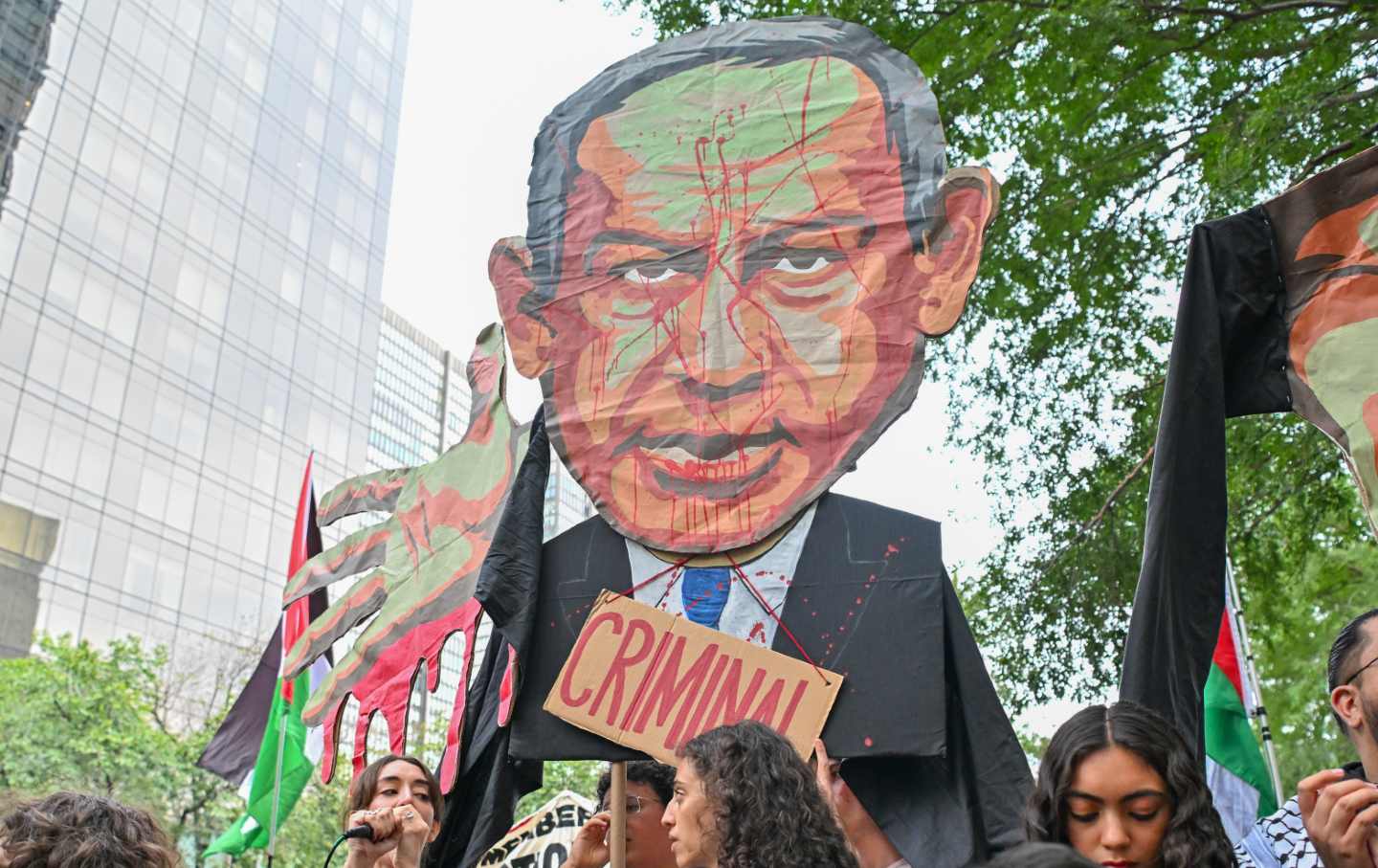
Netanyahu Came to New York. New Yorkers Were Ready for Him. Netanyahu Came to New York. New Yorkers Were Ready for Him.
Scenes from the defiant protest against the genocidal leader’s UN speech.

