
The Saudi Nuclear Deal Is a Typical Trump Fiasco
Yet again, the president trumpets a foreign-policy agreement steeped in recklessness, lies, and corruption.
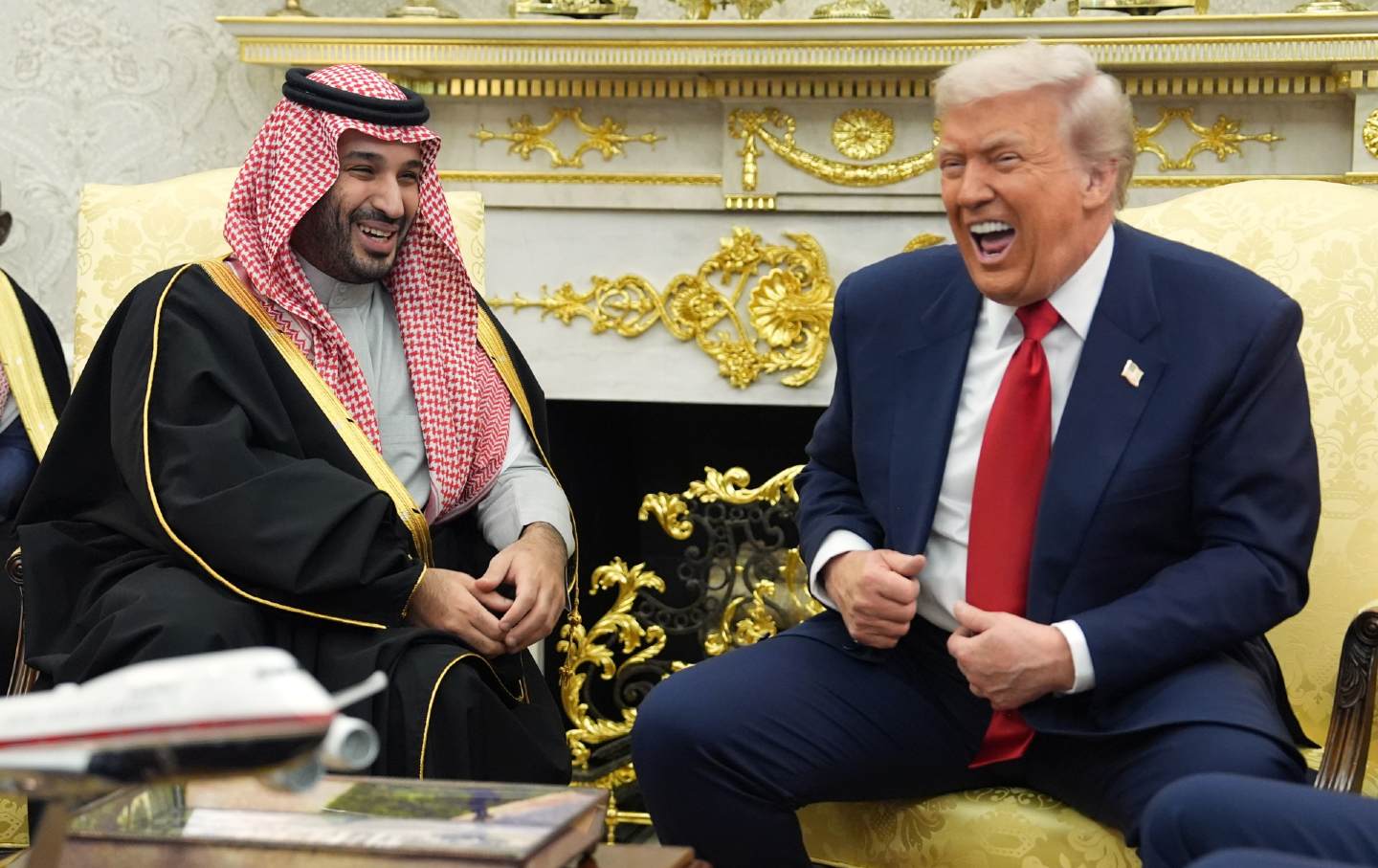
President Donald Trump meets with Saudi Arabian Crown Prince Mohammed bin Salman in the Oval Office, on November 18, 2025.
(Evan Vucci / AP)Donald Trump loves to trumpet imaginary victories and exult in unreal achievements. In a previous column, I described this as “a severe case of premature proclamation.” It’s related to another condition that besets the president: projectile dysfunction, which involves an excessive reliance on the ability of missiles to achieve political and diplomatic goals.
In truth, the use of air power to drop bombs from great distances, although able to inflict horrific damage, rarely secures control of territory. This is a bitter truth the United States has been taught again and again—in Korea, Vietnam, Iraq, Afghanistan, and now Iran. Trump has repeatedly boasted that US air power has “obliterated” the Iranian military. The resumption of heavy fighting in the Middle East, with Iran inflicting damage on the US and its allies, has given the lie to Trump’s braggadocio.
Claiming that the US had achieved its military goal, Trump signed a memorandum of understanding with Iran on June 17. But the deal quickly unravelled because it was based not on a shared understanding but on a shared misunderstanding: Trump fantasized that the deal vindicated his story about a great victory, while the Iranians saw the agreement as consolidating the control of the Strait of Hormuz they won in the war. As Will Saletan summed up in The Bulwark:
Six weeks ago, to rationalize pulling out of the war, [Trump] committed himself to a story. The story was that Iran had capitulated, peace was at hand, and the world’s oil supply would soon be back online. He’s going to cling to that story, no matter how long the war goes on.
But nobody ever accused Trump of learning from his mistakes. He is now engaging in yet another round of premature proclamation—this time regarding the startling nuclear deal with Saudi Arabia that he announced this week.
The deal as initially described would allow Saudi Arabia to achieve its long-standing goal of having the US greenlight and assist in its civilian nuclear program without having to make any of the compromises that had previously prevented an agreement. The Wall Street Journal called it a “big win” for the Saudis, and Trita Parsi of the Quincy Institute noted:
Compared to previous negotiations, Riyadh has secured remarkable concessions. It no longer appears to have to normalize relations with Israel as part of the package. It is reportedly not required to sign a traditional Section 123 agreement that would deprive [Saudi Arabia] of enrichment technology. And there are no comprehensive [International Atomic Energy Agency] safeguards comparable to those Washington has long insisted upon elsewhere.
If these reports hold, Saudi Arabia has achieved what few thought Washington would ever accept.
But within 24 hours, the landmark deal was already starting to unravel. The New York Times reported that the deal was “in doubt” because Trump had “added a new condition to the sale of nuclear reactors to the kingdom, declaring that the entire arrangement now depends on the Saudi willingness to establish diplomatic relations with Israel.”
This was a typical Trump negotiating tactic: pulling the rug out from someone after proclaiming a done deal. Journalist Laura Rozen reports that Saudi Arabia might not go along with Trump’s antics:
On Trump seemingly adding new conditions to the US Saudi nuclear deal, including Saudi Israel normalization, a Saudi source says: “It was signed. So nothing to renegotiate.” “Tweets don’t overturn signed agreements,” he added.
I asked, did KSA agree to normalize with Israel at some point in the future in the deal or annexes. Saudi source said: “Nope.”
Leaving aside the issue of normalizing Saudi-Israeli relations, the deal is bad on its own terms. By forgoing IAEA safeguards and allowing Saudi Arabia access to enrichment technology, the Trump administration was undermining the logic of its war on Iran. This free pass to Saudi Arabia could also easily trigger nuclear proliferation. This was especially true since Saudi Crown Prince Mohammed bin Salman, the effective ruler of Saudi Arabia, has openly stated since 2018 that the kingdom doesn’t rule out building nuclear weapons.
What’s more, Saudi Arabia is a brutal dictatorship with a long history of unstable behavior, ranging from the sponsorship of international terrorism to the assassination of critics of the regime such as Jamal Khashoggi. Osama bin Laden’s terrorist network was initially nurtured in the 1980s by the Saudi state. The extent of the Saudi government’s complicity in the 9/11 terrorist attack remains murky and the subject of investigation. To help the Saudi state get on the path to becoming a nuclear power is the height of madness. It is likely connected to the corrupt business deals the Trump family has made with the Saudi government.
Massachusetts Senator Ed Markey notes that when Marco Rubio was in the Senate he “was among the loudest voices warning about the dangers of giving Saudi Arabia, which has openly vowed to develop nuclear weapons, access to nuclear technology.” Now, as secretary of state, Rubio is just as loud in trying to sell this deal.
Markey forcefully makes the case against the deal:
Since the start of his second term, President Trump has launched two illegal attacks against Iran, in part to prevent Tehran from enriching uranium. Ironically, the administration is now opening the door for Saudi Arabia to gain access to that same technology. The Trump administration has needlessly abandoned the “Gold Standard,” which would ban enrichment and reprocessing and require International Atomic Energy Agency (IAEA) additional protocol safeguards.
Trump’s and Secretary Rubio’s hypocrisy is matched only by their recklessness. They are allowing Saudi Arabia, a belligerent and authoritarian nation, to develop nuclear weapons technologies while starting a war with Iran under the guise of preventing an Iranian nuclear bomb. This deal would make us all less safe. We must stop the proliferation of nuclear weapons.
The Saudi nuclear deal is a typical Trump foreign-policy fiasco. In his usual fashion, Trump has announced an agreement based on deception, then rushed to paper over the holes in the deal. The good news is that Trump’s slapdash execution might undermine the deal, a desirable outcome since it is a reckless policy that could spur nuclear proliferation.
More from The Nation
Brazil’s Workers’ Party Is Not Stopping Brazil’s Workers’ Party Is Not Stopping
With just a few days remaining before the runoff election, supporters of Lula’s party are doing everything possible to rally support behind the president.
Brazil’s Decision Brazil’s Decision
The moral compass and basic humanity of political leaders really does matter.
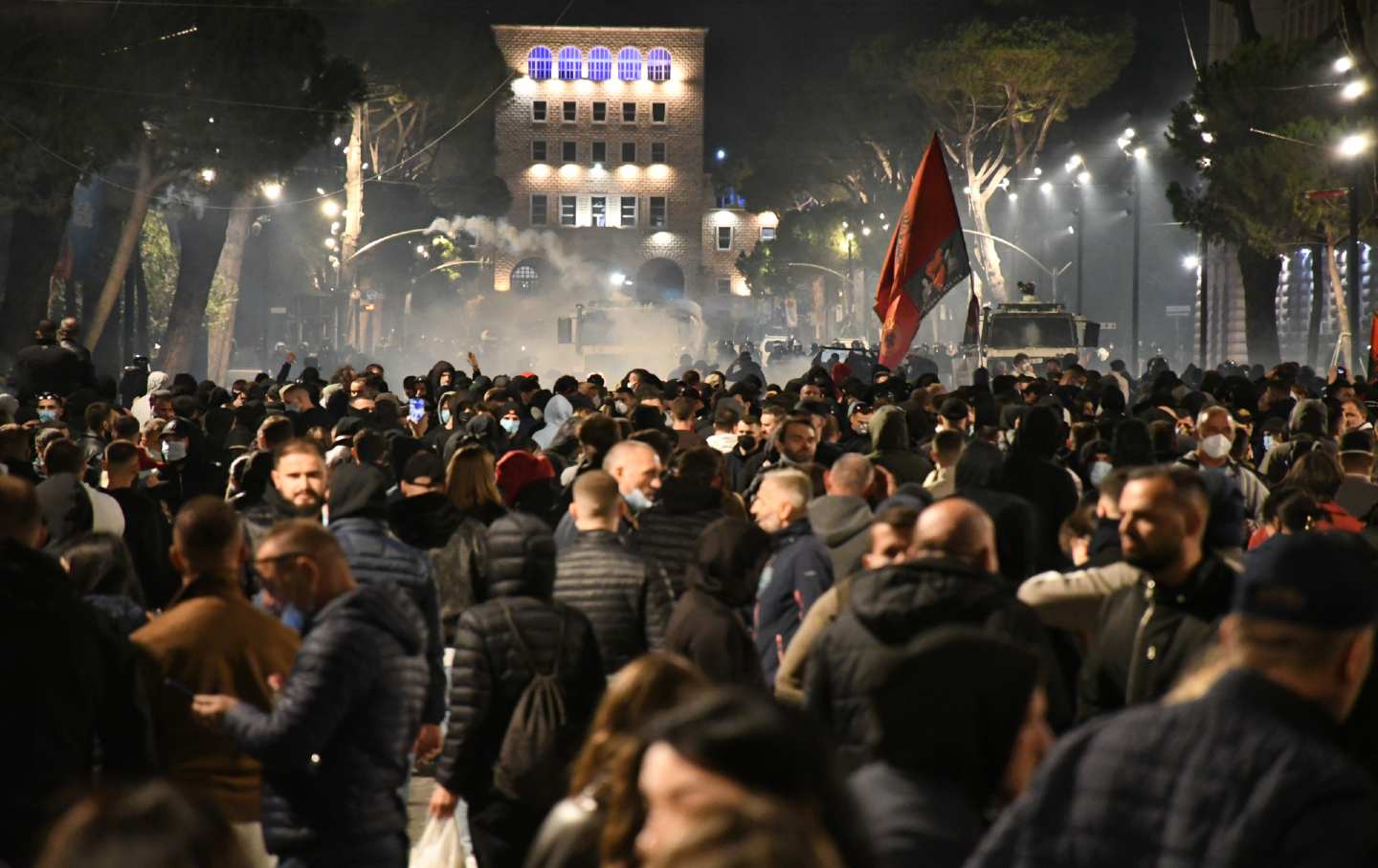
Albanian Student Strikes Spur a Political Crisis Albanian Student Strikes Spur a Political Crisis
A new round of protests against the ruling party’s corruption has Prime Minister Edi Rama giving cops bonuses to crack down on dissent.
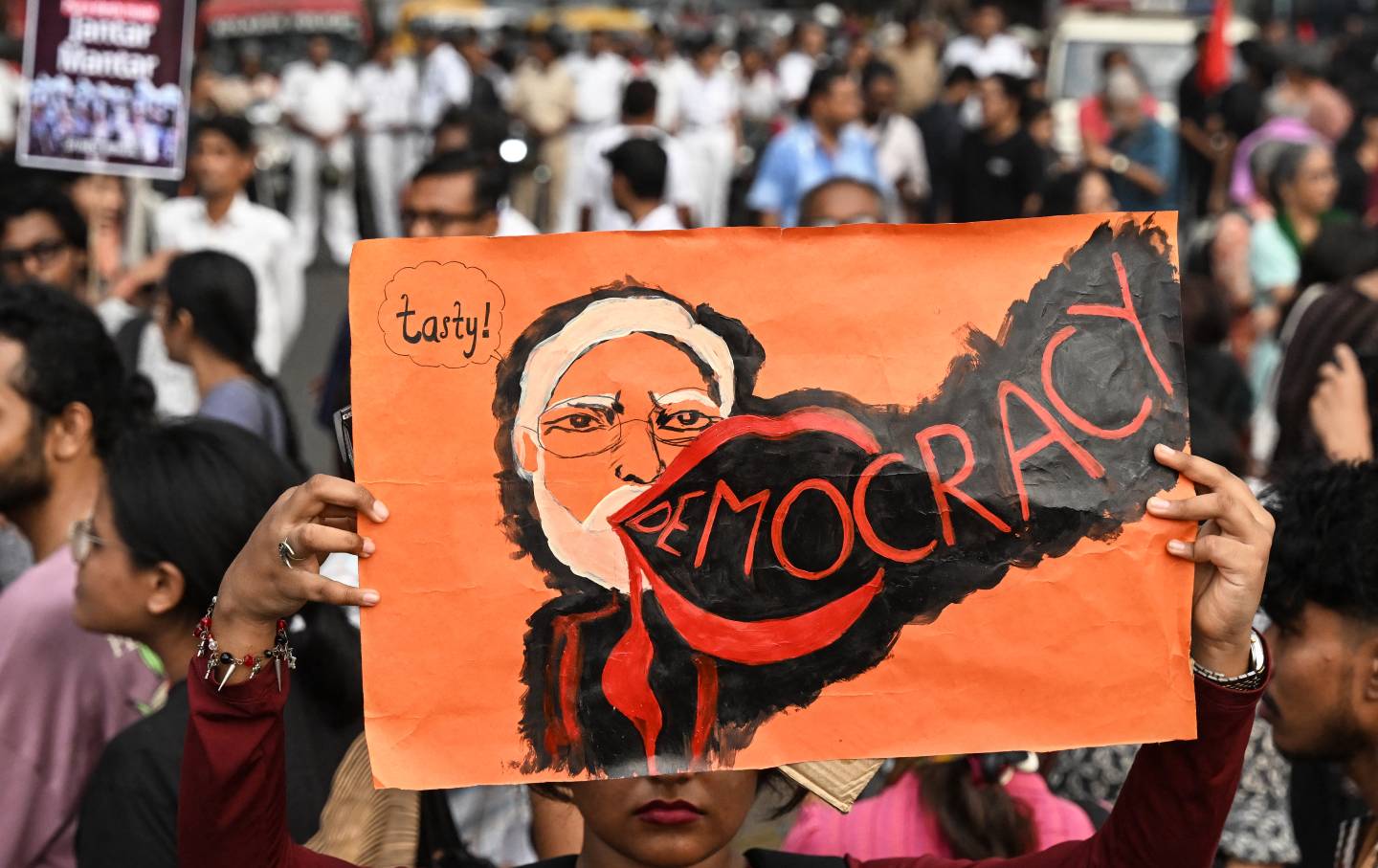
Inside India’s Gen Z Cockroach Janta Movement Inside India’s Gen Z Cockroach Janta Movement
Young Indians are challenging the purge of voter rolls by Modi’s right-wing government. Shrishti Khanna, who was detained by Delhi police while covering the protests, explains.

The Clarion Call of “NAZA” The Clarion Call of “NAZA”
Yuval Abraham and Rachel Szor’s new film not only documents the horrors of the present but gives us a glimpse of a possible future too.

