
Why Is Everybody in Russia Talking About Victoria Bonya?
The Russian blogger goes viral telling Vladimir Putin what everyone has on their minds—but is afraid to say.
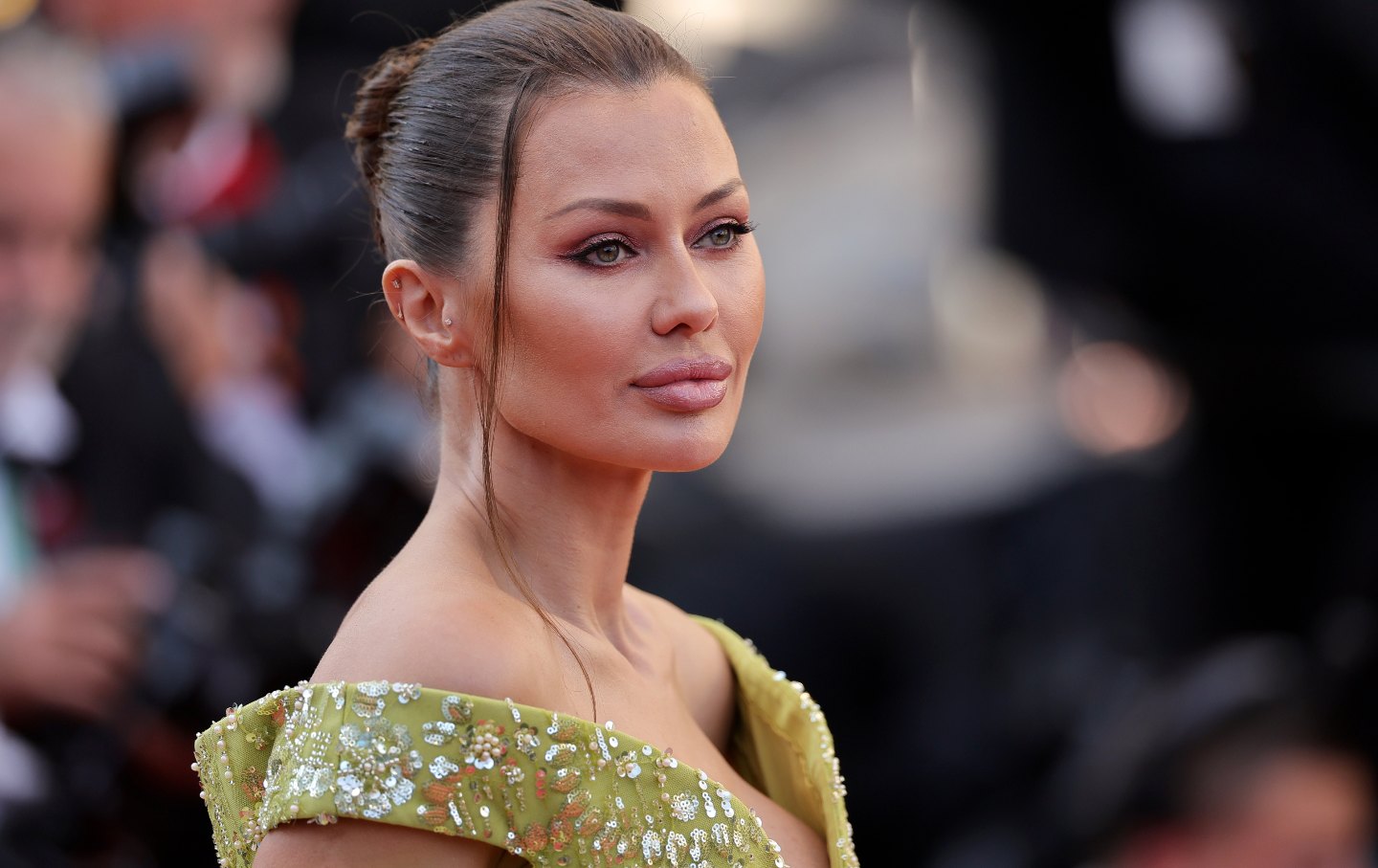
Everybody in Russia is talking about Victoria Bonya. In the smoking rooms of factory dorms and in luxurious mansions, in hair salons and university coffee shops, in the offices of the “Moscow City” skyscrapers and in the lines at mobile food carts traveling between villages in Siberia and the Urals. Housewives and super-family moms are swapping Victoria’s photos, while literary aesthetes have already made her the subject of their humorous verses. Politicians and influencers of all sorts have already weighed in about her, at times in unexpected ways. People are abuzz over what they call Bonya-mania and Bonya-boom. By now, her name has become a meme. Had she not existed in real life, someone would have had to invent her.
So what is it that has catapulted this 46-year-old blogger, TV host, participant in entertainment shows, and figure from high-society dramas to national fame?
In mid-April, Bonya made a post on Instagram (which has been banned in Russia) addressing President Putin “on behalf of the people of Russia, even though they didn’t ask me to do this.” Her post started with the following words: “Vladimir Vladimirovich, people are in fear of you. Yet we should not be. And I am not afraid of you.… I’m a Russian; this is my country. You are our president. But there’s a lot that you have no idea about… In my view, there’s a huge wall that separates you from us, the people.”
She made a point about the authorities’ disconnect from the people. She mentioned government failures during the flood in Dagestan and the environmental disaster in southern Russia’s town of Tuapse. She wrote about the mandatory culling of livestock among Siberian farmers; the killing of endangered animals; the seizure of nature reserves; and citizens’ inability to exercise their rights. She stated that the restrictions on access to the Internet are ruining small and medium-sized businesses. She pointed out that many aspire to leave for another country. “People are suffering,” she concluded. “You ought to know what is going on.”
The tenor of Bonya’s appeal has evoked all sorts of associations. Some could detect echoes of the Stalin-era addresses to the “Leader of the peoples” by ordinary women, and ancient petitions to a tsar from his subjects. At the same time, her tone was akin to that of a court jester tradition of speaking to the rulers about the subjects that their nobles, officials, and ordinary subjects were afraid to mention. A jester is permitted to say that. A blogger is just another jester, especially a woman blogger, with silicone-plumped lips and makeup.
Bonya’s key message was: “Your subordinates are lying to you, and people are in fear of you.”
In the very first days her post was viewed more than 30 million times, and this number kept growing. It was being shared via messenger apps and viewed by well-behaved, obedient citizens who did not use the evil VPN. And they were passing it on.
Bonya’s statement reflected the genuine outrage of millions of people, their rejection of the state of affairs in the country, and an obvious demand for change. This was acknowledged by virtually everyone, from Communist Party leader Gennady Zyuganov to liberal YouTube channels and opposition influencers.
Vladimir Solovyov, the chief spin doctor of government TV channels, immediately lashed out at Bonya. He insulted her as a woman and called for her to be added to the list of “foreign agents.” In response, Bonya accused him of misogyny and appealed to women online. In response, she received countless messages of support. This included a message from Italy—from none other than its Prime Minister Giorgia Meloni herself. Solovyov also promptly insulted her on live TV; as a result, Russia’s ambassador in Rome was compelled to issue an explanation to the Italian government.
But the millions of voices on the Internet ultimately proved to be more important.
Dmitry Peskov, the spokesman of the Kremlin, announced that its denizens had reviewed Bonya’s address. And soon after, Solovyov himself invited Victoria to his TV channel; during the show, he half-heartedly and reluctantly offered something close to an apology and offered to work together for the sake of the country’s future. To which Bonya generously agreed, flashing her fake nails. She projected the feelings of a winner. After the show, some liberal pundits started talking about alleged collusion between what they called “two of the Putin supporters.” They argued that Bonya’s phenomenon was a concoction of the Kremlin’s PR masters, that she has not said a word about Ukraine, and generally avoids foreign policy topics.
Alas, these critiques tell us more about these pundits’ adherence to familiar stereotypes than about Bonya—at the very least because no Kremlin PR project has ever stirred up tens of millions of people. As to foreign policy, for better or for worse, it animates millions of people far less than the policies at home.
Victoria Bonya burst onto the public stage with her message when nobody expected it. And she managed to strike a chord with millions of people. The reason for that was that Bonya herself, her background, and her success story embody the essence of Russia’s current history, with all of its internal contradictions.
Bonya was born in a small village in the Far Eastern region of Chita, beyond Baikal Lake. Her father was a miner and her mother a nurse; the father soon left the family. They lived in poverty; as children, Bonya and her brother would collect bottles discarded by drunks and sell them to be able to buy ice cream for themselves. She also has a fond memory of the cow that was owned by her grandmother in the village and that she mentioned in her message to the president. Granted, she was looking to escape from that village as soon as possible. So, she rushed to Moscow, where she worked as a cashier in a store and a waitress and studied at a low-ranked institute. In the meantime, she entered a beauty pageant, with low expectations of winning. She didn’t win. But she realized that the world of show business was a gold mine. She began to dig her way into this world, taking part in many shows. She didn’t lose her way. She earned a degree in media studies, dated wealthy men, gave birth to a daughter, moved to Monaco to be with her fiancé, whom she never ended up marrying, climbed Mount Everest, lived in the desert, subsisting on cacti and discovering hidden feminine energy, and wrote about all of this on a blog she created. This blog earned her 13 million subscribers.
“For many women in Russia, Viktoria Bonya is a woman from among the unprivileged, from the very bottom of society, who has achieved success and fame without abandoning her roots or the people among whom she grew up. She is not an oligarch’s daughter. Does anyone among the intellectuals in Moscow care about the feelings of a farmer whose entire livestock has been slaughtered? Or about small businesses taken over by local gangsters and officials? Or even about a nature reserve that is destroyed? Regardless of all her plastic surgeries and fake nails, she talks to people in their own language, and this inspires trust. Besides, many see her as a role model for what an ordinary girl can achieve and be able to boldly speak her mind.” This is the assessment by Svetlana Vasilenko, the head of the democratic Union of Russian Writers and the founder of the “New Amazons” writers’ collective.
Popular
“swipe left below to view more authors”Swipe →Bonya is an unexpected figure; no one was anticipating the emergence of a woman like her. Post-Soviet democrats were captivated by images of Decembrist women or sexy beauties, while nationalists were drawn to traditional peasant women, bearers of traditional values. The young Russians of today are sneering at the official promotion of traditional values. While watching the mandatory dances of girls in medieval headdresses at official events, Russian youngsters are messaging each other with clips of Western rock bands or TikTok games. They are doing it just like my peers in the late Brezhnev years who were reading banned books or copying down the lyrics of the Beatles while sitting through the official propagandistic lectures.
A woman who speaks out and speaks her own mind is a new phenomenon.
The woman whom no one expected. The woman who is not a party hack and not a ghost from the dreams of a liberal or a nativist. The woman who is made of Russia’s realities with all their internal contradictions. The woman who speaks for the kind of people who are living in Russia today.
Anton Dolin, a film critic whom the Russian authorities had placed on the list of “foreign agents,” declared himself to be “on Bonya’s side.” “The statement that she made is very much a woman’s statement. I think that in the future, women may play a more prominent role in everything, and perhaps that will save us all,” said Dolin.
Are women launching a new round of discussion about Russia’s future? Like they did in February 1917, igniting the protests that brought down the monarchy (which, incidentally, was mentioned by Gennady Zyuganov in connection with Bonya’s statement, as he was trying to preempt the authorities)?
In the opinion of Olga Zdravomyslova, a sociologist and the VP of the Raisa Gorbachev Club at the Gorbachev Foundation, “One thing has been made clear: Women’s energy is taking on a new significance; it is not disappearing from the political arena; and we need to make sense of it.” It is hard to disagree with this assessment.
Become a Sustaining Donor This September
Between the reemergence of right-wing red-baiting and Donald Trump’s use of the chilling National Security Presidential Memorandum–7 to criminalize left political organizing, we’re seeing McCarthyism reborn before our eyes.
This assault on democracy cannot be ignored or wished away. Resisting it requires bravery in the face of threats and repression, a steadfast commitment to the truth, and the unwavering belief that we can—and will—overcome this darkness.
We must have an independent media that sets the record straight, unearths corruption and abuses of power, and advances a politics of justice and dignity for all if we’re to win this fight.
That’s why I’m writing to you today. This September, The Nation needs to add 100 monthly donors to sustain our progressive journalism. Your contribution makes the next investigative report, the next truth-speaking column, and the next pathbreaking essay all possible.
I hope you’ll support our work with a recurring donation today. If you donate $10 or more a month, we’ll send you a brand new “Hands Off the Free Press!” sticker to recognise your commitment to our cause. Please, donate today.
Onward,
Katrina vanden Heuvel
Editor and Publisher, The Nation
More from The Nation
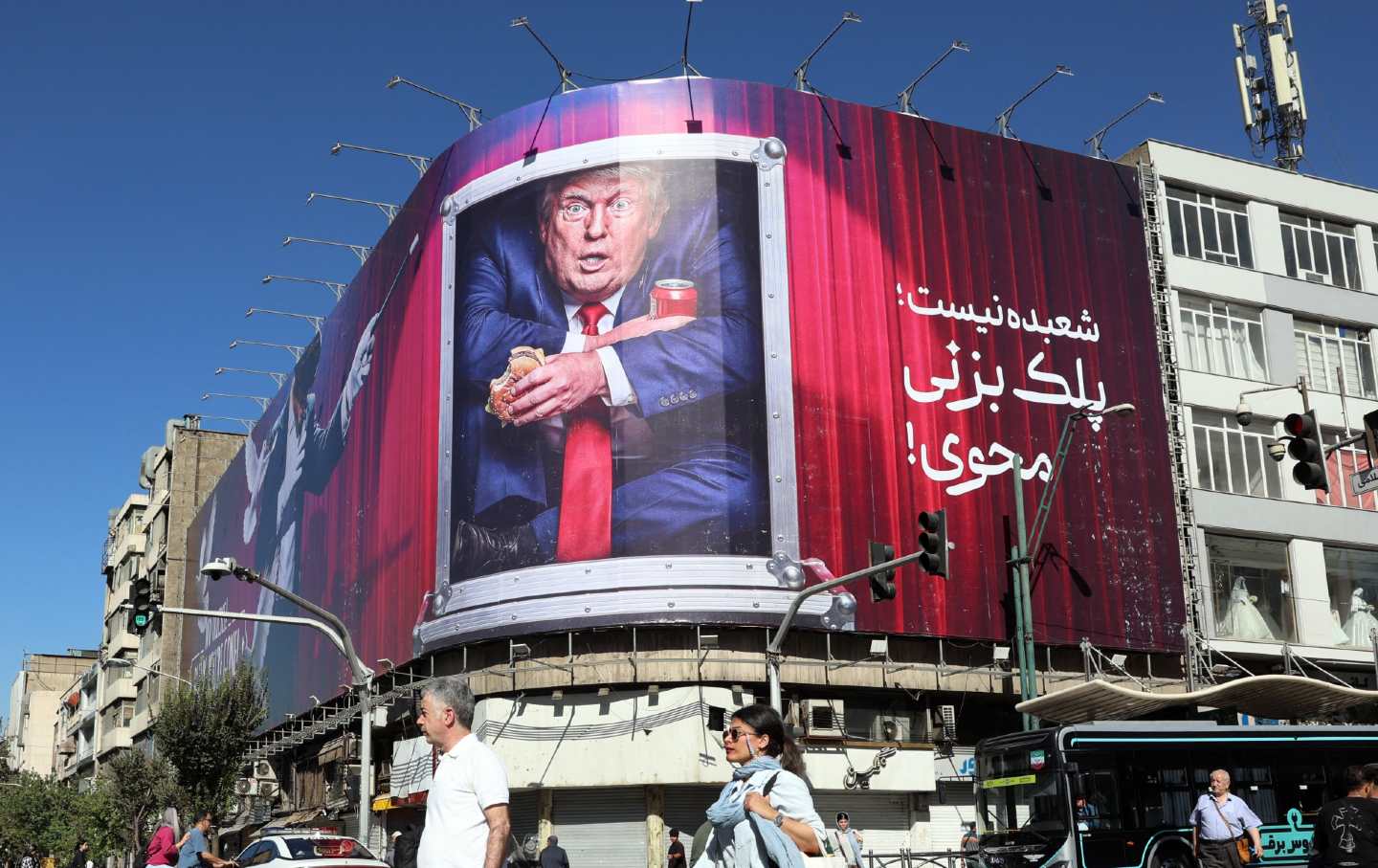
The Decades-Old Roots of Trump’s War on Iran The Decades-Old Roots of Trump’s War on Iran
An interview with historian Behrooz Ghamari-Tabrizi about the generations of US presidents who have tried to destroy the Iranian regime.
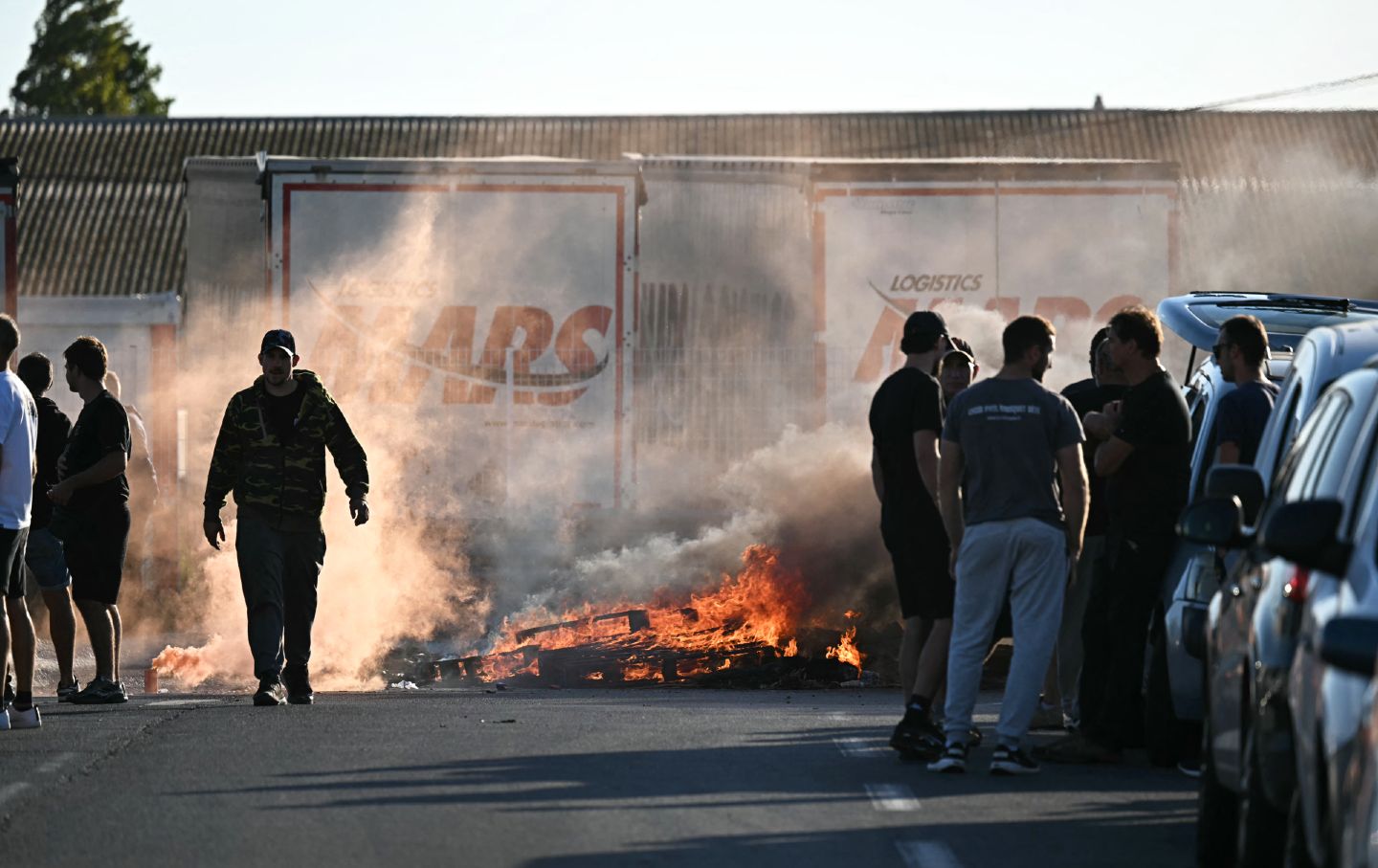
Emmanuel Macron’s Turbulent Exit Emmanuel Macron’s Turbulent Exit
Between a budget crisis and a cost-of-living squeeze, Macron is leaving a country feeling more insecure than ever—and ready to take to the streets.
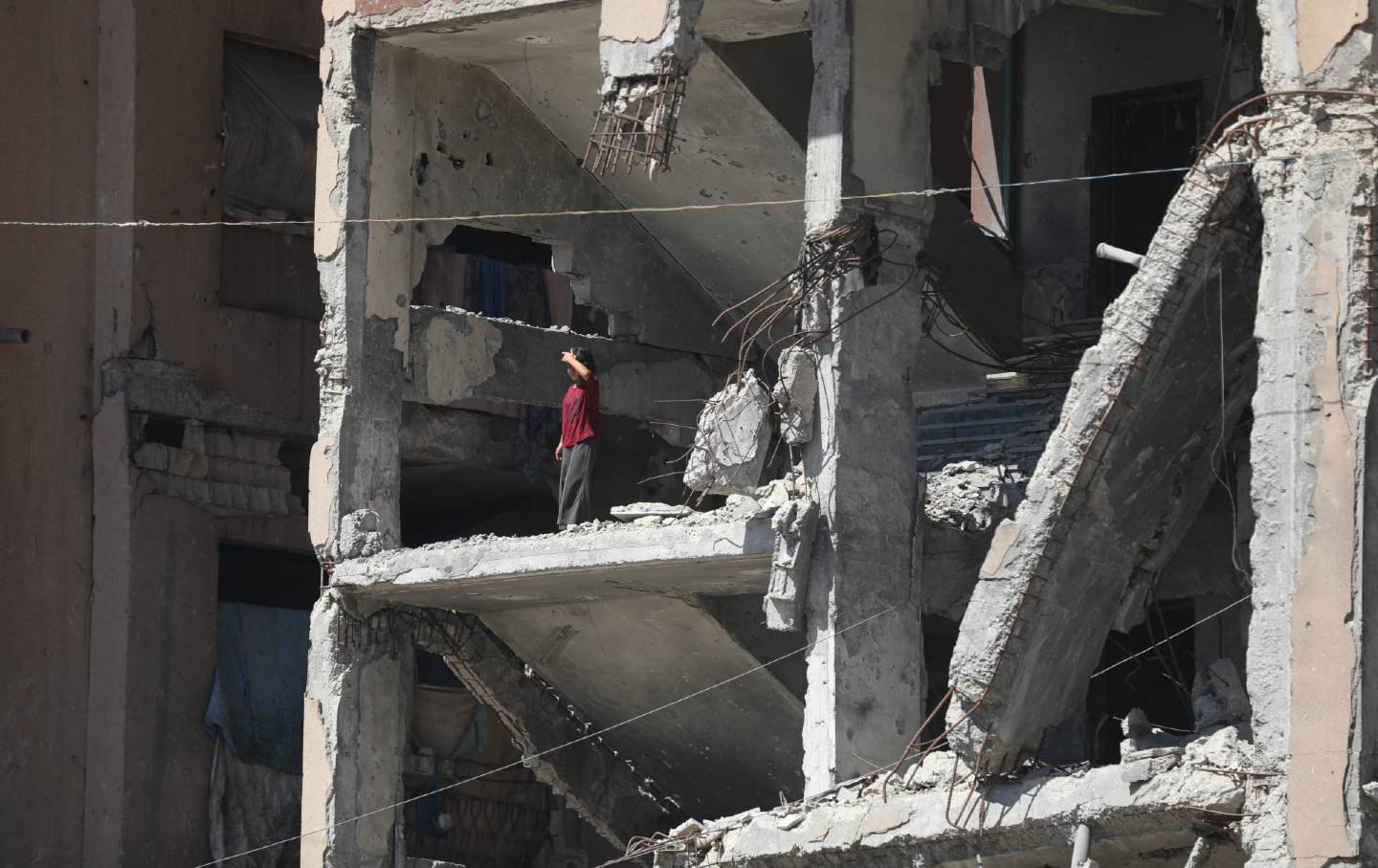
Israel’s Election Can’t Fix What Netanyahu Broke Israel’s Election Can’t Fix What Netanyahu Broke
The fundamental problem is not the name of the prime minister, but rather the actions of the Israeli government and the urgent issues that need to be addressed.
The AfD’s Rise Isn’t Just About East Germany The AfD’s Rise Isn’t Just About East Germany
The Alternative für Deutschland has a stable national poll lead, including in the former West Germany. Its rise owes to much more than Eastern grievances.
Chinese Development Is the Betrayal Washington Cannot Forgive Chinese Development Is the Betrayal Washington Cannot Forgive
The prospects for Xi Jinping’s visit are dim because American leaders are blaming China for the failures of globalization.
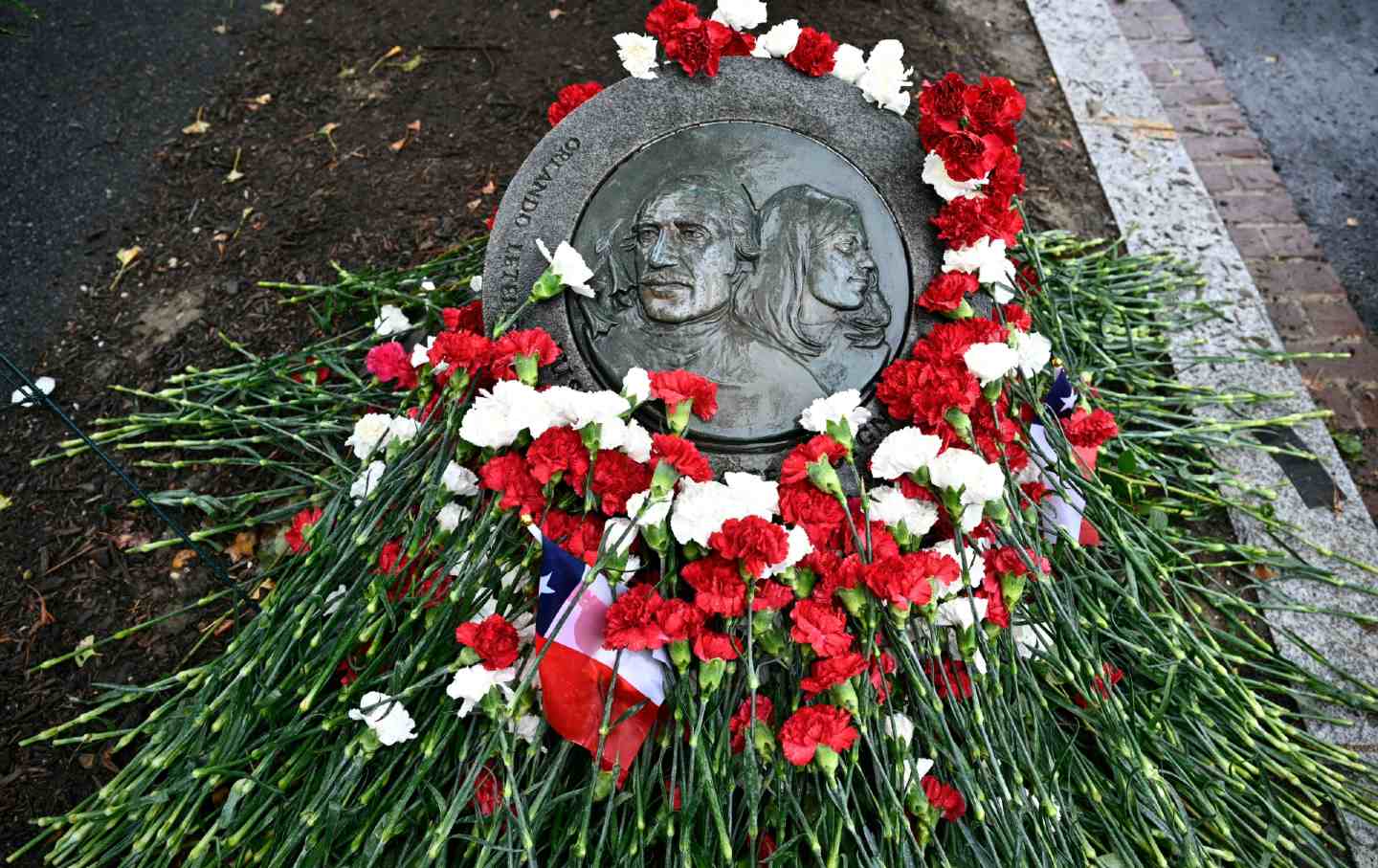
Pinochet: The Verdict of History in the Letelier-Moffitt Case Pinochet: The Verdict of History in the Letelier-Moffitt Case
An act of international terrorism on the streets of Washington, DC, still reverberates 50 years later.

