Did You Know There’s an Independent Bookstore Revival Underway?
Americans fight back against big tech.
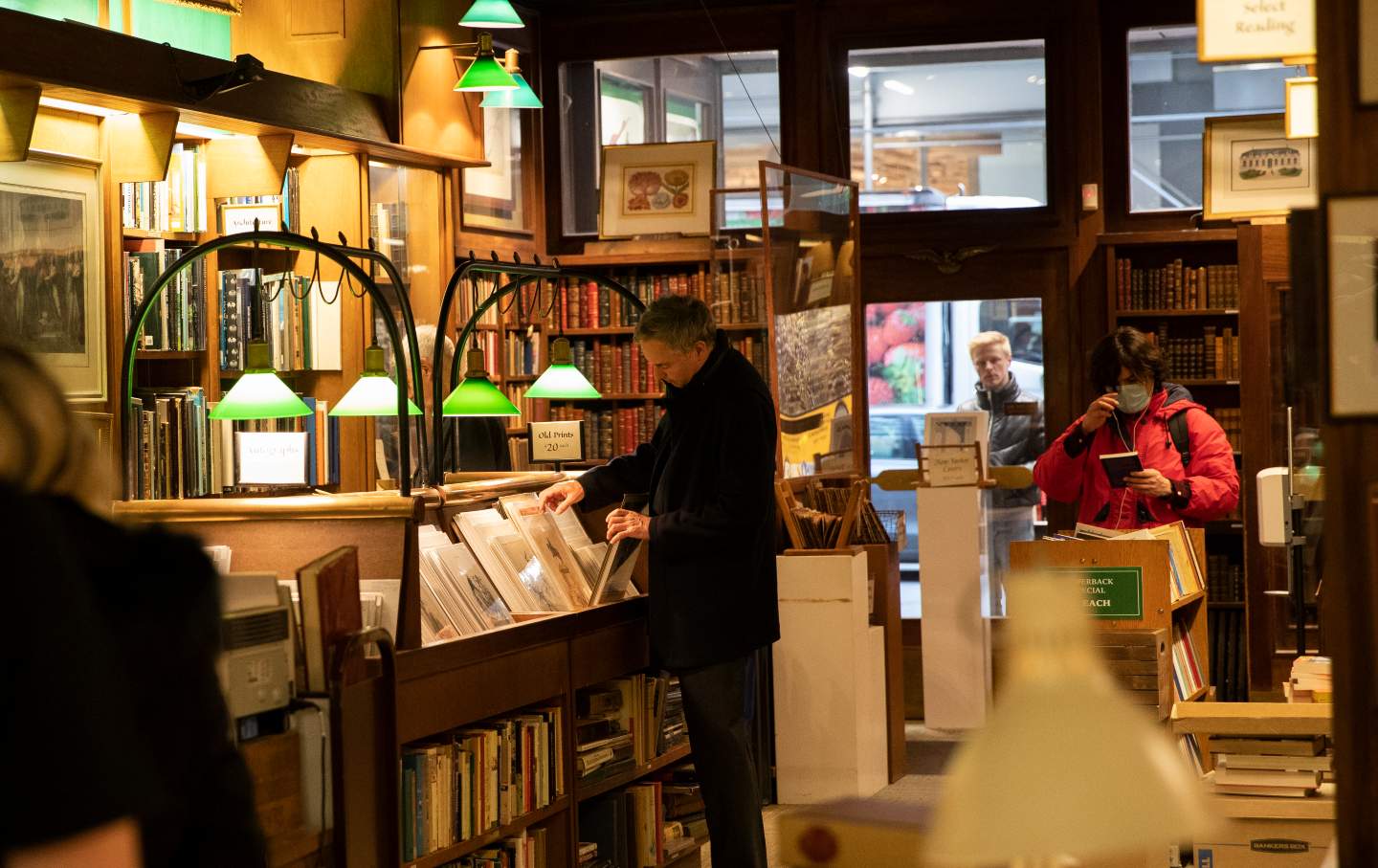
Late last month, American booksellers hit a major milestone. Across the United States, 2,000 bookshops celebrated Independent Bookstore Day—breaking participation records.
In a nation home to around 45,000 supermarkets and 400,000 independent restaurants, that may seem like a commendable but comparatively modest accomplishment. But in fact it’s a remarkable feat for retailers once considered an endangered species, doomed in the face of Amazon’s two-day shipping and e-book empire.
Despite the online shopping juggernaut’s best efforts, the ranks of America’s indie bookstores have swelled by 70 percent since 2020. The industry’s trade group, the American Booksellers Association, now counts 3,200 members. As a handful of Silicon Valley titans propel an ever-larger share of our economy, this surprising turnaround for formerly imperiled booksellers isn’t just unexpected good news—it’s proof Americans have both the desire and the ability to resist Big Tech.
Back in 1995, the ABA reported a banner year, dwarfing the current bookstore boom: 5,500 stores with 7,000 locations nationwide. It was a short-lived high, however. That same year, Amazon hung out its shingle as an online bookstore, operating at a loss and undercutting traditional retailers. Jeff Bezos hand-delivered its millionth order, a Princess Diana biography and a Microsoft Windows user guide, to a customer in Japan just two years later. (If he had really been committed to the publicity stunt, he would have made the trip without allowing himself a bathroom break.)
By Y2K, the number of indie bookstores had fallen by 3 percent—and that was before Amazon introduced its Kindle, which, in its early years, threatened to kill off the printed page altogether. ABA membership reached a modern nadir in 2009. Once-dominant corporate booksellers also faltered, with Borders declaring bankruptcy in 2011 and Barnes & Noble announcing plans to close a third of its stores.
As its growing popularity strangled physical booksellers, Amazon proved itself ruthless in dealings with the book industry, extorting fees and steep discounts from publishers, and making it difficult for customers to purchase releases from presses that showed the temerity to fight back. In 2017, the company piled insult upon injury with what seemed to be one final indignity: a fleet of its own hideous brick-and-mortar bookshops, filled with airport titles and branded gadgets.
So how did small bookstores make their comeback? Well, it seems that many people simply prefer not to confine their reading to the digital world, nor their shopping to exploitative, union-busting warehouses. A third of Americans now see Big Tech as the largest threat to the nation’s future, which suggests that years of exhortations to “shop small” have likely found receptive audiences.
There’s also the singular experience of patronizing a local bookstore, where clerks are on hand to offer expert guidance, locally relevant selections hold pride of place on front tables, and where shoppers may encounter friends, neighbors, and their next favorite reads. While browsing in a physical store, readers are three times more likely to stumble upon a new book they’re interested in than they are when scrolling through Amazon’s interface.
Today, Barnes & Noble, once the leading corporate foe of smaller booksellers, feels more like the David to Amazon’s Goliath—and it’s slated to open 60 new stores this year. New indie bookshops are proliferating, with 422 opening in 2025 alone. The independent bookstore landscape now features shops in all corners of the country, and includes stores owned by renowned authors like Ann Patchett, Louise Erdrich, and Judy Blume. Amazon, meanwhile, abandoned its own experiment with storefront book sales in 2022.
By supporting local retailers, bookworms are voting with their feet. They’re not alone: After decades of what felt like a secular trend toward digital-over-analog, there are some signals that a collective screen fatigue has set in among Americans, translating to an increasing preference for in-person, communal experiences and local commerce. Live concerts are shattering sales records. MLB games are drawing more fans each year, and ticket sales for the perennially fourth-place NHL are up, too—though the debate about why is heated.
Physical media is seeing a similar surge, with 57 million more print books sold in 2025 than in 2019. Blu-Ray and DVDs are a hit with streaming-weary Gen Z, while vinyl sales crossed a billion dollars in the United States for the first time in over 40 years.
Bookstores, for their part, are hosting popular literary events, community service efforts, and even concerts. Chicago’s Open Books has donated over a million volumes to students, and operates a mobile shop that brings books to underserved neighborhoods. In North Carolina, Asheville’s Firestorm Books holds gatherings ranging from local litter patrols to an animal rights reading group.
Popular
“swipe left below to view more authors”Swipe →The Metaverse may be on life support, but out in meatspace, people are embracing opportunities to engage with real items, and to gather with real people in real places. In doing so, they’re rejecting tech platforms that too often urge us toward isolation, and toward patronizing a handful of monopolies.
“The success of independent bookstores is proof that Americans don’t want to stay at home waiting for delivery robots to reach our doorsteps. Instead, almost everyone prefers to be part of healthy, locally rooted communities with thriving small businesses. As one bookseller, who left the tech industry to open Storyline Bookshop in Upper Arlington, Ohio, put it, “This was never just about the books we read. It’s also about the new stories we’re creating with people we might never have met otherwise.”
More from The Nation
The Carnival of Venice Biennale The Carnival of Venice Biennale
That so much of the art of “In Minor Keys” is muted in effect is ironic, because so much of it is overproduced, aspirationally eye-catching, and so big.
America Without the NFL America Without the NFL
Chuck Klosterman’s Football is a eulogy for the sport on the eve of its decline.
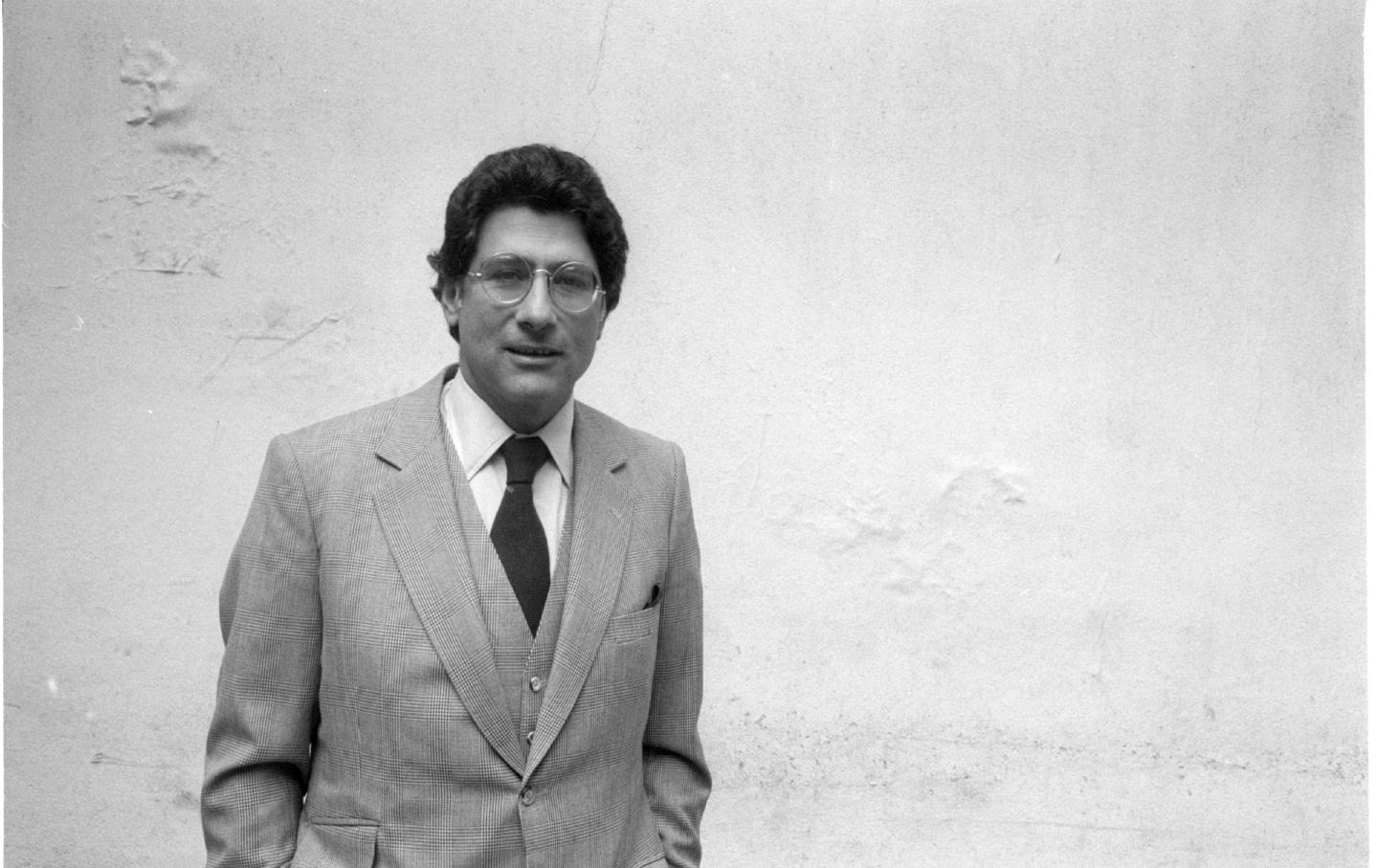
Edward Said: Between Worlds Edward Said: Between Worlds
A new film biography depicts the Palestinian writer as still out of place—and ahead of his time.
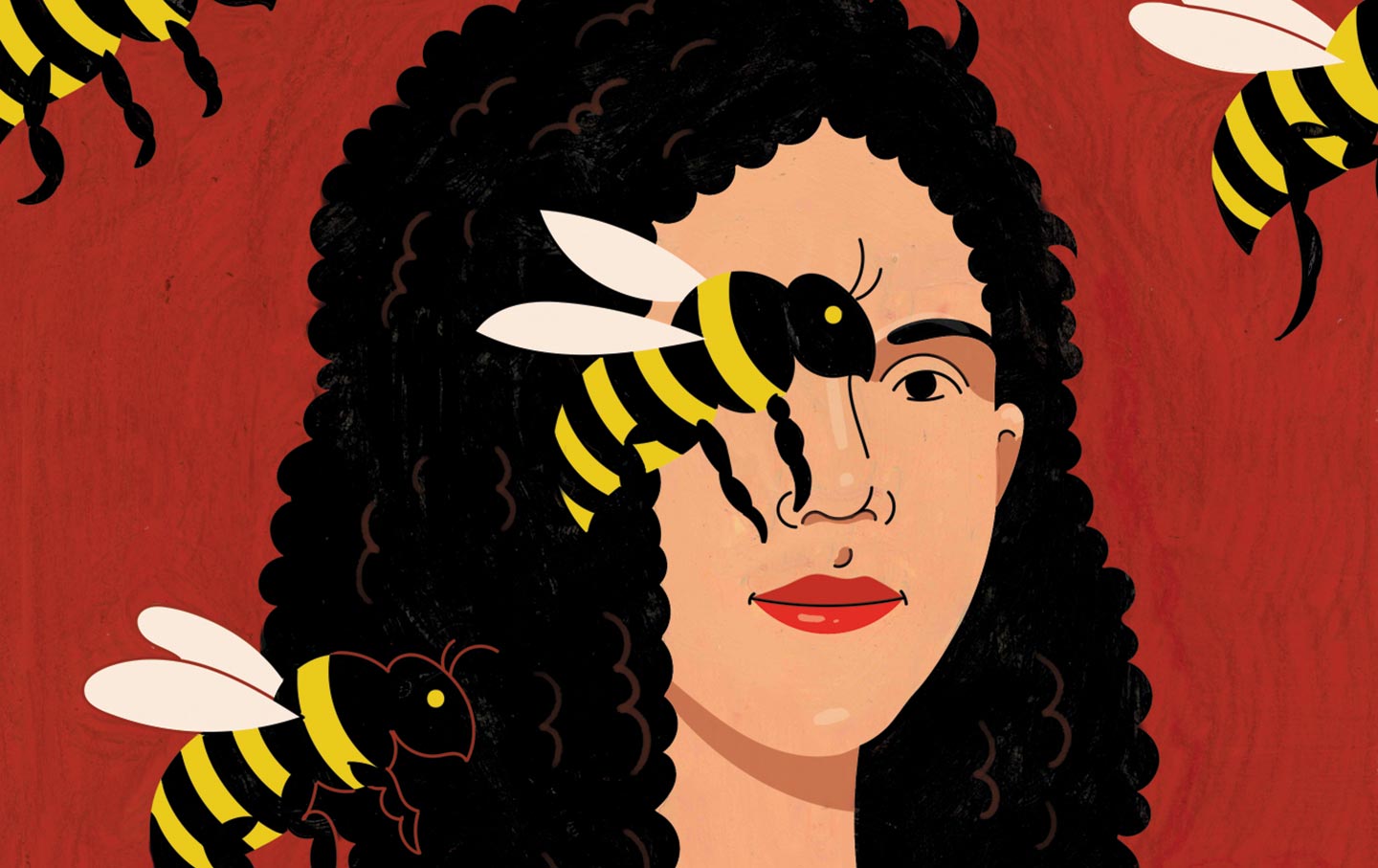
Imani Thompson’s Grad-School Thriller Imani Thompson’s Grad-School Thriller
In Honey, the novelist offers a different take on the campus satire.