The Fingerprints Climate Change Leaves Behind
A top climate-attribution scientist helps journalists understand and explain them.
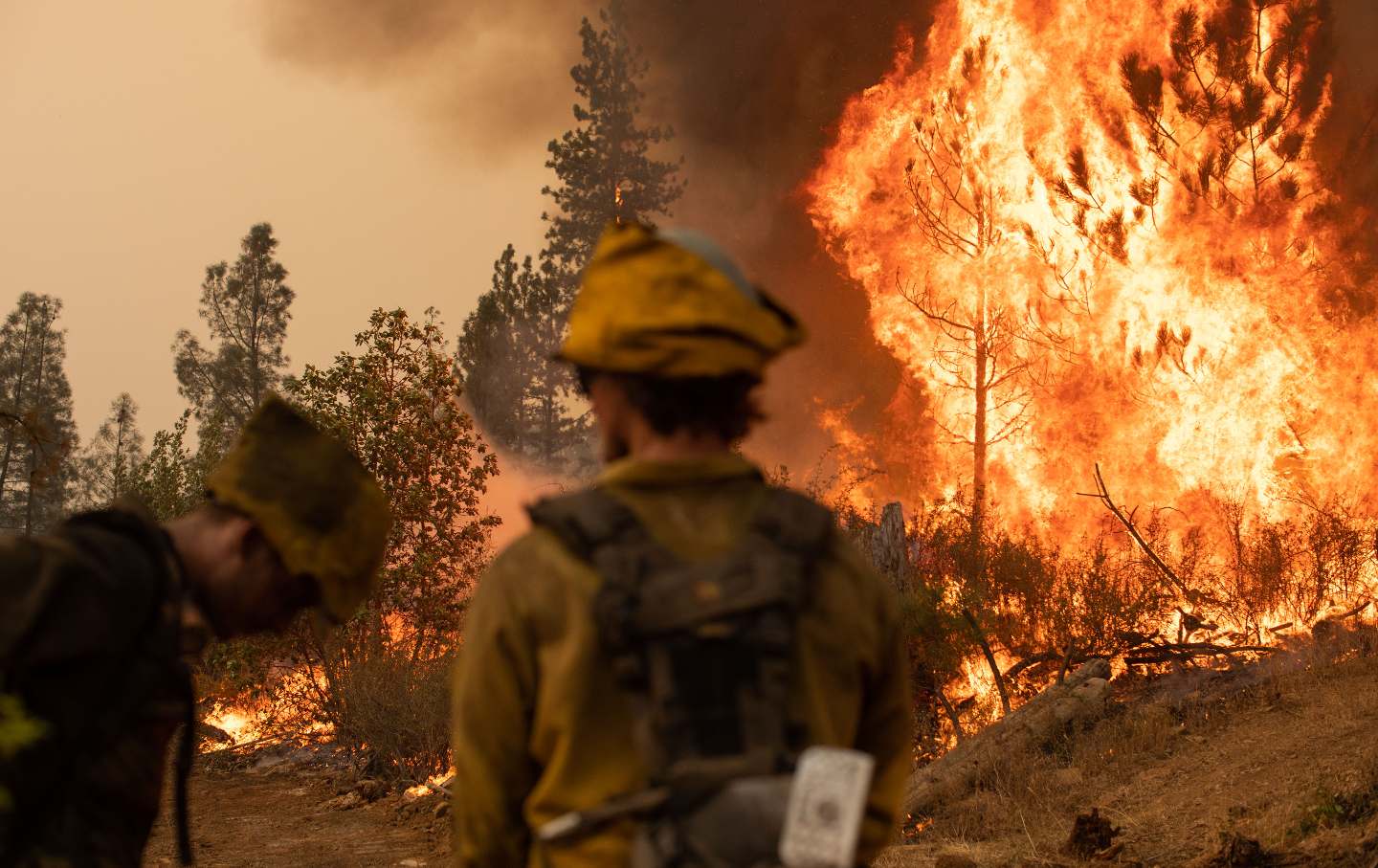
People carry a body, covered with a blanket, as they conduct a search-and-rescue operation after the second bombardment of the Israeli army in the last 24 hours at Jabalia refugee camp in Gaza City, Gaza, on November 1, 2023.
(Benjamin Fanjoy / Getty Images)
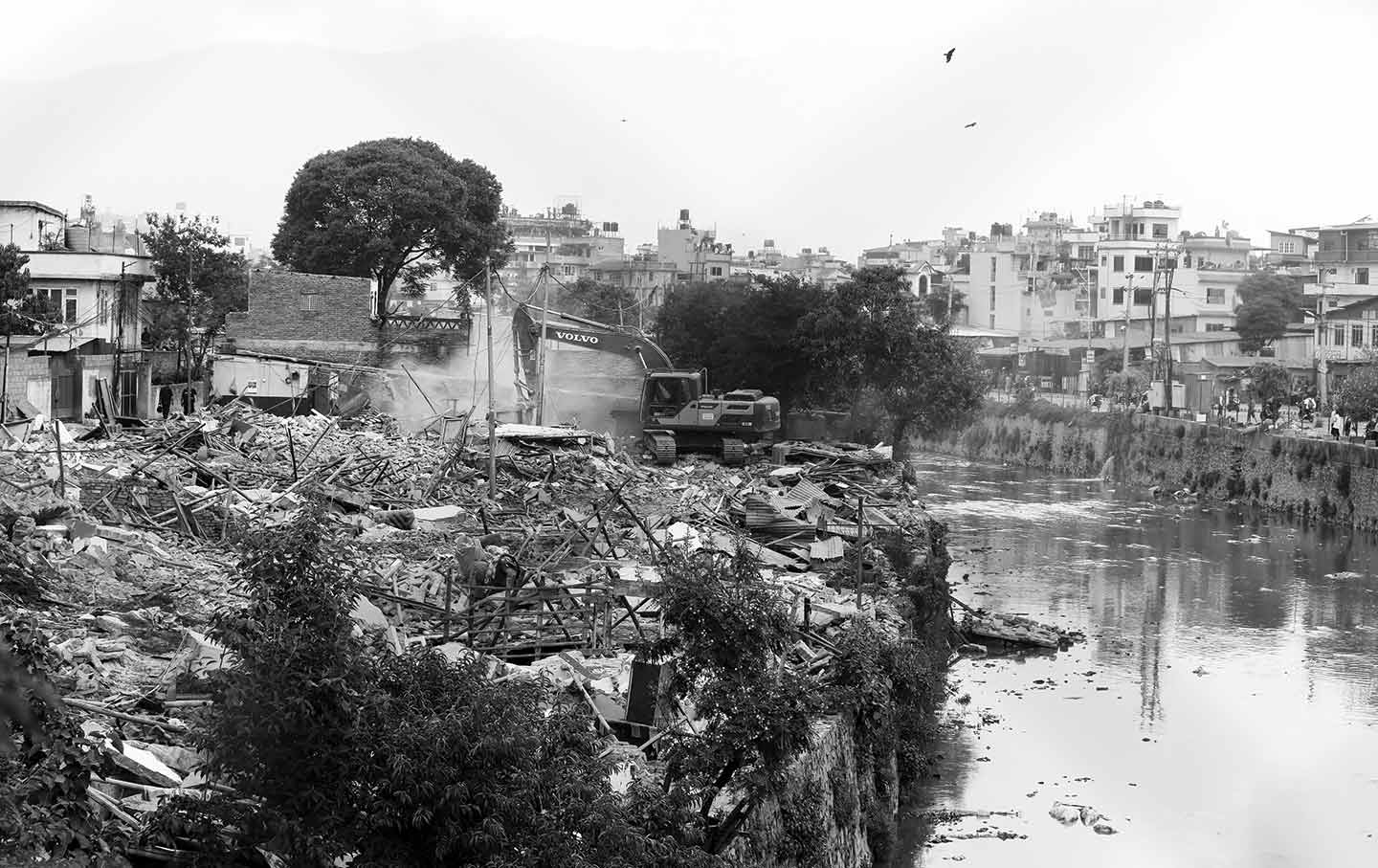
Friederike Otto is a leading practitioner of arguably the most important development in climate science in many years: attribution science. Specialists like Otto can now calculate how much responsibility man-made global heating has for a given extreme weather event. The brutal heat wave that scorched India and Pakistan in 2022, for example, was made 30 times more likely by global warming, Otto and her colleagues at the nonprofit World Weather Attribution group found.
Like police officers dusting a crime scene for fingerprints, attribution science reveals what role climate change played in a given weather disaster.
For journalists, such calculations are invaluable. Attribution science equips us with the data to connect the dots between climate change as a distant abstraction and climate change as a current reality—and to do so quickly, when our audiences are feeling those impacts. Which means journalists can dispense with the once-standard line that climate change cannot be linked to any single event, only to long-term trends. Attribution science changes that.
Journalists will find Otto’s book Climate Injustice useful for its descriptions of how attribution science works—how do scientists know what they know?—as well as its limitations. Scientists can measure climate change’s influence on heat waves with precision, she explains. Much harder, at least with today’s tools, is to calculate its influence on droughts, floods, and other precipitation-related events.
Trained as a physicist, Otto ventures beyond physical science in this book to make a moral and practical argument grounded in economics, history, ethics, and public policy. She also offers sharp observations about how journalists report the climate story.
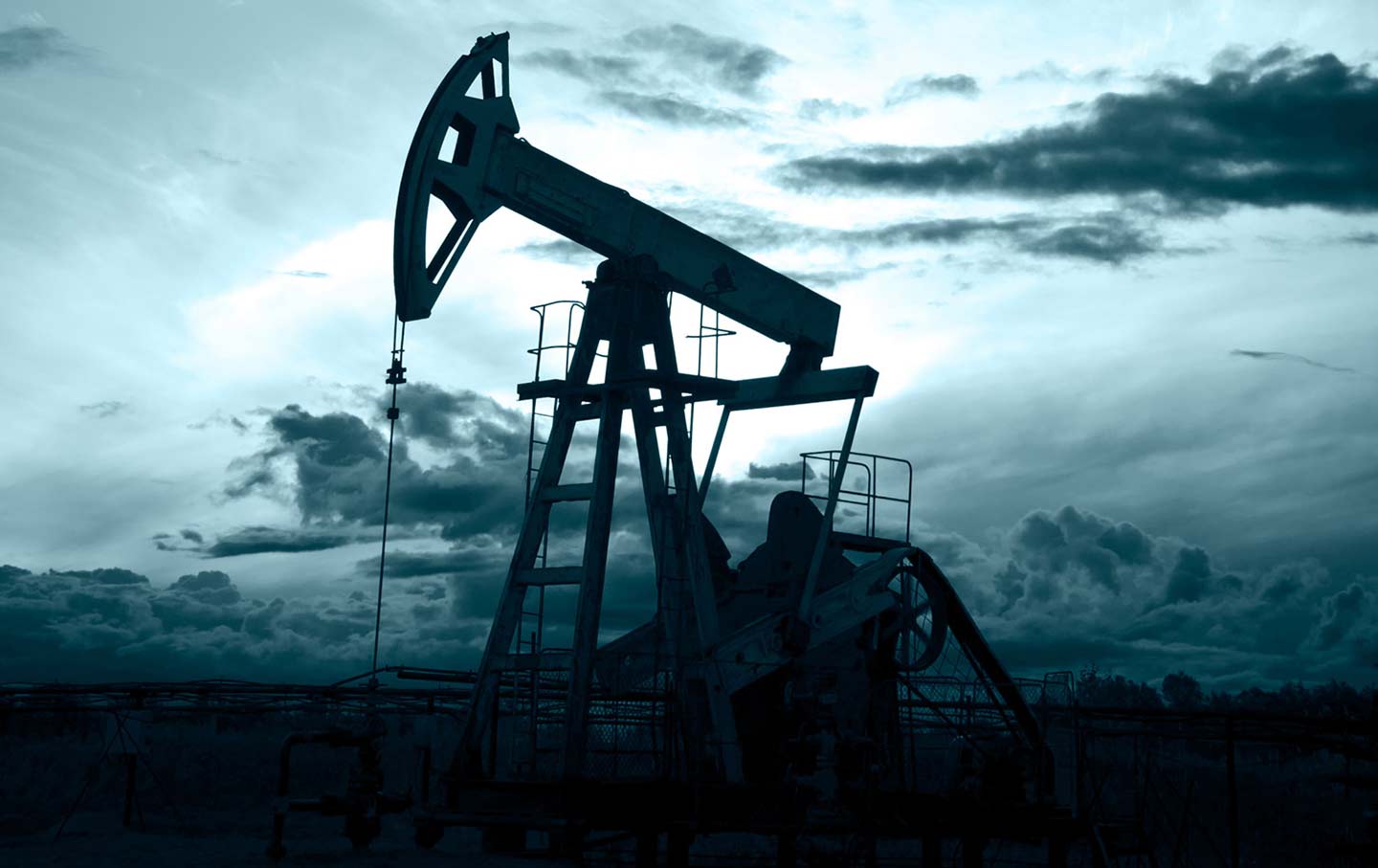
She has no patience for coverage that blames individuals, as with shaming about air travel, but ignores far more destructive actions by ExxonMobil and other corporate polluters. She reports that nowhere are extreme heat events deadlier than in Africa, and accuses the Global North media of ignoring such events because their customers are not among the victims.
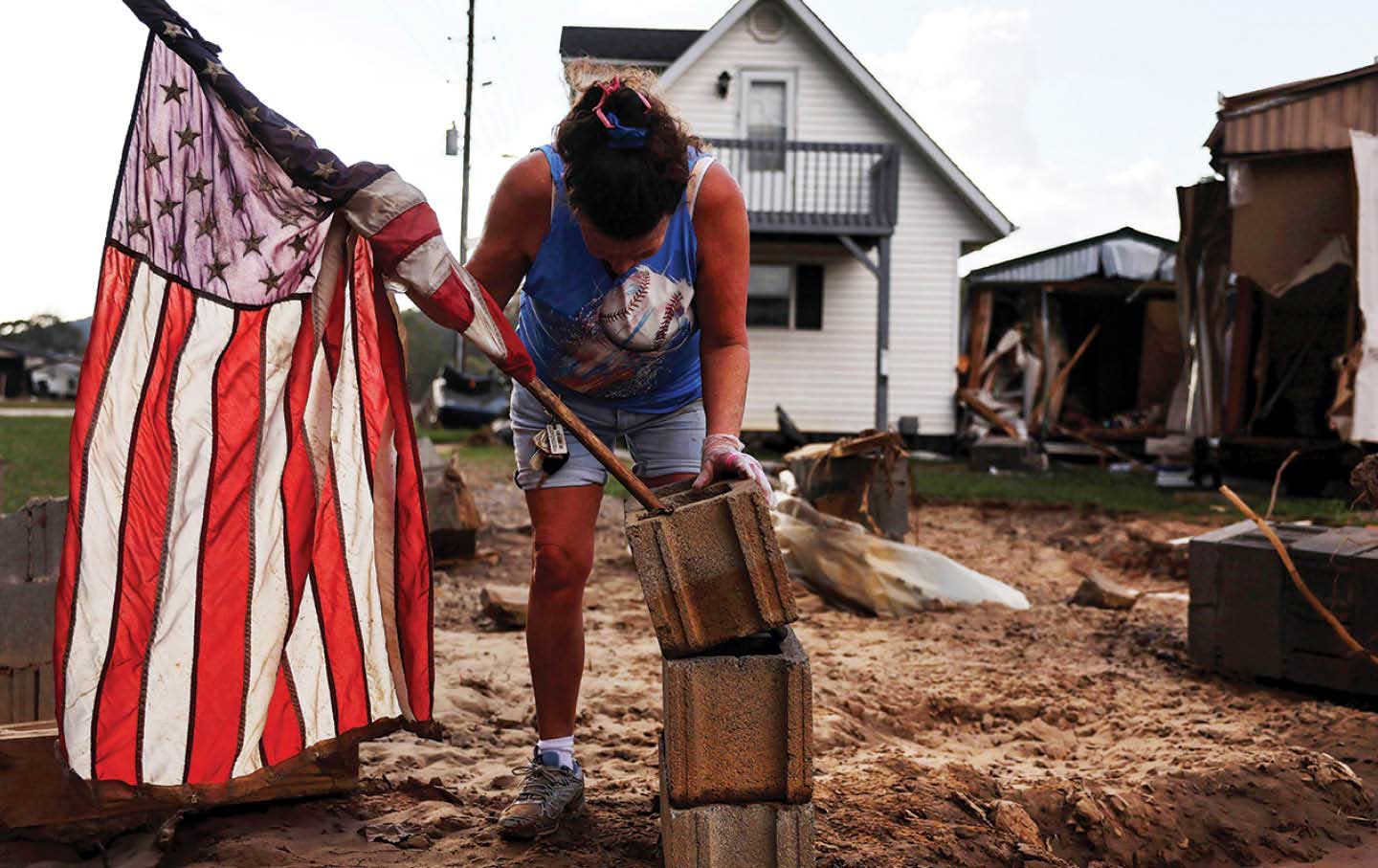
The media needs “to create new narratives” for the climate story, Otto writes. Don’t illustrate heat wave coverage with photos of kids licking ice creams; tell the stories of outdoor workers suffering from heat exhaustion and highlight how tree-shaded streets and community cooling centers can save lives. Ground climate coverage in science, but humanize the storytelling—and offer solutions.
Climate change is, of course, a physical phenomenon—the carbon dioxide released when oil, gas, or coal is burned traps heat in the atmosphere. But the way humans experience climate change, Otto argues, is a social phenomenon, shaped by differences in wealth, race, gender, and more. “The people who die are those with little money who can’t readily obtain all the help and information they need,” she writes.
A tone of controlled outrage animates Otto’s prose as she maintains that “that doesn’t have to be the case.” Humans have the know-how and money to protect nearly everyone; those in power simply have other priorities. The question, she believes is, “How many more human lives, how many more coral reefs, how many more insects will we allow ourselves to lose to the short-term continued use of comparatively cheap fossil fuels in the Global North?”
Covering Climate Now has long made similar suggestions about the framing of the climate story. With summer fast approaching in the Northern Hemisphere and climate-fueled disasters getting more frequent and destructive, newsrooms will have plenty of opportunities to do better in the weeks ahead.
Become a Sustaining Donor This September
Between the reemergence of right-wing red-baiting and Donald Trump’s use of the chilling National Security Presidential Memorandum–7 to criminalize left political organizing, we’re seeing McCarthyism reborn before our eyes.
This assault on democracy cannot be ignored or wished away. Resisting it requires bravery in the face of threats and repression, a steadfast commitment to the truth, and the unwavering belief that we can—and will—overcome this darkness.
We must have an independent media that sets the record straight, unearths corruption and abuses of power, and advances a politics of justice and dignity for all if we’re to win this fight.
That’s why I’m writing to you today. This September, The Nation needs to add 100 monthly donors to sustain our progressive journalism. Your contribution makes the next investigative report, the next truth-speaking column, and the next pathbreaking essay all possible.
I hope you’ll support our work with a recurring donation today. If you donate $10 or more a month, we’ll send you a brand new “Hands Off the Free Press!” sticker to recognise your commitment to our cause. Please, donate today.
Onward,
Katrina vanden Heuvel
Editor and Publisher, The Nation