
Gazans Have a Message for Trump: We’re Not Going Anywhere
The president wants to clear the territory and take it for the US. But people here are adamant: “I will never, ever leave my land.”
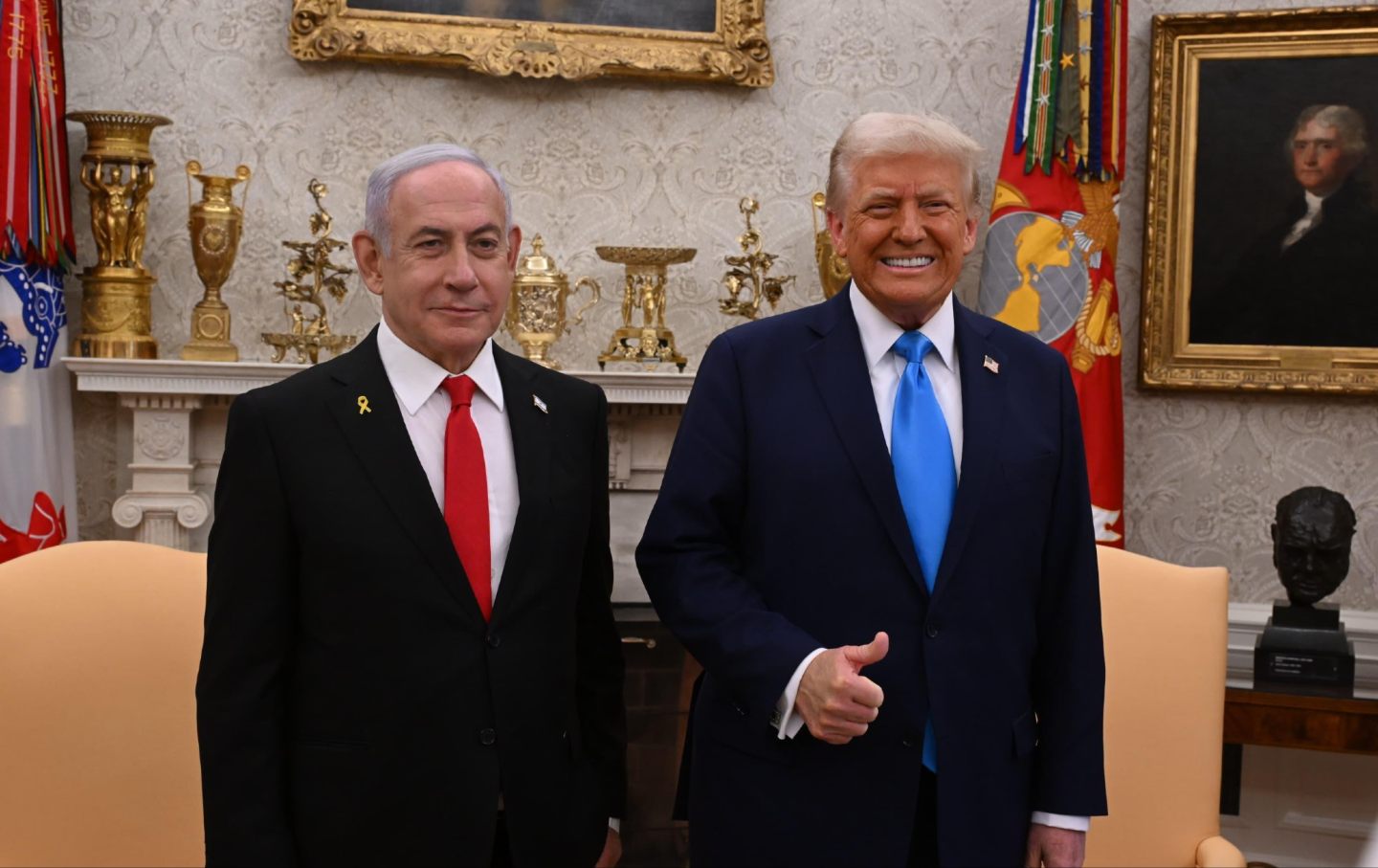
Donald Trump hosts Israeli Prime Minister Benjamin Netanyahu in the White House in Washington. DC, on February 4, 2025.
(Avi Ohayon / GPO /Handout / Anadolu via Getty Images)Gaza—After over a year of bloodshed, the Gaza ceasefire between Israel and Hamas has allowed hundreds of thousands of displaced people to return to their homes in northern Gaza—and hundreds of thousands of others to begin trying to rebuild their lives.
Yet, just as people began to take these first tentative steps back to normalcy, US President Donald Trump unveiled a seemingly serious plan to ethnically cleanse Gaza, pushing us to neighboring countries like Egypt and Jordan while the United States takes “ownership” of our land.
People around the world have condemned such solutions, viewing them as an attempt to erase the Palestinian national identity rather than provide a just resolution to their historical plight.
But how do Palestinians in Gaza feel? Judging from the people I spoke to here, the answer is simple: They’re not going anywhere.
Despite the immense hardships, the overwhelming majority of Gazans reject the idea of emigration—no matter what compensation or privileges may be offered, and even if the reconstruction of Gaza may take years.
One such person is 24-year-old Asma Abdu, who endured fear, displacement, and starvation in northern Gaza throughout the 15 months of the war.
“I will never, ever leave my land. And those who left during the war to the south—they regret it deeply,” she said firmly. “Their love for their city and attachment to their homes made them return immediately when the Netzarim corridor opened. They returned home, even though they had no homes or shelters. Their only concern was going back. They didn’t think of the consequences. So how could you imagine they would accept permanent displacement?”
Asma believes that what Biden failed to achieve, Trump won’t make happen either. “Our stability—our very souls—are tied to this land. Believe me.”
Even people who already left Gaza reject Trump’s plan. Manar went to Egypt with her family after the start of the genocide. She wants to come back. “Our departure from Gaza was only for our safety,” she said. “[We] need to come back to Gaza once the borders are open and everything is settled.”
Mohammed Omar, a father of two who fled to Egypt, has the same perspective. “Our departure from Gaza was a mistake. Even if a million dollars was paid for me to immigrate, I will refuse. There is no peace or calm but in Gaza, even during wars, Gaza feels warmer and more compassionate than any place in the world.”
Some said that Trump had betrayed the promises he’d made to them before his election. “I felt deeply disappointed hearing such statements,” said Nada Nabil, a human rights activist. “For a while, I thought that the new American administration would genuinely aim to stabilize the Middle East and put an end to wars and conflicts, based on Trump’s pre-declared policies.”
“But apparently, US policies never turn kind toward the Palestinians,” she added.
Nabil acknowledged that if this scheme were backed by job opportunities and proper accommodations, some might begin to consider emigration. On a personal level, however, she does not see herself leaving Gaza. “After the war, I feel completely disillusioned with the world. I hate how the world stood by in silence. I can only see myself happy inside my land, surrounded by my family and my people—not anywhere else.”
Trump’s plan has several obvious hurdles. It would take considerable military might to expel so many people, and there would have to be other countries that wanted to take them.
“The Arab countries’ stance during the Israeli war on Gaza will never be forgotten. No country provided substantial help or exerted meaningful pressure on Israel to stop its genocidal crimes against Gazans,” Asma pointed out. “So why would they open their doors for us now?”
The citizens of those countries will also resist Trump’s plans. Last week, a massive crowd of Egyptians protested against Trump’s schemes near the Rafah crossing border, in solidarity with Palestinians and their right to their lands.
Mohammed, a 32-year-old citizen from Gaza, had a better idea of where Palestinians might go. “We’d better be sent to our homeland—Palestine—which our ancestors were expelled from by force since 1948,” he said. “Why push us into other Arab countries and aggravate our suffering?”
As displaced Gazans struggle to rebuild their lives in the wake of destruction, many fear that Trump’s rhetoric could only further hinder their task.
Popular
“swipe left below to view more authors”Swipe →“The issue of rebuilding Gaza is going to be the most brutal battle, involving all forms of political bargaining,” said political activist Aziz Al-Masri in a Facebook post. “Every day that passes without reconstruction is like a year of delay.”
“The main target behind the massive destruction in Gaza is to make rebuilding so complicated that the Strip becomes unliveable,” he added. “Eventually, the Gazan citizen who has no place to live will find no solution but to leave.”
Though the notion of Gazans’ displacement from Gaza is unacceptable for everyone here, Trump apparently takes it more seriously than we may perceive. Asked in an interview about Egypt and Jordan’s rejection of his proposals, he said, “We do a lot for them, and they are going to accept.”
So the question remains: Will the international community uphold Palestinians’ rights to return and rebuild, or will they allow another chapter of forced displacement to unfold?
Become a Sustaining Donor This September
Between the reemergence of right-wing red-baiting and Donald Trump’s use of the chilling National Security Presidential Memorandum–7 to criminalize left political organizing, we’re seeing McCarthyism reborn before our eyes.
This assault on democracy cannot be ignored or wished away. Resisting it requires bravery in the face of threats and repression, a steadfast commitment to the truth, and the unwavering belief that we can—and will—overcome this darkness.
We must have an independent media that sets the record straight, unearths corruption and abuses of power, and advances a politics of justice and dignity for all if we’re to win this fight.
That’s why I’m writing to you today. This September, The Nation needs to add 100 monthly donors to sustain our progressive journalism. Your contribution makes the next investigative report, the next truth-speaking column, and the next pathbreaking essay all possible.
I hope you’ll support our work with a recurring donation today. If you donate $10 or more a month, we’ll send you a brand new “Hands Off the Free Press!” sticker to recognise your commitment to our cause. Please, donate today.
Onward,
Katrina vanden Heuvel
Editor and Publisher, The Nation
More from The Nation

The AfD’s Rise Isn’t Just About East Germany The AfD’s Rise Isn’t Just About East Germany
The Alternative für Deutschland has a stable national poll lead, including in the former West Germany. Its rise owes to much more than Eastern grievances.
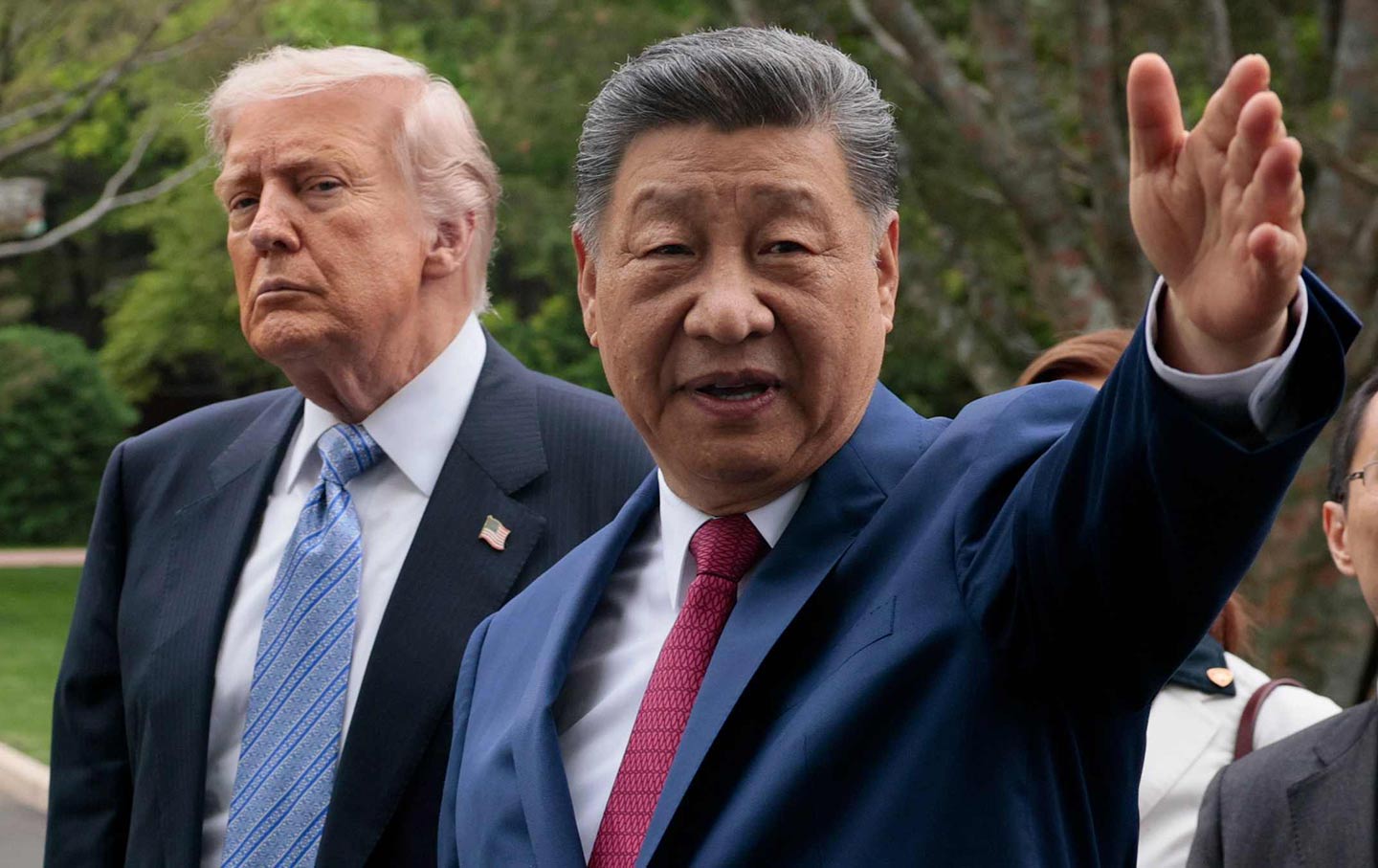
Chinese Development Is the Betrayal Washington Cannot Forgive Chinese Development Is the Betrayal Washington Cannot Forgive
The prospects for Xi Jinping’s visit are dim because American leaders are blaming China for the failures of globalization.

Pinochet: The Verdict of History in the Letelier-Moffitt Case Pinochet: The Verdict of History in the Letelier-Moffitt Case
An act of international terrorism on the streets of Washington, DC, still reverberates 50 years later.
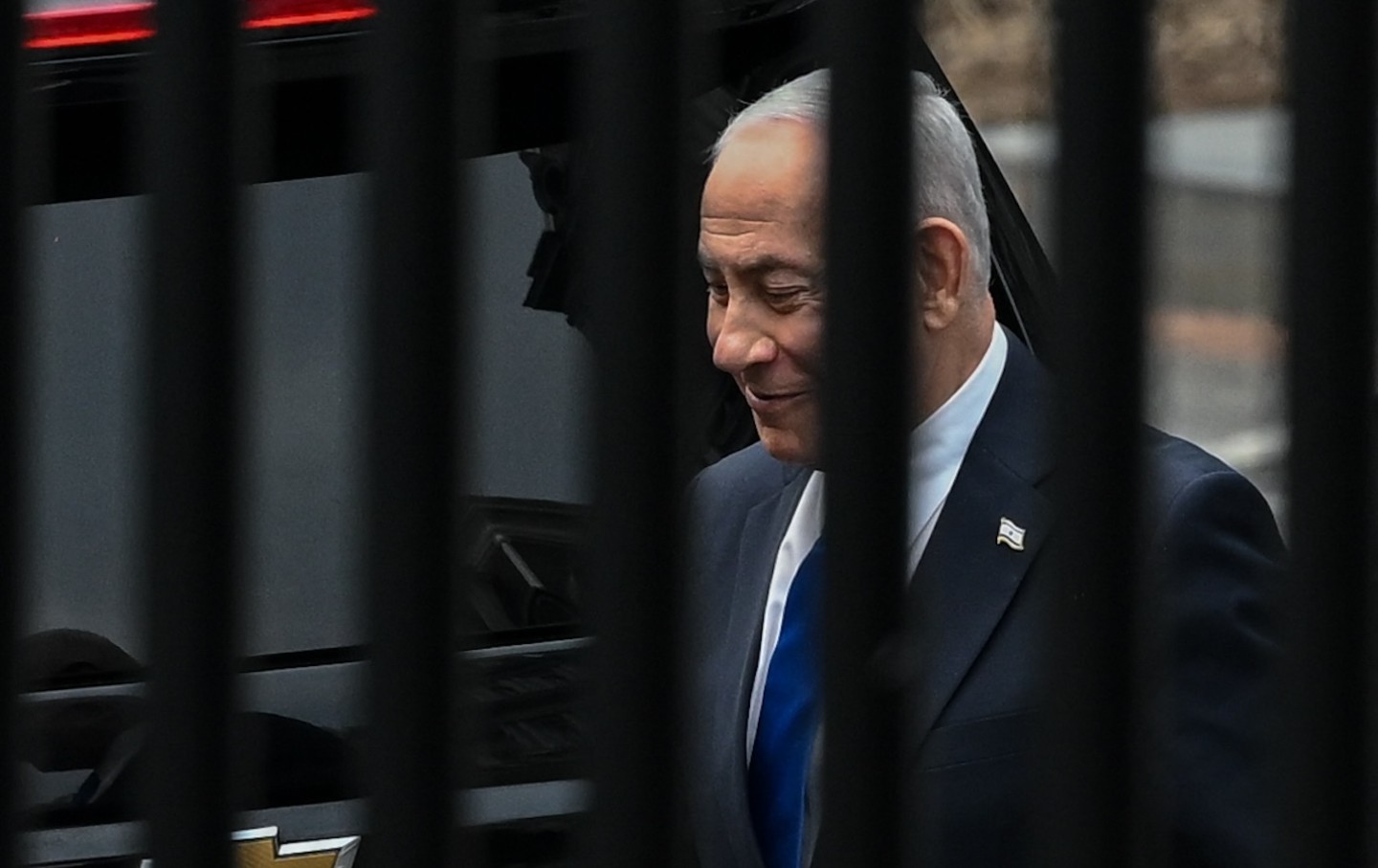
How to Arrest Benjamin Netanyahu How to Arrest Benjamin Netanyahu
Make no mistake: The United States can seize Netanyahu for crimes under US law and prosecute him in US courts when he is in New York City this week.
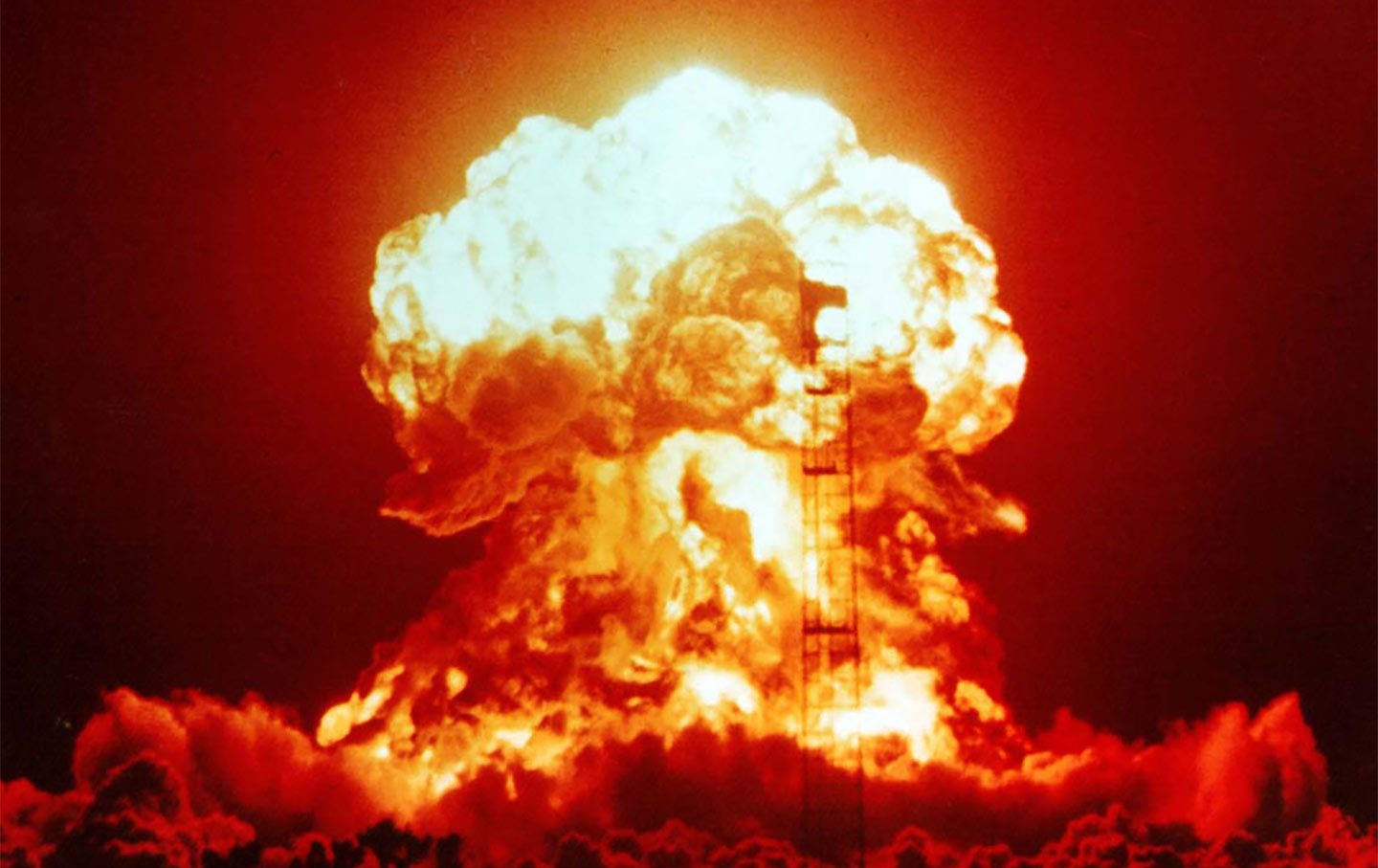
In the Age of AI, Nuclear Weapons Abolition Is a Renewed Imperative In the Age of AI, Nuclear Weapons Abolition Is a Renewed Imperative
As long as we have nuclear weapons, the job of ending humanity will continue to be as easy as the push of a button—or an AI agent hacking into a nuclear command-and-control system...
These Students Are Shaping UN Human Rights Policy These Students Are Shaping UN Human Rights Policy
Princeton undergraduates are helping the organization develop standards for post-mortem digital privacy and death in custody.

