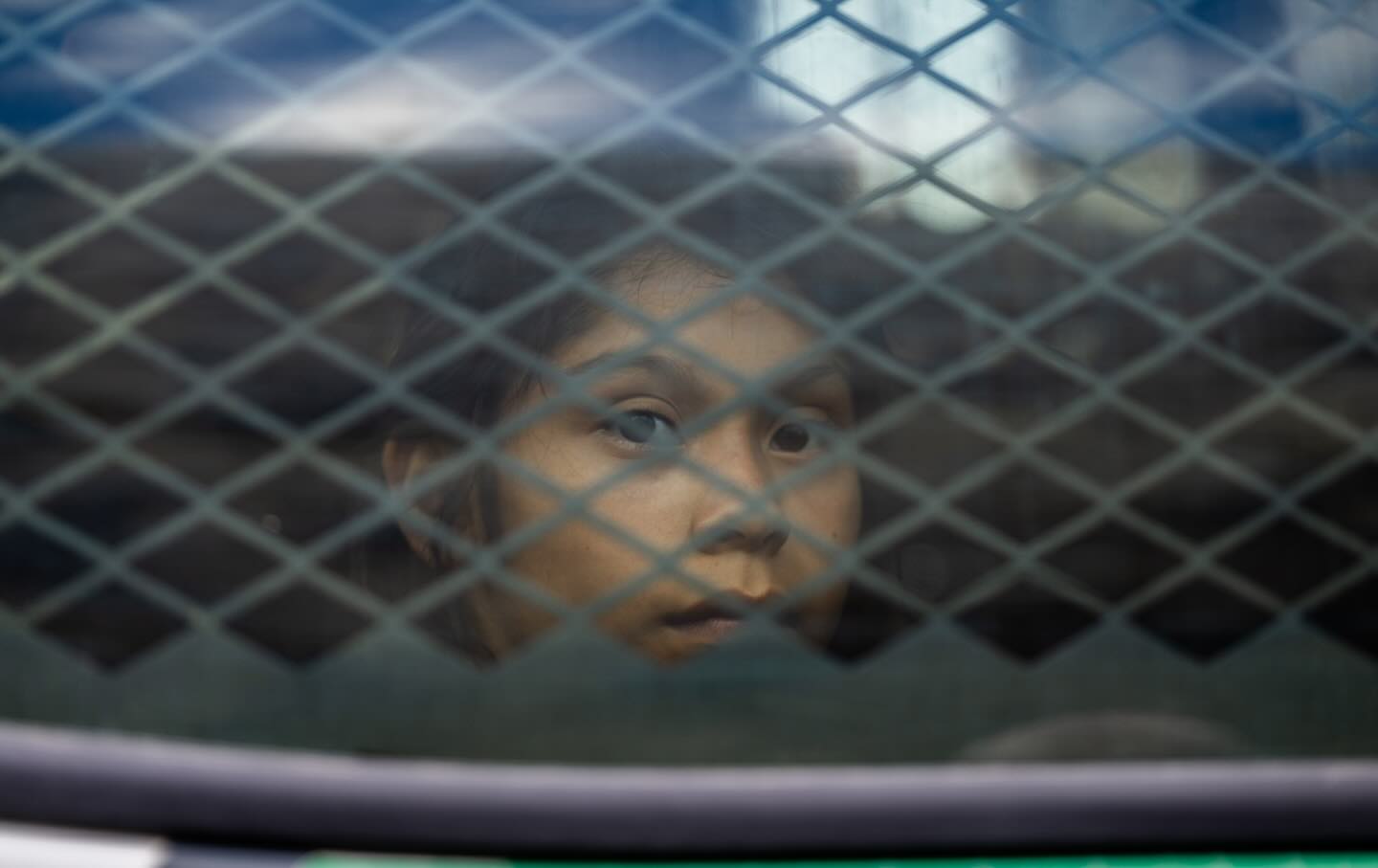
In the spring of 2018, a mother called me, and in between sobs, she begged for help. Her 8-year-old son had been taken from her at the southern border when she surrendered herself to Customs and Border Protection after crossing into the United States. She was desperate to be reunited with him. Little did she know that she was one of the thousands of victims of Donald Trump’s newly enacted family separation policy.
I did everything I could to get her son back. I called every lawyer, journalist, and activist in my phone. We plotted. We planned. Eventually, she was reunited with him. But those nights were endless. My rage was overwhelming. My frustration demanded an outlet. I channeled that pain into my art, asking: What if the cruelty of family separation continues unabated?
I imagined what a Trumpified United States might be like in 2032—a dystopia of hatred and authoritarianism. It was the world of my nightmares. Sanctuary, a novel I cowrote with Abby Sher, was born. It tells the story of a teenage girl who is undocumented and is forced to fight for freedom in a country intent on erasing her. Published in 2020, Sanctuary was a call to resist, born from unimaginable pain.
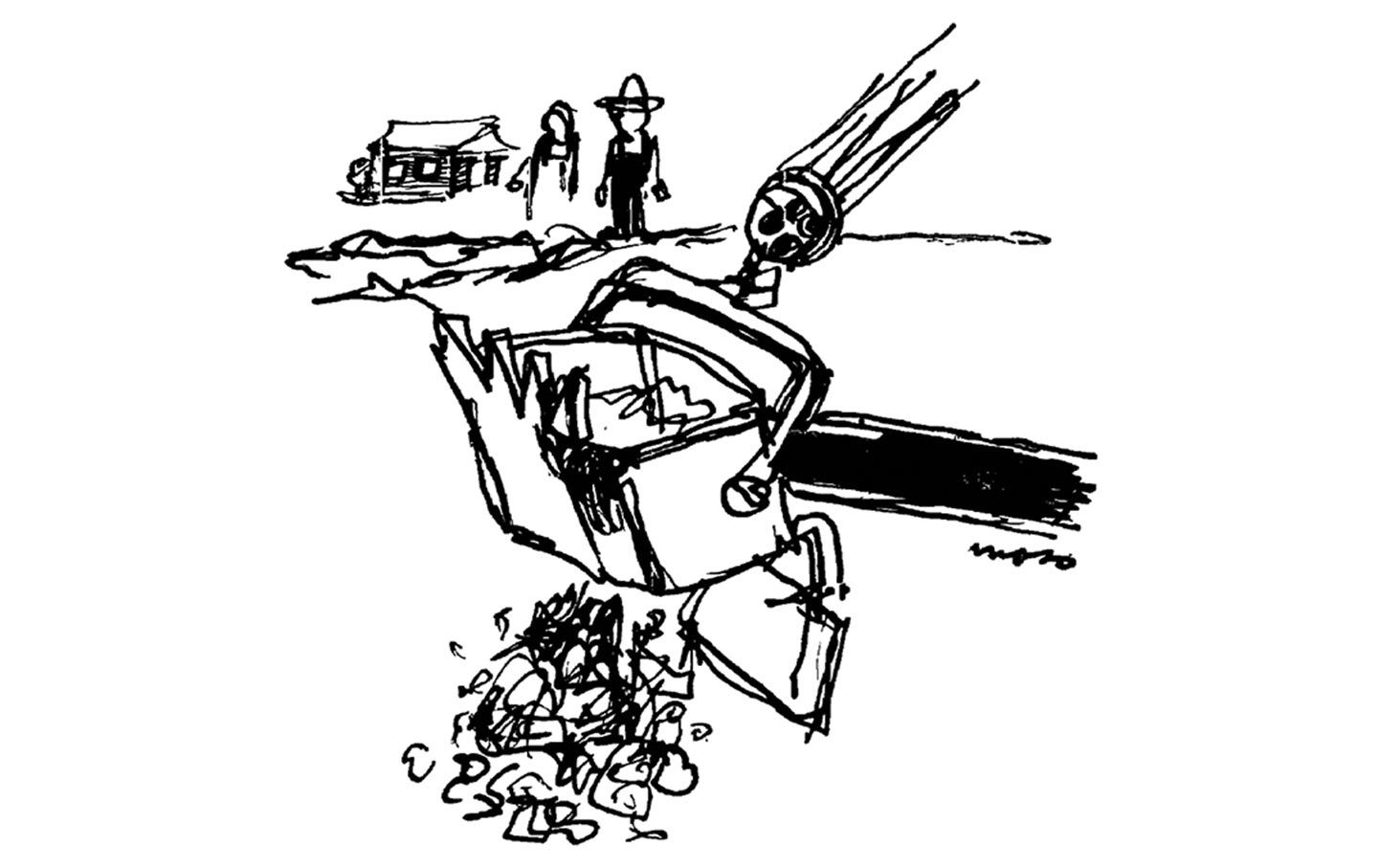
But Sanctuary’s story wasn’t finished—nor was the rise of authoritarianism. When Donald Trump announced his 2024 presidential campaign, Abby and I were writing SOLIS, the sequel to Sanctuary. SOLIS tells the story of an America in 2033 where a massive Deportation Force sweeps across the country, rounding up undocumented immigrants, then those with visas, and eventually anyone who dares to oppose the autocrat running the country. The DF raids homes, schools, businesses, and places of worship. Separating families isn’t enough; it opts to put entire families into labor camps.
In the deserts of the Southwest, I envisioned sprawling camps filled with people whose only crime was seeking safety and freedom. My inspiration came from the temporary detention centers erected in El Paso in 2019. I spoke with many women at those centers who had been held for months in such appalling conditions that they called their quarters “the forgotten tents.” Just as in real life, the characters in SOLIS are crammed into vast, stifling tents that offer little relief from the relentless desert heat. They sleep on splintered wood pallets spread across dusty floors, with only thin blankets, if they have any at all. Children’s cries fill the air. Their pleas for food, water, or their ailing parents are ignored by Deportation Force guards who patrol with indifference.
As I was deep in the writing of SOLIS, reality seemed to catch up with fiction. During the 2024 election cycle, Trump announced plans for migrant detention camps that sounded eerily similar to the ones I had imagined. And on the campaign trail, he told supporters, “In four years, we’ll have it fixed so good you’re not going to have to vote again.” Meanwhile, Trump’s former chief of staff John Kelly, a retired Marine Corps general, said in a New York Times interview that Trump meets the definition of a fascist. Similarly, in SOLIS, the fictional president clings to a third term while a retired general speaks out against his authoritarian grip. And much like SOLIS’s Deportation Force sends entire families to labor camps, Trump’s new border czar, Thomas Homan, wants to keep families together—by deporting them en masse.
I believe my duty as a writer is to look beyond the present, to tune in to the whispers of human experiences that hide beneath the surface, and to expose what might be festering in the darkest corners of our collective consciousness. As Octavia Butler said, “I didn’t make up the problems.… All I did was look around at the problems we’re neglecting now and give them about 30 years to grow into full-fledged disasters.”
We have arrived at our biggest disaster yet—about eight years earlier than I imagined. SOLIS, which was published on October 8, was meant as a clarion call for freedom and a warning of what could come—an urgent statement of how we can resist the creeping tide of fascism. With Trump’s reelection, it is clear to me that SOLIS was not just a blueprint of the structural horrors that could emerge in the face of an unchecked rise of authoritarianism but also a blueprint for the bravery and activism needed to fight those horrors. I am now taking inspiration for how to fight back from SOLIS. The novel’s courageous characters find the capacity to love and resist even in the face of unending cruelty and violence. Against great odds, they discover a power within themselves by asking a question that feels urgent for all of us today: What am I willing to do for someone else’s liberation? This question is at the heart of their fight—and it must be at the heart of ours.
To push back against the growing fascism, we must be clear about exactly what is happening and resist the right’s attempts to divide us. We will soon be inundated with an onslaught of hate—through our social media feeds and from talking heads who want to convince us that rounding up millions for deportation is the only solution to our broken immigration system. This mass deportation effort being promised by the Trump administration isn’t about fixing the system; it’s about exerting power, showcasing force, and causing harm. The right-wing media machine will attempt to make us lose our empathy; it will try to desensitize us, to make us see violence and cruelty as necessary. Our task is to reject these lies and uphold our commitment to justice, compassion, and community.
As state-sanctioned violence threatens our communities, we also have a duty to bring that violence to light. Fascism thrives in darkness; to defeat it, we must expose its horrors. One way we can do this is by using our phones to document the truth of these vicious policies. When the immigration raids ramp up, we can show the world how Trump’s deportation force is ripping families apart. We must document the violence of the state in real time. This requires a multipronged approach. Those directly affected—the people being rounded up—must have the tools and courage to turn their cameras on their own pain, exposing to the world the horrifying policies enacted in our name. Social media will be a critical vehicle for truth, amplifying these stories to reach the masses. We have witnessed the powerful impact of citizen journalism emerging from Palestine, and we must be willing to do the same here. Each of us has a role to play: By sharing the stories of those who are rounded up and deported and creating content about these horrors, together we can expose the realities of state violence and shine an unrelenting light on the machinery of fascism.
We must show the country the violence that fascism breeds so that we, one day, can collectively free ourselves from it.