The Recent Riots in the UK Should Be a Warning to Kamala Harris
Like the Tories, the new Labour government wants to blame immigration for Britain’s current troubles, but these have less to do with immigration than with deprivation.

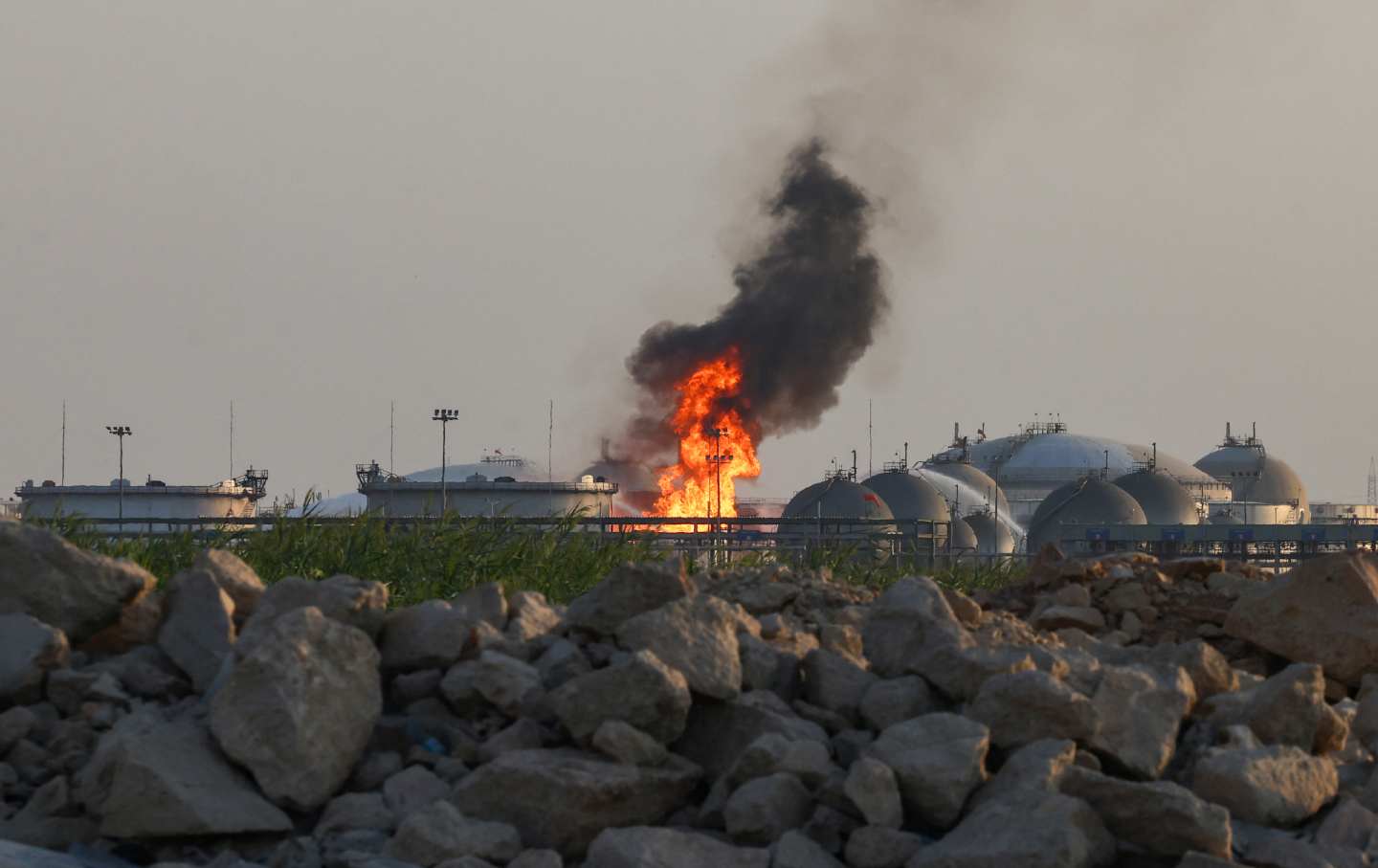
As the United Kingdom comes to grips with a recent surge in far-right, anti-immigrant violence, a troubling pattern has come into view. Many of the 23 towns and cities besieged by riots, which broke out after a devastating knife attack at a children’s dance class in Southport, have three important things in common, a Financial Times analysis of UK Home Office data suggests. Liverpool, Hartlepool, Middlesbrough, Blackpool, Hull, Blackburn, and Manchester—all of which were flooded by rioters who looted, lit fires, launched projectiles at police, and attacked Muslims, asylum seekers, and people of color—are among the 10 poorest places in Britain, and several others, including Southport, are among the top 20. These areas are also home to large populations of asylum seekers, thanks to a cost-saving Tory policy that turned cheap hotels in low-income areas into housing for people awaiting asylum-claims processing. Lastly, almost all voted for Labour during the July 4 general election.
These facts should give newly elected Prime Minister Keir Starmer pause—though not for the reason the British right conveniently claims. It’s easy to blame immigration for Britain’s current troubles, as former prime minister Boris Johnson and others quickly did, given that the ostensible spark for the riots was a false social media narrative that the assailant was a Muslim asylum seeker. In his MailOnline column, Johnson claimed that Starmer gives “the clear impression of a man who has no plan to stop illegal immigration, because he simply doesn’t care.”
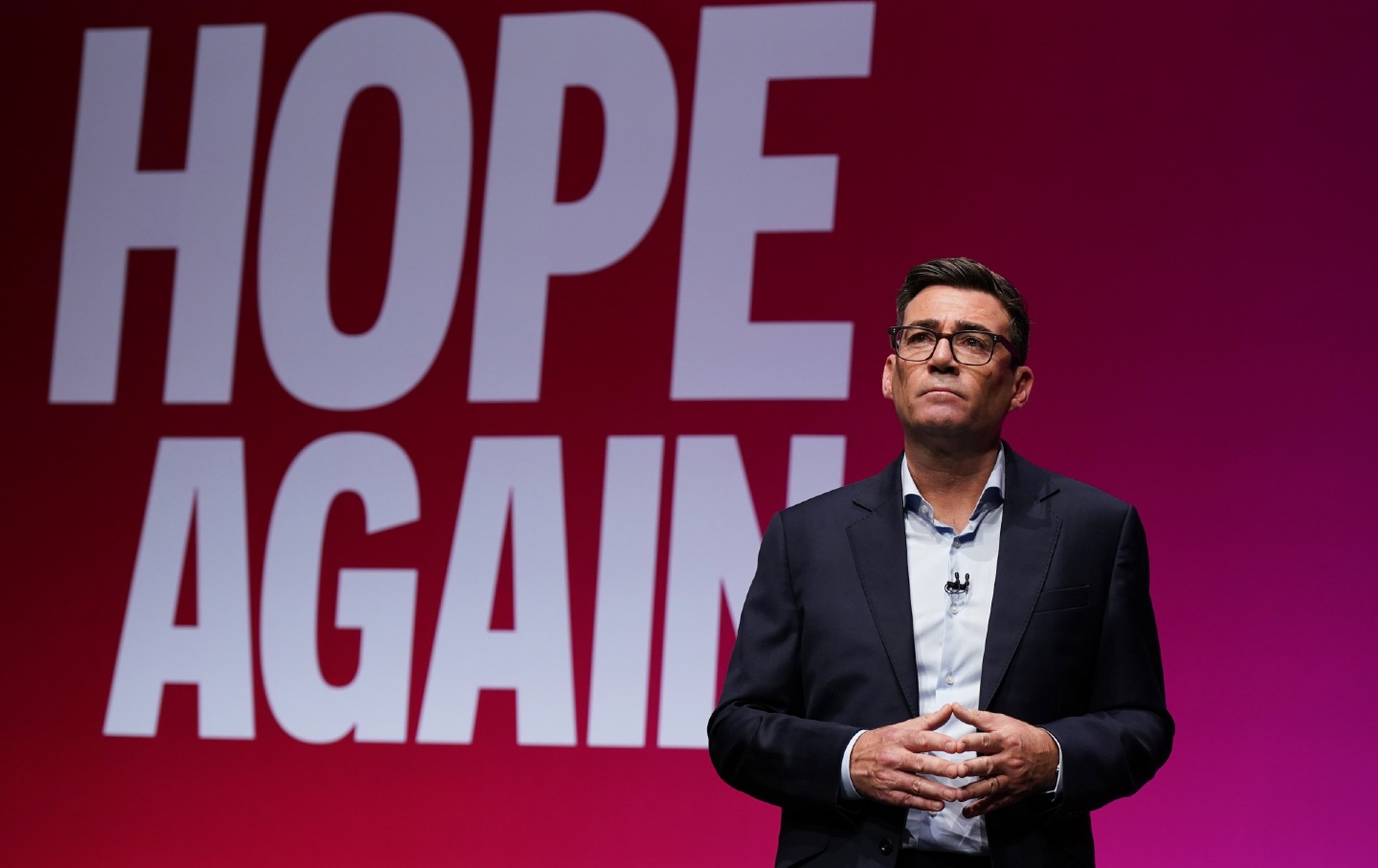
For Starmer, whose views on immigration are sometimes indistinguishable from those of his right-wing predecessors, such charges could be used to justify a doubling-down on the anti-immigrant stance he announced days into his five-year term. Like Conservative prime ministers before him, Starmer is considering processing asylum claims offshore—a measure Labour believes would deter asylum seekers from crossing the English Channel in small boats. The former chief prosecutor has also vowed to create a Border Security Command, with hundreds of new specialist police, intelligence agents, and investigators largely dedicated to breaking up migrant “smuggling gangs.” There are also plans to scrap the asylum-seeker hotel policy by processing claims faster, but the move raises questions about where people granted asylum are meant to live given the existing social housing shortage.
The problems the country urgently needs to address, however, have less to do with immigration and far more to do with deprivation. Rob McNeil, the deputy director of the Migration Observatory at the University of Oxford, summed up the root causes of the recent riots for the Financial Times: “These are often communities that are already socioeconomically deprived and have high unemployment, which can contribute to a sense that there is competition for scant resources.” It’s this scarcity that right-wing figures and media constantly attribute to immigration rather than the decade-plus of Tory austerity measures that bankrupted councils and brought public services to their knees.
When it comes to the country’s thorniest issues, the new Labour government’s agenda, as set out in the King’s Speech on July 17, did little to signal a meaningful shift from 14 years of Tory rule. To name just a few troubling omissions: Other than an inadequate promise to reduce waiting times for healthcare and improve mental health treatment, no bold new policies were announced to heal the country’s ailing National Health Service—a top concern for most Britons, including those rioters who blame immigrants for the NHS’s collapse. While the king cited expanded housing targets, he made no direct mention of new social housing. Worse yet, when the Scottish National Party submitted a motion to get rid of the Tories’ two-child welfare limit, Labour not only instructed MPs to vote against it but suspended the handful of Labour parliamentarians who voted in favor. This, despite the fact that 4.3 million children are living in poverty in Britain today.
These early decisions can be read as a message to communities struggling to survive amid a cost-of-living crisis in Hull, Middlesbrough, and elsewhere that Starmer doesn’t care about improving their daily lives. As for the riots, rather than recognize the desperation fueling the widespread disorder, the former chief prosecutor opted for repressive police crackdowns and dismissing the rioters as “thugs”—a comment that echoes that of another out-of-touch liberal years ago. Although Hillary Clinton, who infamously called swaths of the American electorate a “basket of deplorables,” was never given the reins of power, Kamala Harris should be paying close attention to Clinton’s failures, as well as to her fellow former prosecutor’s turbulent first few weeks leading the UK. There is, after all, significant crossover between right-wing networks in the two countries, including figures like Steve Bannon and Nigel Farage. But there’s another thing the UK and the US have shared in recent years: a surge in over-policing, name-calling, and anti-immigrant border crackdowns that have done nothing to stem the rise of the far right.
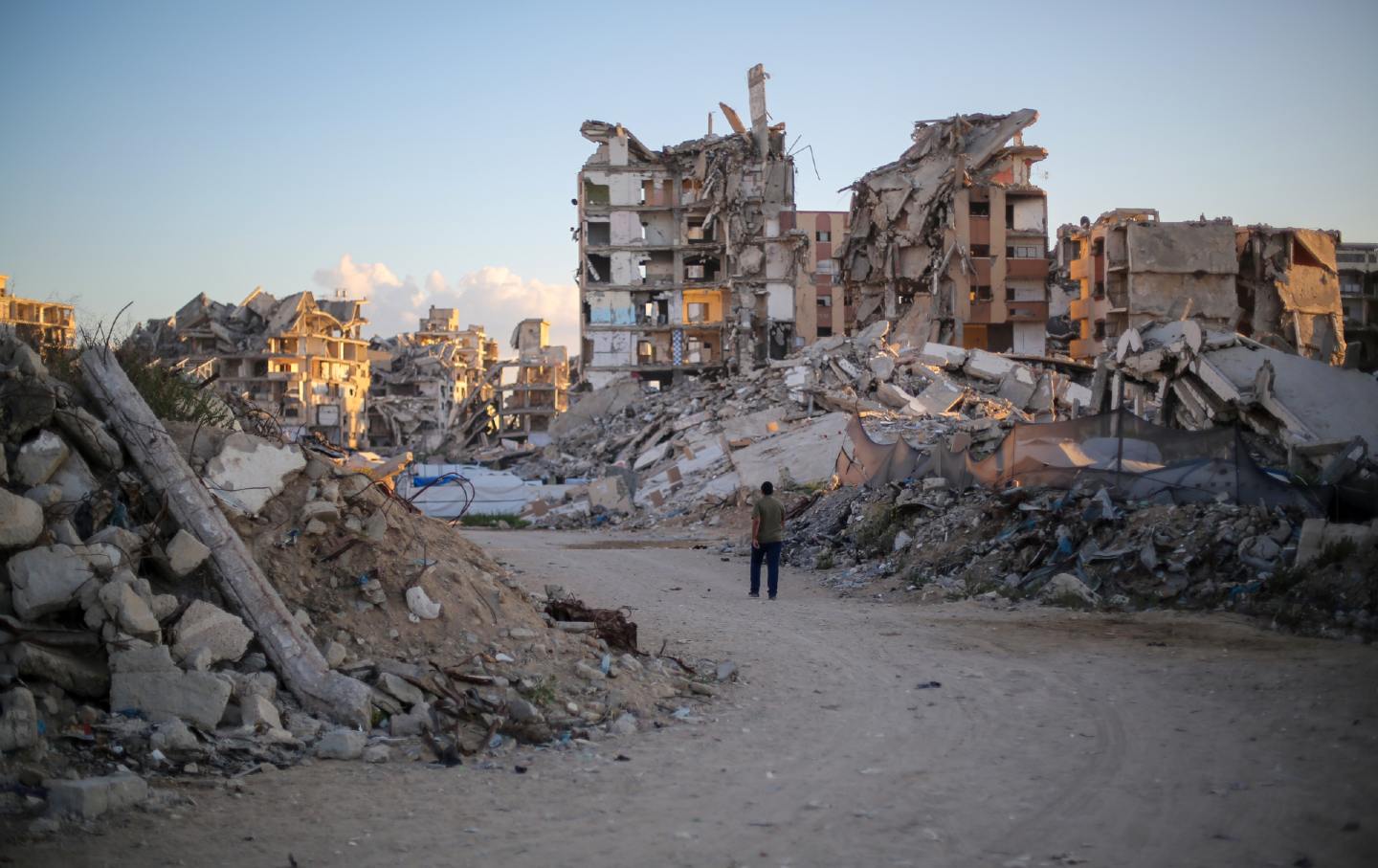
After decades of rising inequality, austerity, deterioration of social programs, and the betrayal of working people’s needs by the leading political parties, what both Britons and Americans need are social policies that deliver meaningful material change, not more police. Should Harris become the next US president, she will almost certainly face anti-immigrant agitation by the forces of the far right; she would do well to heed the warning shot Starmer’s Britain is firing from across the ocean.