
It’s the 2024 Election Season. Where’s the Climate Story?
Despite the threats to all of humanity, news outlets around the world are largely sidelining the climate conversation
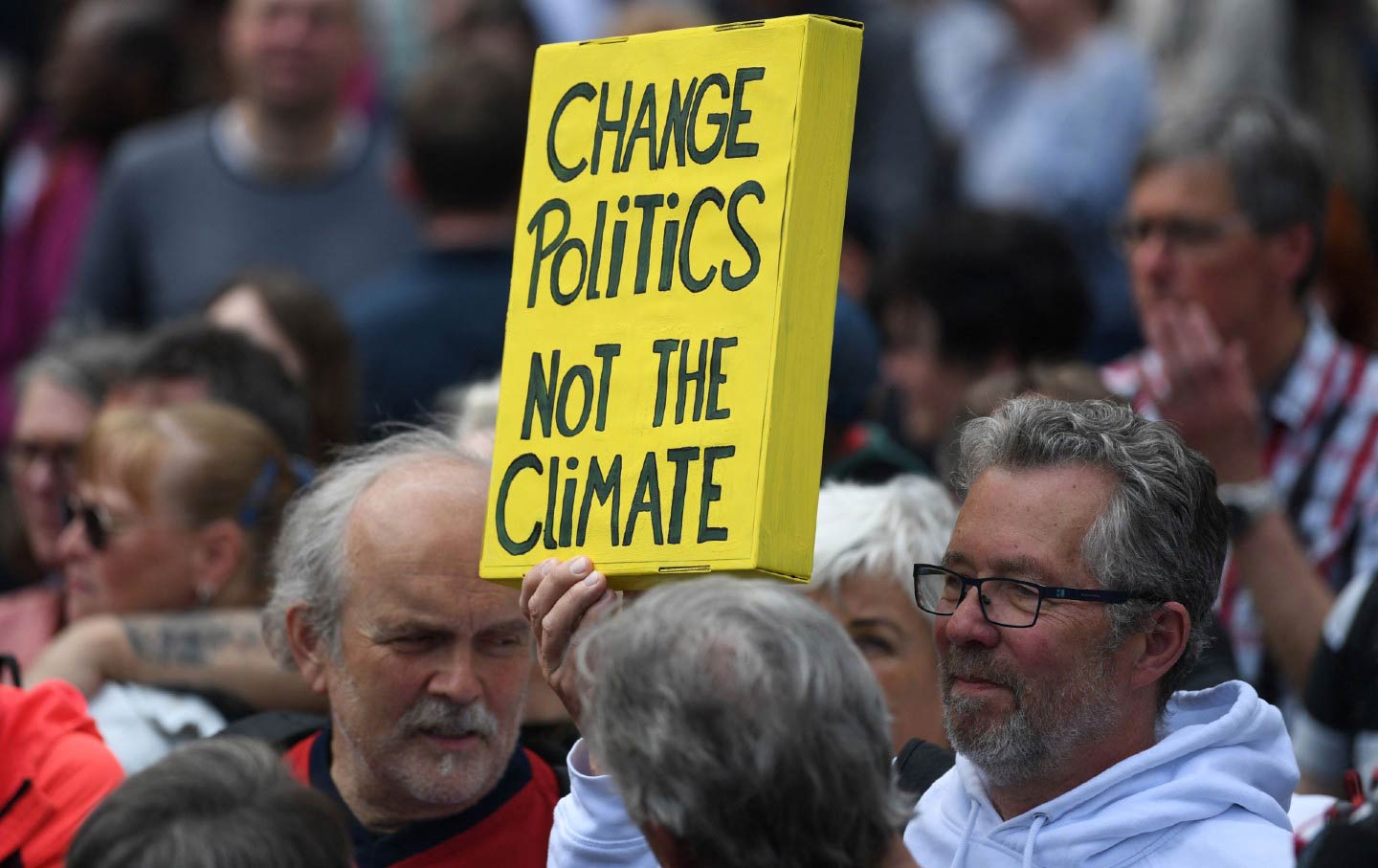
Fact one: More voters face national elections in 2024 than ever before—about 4 billion people, nearly half the human population.
Fact two: Last year was the hottest in recorded history—and scientists warn that oil, gas, and coal burning must be rapidly phased out if we are to preserve a livable planet.
Fact three: Journalists too often don’t connect one fact with the other.
By any reasonable journalistic standard, 2024 should be the year of the climate election. Countries around the world face critical questions about leaving fossil fuels behind; adapting our transportation infrastructure, housing stock, and farming practices to increasingly harsh weather; and protecting the people most at risk. Reporters should be asking candidates where they stand on all of this, so voters are equipped with accurate information to hold their elected officials to account at the ballot box.
Unfortunately, this is mostly not happening. Despite the moment of peril we are living through—a moment felt especially acutely by young people looking to their futures—news outlets around the world are largely sidelining the climate conversation, contributing to the sense among young people that journalism isn’t covering the issues they most care about.
It is a particular problem in the United States—the largest emitter of climate pollution in history and the second-largest annual emitter, behind China. Already, the country is under assault by damaging—and expensive—climate impacts. The National Oceanic and Atmospheric Administration announced in January that 2023 was the worst year yet, with 28 climate-related disasters in the US claiming 492 lives and causing at least $92.9 billion in damages. Scientists are clear: Climate extremes will continue to worsen until humans stop pumping carbon and other greenhouse gases into the atmosphere.
So far, however, the political press is covering the 2024 campaign as if climate weren’t on the ballot. Whether it’s the presidential, congressional, or state and local races being covered, climate questions are relegated to afterthoughts in candidate debates and interviews, if they’re asked at all.
And when the climate crisis does come up, it’s often framed as a simplistic, either-or question that implies that the science remains unsettled: Do you, or don’t you, believe man-made climate change is real? That question was settled long ago; the scientific consensus around the climate crisis is approaching the consensus around gravity.
But there’s an easy shift to make: Ask candidates what they’re going to do about the climate crisis; specifically, what is their plan to rapidly phase out oil, gas, and coal, as science says is imperative. Journalists can also ask candidates whether they take money from the fossil-fuel industry, the main driver of the climate crisis; and ask candidates what solutions they have for constituents who are suffering from deadly heat and other weather extremes.
We don’t think political reporters and their editors are intentionally burying the climate election story. But they are creatures of habit, reverting to a mode of coverage that has plagued campaign reporting for decades. As Margaret Sullivan, Jay Rosen, and other observers have been lamenting for years, political reporting continues to operate in an unhelpful time warp.
Polls still dominate elections coverage more than they should. Reporting on polling is easy, quick and responsive to the news cycle. The ins-and-outs of campaign strategy—coverage of the horse race—are still an obsession. This is a topic endlessly interesting to campaign reporters, but irrelevant to most voters. And a lack of journalistic judgment still means news outlets give the microphone to the loudest, most incendiary voices, regardless of whether they are addressing the issues voters care about.
We believe that more and better coverage of the climate crisis could help solve the media’s campaign-coverage problem. All over the world, decisive majorities of the public say they are concerned about the climate crisis. In the United States, 56 percent of people questioned are either “concerned” or outright “alarmed” by it. If a candidate won an election with 56 percent of the vote, political reporters would call that a landslide. Yet that landslide of public opinion is not seeing the climate story reflected on their TV screens or news feeds.
The climate crisis is a story that is important, fresh, and rich with both solutions and drama. Let’s try seeing it as the beginning of a new way to cover politics in this most critical of election seasons.
At Covering Climate Now, the global collaboration of 500-plus news outlets we co-founded in 2019, our partners are doing their part. This week, CCNow is launching the Climate Elections project, a nonpartisan series of efforts aimed at helping journalists and newsrooms center climate crisis in their 2024 elections coverage.
Popular
“swipe left below to view more authors”Swipe →Our hope is that reporters everywhere—but especially campaign and politics reporters—will make the climate crisis part of their reporting on the many elections, local as well as national, taking place around the world this year, reminding their audiences that, among everything else at stake, the future of the planet is also on the ballot.
The Climate Elections project kicks off with a weekly newsletter aimed at helping reporters incorporate climate, where appropriate, into their campaign coverage. Called Climate on the Ballot, the newsletter will highlight a new topic every week and suggest ways to make the climate connection to campaign coverage.
This week, we highlight what may be surprising news to many politics reporters and editors: The American public actually wants more climate information, with some 80 percent of Americans polled saying they “want to learn more” about the climate crisis, according to Anthony Leiserowitz, the director of the Yale Program on Climate Change Communication. Each week, the newsletter will propose story ideas, spotlight examples of elections coverage that makes the climate connection and offer journalists resources to inform their reporting.
In coming weeks, we’ll roll out additional resources, including a calendar of cross-referenced elections and climate events, a tool to help identify and debunk climate-related disinformation, a handbook for getting started as a campaign climate reporter, and events such as a webinar with Margaret Sullivan and Ben Tracy next Tuesday called “Beyond the Stump Speech: Integrating Climate in Elections Reporting.”
Scientists emphasize that the climate crisis is solvable: Humanity has the necessary technologies to “transition away from fossil fuels,” as the world’s governments agreed at the COP28 climate summit in December 2023. What’s often lacking are political leaders willing and able to implement those technologies and leave fossil fuels behind.
Which makes elections crucial to addressing the climate crisis. But for voters to do their part, they first have to be informed, and journalism remains a singularly powerful tool for providing the information they need.
So much is at stake this election season, in the US and around the world. Journalism will be judged by how it responds. Our hope is that 2024 is the year in which reporters focus on what matters most to people and how they live; not on what insiders obsess about or what’s easiest to produce and seems to be driving clicks in the moment.
At this make-or-break moment in the climate crisis, it’s hard to think of a more important issue facing voters. Journalism should cover it that way.
More from The Nation
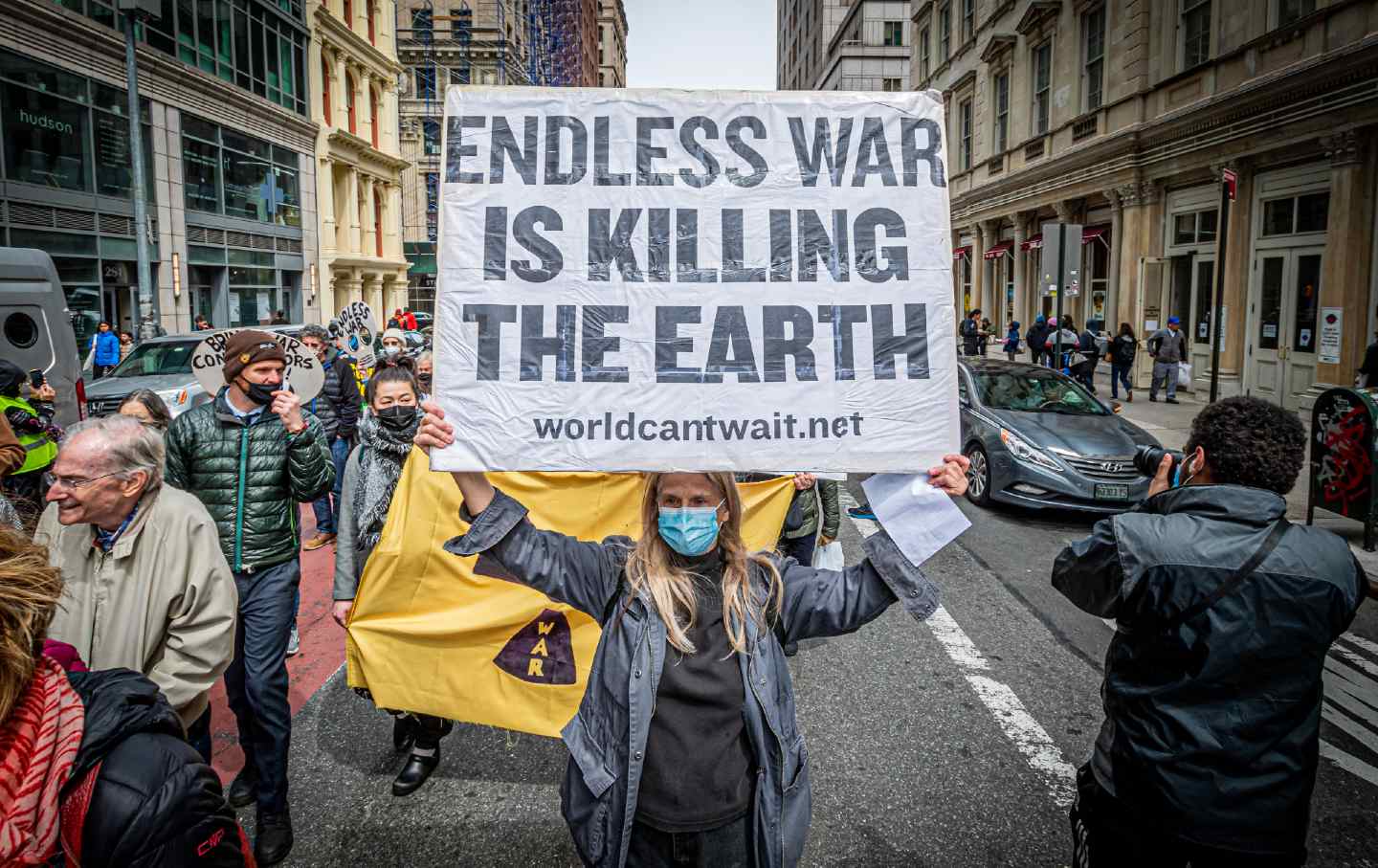
Abby Martin on the Climate Cost of US Empire Abby Martin on the Climate Cost of US Empire
The filmmaker discusses military pollution, her reporting in Hawai’i, and why the climate and antiwar movements belong together.
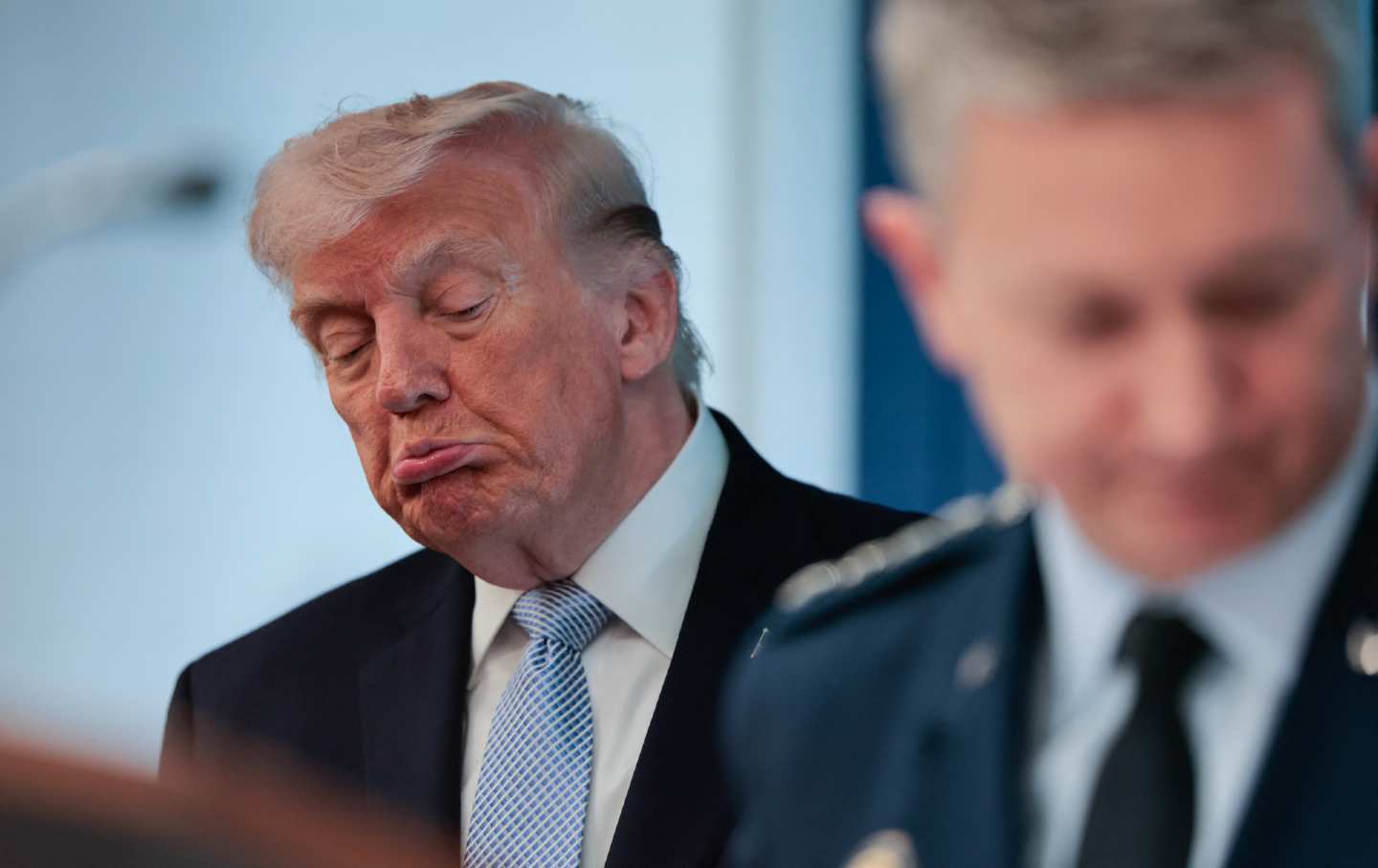
Trump Is Making Deals With Big Oil Trump Is Making Deals With Big Oil
Democrats and the press should be paying attention to how this pay-to-play behavior relates to the midterms
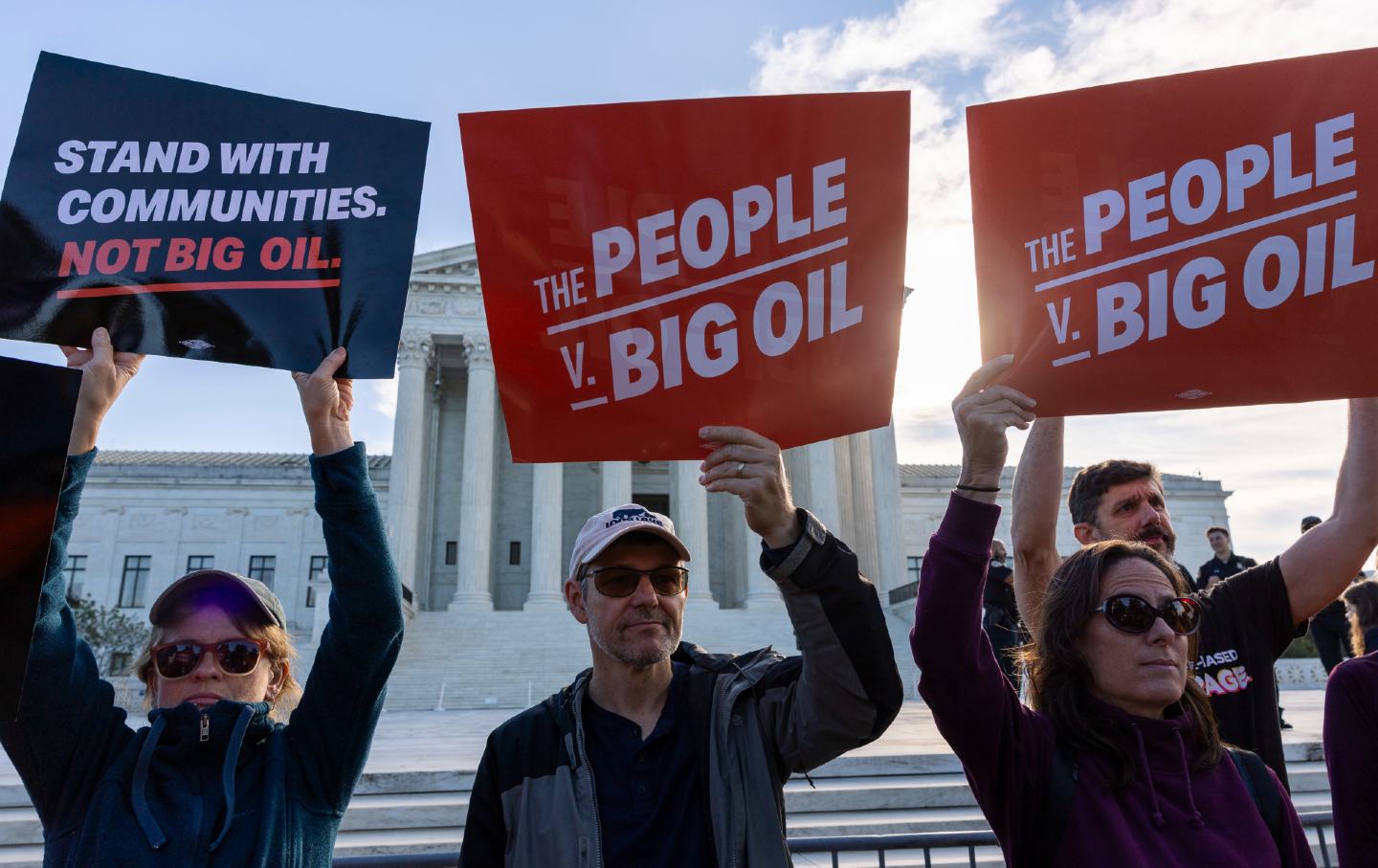
This Lawsuit Could Make Big Oil Pay for the Harm It’s Caused This Lawsuit Could Make Big Oil Pay for the Harm It’s Caused
The question is whether the Supreme Court will let it.
Germany and California Make Up an Environmental Superpower Germany and California Make Up an Environmental Superpower
The world’s third- and fourth-largest economies have pledged to environmental protections. Will others follow suit?

Gavin Newsom Comments on Climate Gavin Newsom Comments on Climate
On the sidelines of the UN General Assembly meeting and New York Climate Week, the California governor called AOC “the real damn deal.”

Cities as Climate Labs: Inside the U20 Summit Cities as Climate Labs: Inside the U20 Summit
Mayors at the Urban 20 Summit worked across borders to confront the climate crisis at the local level.

