
My Homeland Is Being Ruled by Terror. The World Must Pay Attention.
Myanmar’s military junta is committing indiscriminate atrocities. We shouldn’t look away.
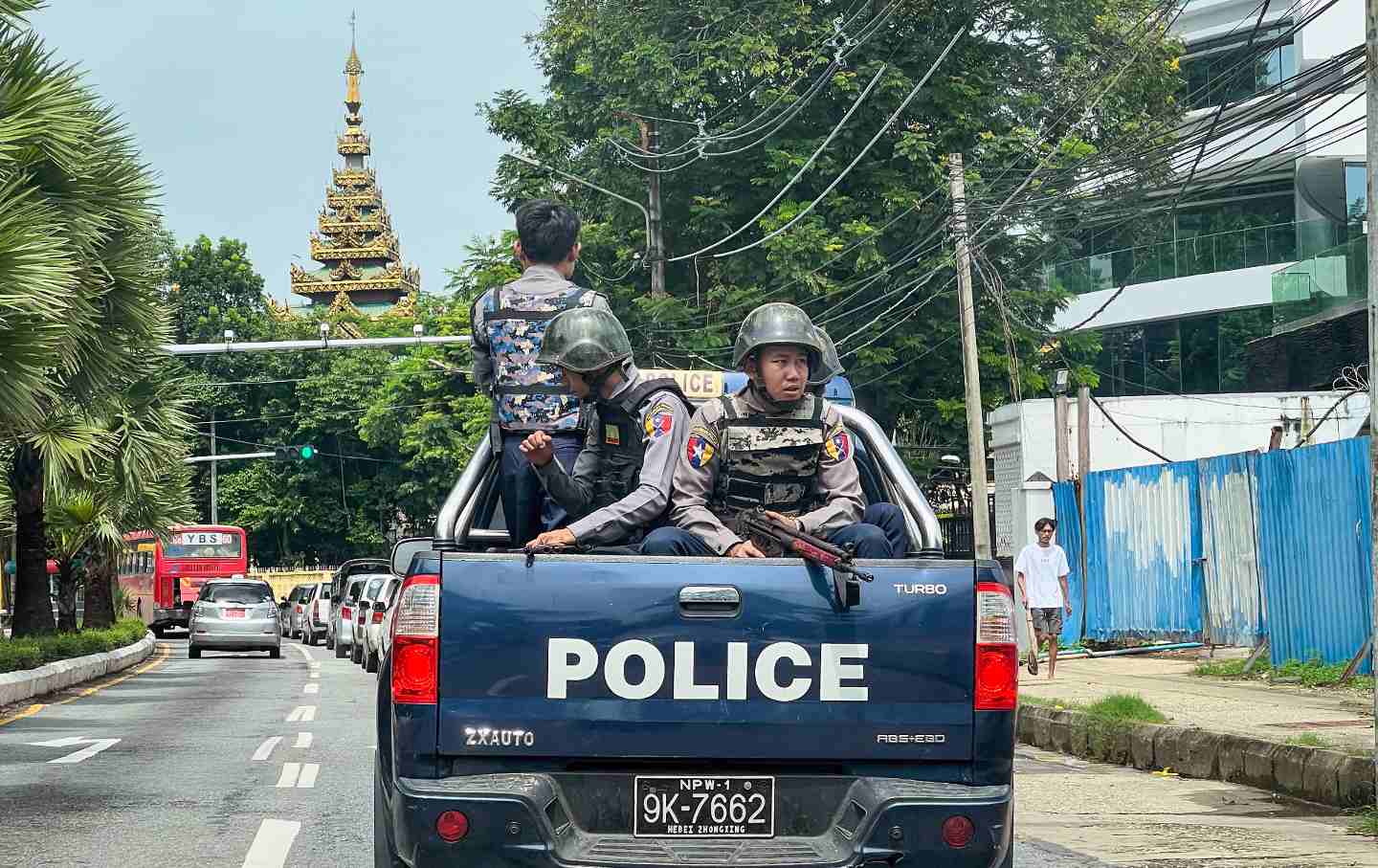
Police patrol on a street in Yangon on July 19, 2023, on the 76th Martyrs’ Day, which marks the anniversary of the assassination of independence leaders.
(STR / AFP via Getty Images)My father passed away a few months ago in Australia, dreaming about returning one day to his homeland of Myanmar. Of course, going home was impossible. His health was poor and Myanmar isn’t safe, with a junta unleashing ever-worsening violence, unwilling to relinquish control since the generals staged a coup in 2021. But Dad’s thoughts were always of home. Even in his weakest moments, he would ask me about the ongoing resistance to military rule.
Dad had seen Myanmar in the same circumstances before. That the country faces global opprobrium once again is not a surprise to many of its people. They have been subject to cycles of violence and dictatorship for many decades.
I was born in the shadow of military oppression in the 1980s. Myanmar was in economic turmoil. Since a coup in 1962, the military had run the country according to the “Burmese Way to Socialism,” a warped ideological construct that loosely followed Communist principles.
It was a pretext for the generals to take everything. The military seized properties and stole land from farmers; they monopolized the economy; they demonetized the currency, making what little cash people had useless. When the population resisted, the military imprisoned—or killed—them.
In 1985, when I was 3 years old, my parents decided to leave the country after Dad received a fellowship as a doctor with the United Nations in Samoa, more than 6,000 miles from Yangon, Myanmar’s major city. They had never left Myanmar before and expected their time away to be temporary.
I had an idyllic upbringing in Samoa. I ran to school barefoot and swam in shallow coral reefs the colors of rainbows. But Dad’s fellowship stipend was small, and while I benefited from an education that I wouldn’t have received in Yangon, I recall his worried look every time he couldn’t pack our lunch boxes full. By 1988, he was desperately homesick and hoped to go back to Myanmar by the end of the year.
But it was not to be. That year, a people’s movement rose up in Myanmar. A series of student-led protests became a nationwide strike, with the population demanding an end to military rule, international isolation, and poverty. And on August 8, 1988—just over 35 years ago—the military opened fire on thousands of peaceful demonstrators. Among the dead were monks, doctors, lawyers, human rights advocates, writers, university students, and even schoolkids—some of them from my older sister’s school.
We didn’t have a telephone at home, so Dad would sometimes sleep in his office, waiting to hear from his brothers and friends, who were all protesting. Sometimes I would catch him crying when he thought I was playing. Soon, I realized we weren’t going back.
The international response to the killings—known in Myanmar as the “8888” uprising—was muted, fueling a culture of impunity within the military. In 1988, there were no smartphones to live stream military abuses over social media. Images leaked eventually, but the people of Myanmar were still essentially on their own as the military rounded up and detained thousands of activists, who were severely beaten or tortured. Many died in custody and others were reported “disappeared,” feared dead. Everyone knew someone with a friend or family member who had been killed.
Myanmar rarely made the international news for many years after that, except for the endless house arrest of the political icon Aung San Suu Kyi. We distantly heard about her arrest and the dismantling of the party she chaired, the National League for Democracy.
In 2010, the military began to ease restrictions, releasing Aung San Suu Kyi from house arrest, and even welcoming foreigners into the country. In 2012, censorship on print media ended; Myanmar would have a somewhat free press for the first time in decades. Soon after, the military announced they would allow the first truly competitive general elections in 2015, the first in almost three decades.
I had been living abroad in Europe and Australia, but this was an opportunity for me to go back. I had become a journalist and I hoped to train local reporters and contribute to a society held back by consecutive generations of crooked generals. Dad had returned a few years before me to set up a clinic of his own. He understood my motives—I wanted to find my place in the country where I had been born.
Popular
“swipe left below to view more authors”Swipe →When the NLD won a landslide in the election on November 8, 2015, I was among the people running onto the streets of Yangon in jubilation. A young rickshaw driver grabbed me by the shoulders, grinning with tears streaming down his face. “It happened, sister!” he yelled as he shook me in joy. “I thought it would only happen in our wildest dreams.”
That dream, so hard fought for, has become a nightmare.
During the NLD government’s rule, the military ramped up abuses and in 2017, unleashed a campaign of ethnic cleansing against the minority ethnic Rohingya that amounted to crimes against humanity and acts of genocide. Aung San Suu Kyi distressingly backed the military to the hilt, but even that show of loyalty, which did huge damage to her international reputation, was not enough for the generals.
On February 1, 2021, the military staged a coup, rejecting the results of the November 2020 elections, which the ruling NLD had overwhelmingly won. Although both international and domestic election observers deemed the elections credible, the military—without providing compelling evidence—claimed fraud and corruption. Once again, Myanmar’s population took to the streets in peaceful protest only for the military to suppress them with deadly violence.
Dad and I watched from afar, feeling a familiar sense of loss and helplessness. The Covid-19 pandemic had forced us to leave Myanmar in 2020 and join the rest of our family in Australia. Again, we thought we would be away for a few months, but once the killings started, we knew that we couldn’t return.
As a researcher with Human Rights Watch, I have been documenting the junta’s many atrocities since the coup: mass killings, arbitrary arrests and detention, torture, sexual violence, and attacks on civilians in conflict areas that amount to crimes against humanity and war crimes.
The United Nations human rights chief says the military has killed more than 3,700 people since the coup, while another 23,740 are arbitrarily detained although the numbers for both are likely much higher. According to the UN, the military has burned at least 70,000 homes across the country to destroy pockets of resistance, with 1.5 million people forcibly displaced.
But I have also been watching Myanmar’s youth, who have refused to back down. They have shown a tenacity and strength unimagined before the coup, determined to return to a path of democracy and civilian rule. They have organized and have sought to resist the military in any way they can. Some have joined armed groups as they face an onslaught of military air and ground attacks.
Young people equipped with smartphones want us to know what is happening. When the military began cracking down, I could document human rights violations because of the images they captured. From Australia, I watched footage of the military and police opening fire on and arresting human rights defenders and resistance leaders. Even now, two-and-a-half years since the coup, Myanmar’s youth take risks to send photos and videos of atrocities so the country’s suffering is not forgotten.
The military’s recent “partial pardon” of Aung San Suu Kyi may be an attempt to deflect international concern. But the international community should not be deceived. The military’s deadly abuses are continuing.
Governments around the world need to do more than watch. Targeted sanctions to pressure junta leaders and businesses with ties to the military have helped. Those efforts need to be better coordinated among countries and expanded to limit the military’s access to the aviation fuel it needs for air strikes, and to the revenue from Myanmar’s billion-dollar oil and gas industry it uses to buy weapons.
We can’t use ignorance as a reason not to act.
More from The Nation

Progressives Are Backing Puerto Rican Independence. It’s About Time. Progressives Are Backing Puerto Rican Independence. It’s About Time.
More and more leftists are concluding that statehood for the island is not enough.
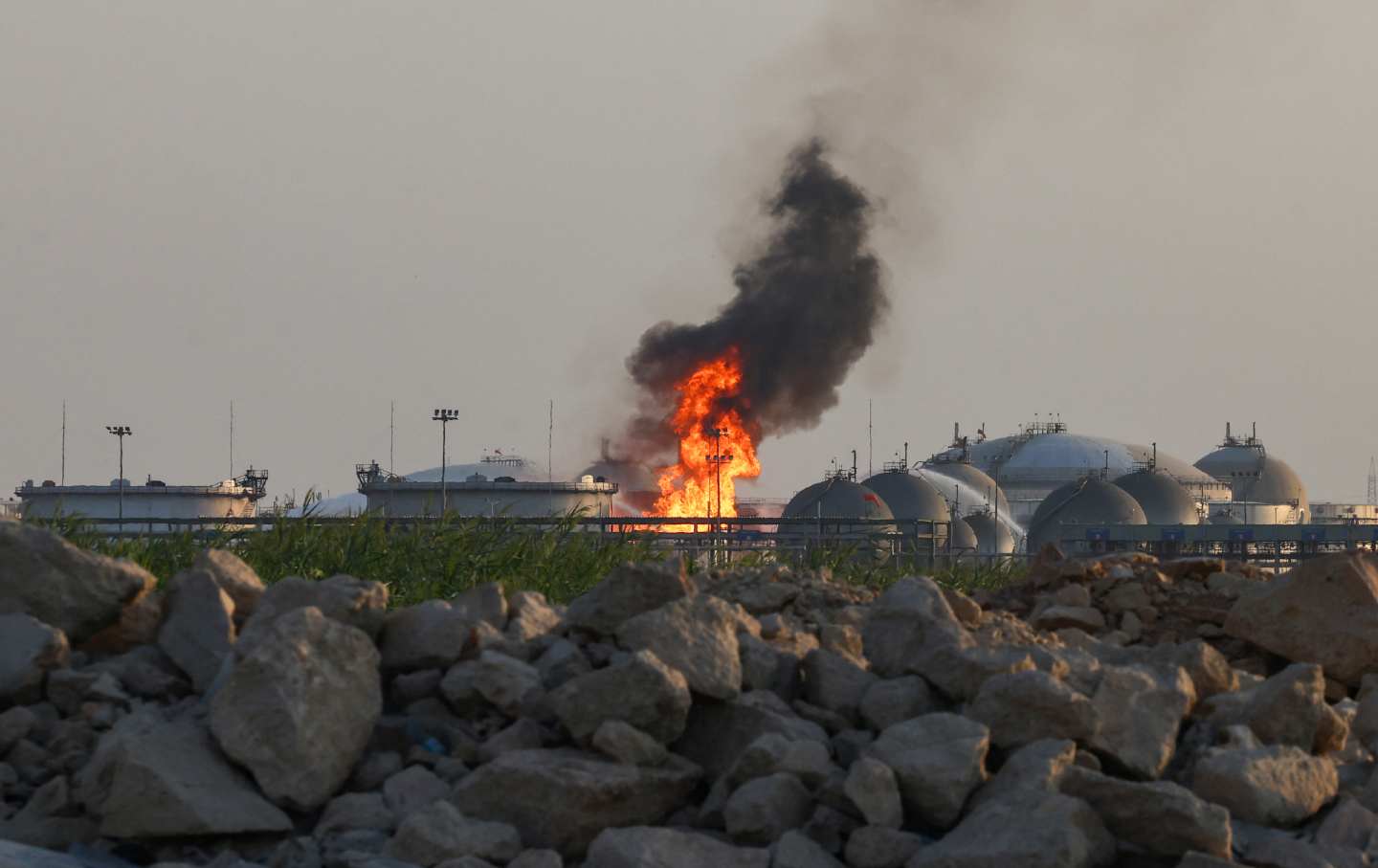
The Saudi Phase of the Iran War Signals More Chaos to Come The Saudi Phase of the Iran War Signals More Chaos to Come
The conflict that Donald Trump has repeatedly proclaimed an unequivocal American victory keeps spiraling out of control.

Andy Burnham’s Speech to the Labour Party Conference Could Be the Start of a Positive Social-Democratic Politics Andy Burnham’s Speech to the Labour Party Conference Could Be the Start of a Positive Social-Democratic Politics
But the autumn budget to be released at the end of October will offer needed details.
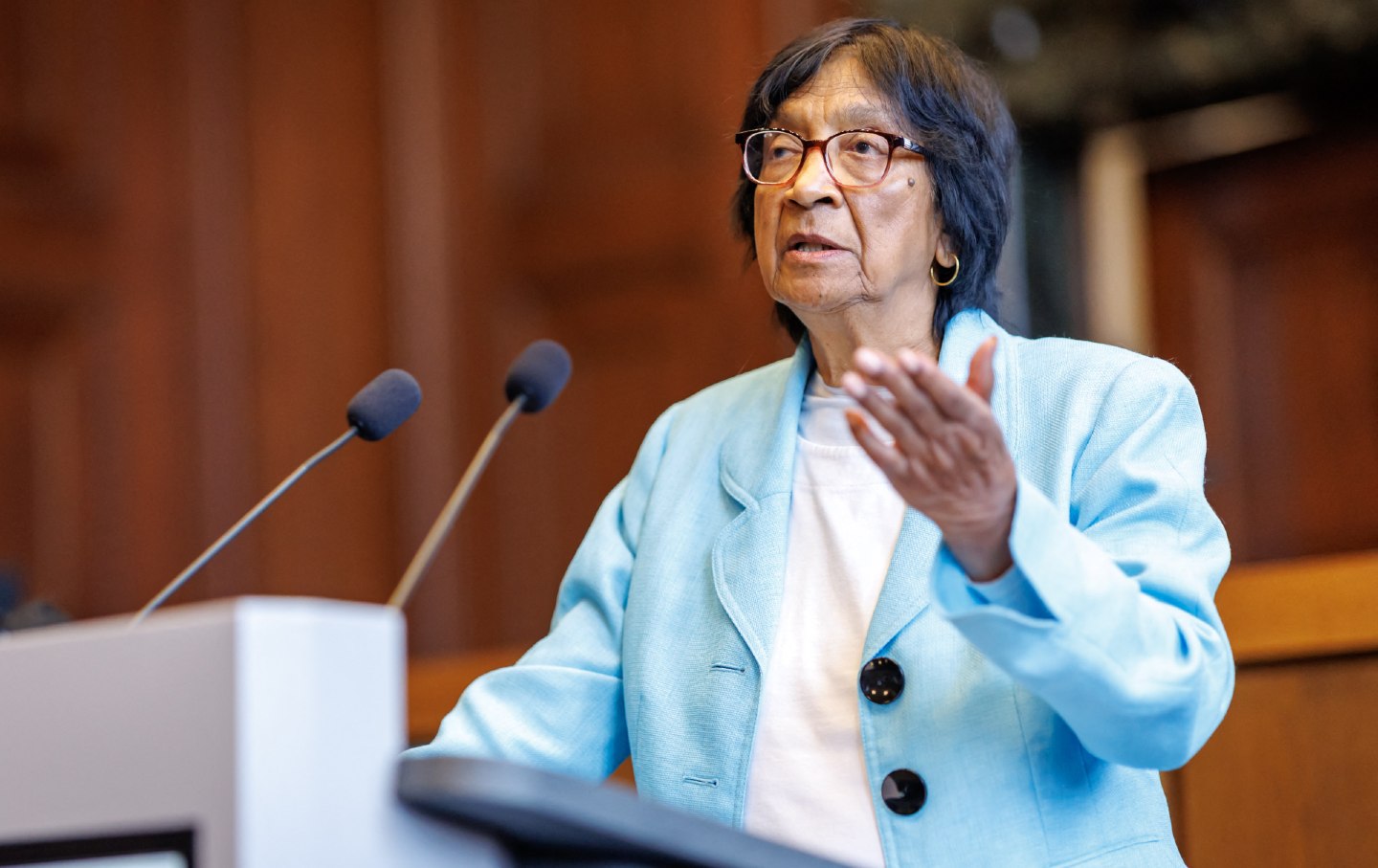
Why Navi Pillay’s Receiving the Nobel Peace Prize Is So Important Why Navi Pillay’s Receiving the Nobel Peace Prize Is So Important
She believes that human rights and international law are universal principles that must be enforced regardless of violator’s ideology, ethnicity, or geostrategic alignment.
Writing About War as Bombs Fall Writing About War as Bombs Fall
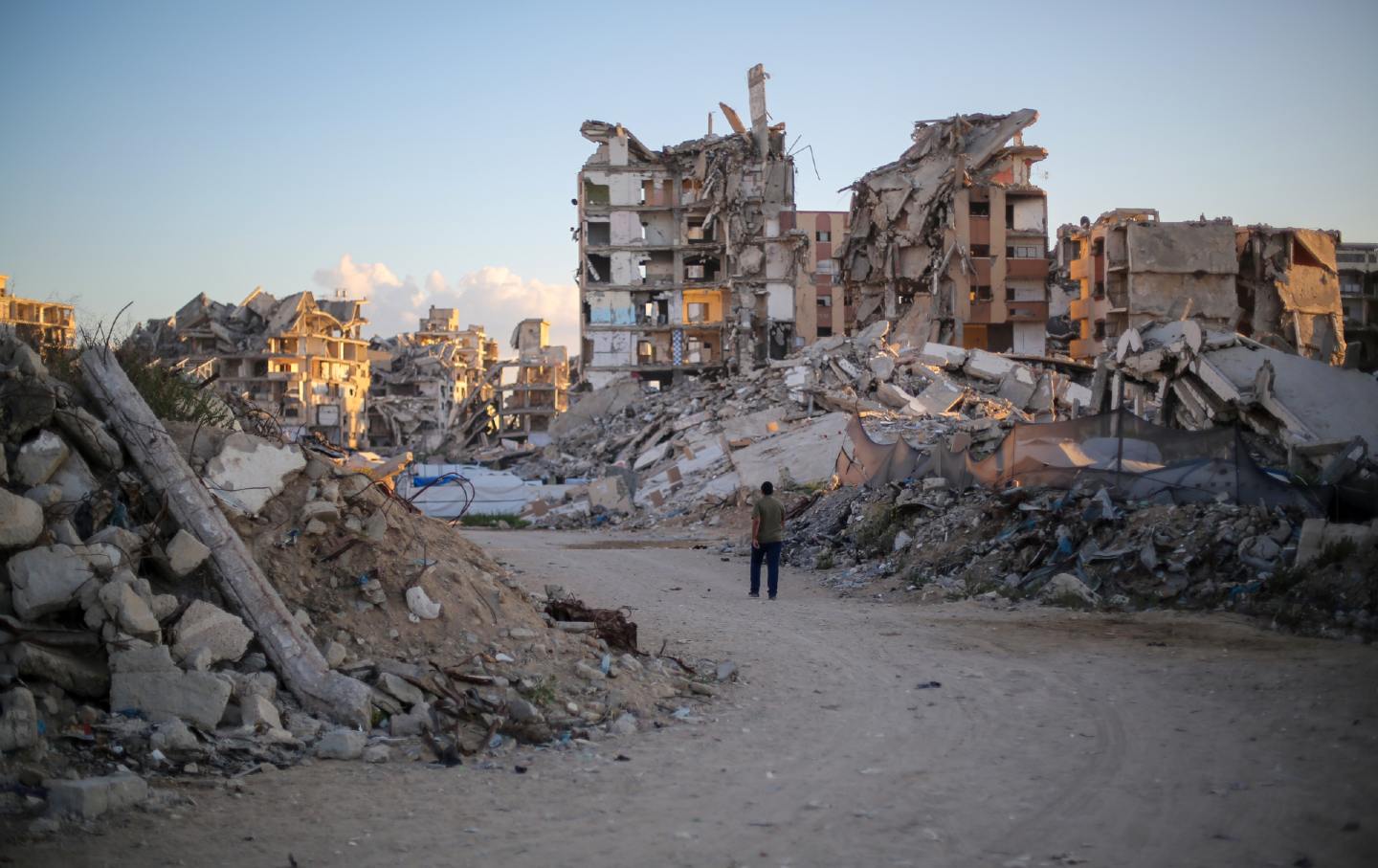
While the Israeli government launched a well-orchestrated offensive of disinformation and hyperbole that would make the illegal permissible in the war on Gaza.

