
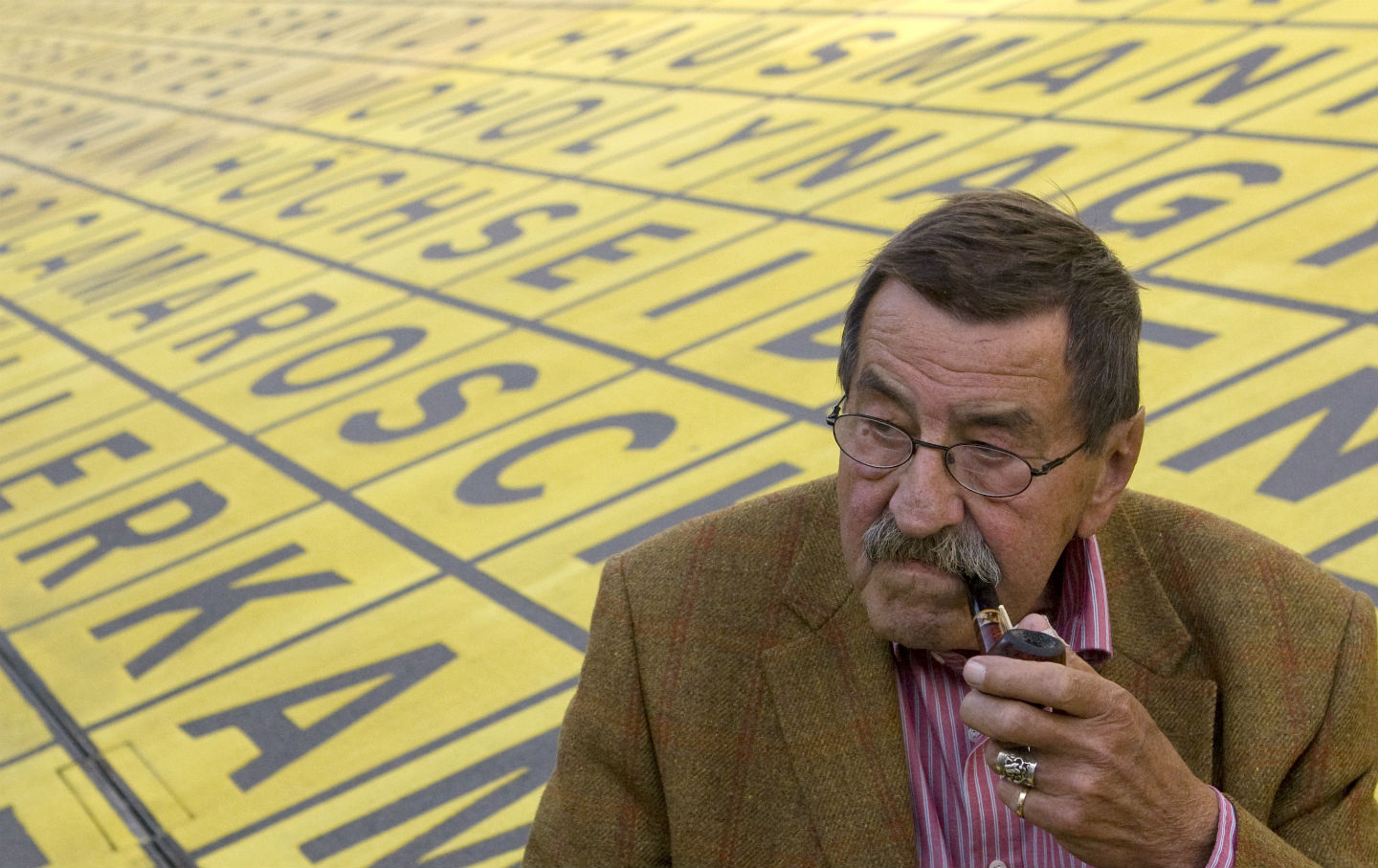
Auf Wiedersehen Günter Grass Auf Wiedersehen Günter Grass
Günter Grass not only taught us about German history, but also ourselves.
Apr 27, 2015 / Norman Birnbaum

Why ‘The Heidi Chronicles’ Failed to Find a New Audience Why ‘The Heidi Chronicles’ Failed to Find a New Audience
Wendy Wasserstein’s 1989 play barely passes the Bechdel Test. Men act; Heidi reacts. What Lean-In feminist has time for that?
Apr 24, 2015 / Alisa Solomon
What Are ‘Nation’ Interns Reading the Week of 4/26/15? What Are ‘Nation’ Interns Reading the Week of 4/26/15?
What Are ‘Nation’ Interns Reading the Week of 4/26/15?
Apr 24, 2015 / StudentNation / StudentNation

I’m Your Puppet I’m Your Puppet
This week's Altercation includes reviews of the Jazz at Lincoln Center Orchestra's tributes to music icons and the darkly comedic Broadway hit Hand To God.
Apr 23, 2015 / Eric Alterman

Solar Power Is on the Rise? We Suggested Harnessing the Sun’s Heat Back in 1866 Solar Power Is on the Rise? We Suggested Harnessing the Sun’s Heat Back in 1866
We look back to the time when a science columnist wrote up one possible replacement for "the fossil fuel which is now so important an element in the existing order of human society...
Apr 22, 2015 / Richard Kreitner and Back Issues

The Old Consciousness The Old Consciousness
Hilary Mantel and Penelope Fitzgerald have saved historical fiction from a middlebrow wasteland.
Apr 22, 2015 / Books & the Arts / Leo Robson
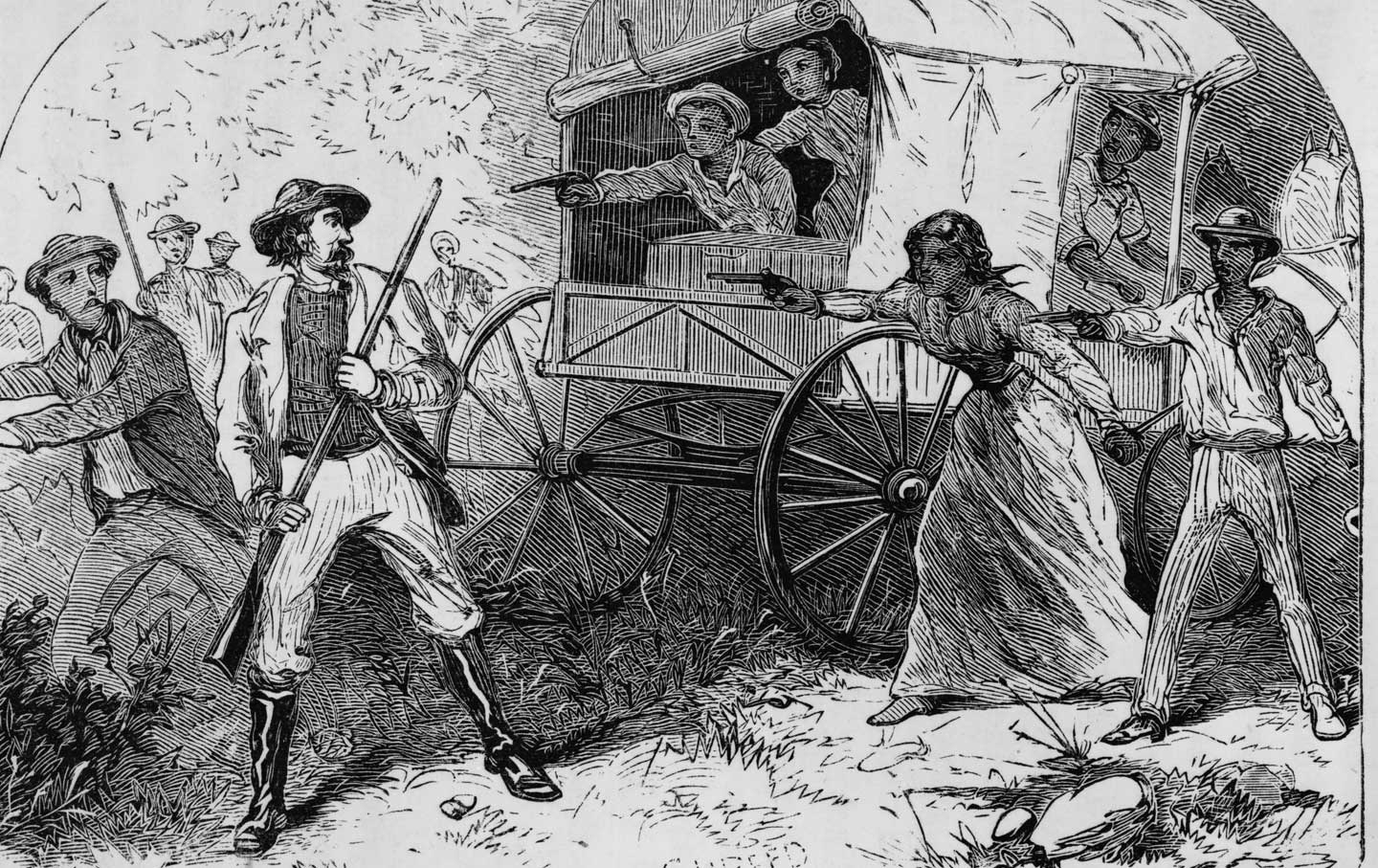
In Our Orbit: Vigilance In Our Orbit: Vigilance
In Eric Foner’s Gateway to Freedom, the Underground Railroad is a network of dignity and defiance.
Apr 22, 2015 / Books & the Arts / Richard Kreitner
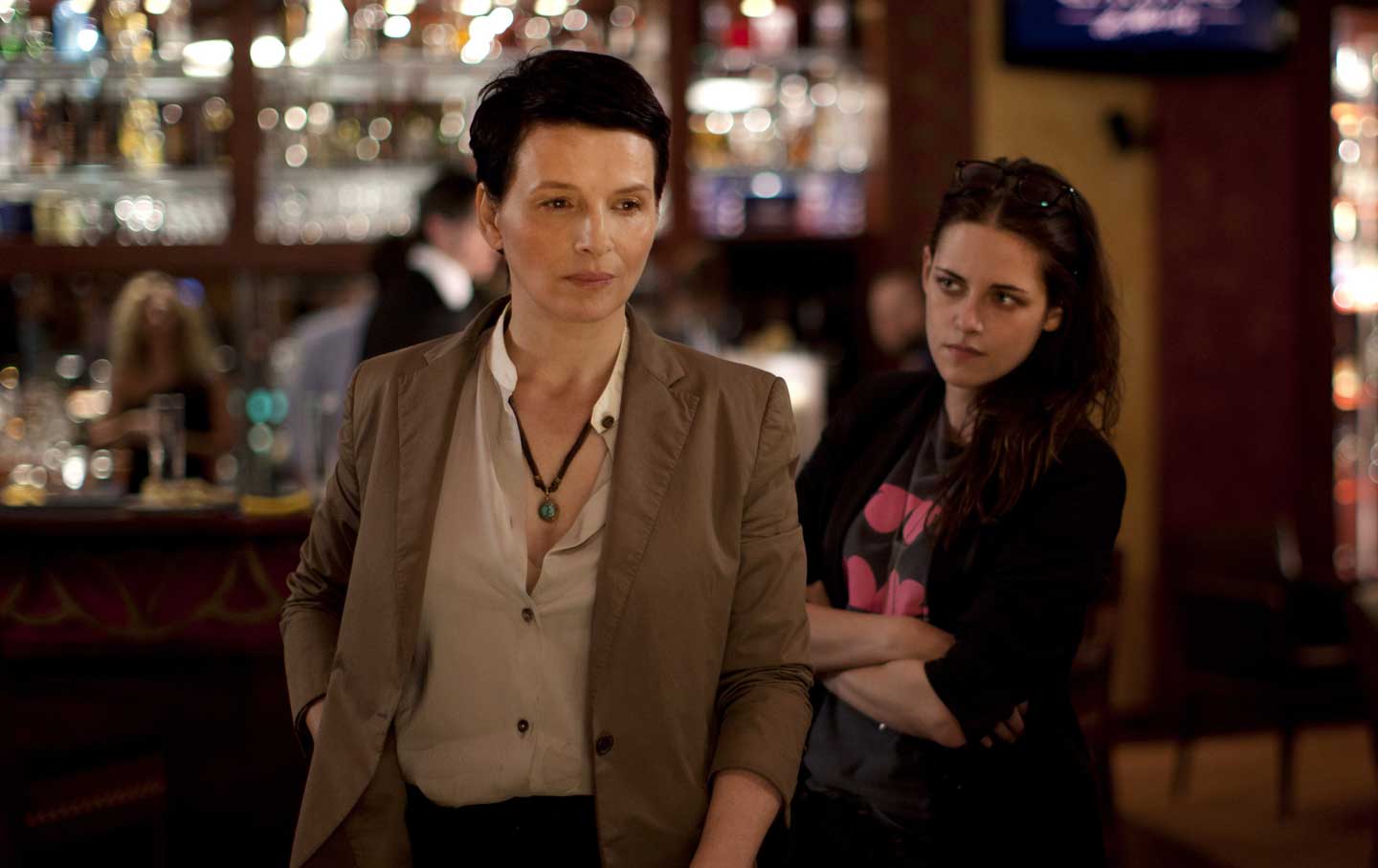
Rivalries Rivalries
Clouds of Sils Maria is prolonged debate about the passage of time and the ceaseless rivalry of generations.
Apr 22, 2015 / Books & the Arts / Stuart Klawans
Out of Habit Out of Habit
The soldier the patrol forgot in the garden, the patrol the border guards forgot at the checkpoint, the checkpoint the occupation forgot at the doorstep, the occupation the politician forgot in our lives, the politician who was a soldier of the occupation. The Merkava the army forgot at the school, the army the war forgot in the city, the war the general forgot in the room, the general whom peace forgot in our sleep, the peace that was driving the Merkava. They still open fire at our heads, without orders, just like that, out of habit. (translated from the Arabic by Fady Joudah)
Apr 22, 2015 / Books & the Arts / Ghassan Zaqtan
Shelf Life Shelf Life
“There is no such thing as not voting” is the faith that Darryl Pinckney grew up in.
Apr 22, 2015 / Books & the Arts / Ari Berman