
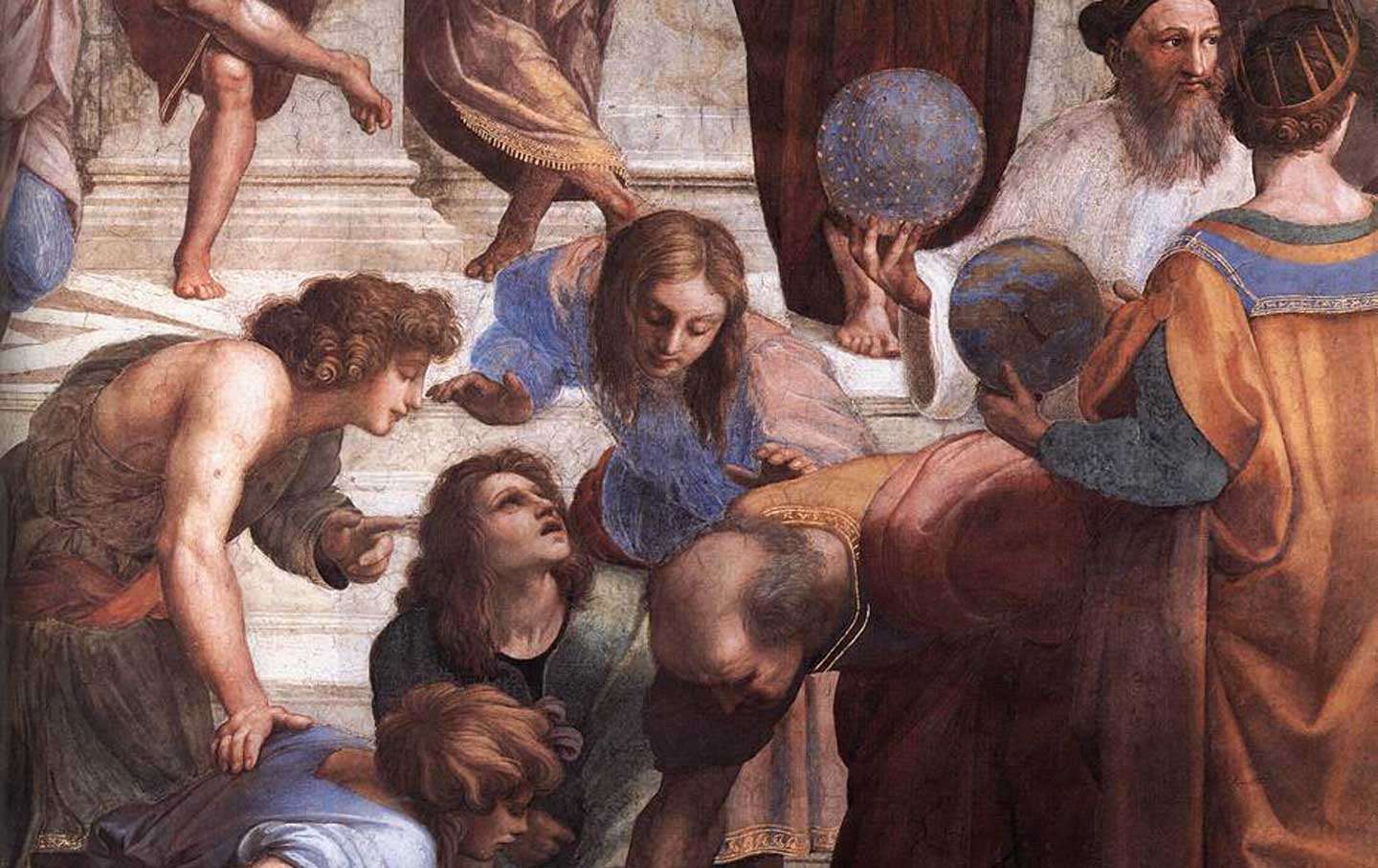
Power and Piety Power and Piety
Is the promotion of violence inherent to any religion?
Apr 29, 2015 / Books & the Arts / David Nirenberg

His Own Çukurova His Own Çukurova
Orhan Pamuk might be Turkey’s most-talked-about author, but Yaşar Kemal remains its most loved.
Apr 29, 2015 / Books & the Arts / Piotr Zalewski

Notes on Kampf Notes on Kampf
Is the well-being of the cultural middle class the key to American creativity?
Apr 29, 2015 / Books & the Arts / Eugenia Williamson
Sacred Hate Sacred Hate
O my hate, so majestic saintly, pure, and angelic bless my excess with a fat caress make me bow and make me proud. Humped by humble squires proud to be living sans Desire sans Goodness, sans Faith sans sun’s caressing grace. O my hate, grandiloquent shield agitate my soul to infinite zeal beyond other harms concealed. Hate wins, hate resounds!, armor ’gainst a vile amour that defrauds all— seven deadly Sins of my ardor! After CRUZ E SOUSA (Afro-Brazilian, c. 1898)
Apr 28, 2015 / Books & the Arts / Charles Bernstein
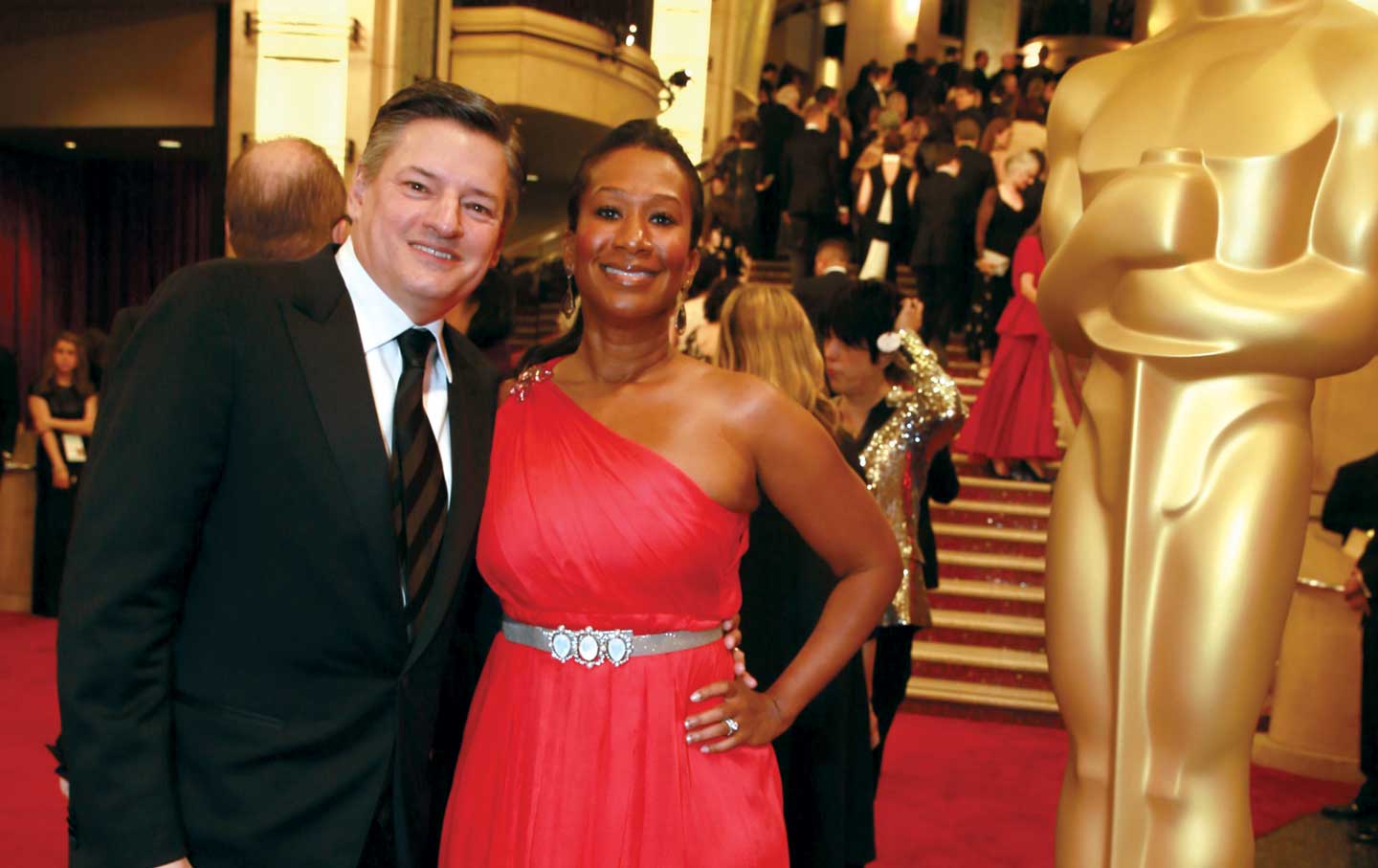
Shelf Life Shelf Life
All solutions are temporary in today’s digital market, and no successful revenue model is immune from disruption.
Apr 28, 2015 / Books & the Arts / Akiva Gottlieb
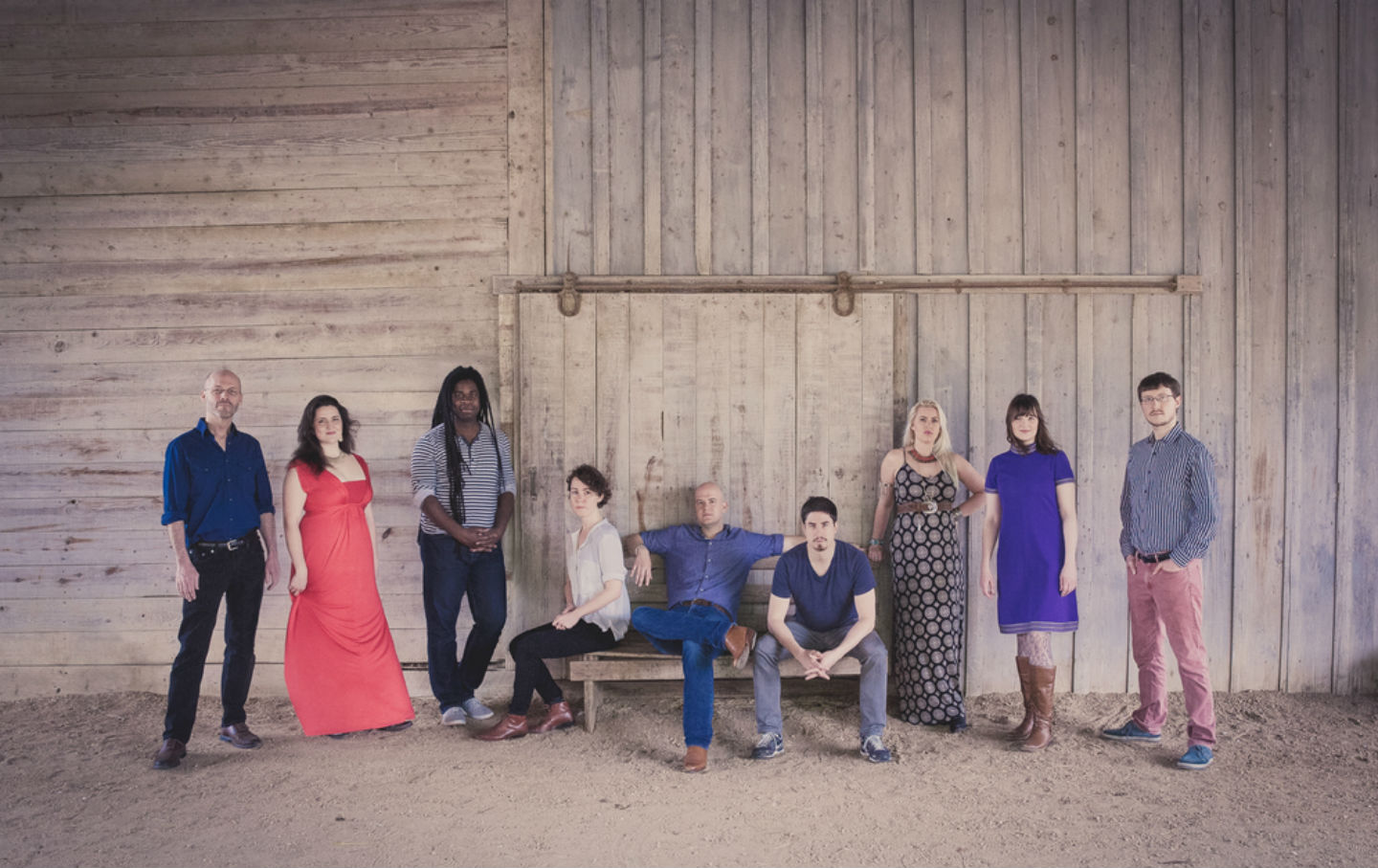
A More Perfect Pitch A More Perfect Pitch
Roomful of Teeth’s new album, Render, is music for the 21st century.
Apr 28, 2015 / David Hajdu

The Whitney Museum and the ‘Pompous Doors’ of American Art The Whitney Museum and the ‘Pompous Doors’ of American Art
The Nation's critic in 1931 said the museum would abet the snobbery that believes "American painting is a second-rate affair."
Apr 27, 2015 / Richard Kreitner and Back Issues
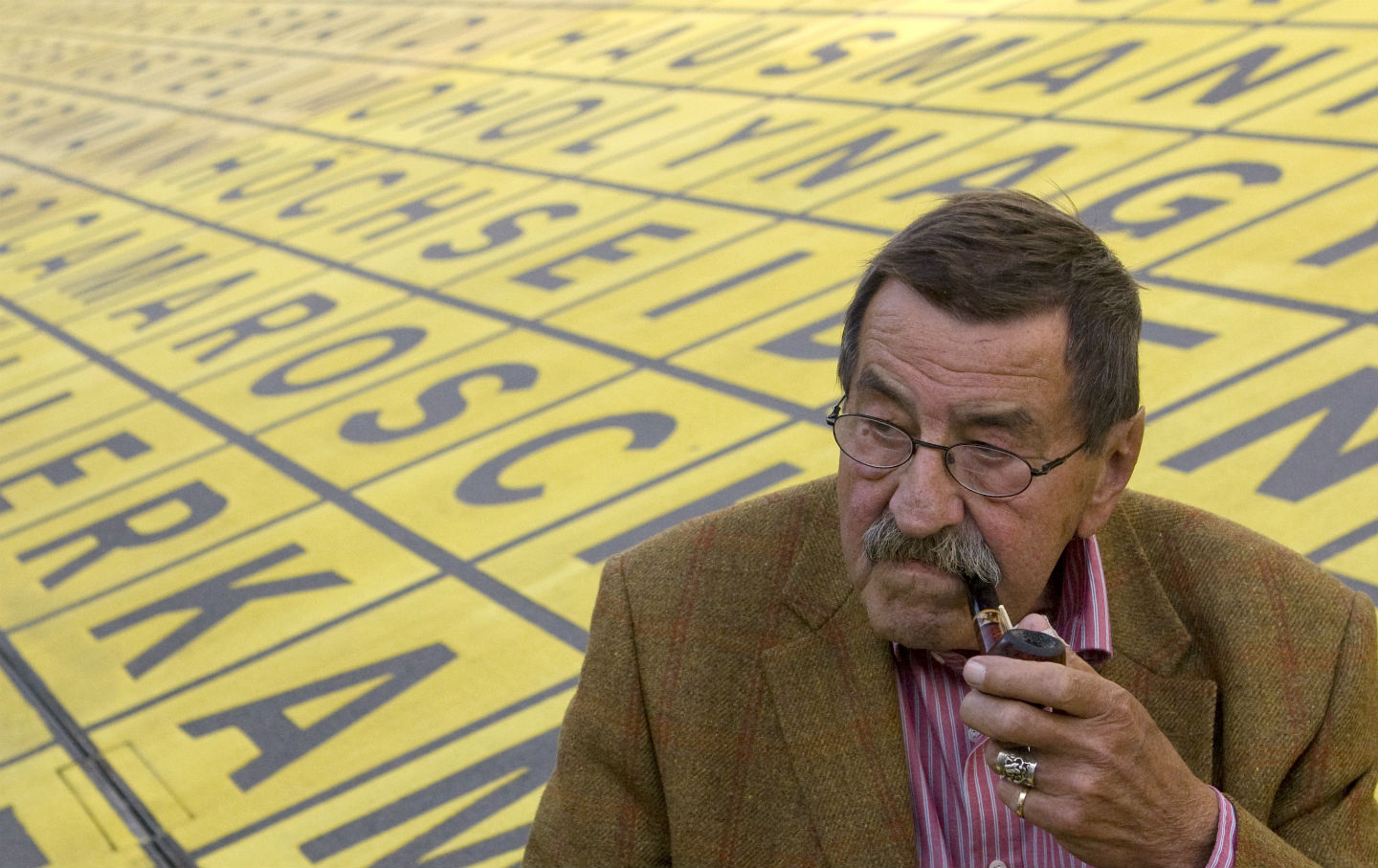
Auf Wiedersehen Günter Grass Auf Wiedersehen Günter Grass
Günter Grass not only taught us about German history, but also ourselves.
Apr 27, 2015 / Norman Birnbaum

Why ‘The Heidi Chronicles’ Failed to Find a New Audience Why ‘The Heidi Chronicles’ Failed to Find a New Audience
Wendy Wasserstein’s 1989 play barely passes the Bechdel Test. Men act; Heidi reacts. What Lean-In feminist has time for that?
Apr 24, 2015 / Alisa Solomon
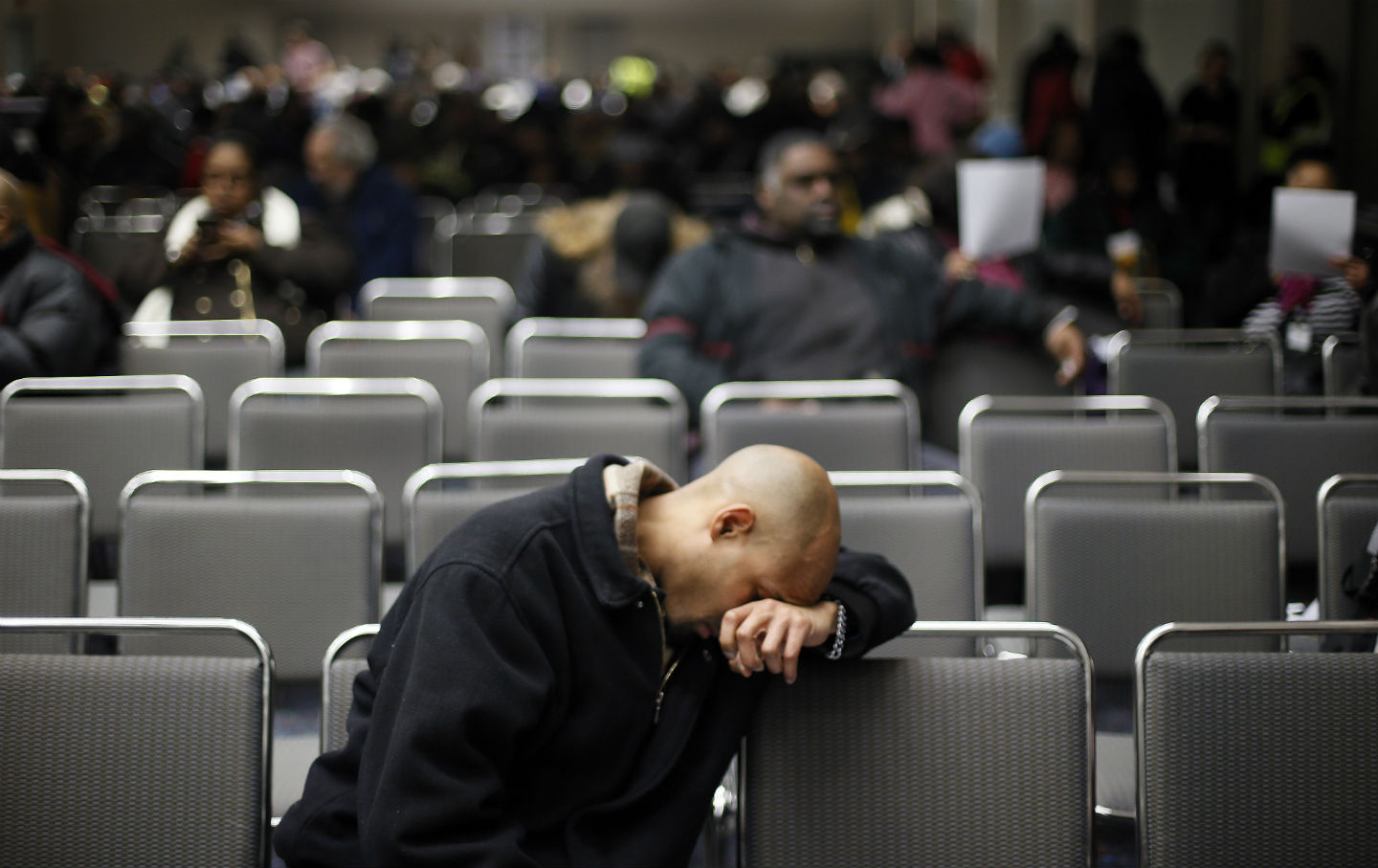
What Are ‘Nation’ Interns Reading the Week of 4/26/15? What Are ‘Nation’ Interns Reading the Week of 4/26/15?
What Are ‘Nation’ Interns Reading the Week of 4/26/15?
Apr 24, 2015 / StudentNation / StudentNation