
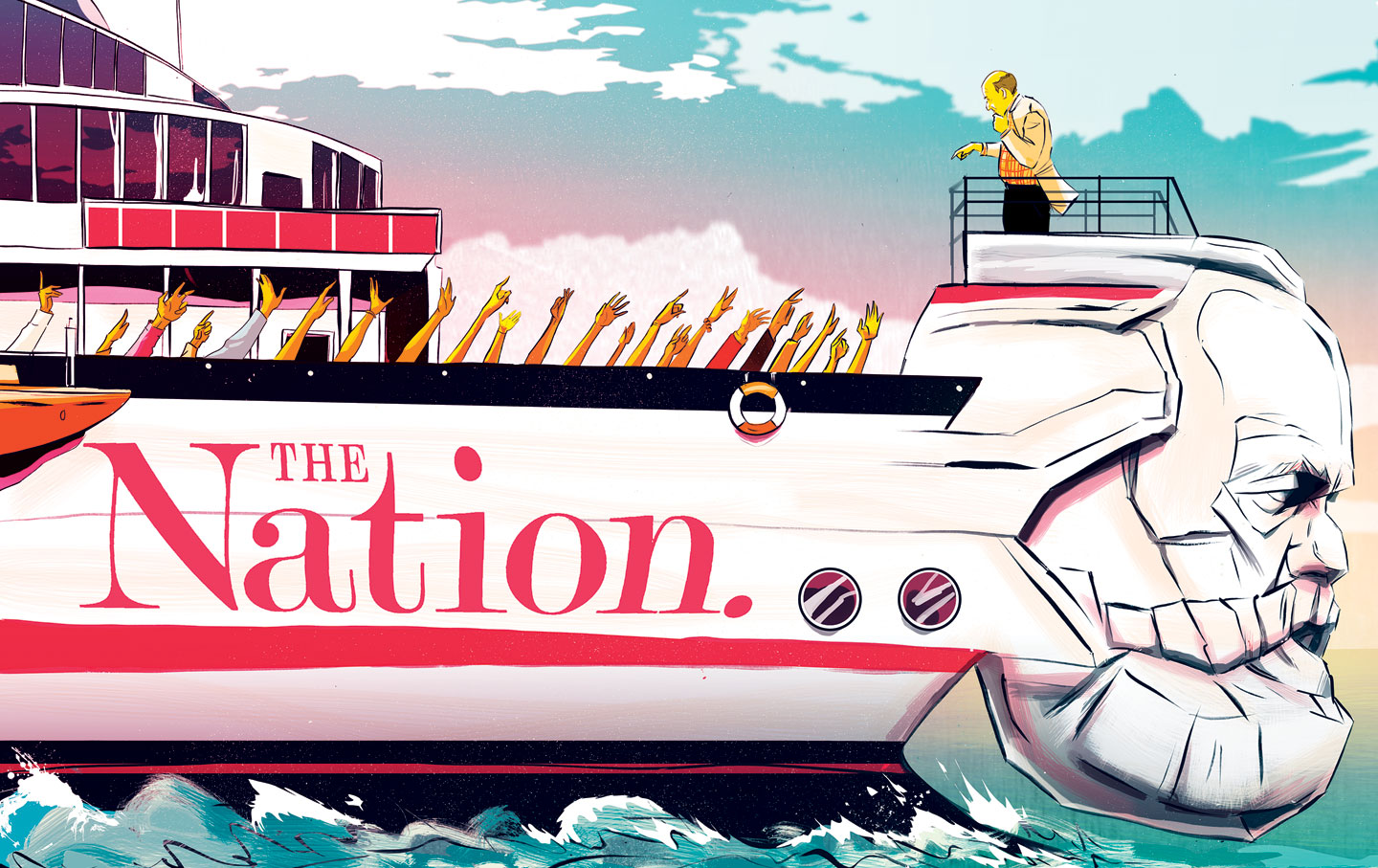
How I Learned to Stop Worrying and Love ‘Nation’ Readers How I Learned to Stop Worrying and Love ‘Nation’ Readers
On a Nation cruise, the maritime adventure I usually refer to as “Lefties at Sea,” I used to take it for granted that some of the guests were troubled by my presence.
Mar 23, 2015 / Feature / Calvin Trillin
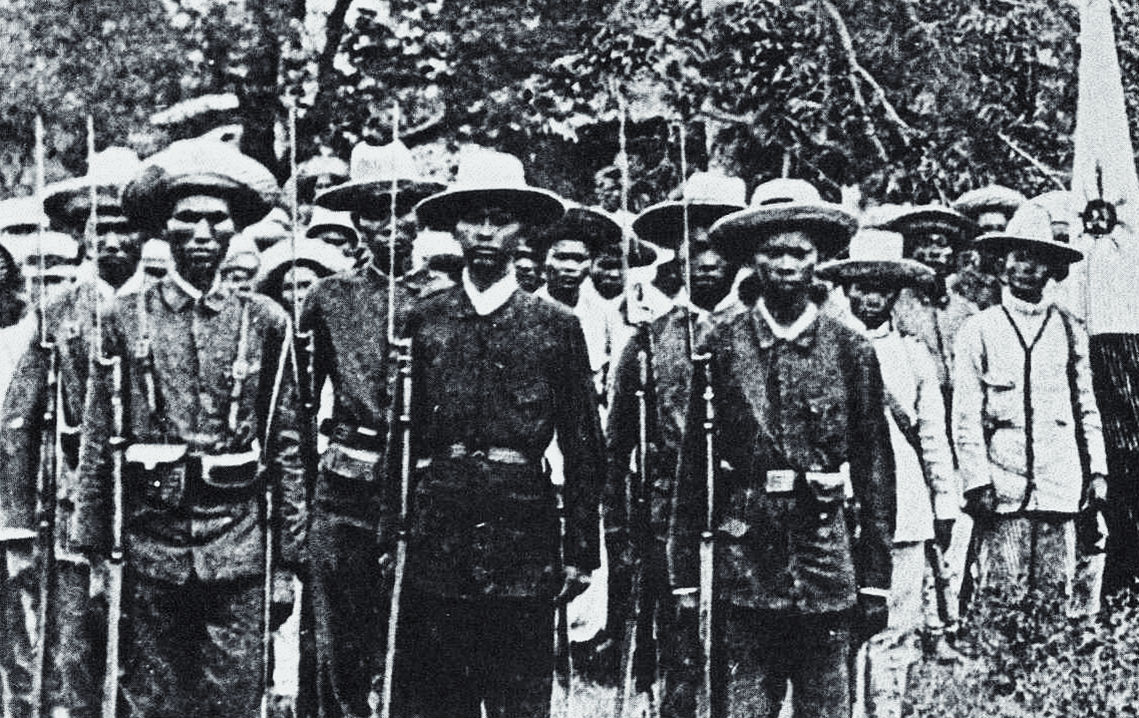
1895–1905: When the American Empire Was Born 1895–1905: When the American Empire Was Born
Whenever a small force of Americans undertakes an expedition, the woods and hills become alive with enemies.
Mar 23, 2015 / Feature / The Nation

1945–1955: We Face a Choice Between One World or None 1945–1955: We Face a Choice Between One World or None
The atomic bomb represents a revolution in science. It calls for a comparable revolution in our thinking.
Mar 23, 2015 / Feature / The Nation
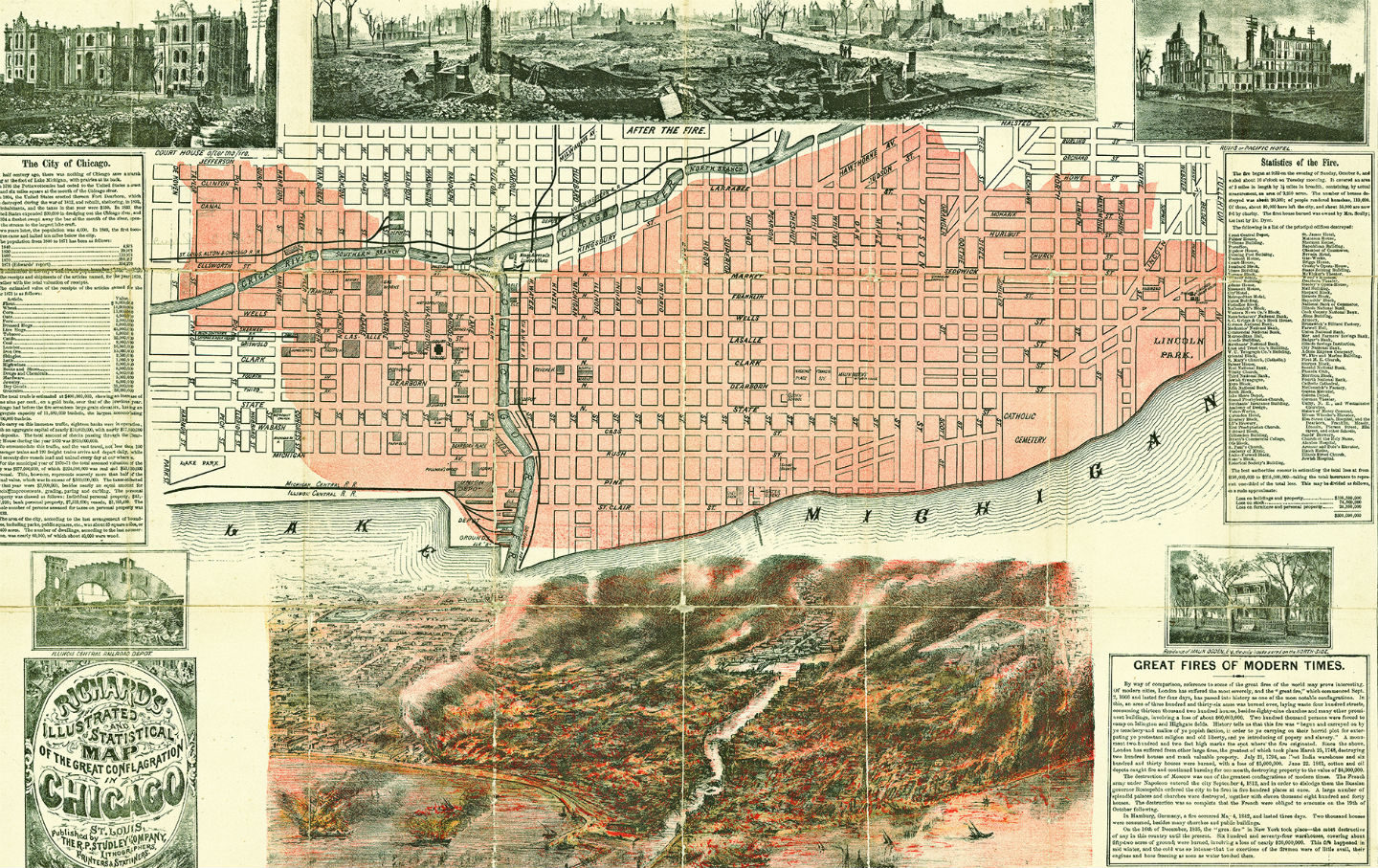
Frederick Law Olmsted Surveys a City Burned to the Ground Frederick Law Olmsted Surveys a City Burned to the Ground
Chicago's struggle to recover from the Great Fire is engaging the study of its best and most conservative minds.
Mar 23, 2015 / Books & the Arts / Frederick Law Olmsted

East, West—Is There a Third Way? East, West—Is There a Third Way?
The cold war has become a habit, an addiction, supported by very powerful material interests in each bloc.
Mar 23, 2015 / Books & the Arts / E.P. Thompson
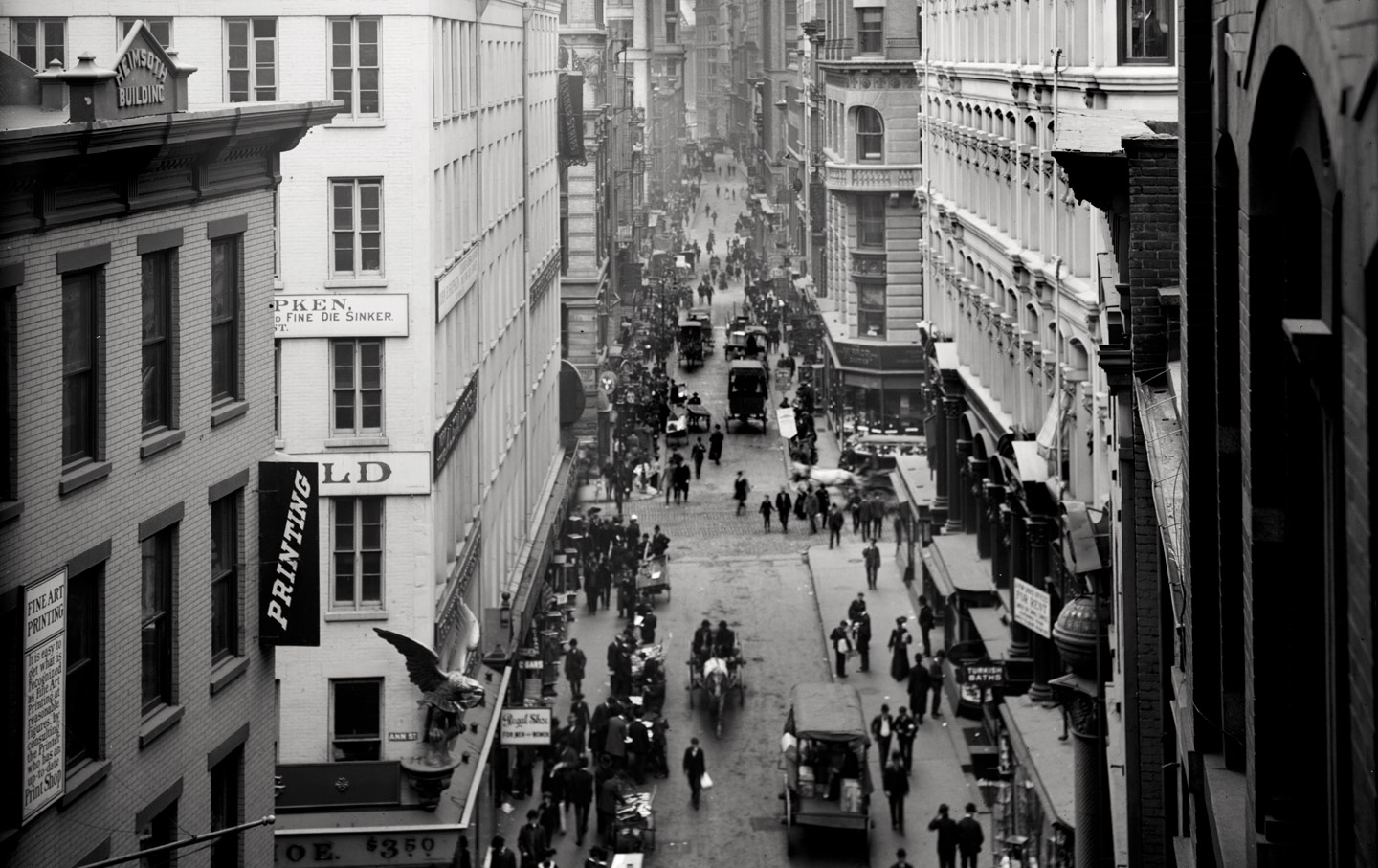
A Biography of ‘The Nation’: The First Fifty Years A Biography of ‘The Nation’: The First Fifty Years
Founded by abolitionists in 1865, The Nation became a moribund defender of the status quo. But its firm anti-imperialism brought it back to life.
Mar 23, 2015 / Books & the Arts / D.D. Guttenplan
The Plain Sense of Things The Plain Sense of Things
December 6, 1952 After the leaves have fallen, we return To a plain sense of things. It is as if We had come to an end of the imagination, Inanimate in an inert savoir. It is difficult even to choose the adjective For this blank cold, this sadness without cause. The great structure has become a minor house. No turban walks across the lessened floors. The greenhouse never so badly needed paint. The chimney is fifty years old and slants to one side. A fantastic effort has failed, a repetition In a repetitiousness of men and flies. Yet the absence of the imagination had Itself to be imagined. The great pond, The plain sense of it, without reflections, leaves, Mud, water like dirty glass, expressing silence Of a sort, silence of a rat come out to see, The great pond and its waste of the lilies, all this Had to be imagined as an inevitable knowledge, Required, as a necessity requires. This article is part of The Nation’s 150th Anniversary Special Issue. Download a free PDF of the issue, with articles by James Baldwin, Barbara Ehrenreich, Toni Morrison, Howard Zinn and many more, here. Wallace Stevens (1879–1955) published ten poems in The Nation between 1936 and 1952.
Mar 23, 2015 / Books & the Arts / Wallace Stevens
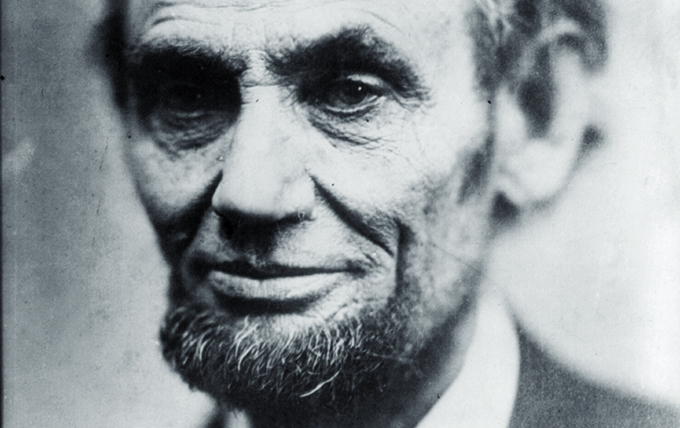
What Would Lincoln Think of Race Relations on His 100th Birthday? What Would Lincoln Think of Race Relations on His 100th Birthday?
The Nation’s publisher writes about “the negro problem” during the very week he helped found the NAACP.
Mar 23, 2015 / Feature / Oswald Garrison Villard
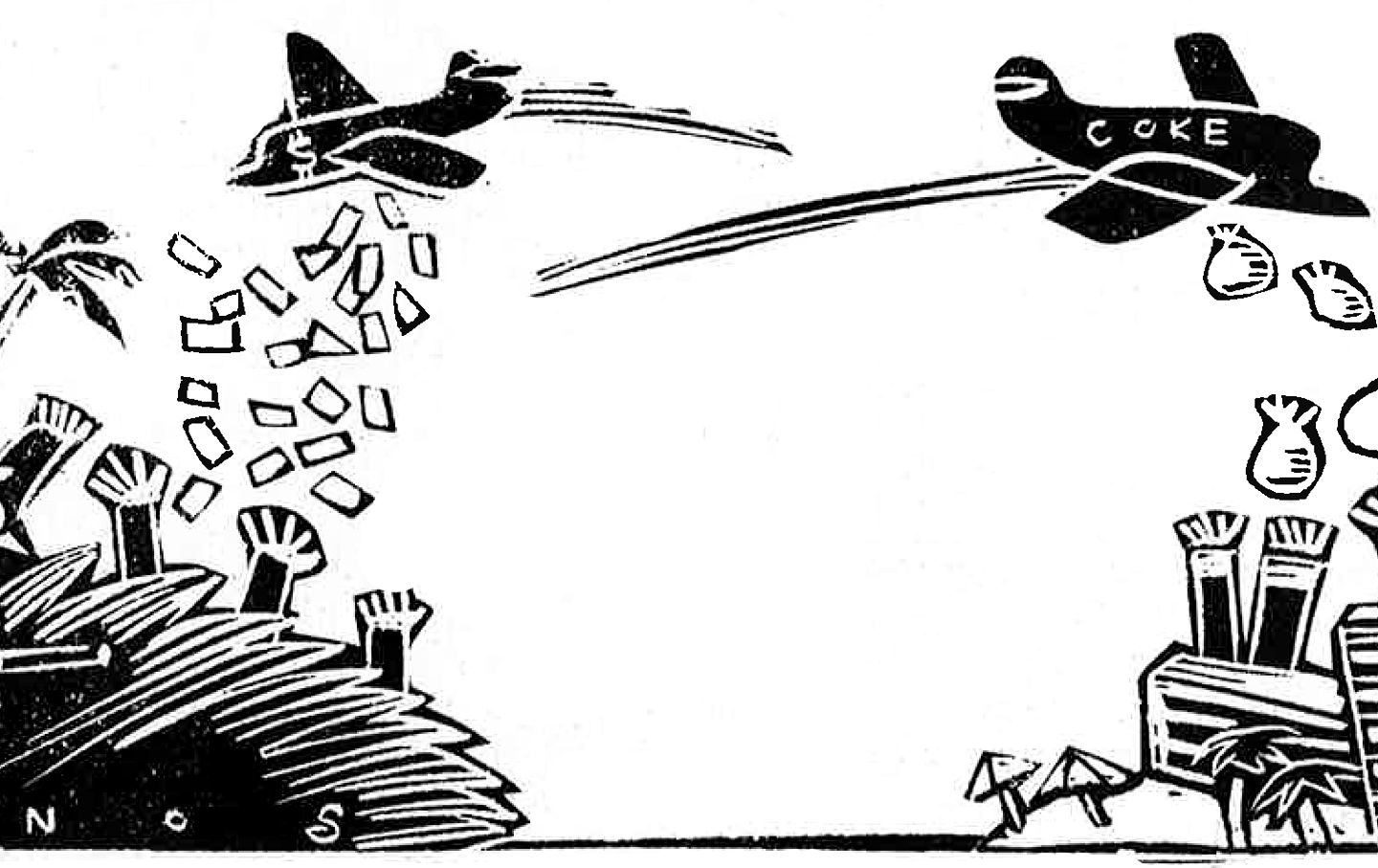
How I Got That Story How I Got That Story
“Stay to the end…and read everything”: Reporting the Iran/Contra scandal taught me everything I needed to know about covering Washington.
Mar 23, 2015 / Feature / David Corn
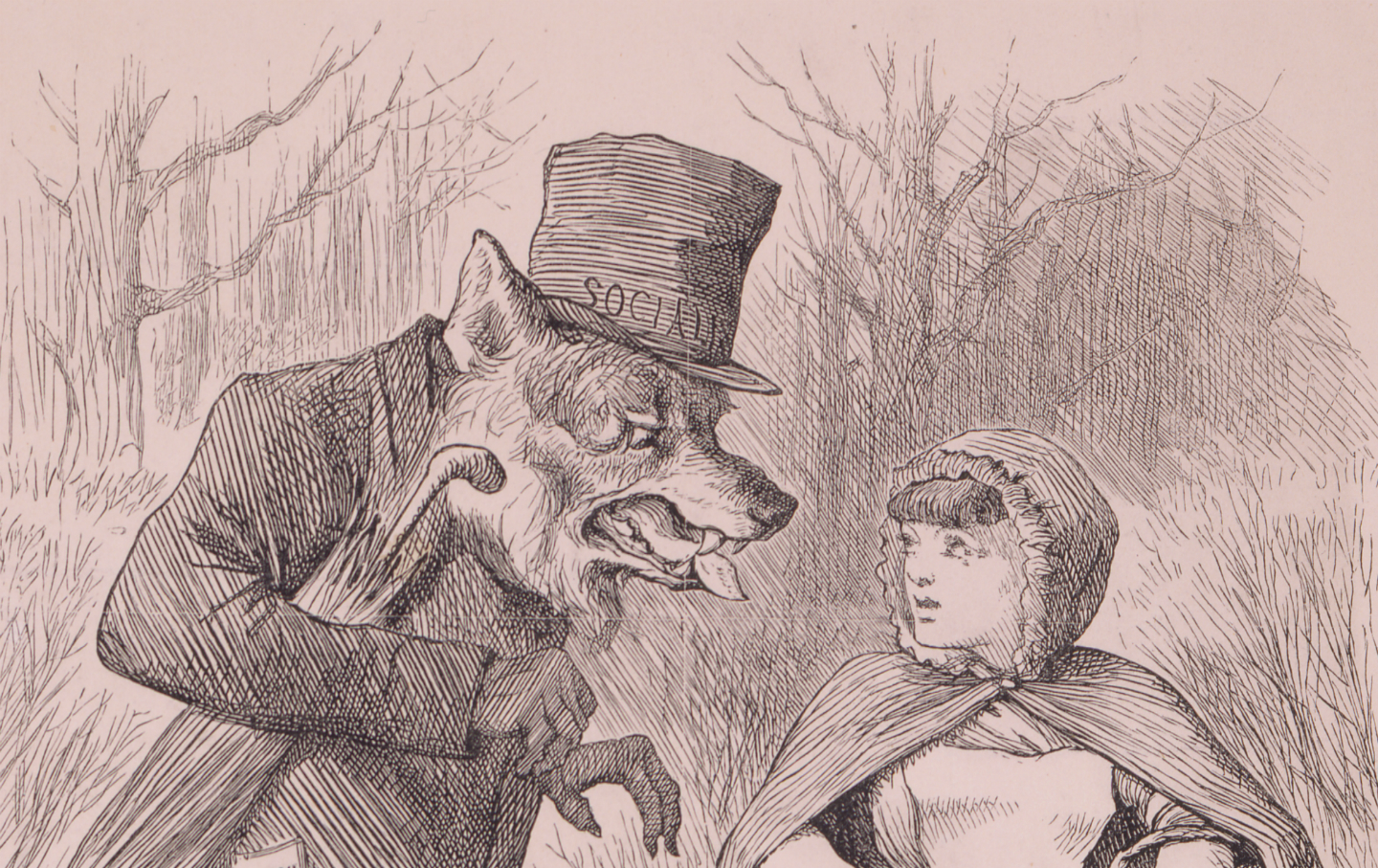
‘Nation’ Editor in the Gilded Age: Communism Will Lead to Smoking at Funerals and Mating in the Streets ‘Nation’ Editor in the Gilded Age: Communism Will Lead to Smoking at Funerals and Mating in the Streets
Whatever power there is anywhere is to be lodged in the hands of the most stupid and incapable.
Mar 23, 2015 / Feature / E.L. Godkin