
How Washington’s Iran Groupthink Led to a Global War
And why accountability matters.
The war now engulfing the Middle East is already making Americans less safe and less prosperous, yet it is exactly where Washington’s approach to Iran has led.
What makes this moment so troubling is not just the scale of the conflict, but how it grew out of years of distorted debate, where Iran was reduced to simplistic, fear-driven narratives and serious warnings were brushed aside.
Americans were not calling for a war with Iran. Polling showed clear opposition, including among many Republican voters. Yet for years, Washington’s foreign policy establishment—the officials, think tanks, and media voices that shape US policy toward other countries—moved in the opposite direction. This was not a misunderstanding of public will. It reflected the kind of debate Americans were given, one that had already been narrowed to favor confrontation over restraint. At its core, the question was not simply which policy to pursue, but whether diplomacy would be allowed to work at all.
On one side were those trying to make it succeed. On the other were those determined to unravel it, leaving pressure and ultimately war as the only path forward. The 2015 nuclear deal, negotiated under Barack Obama, was the clearest example of what diplomacy could achieve. It placed verifiable limits on Iran’s nuclear program, rolled back uranium enrichment, and subjected it to the most intrusive inspections regime ever negotiated, effectively closing off its pathways to a nuclear weapon and significantly reducing the risk of war.
That framework was dismantled in 2018 when Donald Trump scrapped the deal, dismissing it as “the worst deal ever negotiated” and replacing it with sweeping sanctions, isolation, and the constant threat of war.
This was not simply a change in strategy. It reflected years of sustained pro-Israel political pressure and the influence of powerful donors, most notably Sheldon Adelson, the late gambling magnate who was the largest financial backer of Trump’s 2016 campaign and a fierce opponent of the deal, closely aligned with Benjamin Netanyahu’s hardline stance on Iran.
The collapse of the agreement was, in many ways, the culmination of Netanyahu’s long-running campaign to kill it. He broke with diplomatic norms to address Congress in 2015 in an effort to undermine the deal, continued pressing aggressively once Trump took office, and in a leaked 2018 video later claimed credit outright, saying that “we convinced the US president” to abandon the agreement.
This is how the path to war was set. It was not driven by public demand or a clear national interest, but by a small circle of political actors, donor influence, and a Washington ecosystem that rewarded hawkish thinking. Ordinary Americans had little say as diplomacy was sidelined and the country was steered toward conflict. Over time, the narrowing of choices hardened into policy, placing the United States on a collision course with Iran that reflected the preferences of those with access and influence far more than the interests of the public.
For years, those who supported diplomacy warned exactly where this path would lead. They argued that abandoning the deal and relying on pressure alone would strengthen hardliners in Iran, accelerate its nuclear program, and make conflict more likely, not less. That is precisely what has happened. Iran’s nuclear advances resumed, its political system hardened and grew more repressive, and the space for diplomacy shrank as tensions escalated. What was dismissed as overly cautious or alarmist has proven to be the most accurate reading of events.
This moment should force a simple lesson. When the same people in power rely on the same assumptions and reinforce each other’s views, something has gone wrong. That is a decision-making structure primed for failure. It means choices are being made in an echo chamber, where information that fits the narrative is amplified and anything that challenges it is pushed aside. Over time, that kind of thinking leads to worse decisions. It breeds a false sense of confidence, where risks are brushed aside and warning signs are ignored.
That is what happened with Iran. Instead of questioning their assumptions, many of the officials, analysts, and think tanks influencing foreign policy in Washington doubled down on them. Iran was treated as weaker than it was, easier to pressure than it was, and less capable of pushing back than it proved to be. Alternative views were not seriously weighed. They were sidelined. The result was a distorted picture of reality that made escalation seem manageable. It was not.
The costs of this war are already staggering, and they extend far beyond the battlefield. Iran has taken heavy hits, but it has also achieved what it set out to do: survive, absorb pressure, and impose costs in return. Disruptions to the Strait of Hormuz have thrown global energy markets into turmoil, driving up prices and putting pressure on households far from the region. At the same time, the United States is stuck in a conflict it cannot easily win or exit. Iran’s leadership remains in place, its capabilities are degraded but far from gone, and its ability to disrupt the global economy has given it real leverage. Despite the damage it has suffered, Iran may be holding the stronger hand by denying the United States a quick victory and turning the conflict into a costly stalemate that strengthens its bargaining position in any future negotiations.
Popular
“swipe left below to view more authors”Swipe →When Washington gets something as consequential as Iran wrong, the effects do not stay contained. They ripple outward into the global economy and into people’s daily lives. And yet, even now, there is little accountability. Many of the same voices that pushed the policies leading here still shape the conversation, and the same institutions that narrowed the debate continue to define its limits.
In most lines of work, mistakes of this scale would carry real consequences. In Washington, they are more often absorbed and moved past, setting the stage for the same patterns to repeat.
This is why accountability matters. When failures this serious come and go without consequences, the system does not correct itself. It carries on. The same assumptions and incentives remain in place, making it more likely that the next crisis will unfold in the same way.
The lesson here is bigger than any single policy. It is about how decisions get made. On an issue as important as Iran, the United States cannot afford a system where proximity to power matters more than being right, where familiar talking points replace critical thinking, and where dissenting voices are pushed aside. A healthier approach would reward honesty, encourage real debate, and take competing views seriously before decisions are locked in.
It also means being clear about what actually serves American interests. This war has not made Americans safer. It has not made the economy stronger. It has done the opposite.
But change does not happen on its own. Accountability for decisions this costly requires pressure from voters, from the media, and from movements willing to challenge the status quo. Without it, Washington has little incentive to learn from failure.
This war did not have to happen. It grew out of decisions, assumptions, and a way of thinking that failed to match reality. The question now is whether those failures will be confronted, or whether Washington will once again move on without reckoning, leaving the conditions for the next crisis firmly in place.
More from The Nation
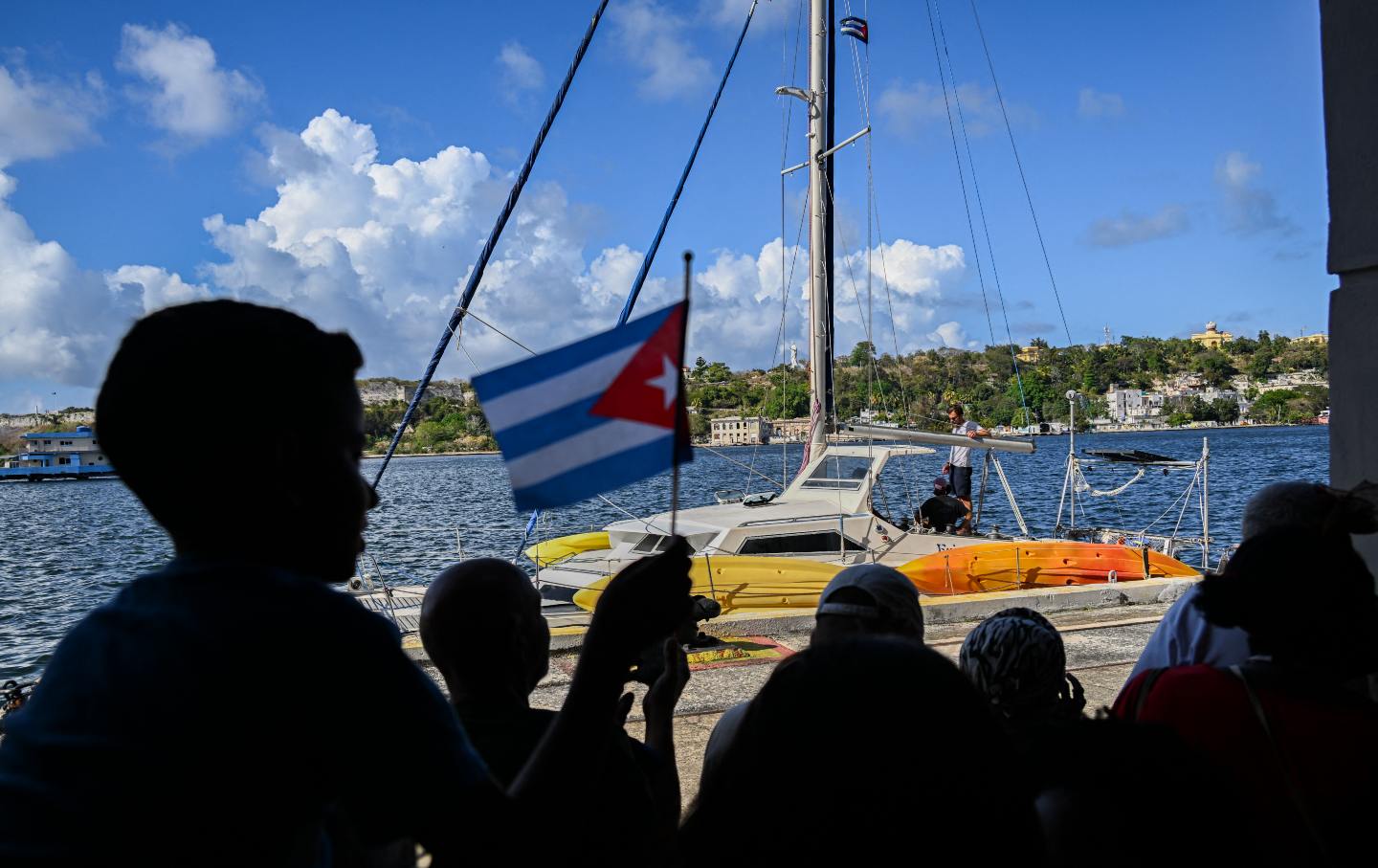
Solidarity Under Siege Solidarity Under Siege
Humanitarian aid convoy members returning from Cuba stopped, searched, and questioned by US Customs and Border Protection officers.
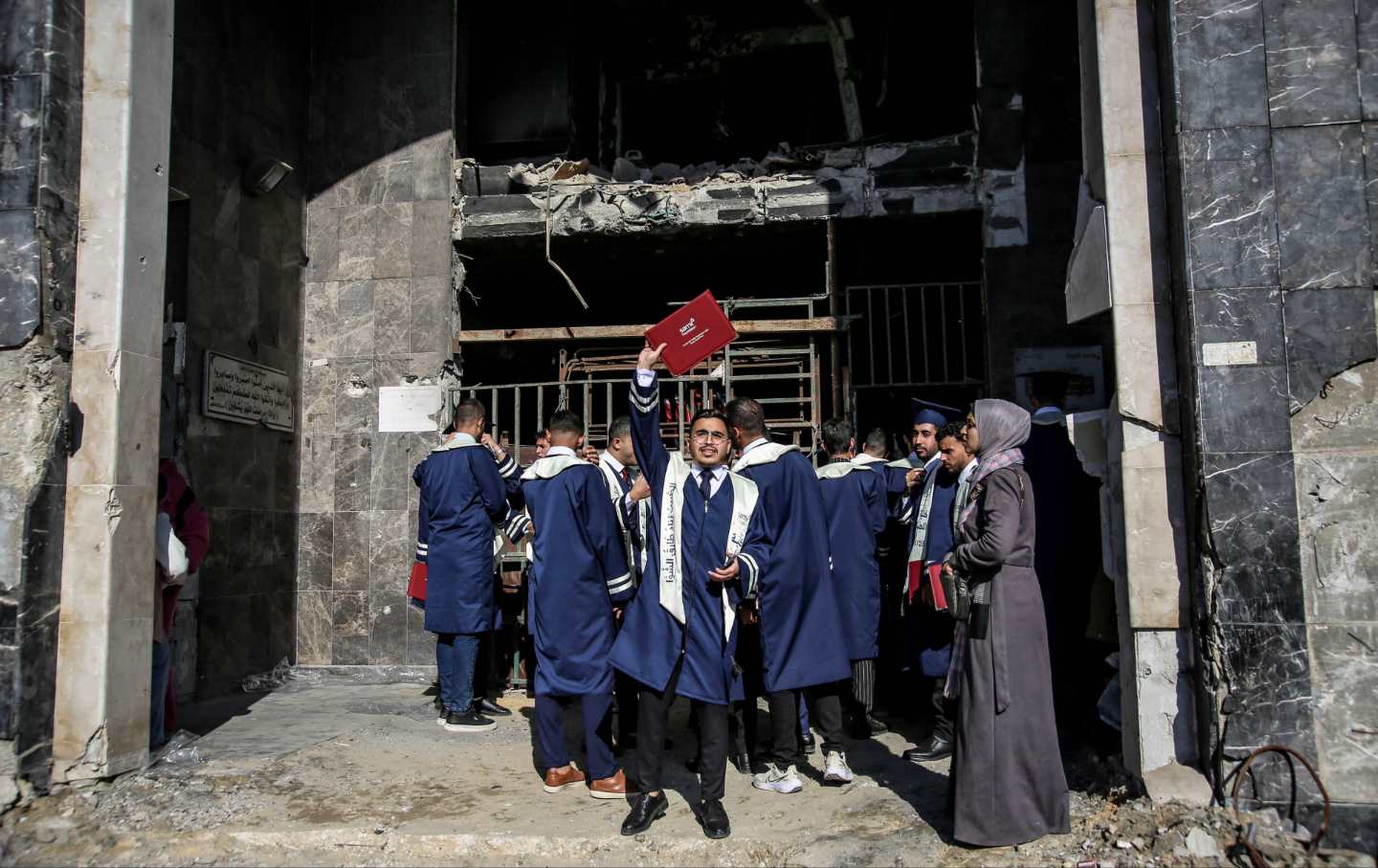
“I Refused to Let the Genocide Steal My Dreams” “I Refused to Let the Genocide Steal My Dreams”
For these medical students in Gaza, completing their studies was an act of defiance.
Donald Trump Is Losing the Iran War Donald Trump Is Losing the Iran War
Despite his constant declarations of victory, the truth about this conflict is clear.
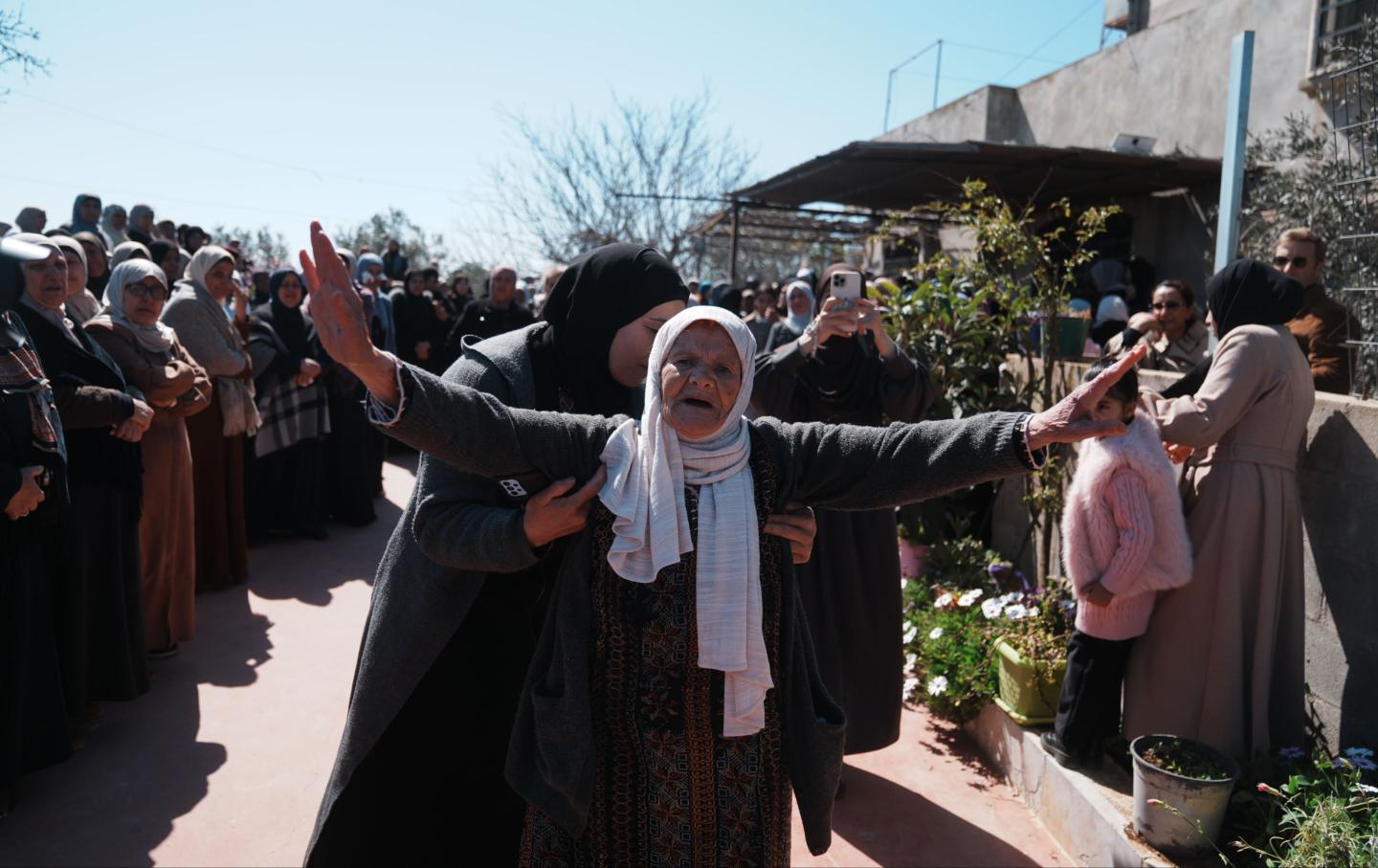
Israel Is Also Committing Genocide In the West Bank Israel Is Also Committing Genocide In the West Bank
It’s not just Gaza—Israel wants to exterminate all Palestinians, everywhere. We are one people being destroyed as one people.
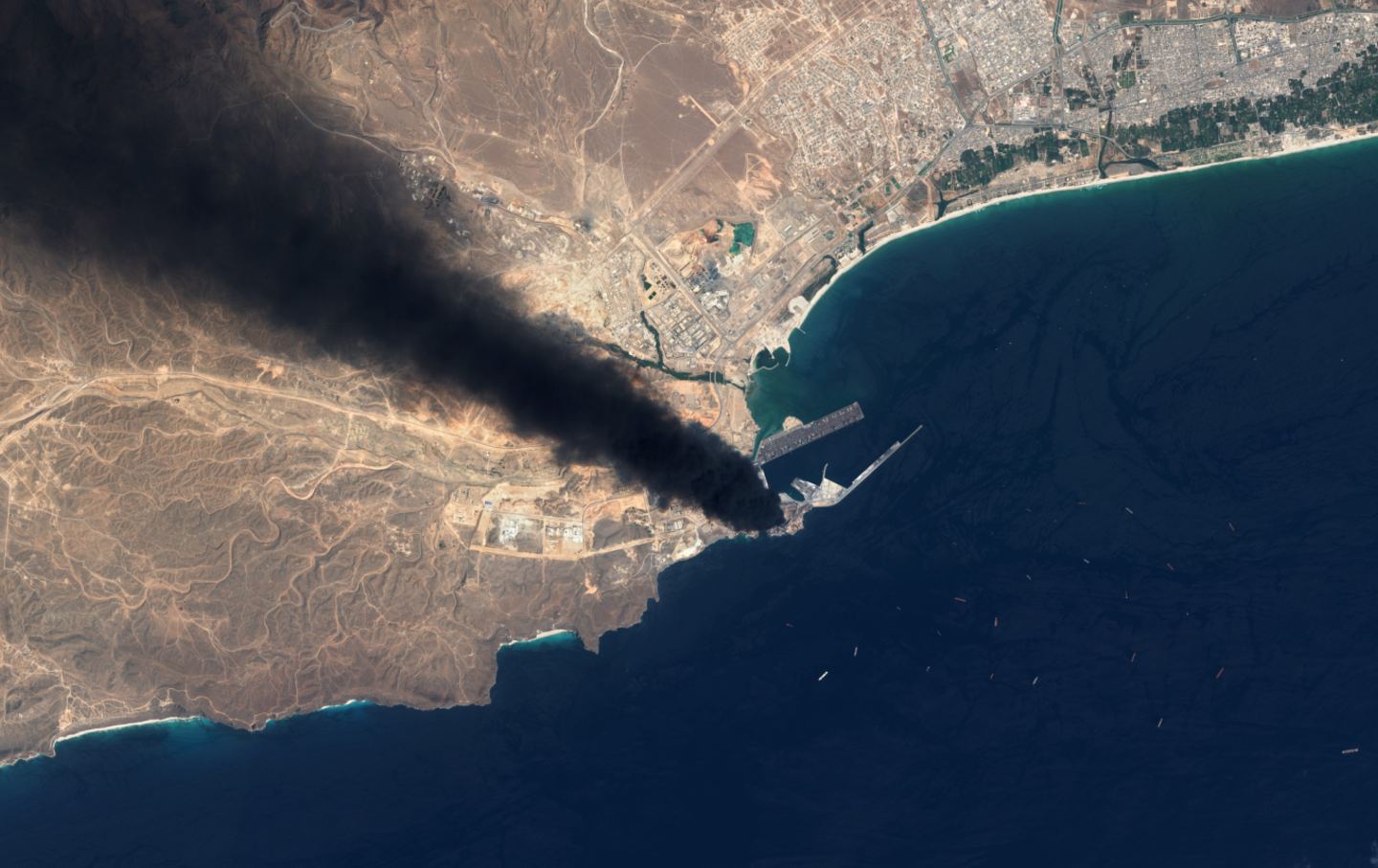
How the War Has Led to the Largest Disruption of Energy Supplies in Decades How the War Has Led to the Largest Disruption of Energy Supplies in Decades
Unless a resolution is found, the impact is likely to grow.
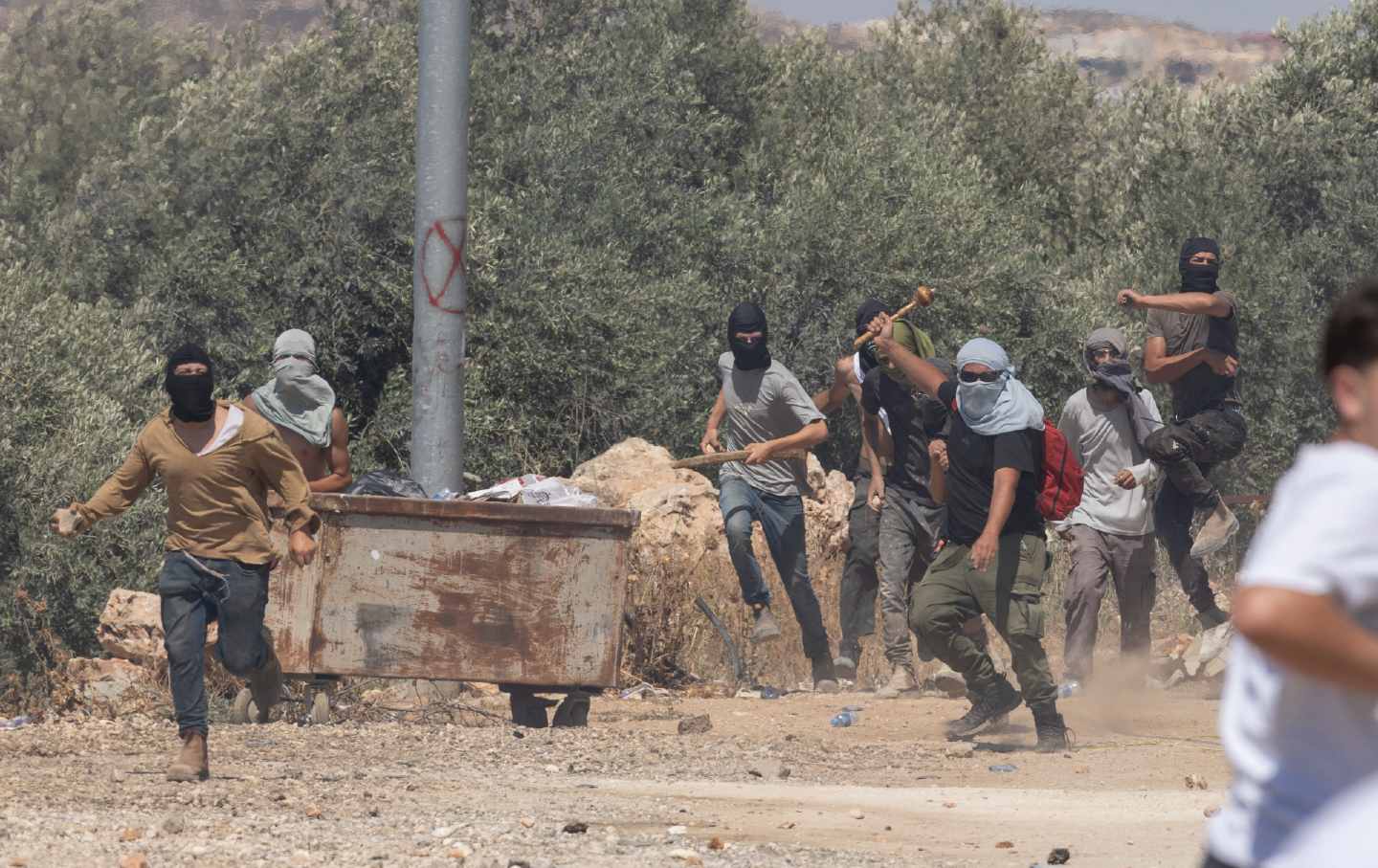
“Erasing the Lines”: How Settlers Are Seizing New Regions of the West Bank “Erasing the Lines”: How Settlers Are Seizing New Regions of the West Bank
After decades consolidating their control over Area C, Israeli settlers are expanding into Areas B and A—nominally under Palestinian Authority jurisdiction—and displacing communit...
Feature / Oren Ziv with Ariel Caine

