
Why does the United States fail to provide its citizens with the basic security—affordable healthcare and education, childcare, secure retirement—that other advanced nations offer? Why does the US suffer the most extreme inequality and the highest levels of poverty in the industrialized world?
Pundits offer many explanations—the antidemocratic institutions built into the Constitution and congressional practice, the absence of a strong labor party, the two-party system, the blight of racial division, and more. One central cause is at work now. When a majority coalition for fundamental domestic reform begins to crystallize, wars and imperial adventures repeatedly work to shatter it, interring the prospects of progressive reform at home.
Coming out of World War II, for example, the GI Bill provided veterans with support for education and training, loans for homes, small businesses, and farms and helped kick-start the broad middle class (sadly, excluding most African American veterans who suffered discriminatory treatment in various states). It demonstrated the continuing strength of the Roosevelt coalition. But the Truman administration gave priority to building up the national security state for what became the Cold War. The permanent military—consuming over half of the budget and 9 percent of the GDP from 1952 to 1960—captured resources and attention and bolstered the power of the still segregationist South. The Red Scare hunted progressives, terrorized liberals in government and media, divided the labor movement, and helped shatter the progressive coalition. Military Keynesianism became the Democrats’ industrial policy. Cold War liberalism proved to be an oxymoron that nourished war and starved liberalism.
It wasn’t until the 1960s, with the civil rights movement, President Kennedy’s assassination and Lyndon Johnson’s 1964 rout of the conservative movement candidate, Barry Goldwater, that a new progressive reform majority won power. The Great Society passed the Voting Rights Act and civil rights reforms, provided Medicare for seniors, and launched the beginnings of a war on poverty. That domestic war was lost in the jungles of Vietnam. Vietnam shattered the reform coalition, alienated the young, and ended the Johnson presidency. His successor, Hubert Humphrey lost to Nixon by 500,000 votes. He lost, as Jesse Jackson put it, “by the margin of our despair.”
Only in 2020, after a long conservative era, did the pent-up demand for reform generate a new reform majority. (Clinton never won a majority of the votes; Obama did twice, but failed to challenge the dominant market fundamentalism.) Biden’s victory—and Democratic control of both houses of Congress by the slimmest of margins—owed much to the energy and ideas of the insurgent Sanders campaign. Biden seemed to recognize as much, declaring a “Roosevelt moment,” and moving away from the failed neoliberalism of his Democratic predecessors, enacting new measures to rebuild the country and invest in renewable energy, while launching the beginnings of industrial and fair-trade policies
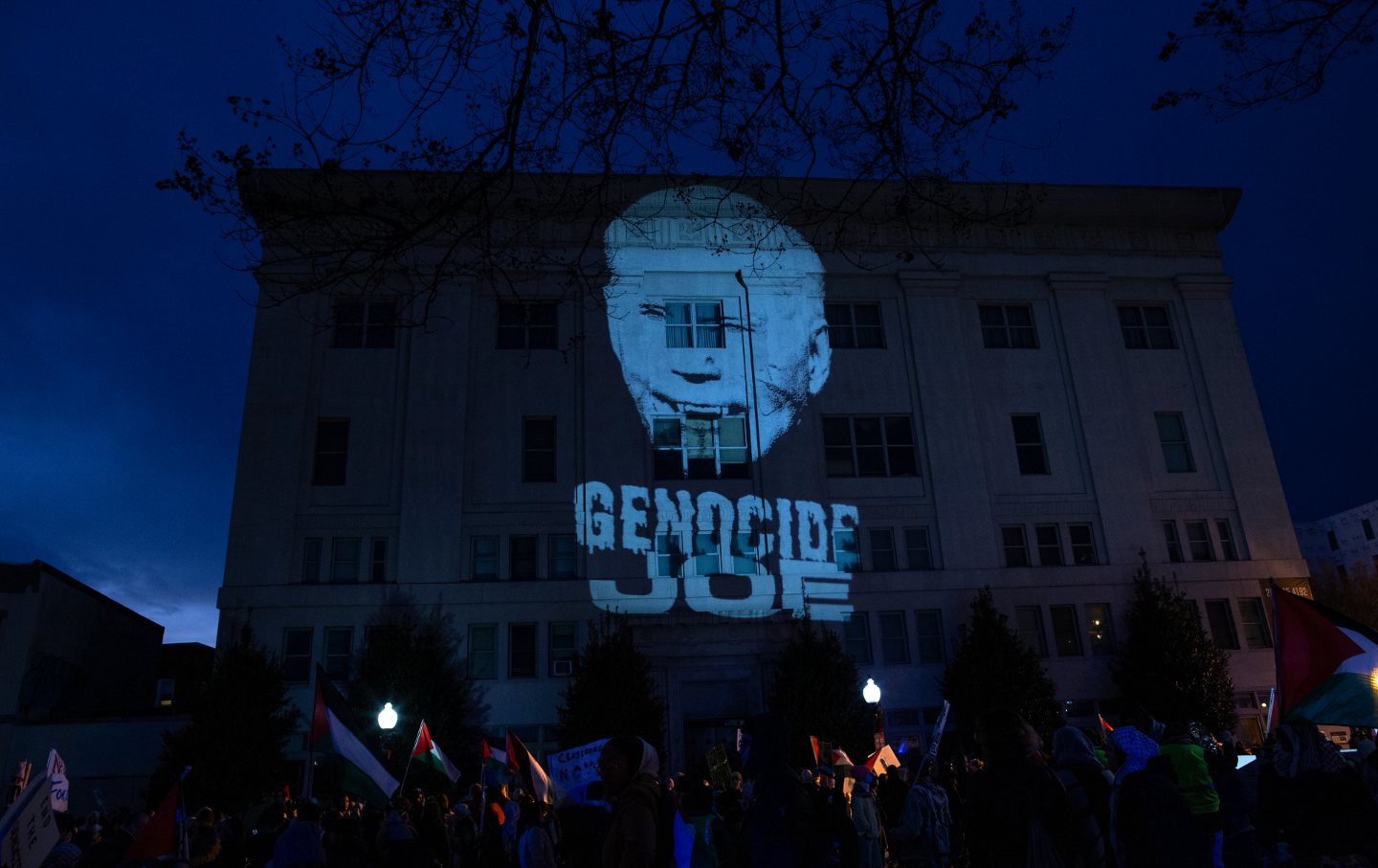
Now Biden’s fragile majority coalition is threatened by the fallout from his commitment to Israel in the Gaza War. A December New York Times/Sienna poll reports that 34 percent of Democrats sympathize more with the Palestinians, compared to 31 percent who favor the Israelis. Far more young voters—already unenthusiastic about Biden—sympathize with the Palestinians than with the Israelis, and nearly three-fourths disapprove of how Biden has handled the war. African Americans, vital to Democratic prospects, also tend to favor the Palestinians. Arab Americans in swing states like Michigan are, needless to say, outraged. The announced $100 million drive by AIPAC and allies to defeat congressional critics of Israel, largely women of color, in Democratic primaries will deepen the divide. With protests increasing across the country, and Netanyahu declaring his intention to continue the horror for months, young political activists are likely to become even more disaffected. While a distant conflict that does not involve US forces is unlikely to be a major factor in November’s election, it may be enough to suppress the turnout and enthusiasm of a vital part of Biden’s coalition.
Once more, the empire strikes back. Biden’s foreign policy is manned—virtually all are men—by the denizens of the same foreign policy establishment that led America into one calamity after another after the collapse of the Soviet Union. Biden proclaimed that the US was back, ready to sit at the head of every table, and police its “rules-based order.” The US would prepare to take on both China and Russia, continue the War on Terror, sustain its empire of bases, police the seven seas, and dispatch military forces to over 100 countries.
Inevitably, foreign crises took priority over domestic reform. The Russian invasion of Ukraine dominated attention and resources. (US aid to Ukraine—touted as a bargain way to weaken the Russian military—$75 billion over 20 months— totaled more than twice as much as Biden’s Inflation Reduction Act will spend on investment in energy security and climate change each year.) Now, the horror in Gaza threatens to divide the reform coalition.
This syndrome isn’t accidental or transitory. If the United States is to police the world, to sustain a self-described mandate to maintain military superiority in every region across the world, and in every military domain—land, sea, air, space, and cyber—the demands on resources and on attention are unending. Crises are constant.
War may be the health of the state, but it is a pox on domestic social reform. No reform majority can be consolidated for long if the US continues to seek to police the globe. The implications of this are apparent.
It is not enough to protest one misguided war or another. Progressives must address how to roll back the empire as an integral part of the reform agenda. This requires, as a first order, exposing the scope, breadth, and folly of the national security state, including a military-industrial complex that is the largest source of waste, fraud, and abuse in the federal government.
Far greater attention needs to be paid to the foreign policy debate. More think tanks challenging the imperial consensus like the Quincy Institute, or the Institute for Policy Studies are needed to provide critique and alternatives. Progressives should join in contesting the appointments of those who have been cheerleaders or engineers of the foreign policy debacles of the past. It is simply derelict that the very people who led us into Iraq, the worst foreign policy calamity since Vietnam, remain at the helm of our foreign policy. Activists should protest the media’s reliance on the gaggle of retired generals and intelligence officials who have been wrong on virtually every issue in their careers. In the Congress, progressives need to be far more assertive—in exposing waste and fraud, reviewing commitments and troop deployments, questioning our empire of bases, curbing presidential assertions of prerogative over war and peace. Politically, in the short term, a massive mobilization is needed to defend the legislators now facing primary challengers backed by multimillion-dollar negative campaigns by “independent” groups.
Popular
“swipe left below to view more authors”Swipe →Whether Biden’s support for the war in Gaza sacrifices his second term remains to be seen.
The threat posed by a Donald Trump presidency ought to spur even the most disaffected to vote. Yet with Americans far wearier of constant wars than the foreign policy elite, Trump will run, as he did against Hillary Clinton, as the peace candidate. Once more the empire threatens to strike back—with the progressive reform majority one of its first casualties.
More from The Nation
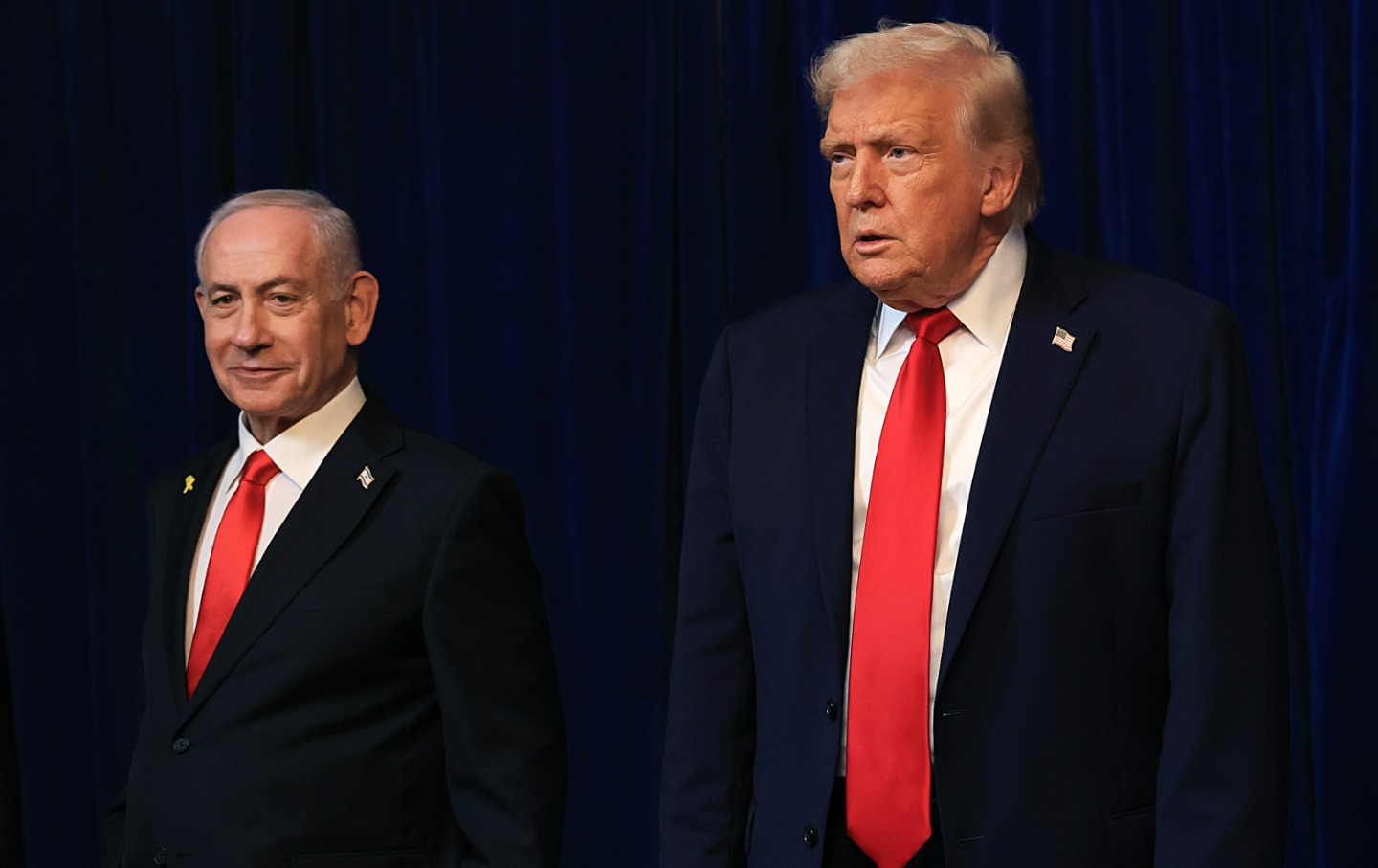
Trump and Netanyahu Want to Turn Iran Into a Failed State Trump and Netanyahu Want to Turn Iran Into a Failed State
This war looks designed to cause maximum chaos and instability. The world will pay a high price.

The War on Terror Paved the Way for Trump’s Rise—Now He’s Making It His Own The War on Terror Paved the Way for Trump’s Rise—Now He’s Making It His Own
Only the total abolition of the DHS can restore freedom.
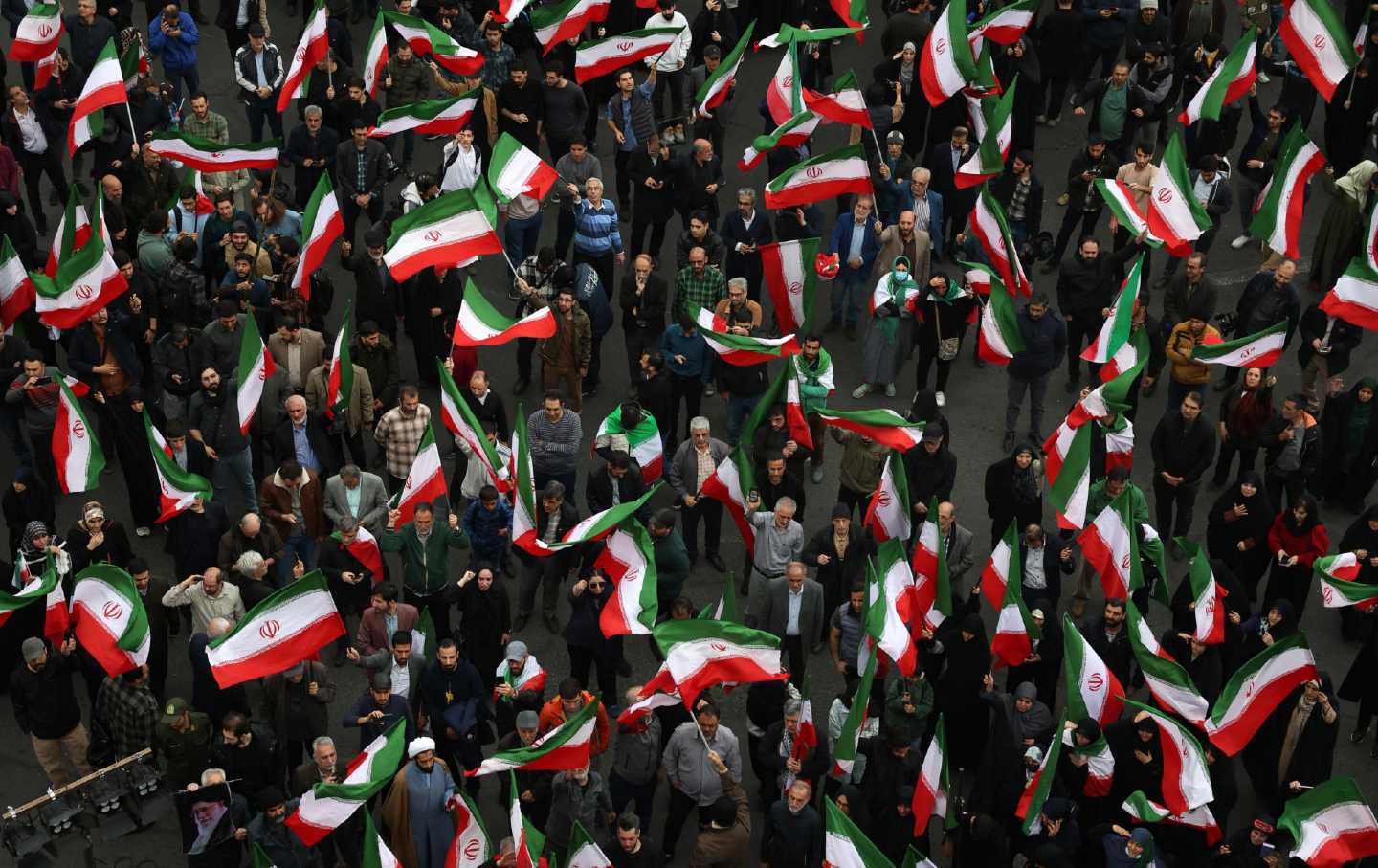
The Iranian Voices America Isn’t Hearing The Iranian Voices America Isn’t Hearing
We need to listen to those who oppose both the Islamic Republic’s authoritarianism and foreign military escalation.
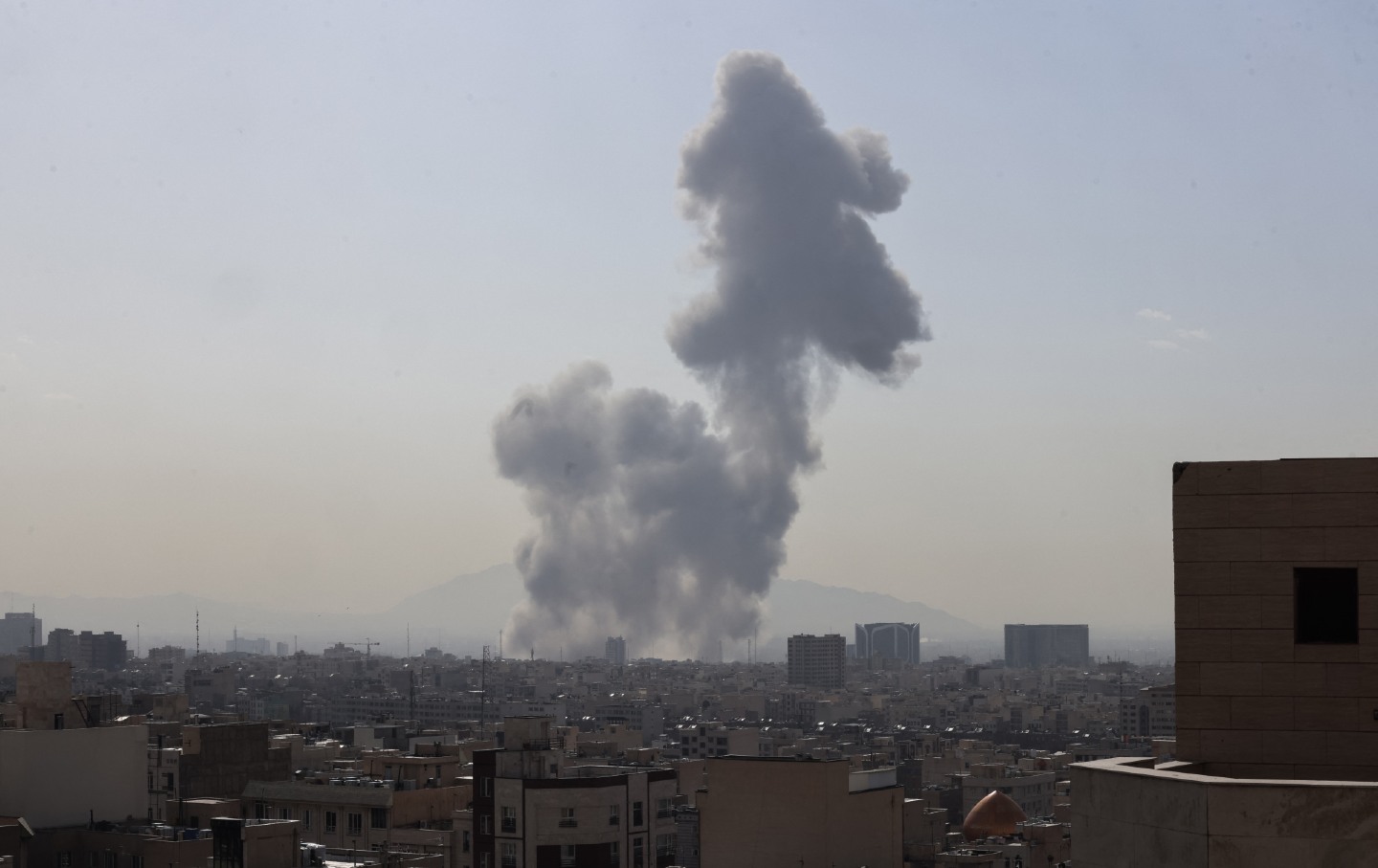
The US Attacks Iran in a War of Aggression The US Attacks Iran in a War of Aggression
The US has waged many wars—but this is one of the most senseless we've ever seen.
Opposing Trump’s Cruel Assault on the Cuban People Opposing Trump’s Cruel Assault on the Cuban People
An interview with Representative Jim McGovern.

A New Report on Alexey Navalny’s Death A New Report on Alexey Navalny’s Death
Boris Kagarlitsky and hundreds of unknown political prisoners remain in Russia’s prisons.

