Feature / March 14, 2024

What Was Palestine Before the Nakba?

A stunning photo archive reveals a time before the walls and checkpoints, when Palestine was not defined by its ailments but by its industries and cultures
Mohammed El-Kurd
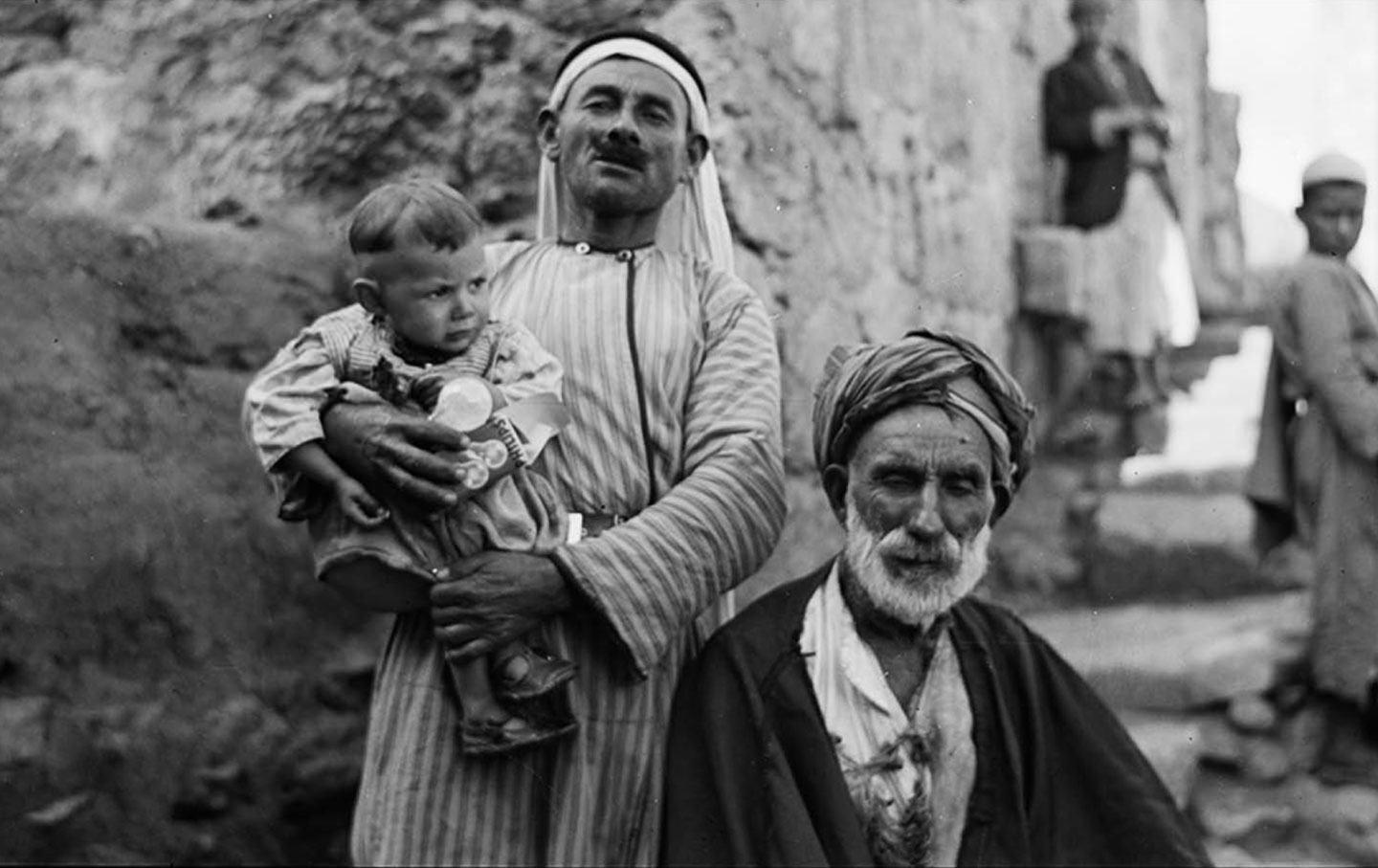
Three generations from the village of Dhahiriyya (located between Hebron and Beersheba), February 9, 1940.

Three generations from the village of Dhahiriyya (located between Hebron
and Beersheba), February 9, 1940.

I am writing this introduction in English and Arabic, and it is in these moments that the profound chasm between these two languages reveals itself. In English, there is a need to riddle the page with facts and figures detailing the essential cruelties of an atrocity that should be—and should have long been—internationally recognized. I’m tempted to squeeze into these lines a history lesson, to list the names of the various terrorist paramilitaries that formed the Israeli military that’s terrorizing us today; the number of massacres, exiles, refugees; the endless hectares of stolen land; the pregnant bellies split open in Deir Yassin. There is no need for such contextualization in Arabic: The Nakba breathes down our necks, invading our national identity and contorting our earliest encounters with our sense of self. It is relentless. It happens in the present tense, everywhere on the map. For some households, it began when a grandfather was dispossessed in Jaffa and sought refuge in Gaza, where it continues in the rumble of the warplanes across the blockaded enclave, introducing his grandchildren to their first—or perhaps third, or sixth—war. Not a corner of our geography is spared, not a generation.

And it is seemingly ubiquitous, following us even in exile. A Palestinian born in Lebanon’s Ein El-Hilweh refugee camp, and not in their grandparents’ Akka—which is both far and near, less than 100 kilometers away—will live tortured by their aborted potential, deprived of citizenship and freedom of movement. And it is absurd: Settlers with New York accents, armed with rifles, can escape criminal charges in the United States to squat in a Jerusalemite’s home, backed by their army, judiciary, and God (their favorite real estate agent).

Still, most, if not all, of this well-documented theft and bloodshed is denied and obfuscated by prominent political, media, and academic institutions in the Anglophone world.

Before conjuring the ability to write a few coherent paragraphs prefacing these photos, all I could think while flipping through them was: What have they done to you? What have they done to Palestine? I was struck by the images of Palestine before the walls and the colonies and the checkpoints clogged its arteries; images captured between towns and villages, now separated by concrete barriers and worlds apart, that were once intertwined socially and economically. Our eyes seldom encounter Palestine before the Israeli regime, a Palestine defined not by its ailments but by its industries and cultures. Yet it is important to resist the urge to romanticize that era. One must situate these photographs within the proper socioeconomic context and ask about what is not represented in these images: Who had access to cameras? Who was behind those cameras? What can be said of those who lived far from the flashbulbs and tape recorders? Where do we look for their fossilized legacies? The tessella of beautiful, unseen photographs that forms as you turn these pages is as illuminating as it is incomplete. There are many conversations we should be having with our grandparents, at their dinner tables, before their deathbeds, and even more work to do if we are to ensure that the victims and resisters of the present-day Nakba aren’t merely acknowledged in fleeting headlines.

These photos, along with the many others that appear in Against Erasure: A Photographic Memory of Palestine Before the Nakba, which was published in February, reaffirm that Palestine’s history does not begin in fleeing. Not only do they defy the brutal revisionism on the part of the empires and mercenaries seeking to vanquish us; they also disrupt the engineered cultural and political mystification of the Nakba that has, for generations, made its undoing seem impossibly remote.
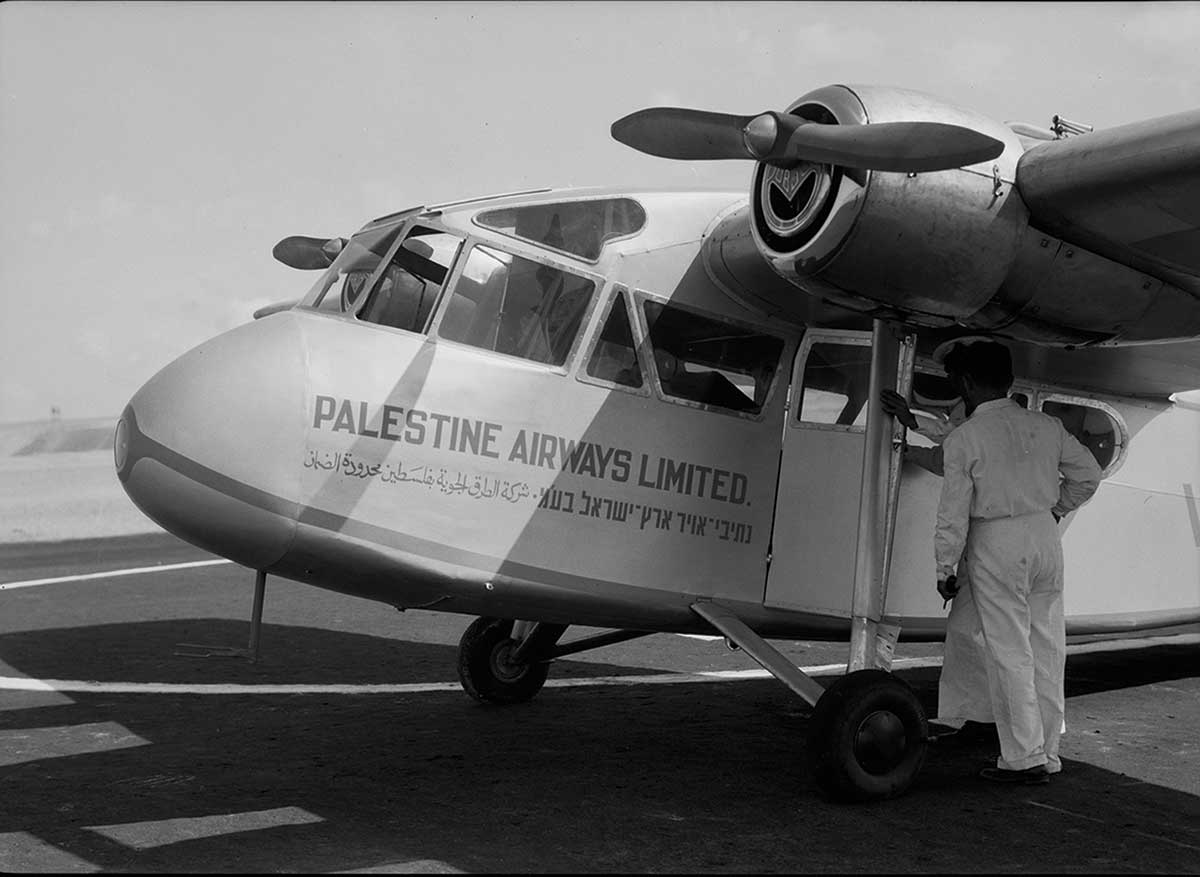
A Palestine Airways airplane, with its branding in three languages, at the opening of the Lydda airport runway, September 22, 1938.
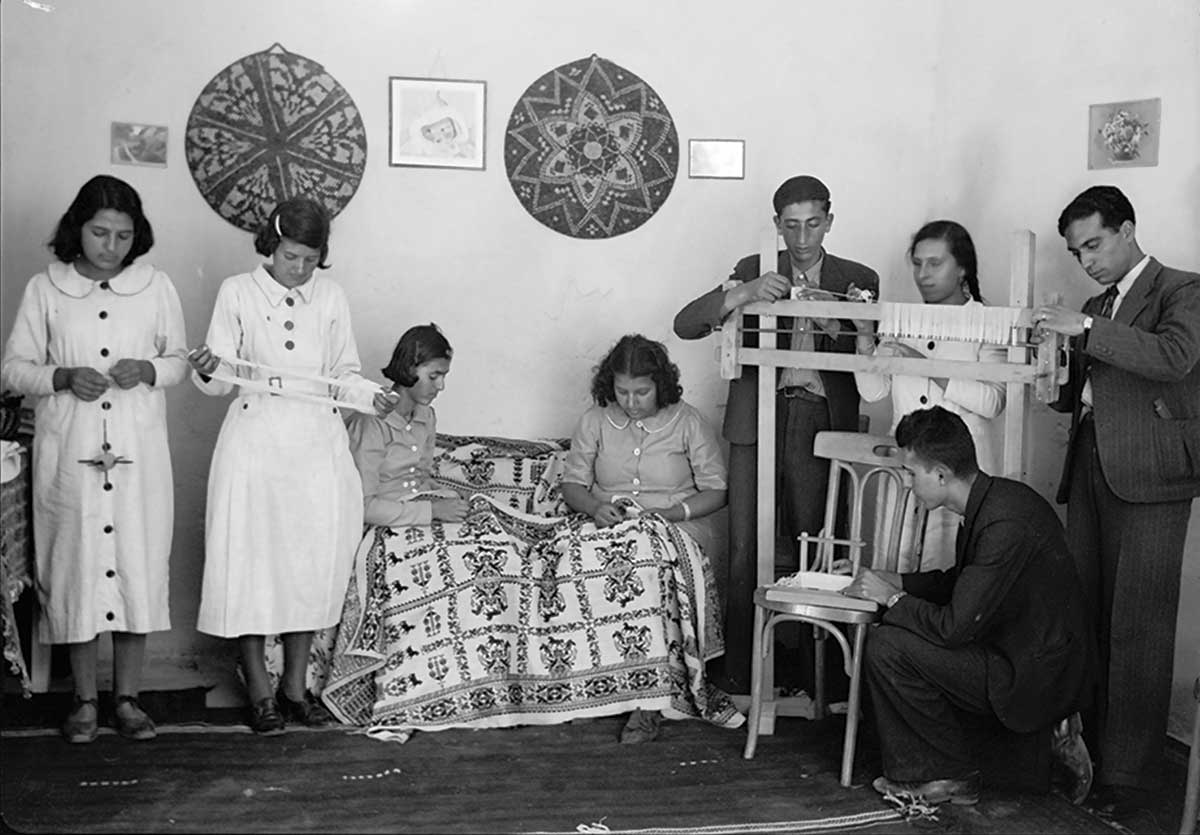
Young women and men working in the Arab Women’s Union workshop in Ramallah, circa 1934–39.
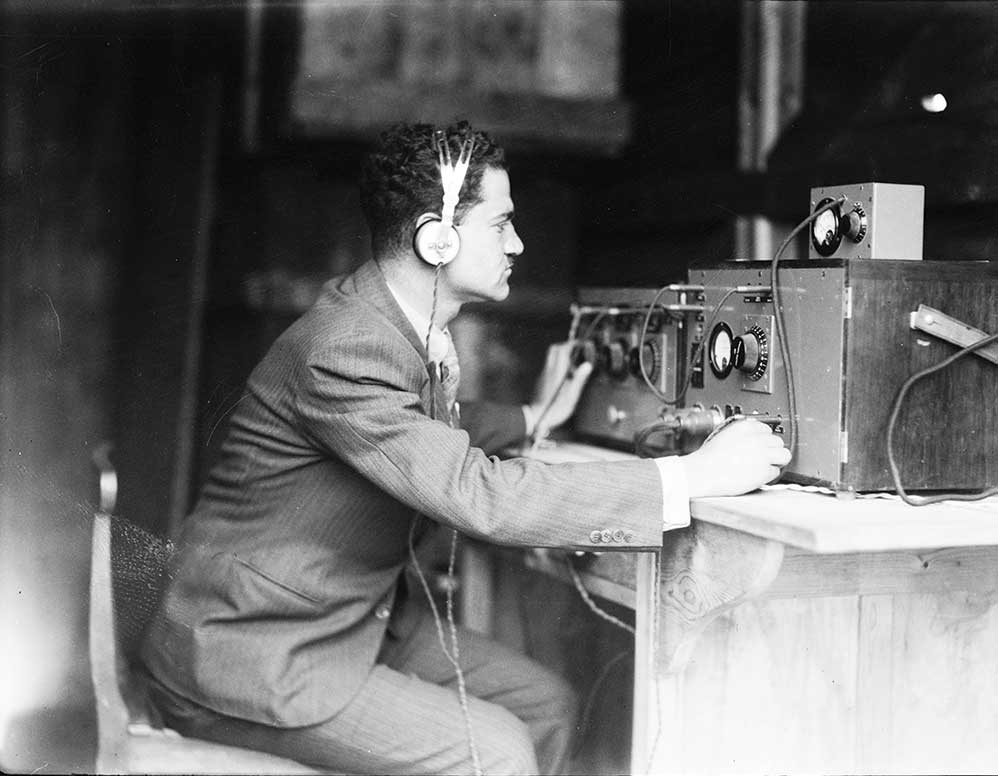
An engineer transmits the inaugural broadcast of the Palestine Broadcasting Service, March 30, 1936.
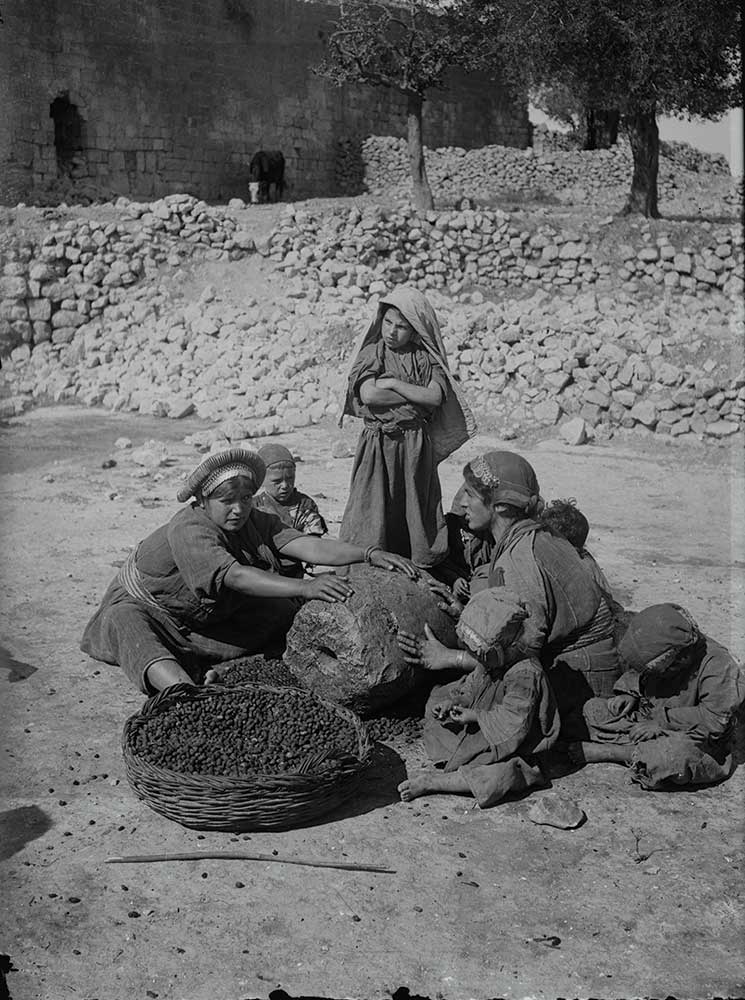
Women pressing olives, circa 1900–1920.
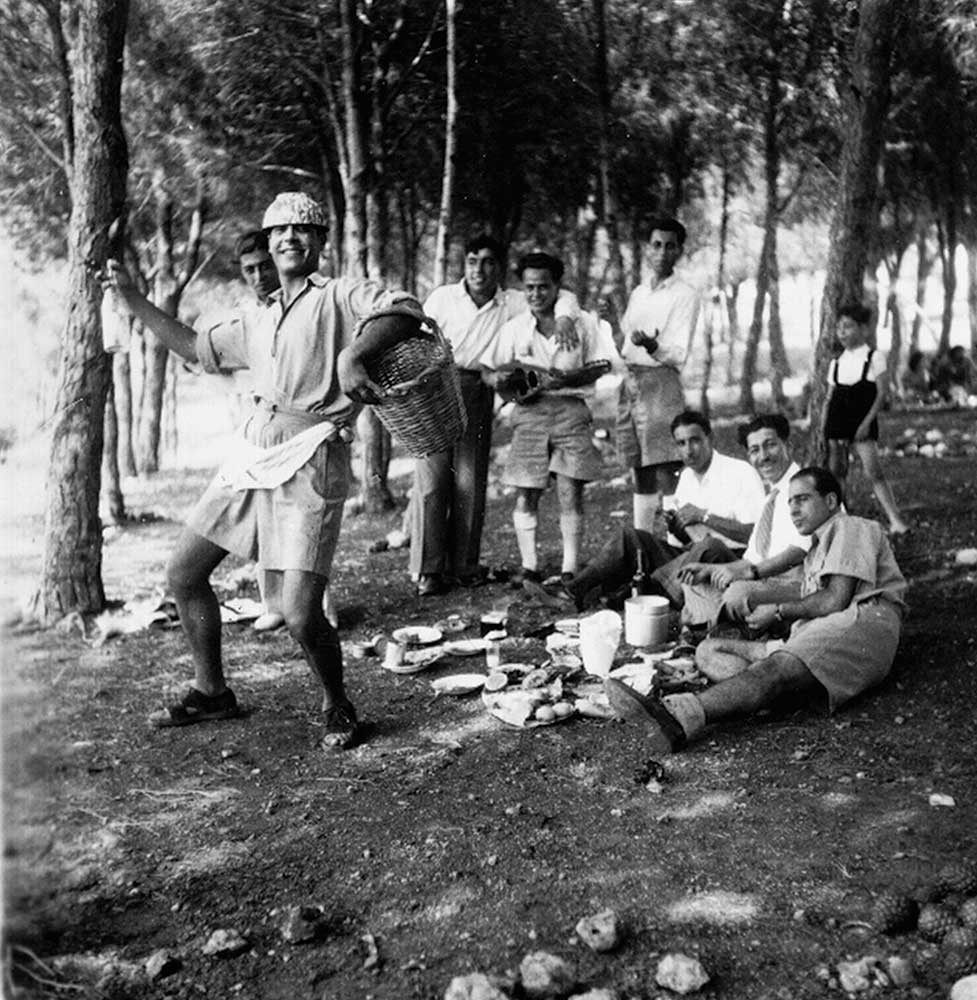
A group of friends on a picnic on Mount Carmel in Haifa, 1942.
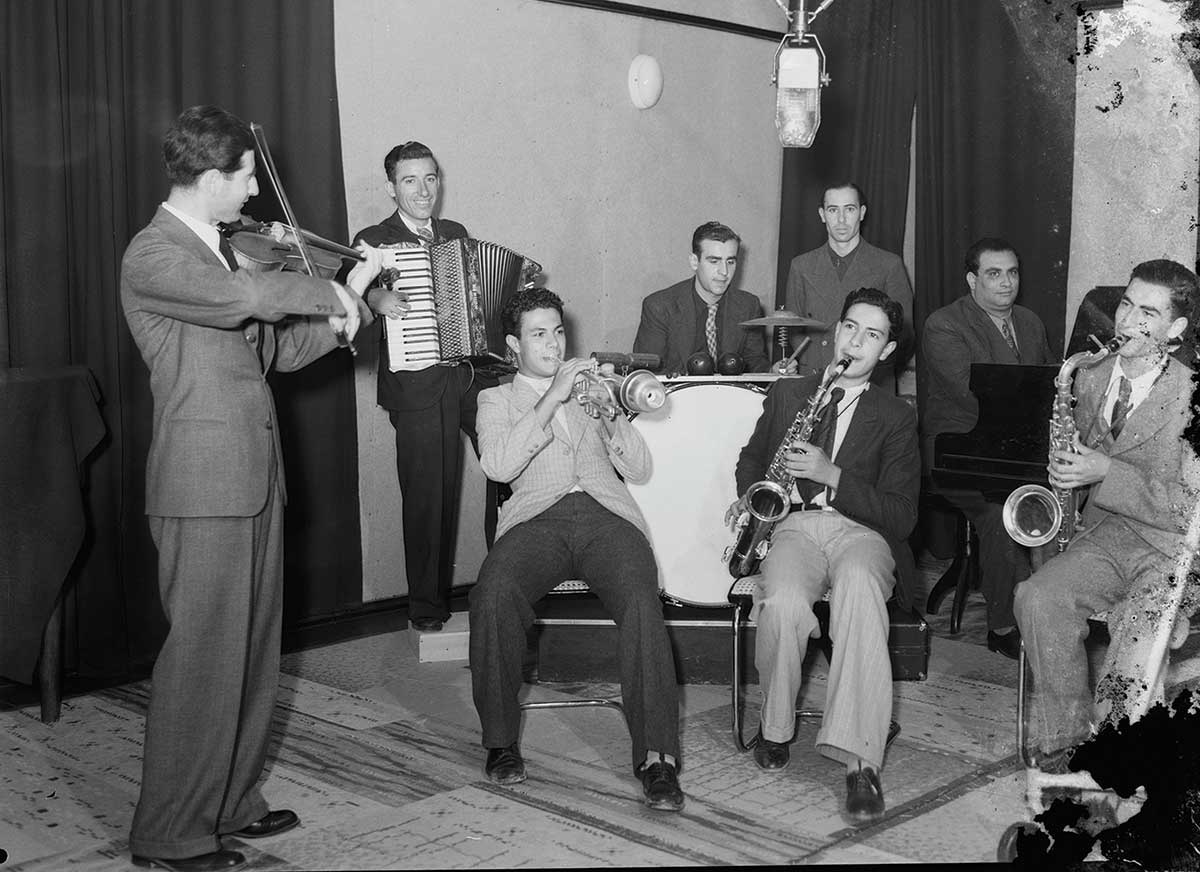
A band performs at the Palestine Broadcasting Service studios in Jerusalem, circa 1936–1946.
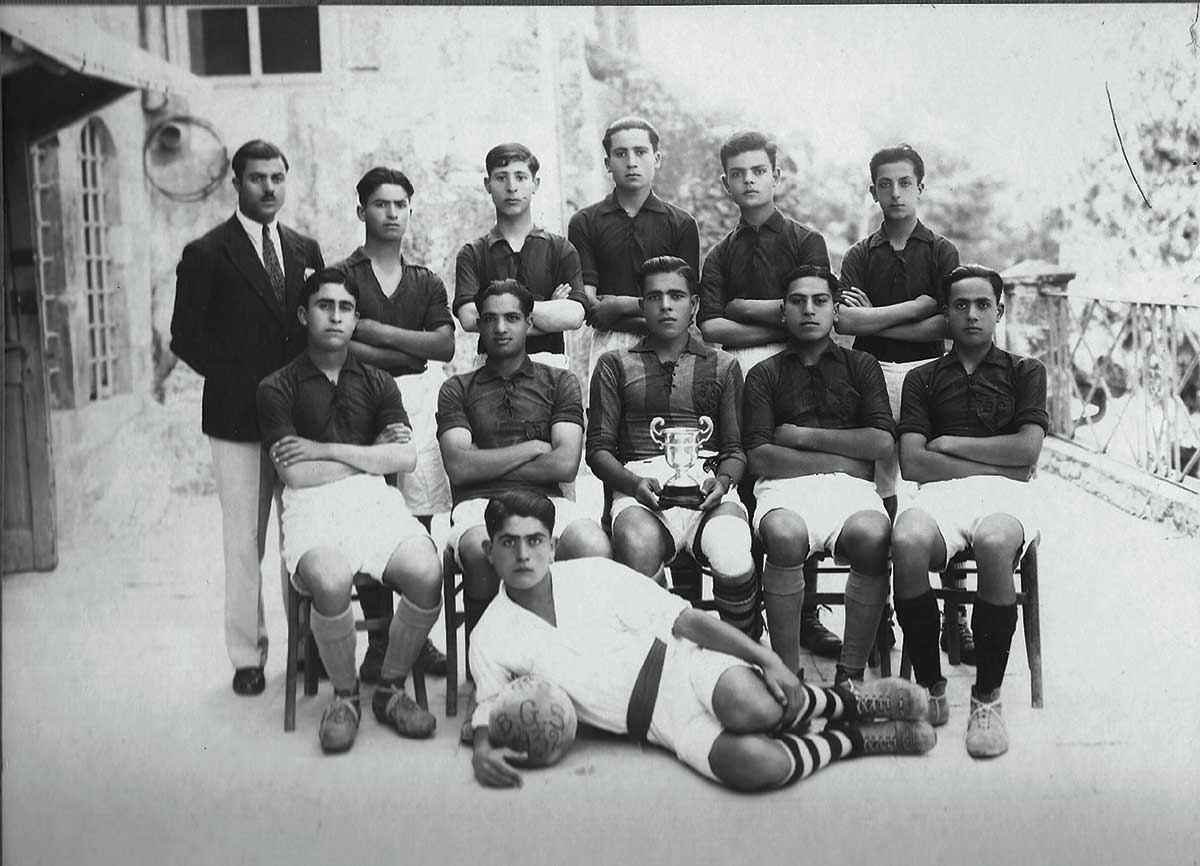
The first Bethlehem football team, 1932.
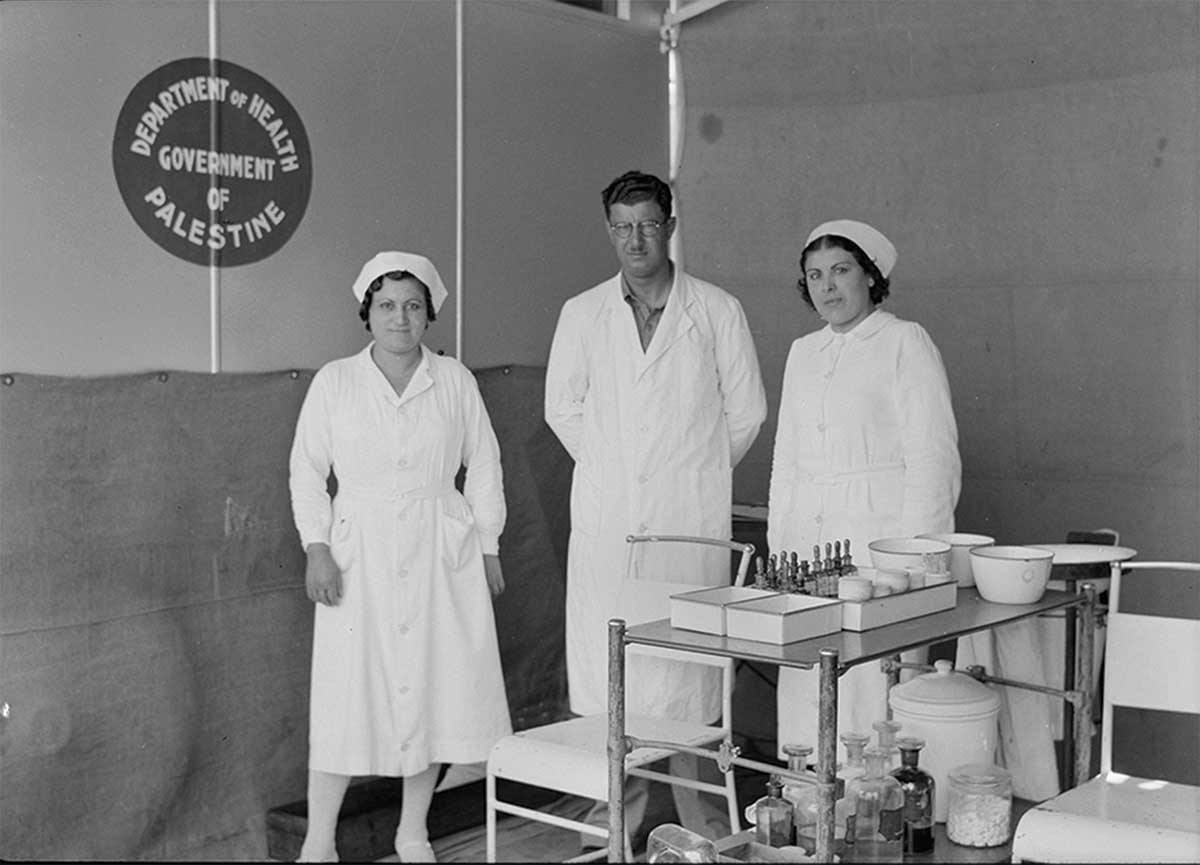
A mobile eye clinic from the Palestinian Government Department of Health, northeast of Gaza, August 1939.
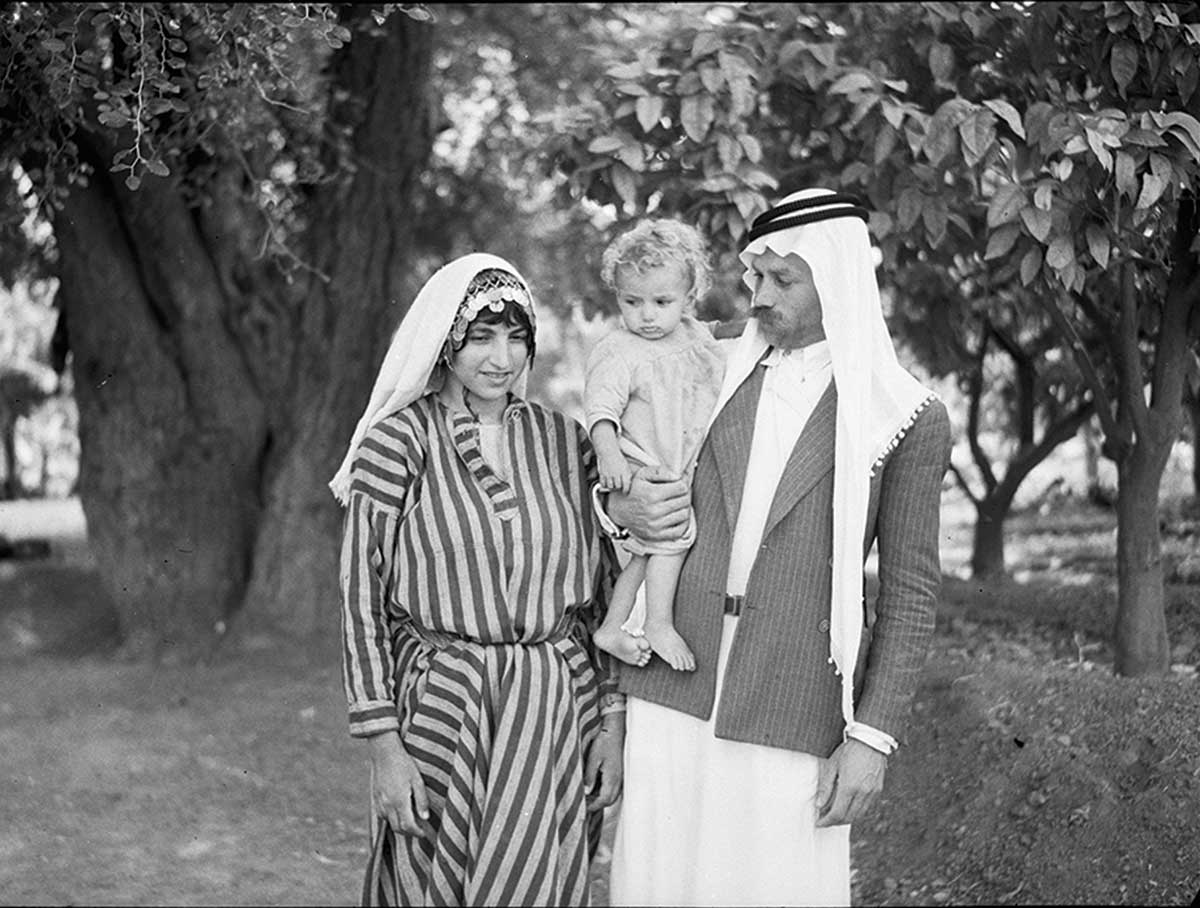
Mahmud Radif and his family, April 28, 1946. Radif worked in Jericho as a gardener.
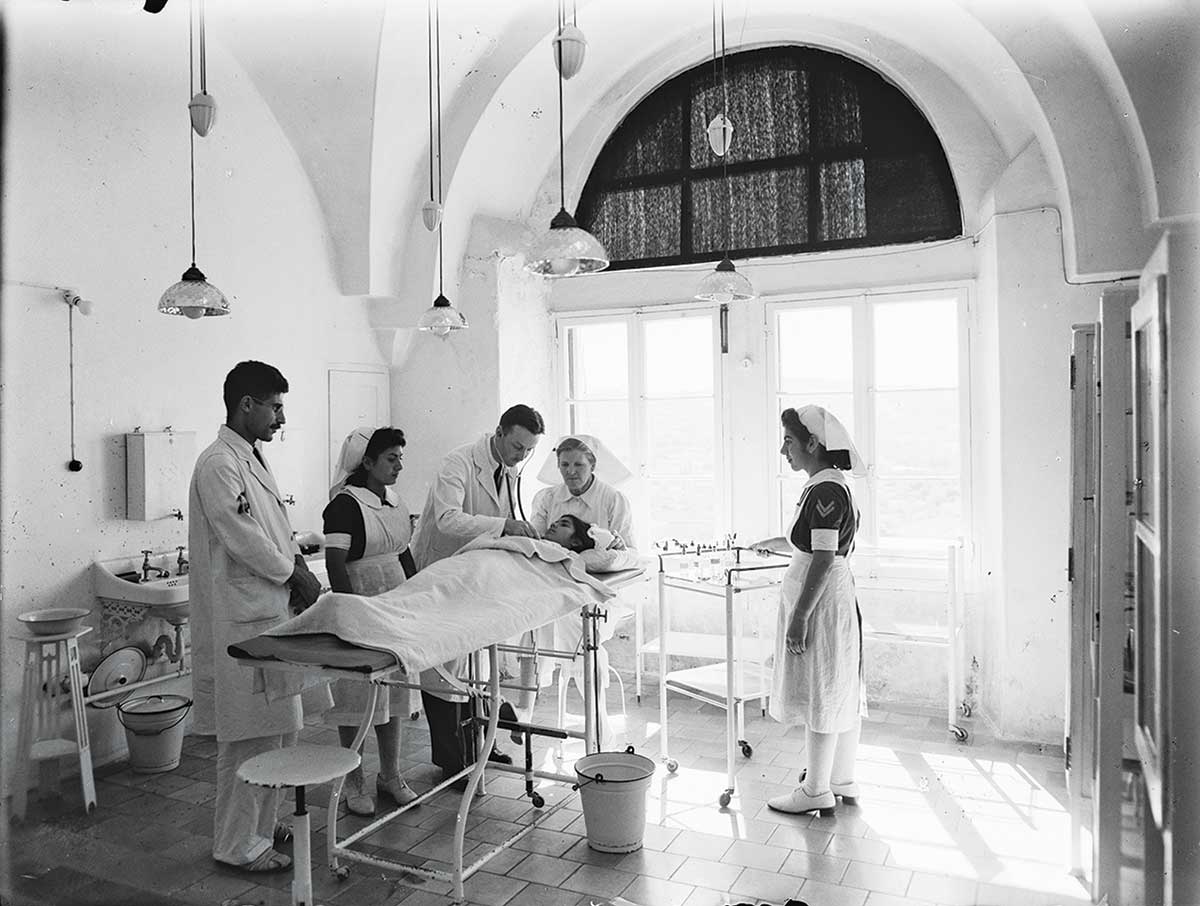
The operating room at Hebron hospital, August 17, 1944.

An urgent message from the Editors

As the editors of The Nation, it’s not usually our role to fundraise. Today, however, we’re putting out a special appeal to our readers, because there are only hours left in 2025 and we’re still $20,000 away from our goal of $75,000. We need you to help close this gap. 

Your gift to The Nation directly supports the rigorous, confrontational, and truly independent journalism that our country desperately needs in these dark times.

2025 was a terrible year for press freedom in the United States. Trump launched personal attack after personal attack against journalists, newspapers, and broadcasters across the country, including multiple billion-dollar lawsuits. The White House even created a government website to name and shame outlets that report on the administration with anti-Trump bias—an exercise in pure intimidation.

The Nation will never give in to these threats and will never be silenced. In fact, we’re ramping up for a year of even more urgent and powerful dissent. 

With the 2026 elections on the horizon, and knowing Trump’s history of false claims of fraud when he loses, we’re going to be working overtime with writers like Elie Mystal, John Nichols, Joan Walsh, Jeet Heer, Kali Holloway, Katha Pollitt, and Chris Lehmann to cut through the right’s spin, lies, and cover-ups as the year develops.

If you donate before midnight, your gift will be matched dollar for dollar by a generous donor. We hope you’ll make our work possible with a donation. Please, don’t wait any longer.

In solidarity,

The Nation Editors

Mohammed El-Kurd

Mohammed El-Kurd is a writer and poet from Jerusalem, occupied Palestine, currently serving as The Nation's first-ever Palestine Correspondent. He is the author of RIFQA (Haymarket) and the forthcoming nonfiction project tentatively-titled A Million States In One (Haymarket). His 2023 Edward Said Memorial Lecture at Princeton will be adapted into a book.

More from The Nation

Students in Khartoum hold up the Sudan flag during a protest on November 3, 2025, against atrocities committed by the Rapid Support Forces in El Fasher .

We Need to Pay Attention to What’s Going on in Sudan We Need to Pay Attention to What’s Going on in Sudan

The ongoing genocide has been largely overlooked by the international community.

Rebecca Gordon

President Donald Trump speaks to Israeli Prime Minister Benjamin Netanyahu at Ben Gurion International Airport before boarding his plane to Sharm El-Sheikh, on October 13, 2025, in Tel Aviv, Israel.

Netanyahu Is Destroying Trump’s Flimsy Peace Plans Netanyahu Is Destroying Trump’s Flimsy Peace Plans

The talk of a new Middle East is belied by Israel’s attacks on Gaza, Lebanon, Syria, and Iran.

Jeet Heer

A close-up of Donald Trump against a dark background looking skeptical.

Brace Yourselves for Trump’s New Monroe Doctrine Brace Yourselves for Trump’s New Monroe Doctrine

Trump's latest exploits in Latin America are just the latest expression of a bloody ideological project to entrench US power and protect the profits of Western multinationals.

Eric Ross

Jose Antonio Kast delivers a speech in front of his supporters after being elected.

Chile at the Crossroads Chile at the Crossroads

A dramatic shift to the extreme right threatens the future—and past—for human rights and accountability.

Peter Kornbluh

Trump speaks at a NATO Summit

The New Europeans, Trump-Style The New Europeans, Trump-Style

Donald Trump is sowing division in the European Union, even as he calls on it to spend more on defense.

David Broder

Two US Marine Corps MV-22 Ospreys depart at Mercedita International Airport on December 16, 2025, in Ponce, Puerto Rico. The Trump administration is conducting a military campaign in the Caribbean and eastern Pacific, deploying naval and air forces for what it calls an anti-drugs offensive.

The United States’ Hidden History of Regime Change—Revisited The United States’ Hidden History of Regime Change—Revisited

The truculent trio—Trump, Hegseth, and Rubio—do Venezuela.

Barbara Koeppel