
The Urgent Search for an Alternative World Order
The horrors of Trump’s unchecked global aggression call for a truly visionary foreign policy—not a return to the failed status quo.
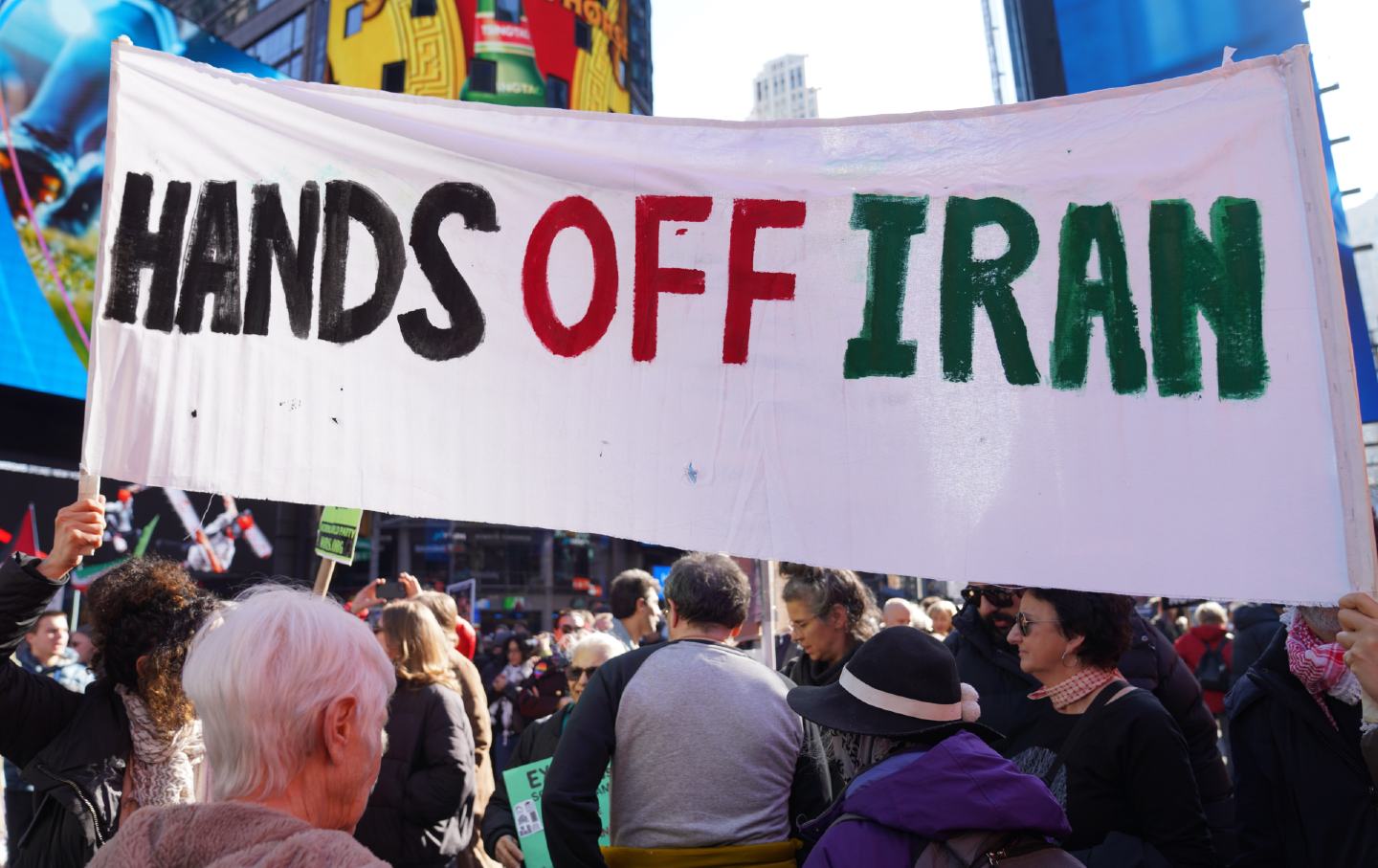
Before dawn on February 28, the United States and Israel launched what Donald Trump hailed as “major combat operations in Iran” but was, in fact, an undeclared, unauthorized, and unconstitutional regime-change war. As the bombs rained down on at least 14 cities, the death toll included Iran’s 86-year-old supreme leader, Ayatollah Ali Khamenei, and at least 165 people—most of them young girls—at a primary school. The president said the mission was “eliminating imminent threats.” In reality, it killed children, provoked counterstrikes across the Middle East, and threatened the region with another of the “forever wars” that Trump once campaigned against.
The attack on Iran represents the latest manifestation of an increasingly belligerent foreign policy that has seen US military interventions topple two government leaders in two months. The president who in 2024 declared, “I’m not going to start wars,” is now starting wars of aggression, threatening invasions, abandoning treaties, and creating chaos with such abandon that, in the words of former Obama administration adviser Ben Rhodes, “Trump’s second term has been the worst-case scenario.”
The Nation opposes Trump’s latest war, as do most Americans. But we are concerned that the response of many commentators to the Trump catastrophe is to hope for a return to a failed old order—a system of “rules” and strategies so unpopular that voters have already rejected them. That naïve longing ignores the need for this country to take a new look at its place in the world.
This issue of The Nation takes that new look from a perspective rooted in our values, experience, and history. If there is a through line in The Nation’s 160 years, it is that building a healthy and secure democracy is incompatible with an endless quest for global dominance. We know that Trump is reckless and wrong, but there’s more to our crisis than the mad ranting of an aging autocrat.
US foreign policy is adrift between an old order that is rapidly dying and a new one that is yet to be born. Trump’s victory in the 2016 presidential election, his reelection in 2024, and the robust debates between centrists and progressives within the Democratic Party tell us that the foreign-policy establishment’s bipartisan consensus no longer exists. Americans are rejecting assumptions that guided decades of US engagement with other countries—in particular, the idea that an international “rules-based order” backed by US military hegemony is worth maintaining, no matter the cost.
Trump’s “America First” agenda, however, has never offered a viable way forward. Mistakenly labeled “isolationism,” it is better understood as what the Harvard political scientist Stephen Walt calls “predatory hegemony”: a vision of the United States unbound by rules and unabashedly self-interested. Fueled by Trump’s vainglory and paranoia—his fever dreams about getting “ripped off” by allies such as Canada and by African children who need USAID programs to survive—this approach replaces diplomacy and international aid with a neo-imperial worldview in which the powerful take what they can and the weak suffer what they must.
Trump is wrong. But putting a new coat of paint on the old “rules-based” order is not the alternative to toxic Trumpism—not for the United States, and not for a world where most people long ago recognized that the rules are written to benefit multinational corporations, arms dealers, and the politicians who serve them.
This issue of The Nation approaches the search for thoughtful, reasoned alternatives with a sense of urgency, seeking to counter the rush by elites in both parties toward an agenda of great-power competition, in the vain hope that political unity can be reforged around hostility to China or Russia.
In today’s deeply interconnected world, where challenges such as climate change and pandemics are global in scope, policymakers need to offer more than the prospect of new cold wars. This begins with the recognition that it is not in the best interests of US security and prosperity to export insecurity to countries we refer to as “partners.”
The pursuit of US global military hegemony, whatever the cost, is not the answer—whether it is advanced by Trump or by an elite foreign-policy establishment. Competing for dominance abroad invariably neglects urgent domestic needs and infringes on American liberties.
There is a better way: a new and affirmative US foreign policy that embraces restraint as an essential component of our own security and prosperity. An approach that insists that keeping Americans safe does not require spending more on defense than the next 10 countries combined. One that is clear about the genuine threats facing our country but refuses to be drawn into debates over which candidate, or which party, is tougher on China or Russia. One that tackles the mutually reinforcing challenges posed by domestic and global inequality and the grievances nurtured by both. One that recognizes the need for new alliances to address the climate crisis, the dangers of nuclear war, and the existential threat posed by unregulated artificial intelligence. One that understands, finally, that our futures on this planet are bound together.
Trump is orchestrating the destruction of the old international order. But he hasn’t a clue about how to preserve our security in this new era. That vacuum offers an opportunity for fresh thinking. This issue offers a modest contribution to that process by reviving the idea that another world is possible.
More from The Nation

Israel’s Extremist Election Israel’s Extremist Election
The run-up to the vote on Tuesday is exposing the façade of Israeli democracy—and the fealty of the country's so-called opposition when it comes to matters of Jewish supremacy.
“NAZA” and Israel’s History of Automated Warfare “NAZA” and Israel’s History of Automated Warfare
As violent technologies like spyware, predictive targeting algorithms, and 2,000-pound warheads become ordinary instruments of military rule, once-abhorred practices become routin...

Brazil’s Workers’ Party Is Not Stopping Brazil’s Workers’ Party Is Not Stopping
With just a few days remaining before the runoff election, supporters of Lula’s party are doing everything possible to rally support behind the president.

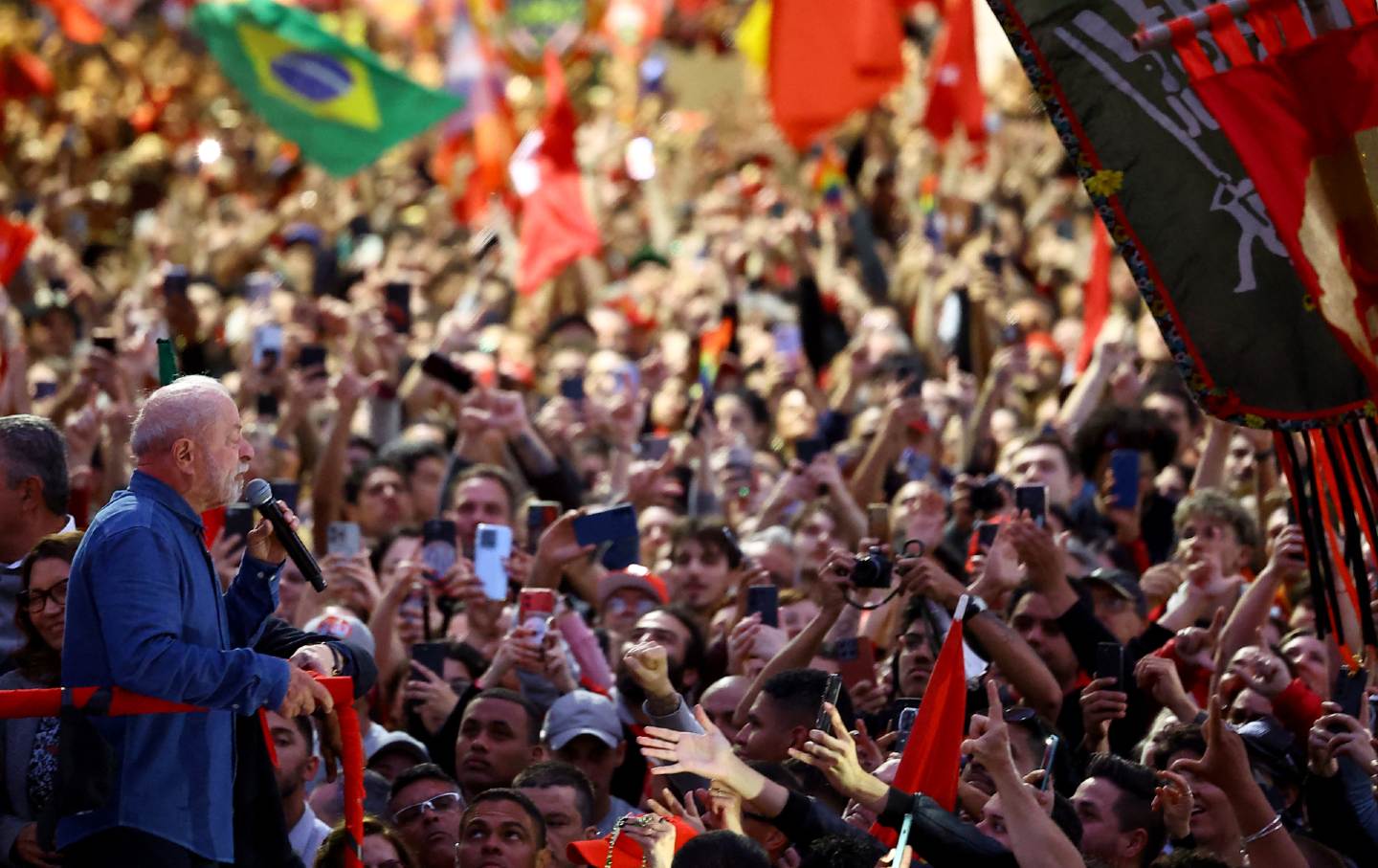
Brazil’s Decision Brazil’s Decision
The moral compass and basic humanity of political leaders really does matter.
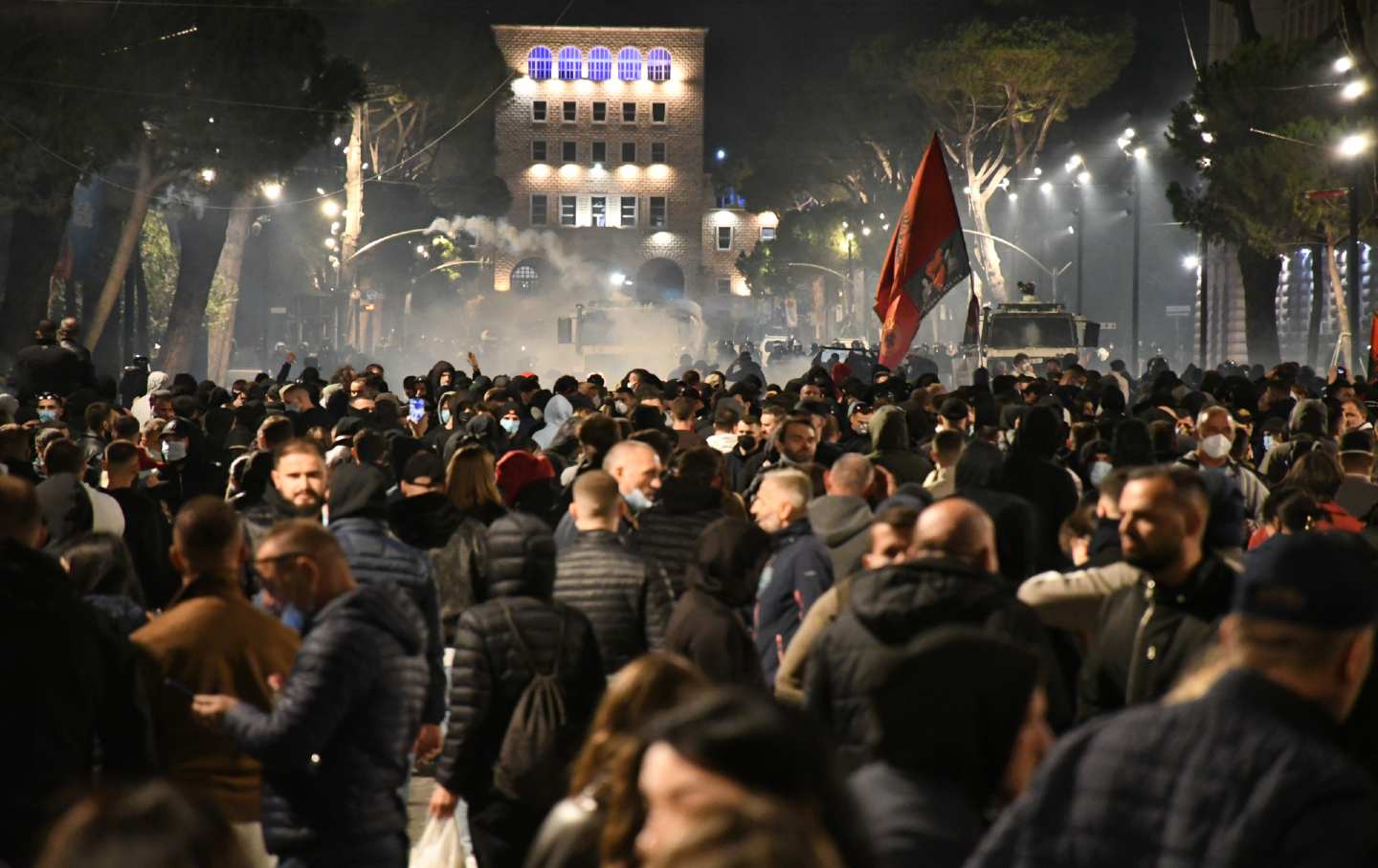
Albanian Student Strikes Spur a Political Crisis Albanian Student Strikes Spur a Political Crisis
A new round of protests against the ruling party’s corruption has Prime Minister Edi Rama giving cops bonuses to crack down on dissent.

