
Letters: Airline Deregulation, Interviewing the Cuban President, Human Resources at Human Rights Watch
The industry-friendly skies… Cuba libre… Bosses are getting the boot, too…
The Industry-Friendly Skies
Re “Pete Buttigieg Refuses to Reform a Dangerously Unsafe Airline Industry,” by Jeet Heer [January 12, 2024, online only]: It is not clear that the Department of Transportation is the ideal agency to organize a diagnostic and strategic plan for the US airline industry, or even qualified to do so. While the number of incidents that the article points to indeed suggest a possible inherent problem in the way the aviation industry is operated, the underlying potential causes transcend the remit of the DOT.
The US airline industry was deregulated in 1978 under then-President Carter, after a long lobbying effort from academic economists and new competitors. But the 1978 act was not only piecemeal legislation; it has not been reviewed or updated in over 40 years. It is the larger industrial organization of the airline industry that is the cause of a number of deficiencies, including extraordinarily low consumer approval levels.
The DOT secretary may help set in motion such a regulatory review, but it must be from the ground up, which means from the industry itself. That may require relaxation of antitrust rules in order to encourage cooperation.
If you ask airline CEOs, most will express an interest in deeper cooperation versus competition, which forces them into often counterproductive methods of cost control, including engineering and maintenance done in areas more difficult to monitor and control. Much US airline heavy maintenance is done in foreign countries in less regulated, low-cost zones, including the Dominican Republic, South Korea, China, Singapore, and El Salvador.
Matthew G. Andersson
chicago
The writer is the founder and former CEO of Indigo Airlines, a former executive adviser in Booz Allen Hamilton’s aerospace and defense business, and the author of The New Airline Code: Why the Industry Must Be Programmed to a Public-Private Integration (2005).
Cuba Libre
The Nation’s interview with Cuban President Miguel Díaz-Canel overlooked significant humanitarian and political concerns [“Q&A: Miguel Díaz-Canel,” with D.D. Guttenplan and Katrina vanden Heuvel, November 13/20, 2023]. This is alarming in light of the country’s current economic crisis, which has triggered the largest exodus in Cuba’s history.
No mention was made of Cuba’s political prisoners (1,063 as of December 2023), the majority of whom were arrested during the July 11, 2021, protests. The United Nations, Amnesty International, Human Rights Watch, and the European Parliament have condemned Cuba’s arbitrary detentions, its draconian sentencing, its imprisonment of minors, its deplorable prison conditions, and its compromised judiciary.
The Inter-American Commission on Human Rights concluded after an extensive investigation that Cuban state agents were involved Cuba’s role in the death of activist Oswaldo Payá, an issue also sidestepped in the interview. Equally concerning was the omission of the lawsuit by Cuban doctors implicating medical missions as human trafficking.
Recent legislation under Díaz-Canel, which penalizes independent cultural endeavors, digital dissent, and the unauthorized use of national symbols, was not addressed. Additionally, ill-advised economic decisions, such as the rushed attempt to unify currencies that led to wild inflation and the prioritizing of investment in hotels over support for a deteriorating public sector, went unchallenged.
Cubans must rely on foreign remittances to access exorbitantly priced food sold by the state and are desperate to escape the stifling domestic environment. They are unjustly subject to the government’s revival of the colonial practice of denying citizens the right to return to their homeland. The interviewers alluded to the cultural prowess of Cuba while ignoring the fact that hundreds of independent artists and journalists have faced intensified persecution and forced expulsion.
Given The Nation’s history of rigorous interviews with US officials, we find the lenient stance toward an undemocratically elected leader disturbing.
Coco Fusco
new york city
Saily González
miami
Lillian Guerra
Professor of Cuban & Caribbean History
University of Florida
gainesville, fla.
Omara Isabel Ruiz Urquiola
Director, Observatorio de Libertad Académica y
Observatorio de Derechos Culturales
prattville, ala.
Tania Bruguera
Founder and director, INSTAR (The Hannah Arendt Artivist Institute)
cambridge, mass.
Carlos A. Aguilera
Director, In-Cubadora
prague and barcelona
Bosses Are Getting the Boot, Too
Re The Nation’s article on the recent job cuts at Human Rights Watch, the author’s general thrust suggests that HRW’s recent financial issues affected mostly junior, not senior staff [“As Atrocities Unfold, Those Documenting Rights Violations Are Getting Laid Off,” by Saliha Bayrak, April 24, 2024, online only].
Contrary to the article’s subhed—“Human Rights Watch just let go of 39 staffers. Workers are demanding executives take pay cuts instead”—a significant number of senior staff took voluntary pay cuts and pay freezes. This, as well as changes to HRW’s leadership structure, generated savings of approximately $925,000 and helped reduce the number of personnel cuts needed, to close the $9.5 million budget shortfall.
In addition, out of the 39 positions affected by the budget cuts, 12 were at senior-level positions of associate director level, or higher.
Mei Fong
Chief Communications Officer, Human Rights Watch
washington, d.c.
Support independent journalism that does not fall in line
Even before February 28, the reasons for Donald Trump’s imploding approval rating were abundantly clear: untrammeled corruption and personal enrichment to the tune of billions of dollars during an affordability crisis, a foreign policy guided only by his own derelict sense of morality, and the deployment of a murderous campaign of occupation, detention, and deportation on American streets.
Now an undeclared, unauthorized, unpopular, and unconstitutional war of aggression against Iran has spread like wildfire through the region and into Europe. A new “forever war”—with an ever-increasing likelihood of American troops on the ground—may very well be upon us.
As we’ve seen over and over, this administration uses lies, misdirection, and attempts to flood the zone to justify its abuses of power at home and abroad. Just as Trump, Marco Rubio, and Pete Hegseth offer erratic and contradictory rationales for the attacks on Iran, the administration is also spreading the lie that the upcoming midterm elections are under threat from noncitizens on voter rolls. When these lies go unchecked, they become the basis for further authoritarian encroachment and war.
In these dark times, independent journalism is uniquely able to uncover the falsehoods that threaten our republic—and civilians around the world—and shine a bright light on the truth.
The Nation’s experienced team of writers, editors, and fact-checkers understands the scale of what we’re up against and the urgency with which we have to act. That’s why we’re publishing critical reporting and analysis of the war on Iran, ICE violence at home, new forms of voter suppression emerging in the courts, and much more.
But this journalism is possible only with your support.
This March, The Nation needs to raise $50,000 to ensure that we have the resources for reporting and analysis that sets the record straight and empowers people of conscience to organize. Will you donate today?
More from The Nation
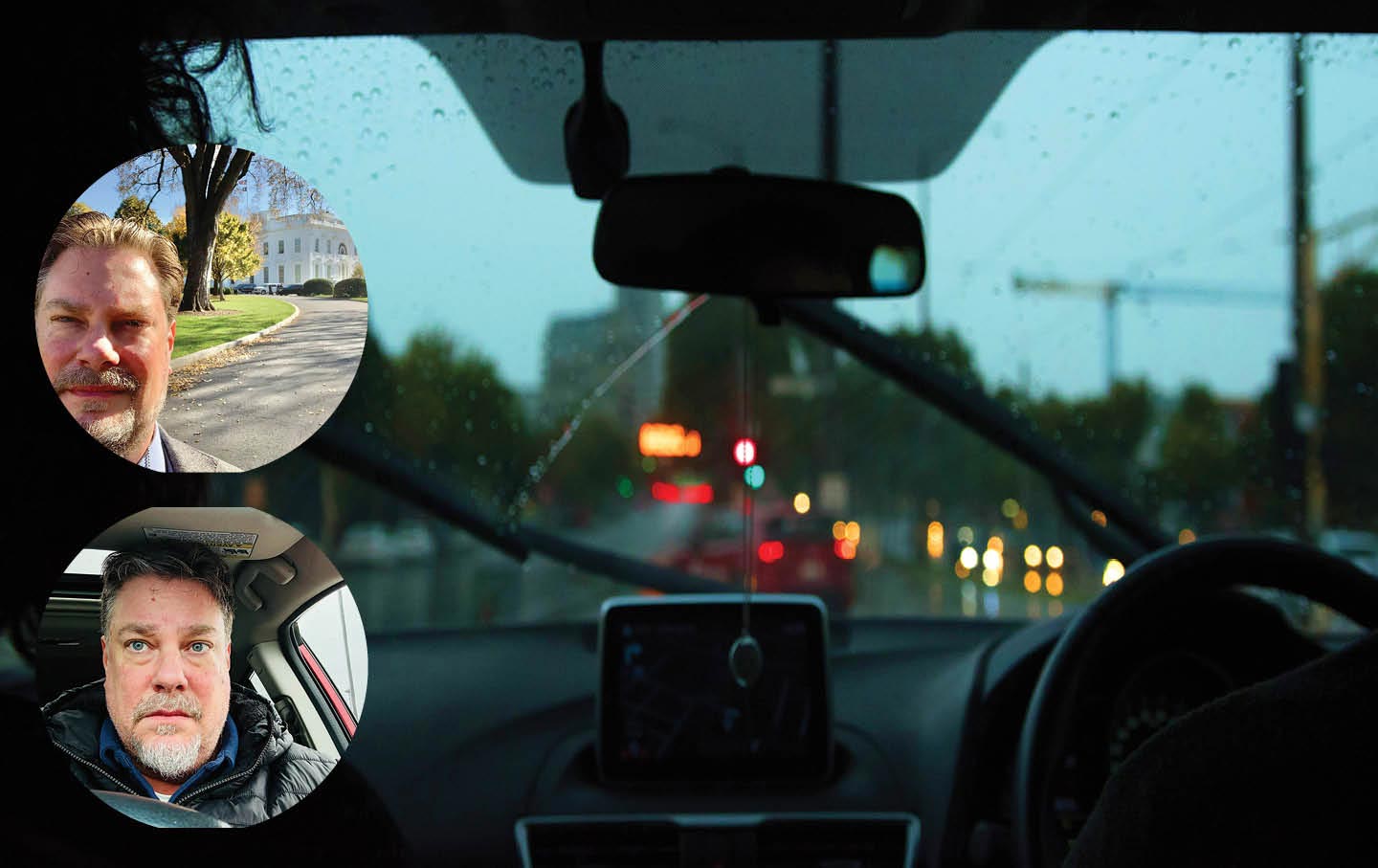
From Foreign Correspondent to Uber Driver From Foreign Correspondent to Uber Driver
I once documented human displacement and desperation. Now, due to a crumbling media ecosystem, I am living it.
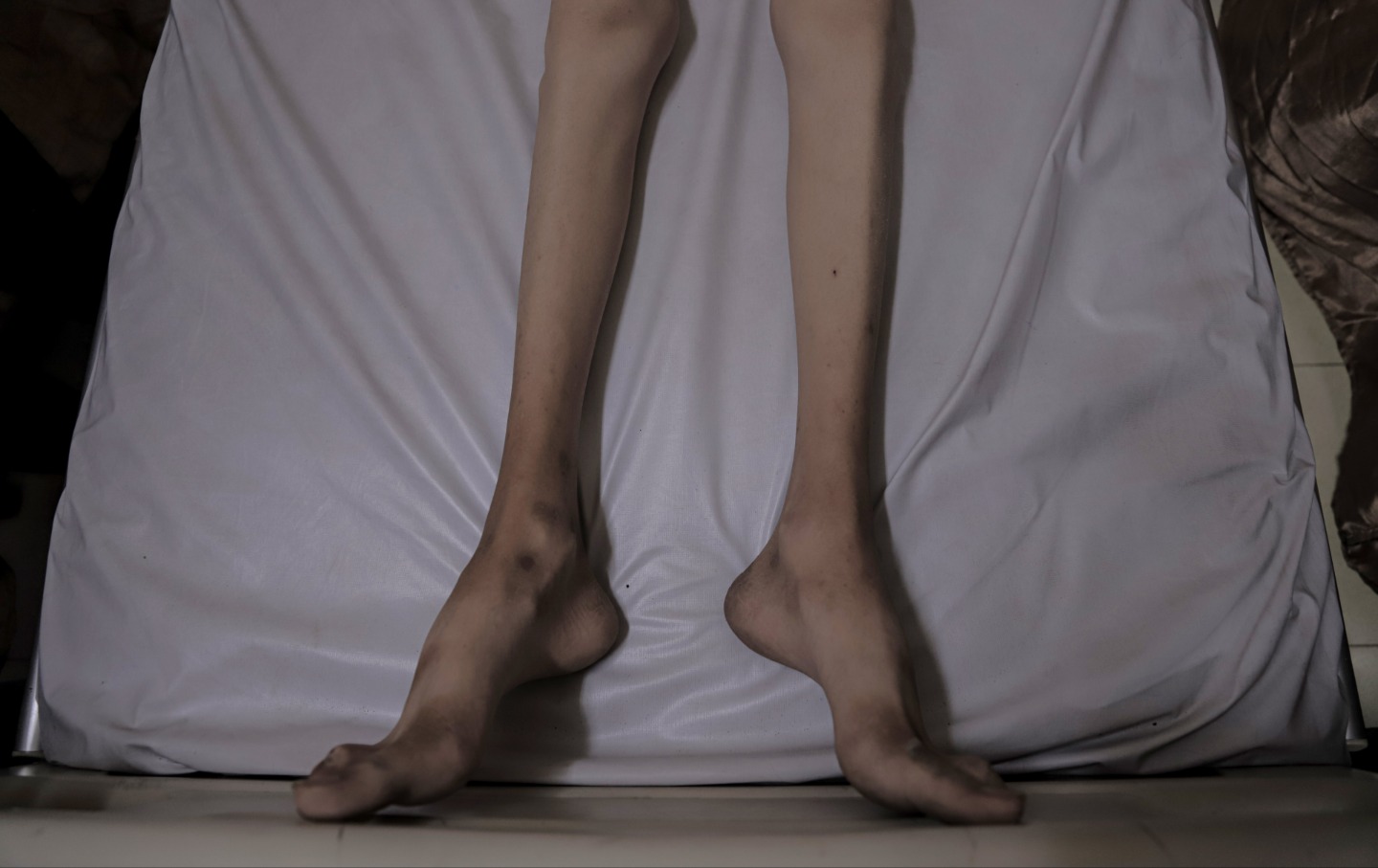
The Hunger Era The Hunger Era
In Gaza, we watch people being starved by Israel. In rich countries, we watch people starving themselves. The situations are completely different—but they are also connected.
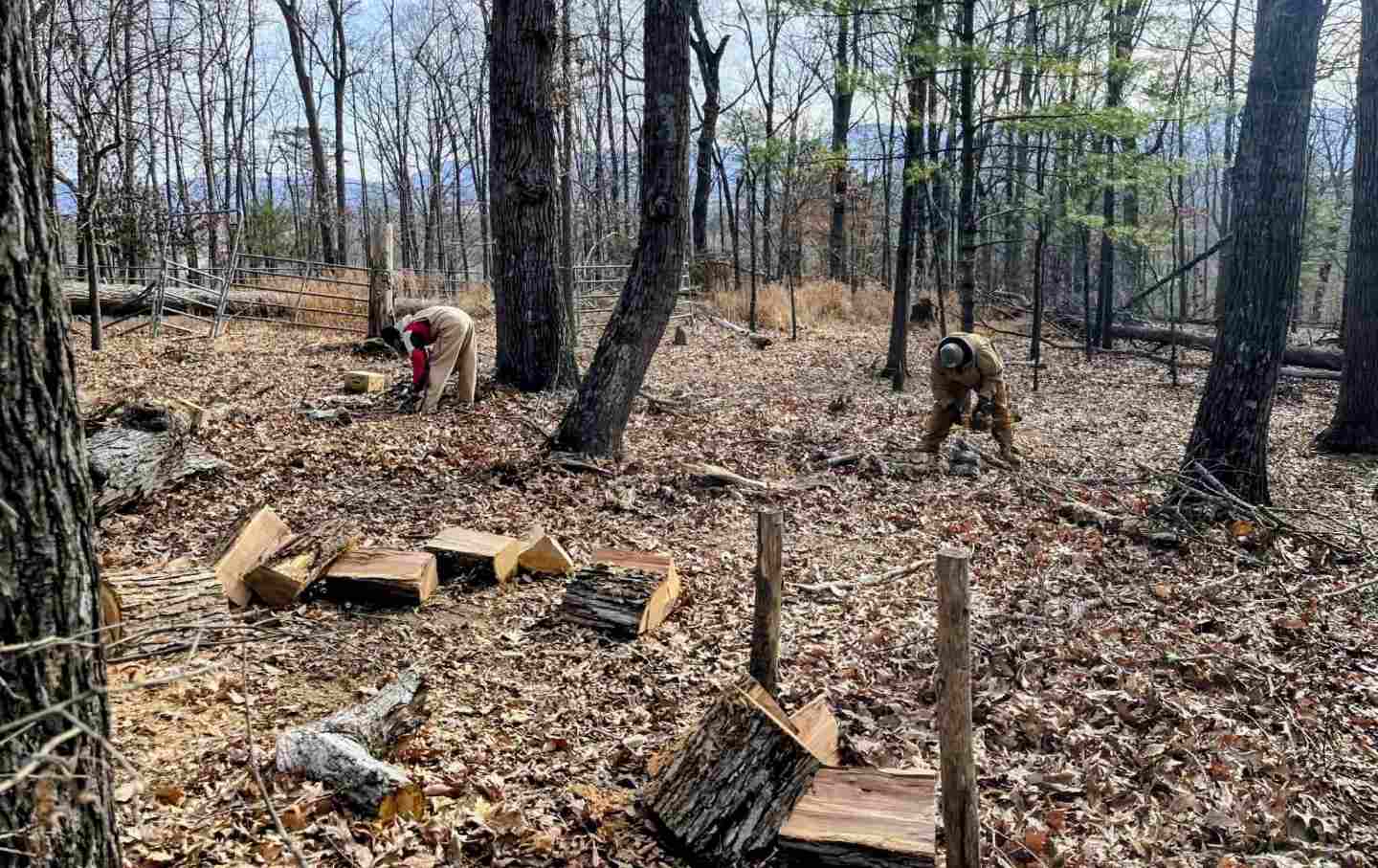
Bridging the Red-Blue Divide, One Concrete Deed at a Time Bridging the Red-Blue Divide, One Concrete Deed at a Time
The evidence is in: working together to solve local problems reduces polarization.
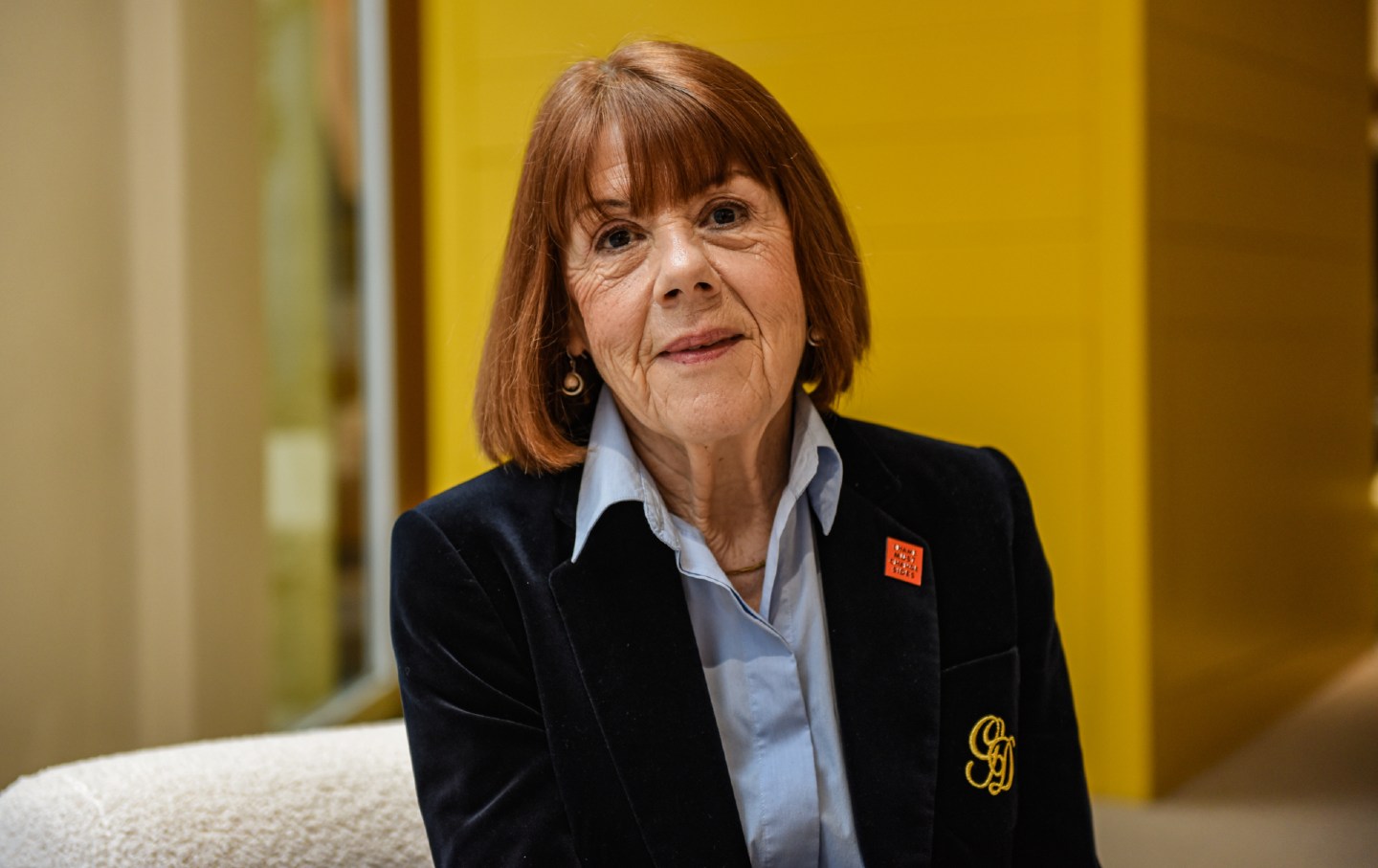
Gisèle Pelicot Shows Us Why “Shame Must Change Sides” Gisèle Pelicot Shows Us Why “Shame Must Change Sides”
Fifty-one ordinary men raped an unconscious woman. Her case reveals the limits of anti-carceral feminism.

In Defense of Being Performative In Defense of Being Performative
The critics of “performative politics” misunderstand something fundamental: Democracy survives only when citizens perform it.

Iftar With the Knick and the Mayor Iftar With the Knick and the Mayor
In a union of religion, culture, sports, and politics, a rookie for the New York Knicks broke bread with the youngest mayor in the city’s modern history.

