We’re Living in an Age of Scams
The anonymity of the Internet makes us all vulnerable to being swindled—and it’s making us trust each other less.
In the past year or so, I have been scammed so much! A check I sent was stolen from the mail and “checkwashed”—the thief changed the addressee and deposited the check. Purported Microsoft employees tried to get control of my computer by claiming it was about to self-destruct. (My husband almost fell for that one.) I got numerous realistic-sounding robocalls asking for donations to charities that probably don’t exist. Women with lovely telephone voices claimed to have discovered my 2009 book of poems and told me their companies could make it a big commercial success. (Good luck with that!) Just last week, I received what looked exactly like a notice from PayPal notifying me that I had ordered $465 of bitcoin. When I called to say there was a mistake, a very polite and friendly older gentleman tried to interest me in buying bitcoin and was happily explaining what it was when I hung up on him.
These scams can have personal consequences. The checkwashing took Citibank months to clear up. It required closing down my account and opening a new one, which caused an endless headache, as well as numerous in-person visits to the bank. The worst consequence, though, is something more serious: the loss of social trust. I’m now afraid to put checks in the mail and try when I can to disguise them as birthday cards. I never donate over the phone. I don’t participate in telephone polls. I used to rather enjoy that, but now I just wonder who’s asking and what nefarious schemes they could be up to. Every time I make one of these defensive moves, I feel myself becoming a more suspicious person, as if the world were full of dishonest people out to get me. And I really hate feeling that way.
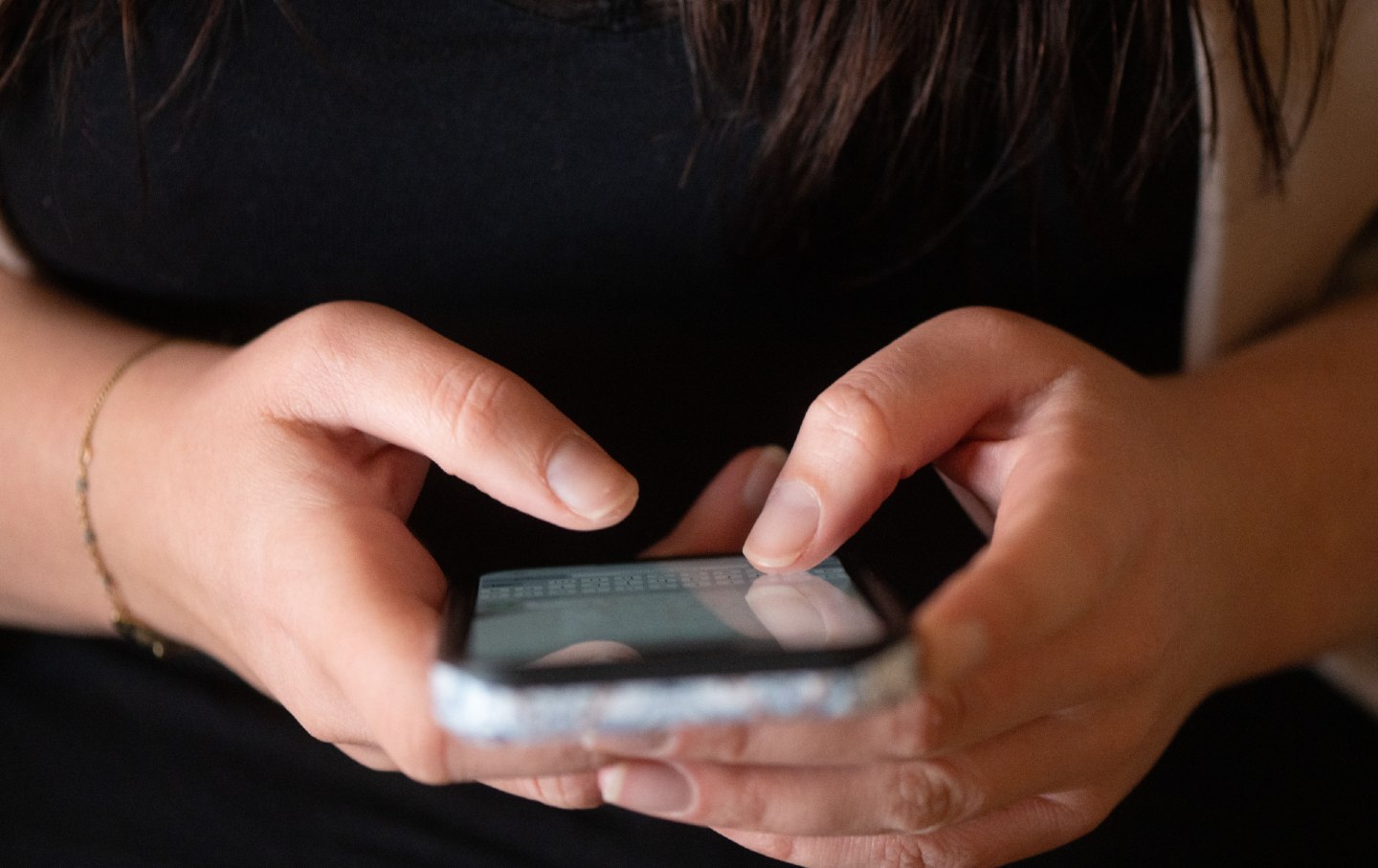
True confession: The other day, someone impersonating an old classmate sent me an e-mail and, claiming that her credit card had been declined, asked me to send birthday gift cards to “Paulette Potter,” her friend with liver cancer. (She was going to pay me back on Friday.) I ended up sending “Paulette” $250 in DoorDash cards, even as I was thinking: Wow, that’s a big birthday present, and I wonder why my classmate asked me instead of someone she knows better, and why is her e-mail so uncharacteristically curt? (Well, she was in the hospital with a broken femur, so maybe she’s a bit woozy from pain meds?)
As soon as I clicked “send,” it was as if a spell had been broken. I noticed that the e-mail address was one my classmate hadn’t used in a long time, and when I e-mailed her at her newer one, she said her friends were all being targeted by the same person—who promptly wrote to me requesting another $200!
I will say in my own defense that the Internet has made communication so frictionless, and sending money so easy, that fooling someone need only take a minute. The days of eloquent Nigerian princes are apparently over. And the scammers are very good at distracting their targets: the classmate in the hospital, the friend with liver cancer, the urgent need to give right away—it was the poor woman’s birthday! Maybe it’s not surprising that empathy overrode skepticism for just long enough to put in my credit card details. The Internet is so pervasive, and so invasive, that one can easily get a bit befuddled. (Not you, of course, dear tech-savvy, worldly-wise reader.)
Of course, I should be more alert. But I don’t want to be one of those negative, grouchy people who take joy in pointing out all the ways the helper is being taken advantage of, is actually making things worse, and is a stupid libtard. I’ve read many arguments against giving to homeless people, for example, and they all seem to boil down to “it only encourages them.” I don’t care if some of them really do have places to sleep, or more resources than it seems from their clothes or condition. To me, it makes more sense to assume that someone wouldn’t be begging on the street if they had an alternative. Maybe I’ve been wrong a few times, but I think it’s better to be scammed once in a while than to withhold help from a person in need. Indeed, so much of our tattered safety net requires people to jump through so many hoops—endless forms to fill out for a place to stay, useless job searches just to get some food stamps—that many give up. Sadly, and appallingly, that may be the intended result.
In the Sermon on the Mount, Jesus said, a bit cryptically, “Let not your left hand know what your right hand does.” He meant that we should give help in secret, not to get praise or attention. For the longest time, I misunderstood—I thought he meant: Don’t keep close track of what you give; just do it and move on. I think my misinterpretation isn’t such bad advice either, but it works only when there is trust. When you start to feel beleaguered by too many crooks with a talent for manipulation, when you feel your good nature is being exploited too easily and too often, you start wanting to put that helping hand right back in your pocket.
I’m promising myself to be more careful—to check the e-mail address before sending the money, not afterward—and less impulsive. As my very sensible daughter said, “If my credit card wouldn’t let me send my sick friend a present on her actual birthday, I wouldn’t dream of asking someone to do it for me. I would just write her and say her present would be a little late this year.” Why didn’t I think of that?
My credit card company erased the charges, but I was so mad that I wanted to sit down and explain to this “Paulette Potter” why her little theft was actually very important. I wanted to tell her that she was destroying solidarity and community and trust between people, and without that, how could we rely on each other? How could we go on? Don’t do it, said my husband. The more attention you give her, the more likely she’ll start targeting your friends.
The worst part is, he was probably right.
Become a Sustaining Donor This September
Between the reemergence of right-wing red-baiting and Donald Trump’s use of the chilling National Security Presidential Memorandum–7 to criminalize left political organizing, we’re seeing McCarthyism reborn before our eyes.
This assault on democracy cannot be ignored or wished away. Resisting it requires bravery in the face of threats and repression, a steadfast commitment to the truth, and the unwavering belief that we can—and will—overcome this darkness.
We must have an independent media that sets the record straight, unearths corruption and abuses of power, and advances a politics of justice and dignity for all if we’re to win this fight.
That’s why I’m writing to you today. This September, The Nation needs to add 100 monthly donors to sustain our progressive journalism. Your contribution makes the next investigative report, the next truth-speaking column, and the next pathbreaking essay all possible.
I hope you’ll support our work with a recurring donation today. If you donate $10 or more a month, we’ll send you a brand new “Hands Off the Free Press!” sticker to recognise your commitment to our cause. Please, donate today.
Onward,
Katrina vanden Heuvel
Editor and Publisher, The Nation