Who Decides What Matters? The Jensen Huangs of the World or the American People?
Why we need greater democratic control over how society’s vast wealth is invested.
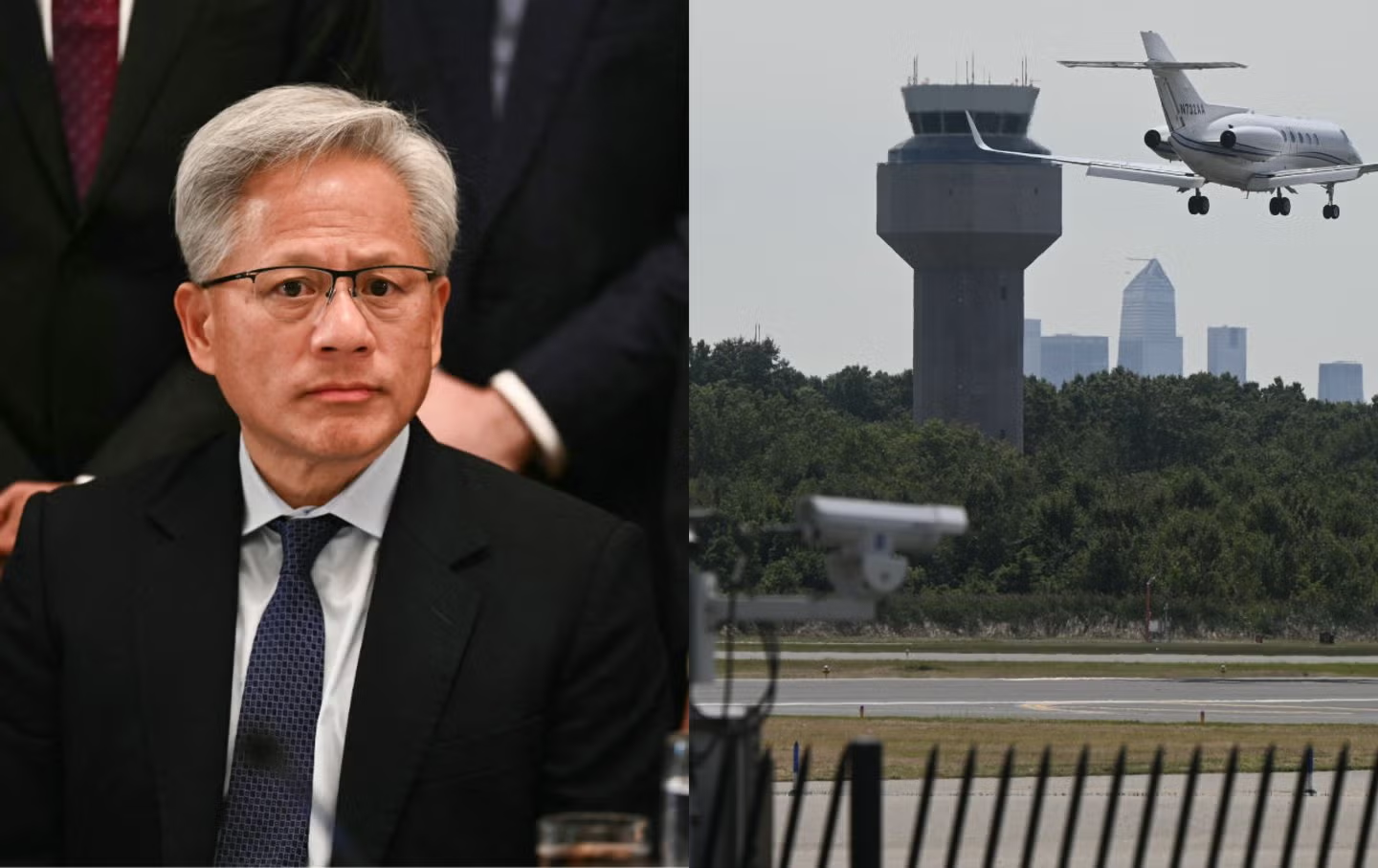
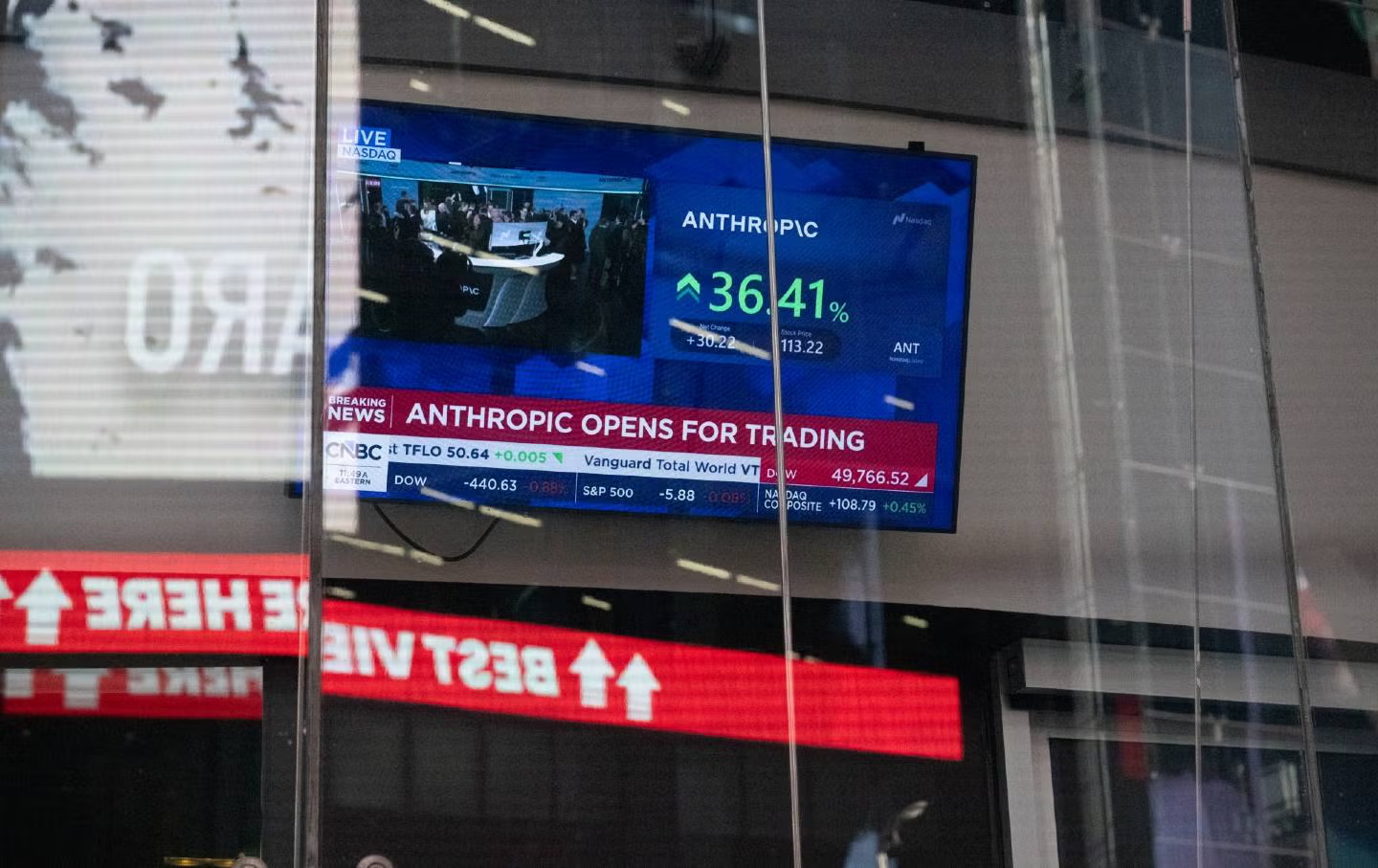
Two seemingly unrelated scandals captured the country’s attention last week: Jensen Huang’s downfall as CEO of Nvidia following an alleged honey trap, and a technical glitch that led to the sudden grounding of all flights in the United States. The impacts of both scandals are stunning on their own, but their juxtaposition—of cutting-edge technology against technological obsolescence—underscores a profound imbalance at the heart of our capitalist economy.
There is much to unpack in the Nvidia scandal beyond the sex and espionage: a single individual, a centibillionaire, running a multitrillion-dollar enterprise as if it were a small business, yet one that is at the center of an AI bubble whose bursting could reverberate throughout the global economy. Nvidia’s monopolistic control over a vital technology places it at the very core of the promised AI revolution. Where will that technological revolution lead? Will AI cure cancer or lead to human extinction? The possibilities appear endless. As the acronym has it: FAFO.
Meanwhile, in the skies, actual lives are already at stake, with over 3 million people flying in and out of US airports every day. No tech revolution here: These lives rely on copper wires and (only recently retired) floppy disks, technology said to hark back to the 1980s. The risk here is not hypothetical. Besides the numerous near misses, 67 lives were lost last year in the nation’s capital when a passenger plane collided with a military helicopter.
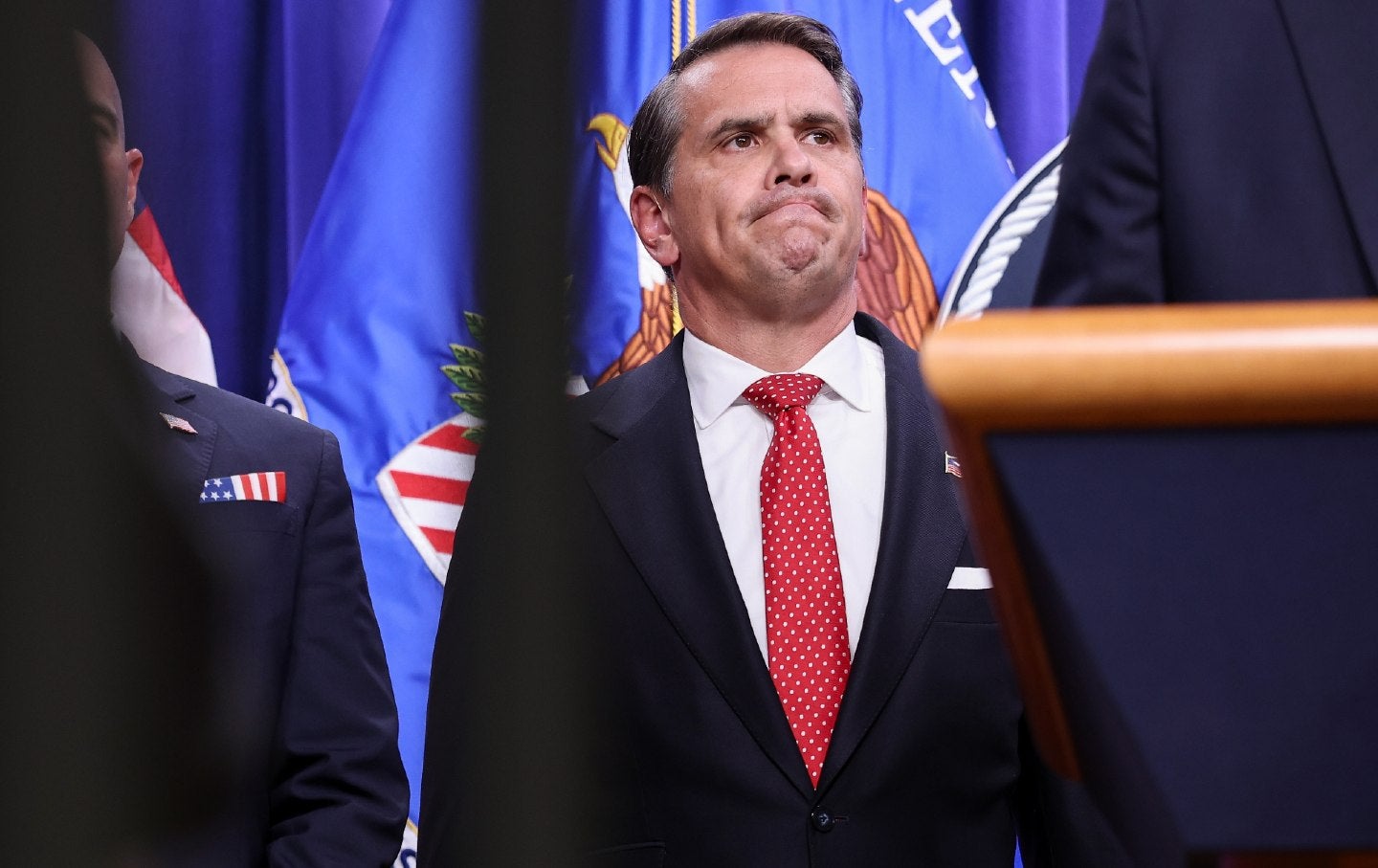
Avoid the distraction of Trump’s incompetent appointees’ failing to reassure us about the safety of air travel, or the partisan recriminations over funding for the FAA in Washington. Both miss a larger point: Who ultimately decides what matters most?
If one were searching for a succinct definition of capitalism, two words might suffice: “Capital decides.” Capital decides where investment should flow and what is considered “valuable,” as capital inevitably seeks to amass yet more capital.
The alternative is greater democratic control over how society’s vast wealth is invested, shifting it toward the values that the public holds dear.
As I write this in Washington, DC, I hear planes taking off from that same airport where those 67 lives were lost. That airport is named, ironically enough, for Ronald Reagan, the president who fired striking air traffic controllers in 1981. The air traffic controllers then were demanding not only better pay but also an end to outdated equipment, chronic understaffing, overlong hours, and workplace stress.
The crushing of that strike decimated America’s labor movement—one of the few checks on the power of capital—and ushered in the era of neoliberalism, freeing markets from government regulation so they could invest wherever the profits are greatest. Hence the world we live in now.
How different would our world look if people could vote on how trillions are invested?
Should they go to data centers? Based on the midterm elections, the votes on that score are already in. Or should investment go to ensuring safety in the air? How about healthcare for all? Or perhaps retiring some of the $1.7 trillion in student loan debt? As we imagine the possibilities, there will be inevitable limits and trade-offs. But let the deliberations begin.
Then again, we can continue to trust the brilliance of people like Jensen Huang to make those decisions for us. Will AI lead to a bright new economic future for all or a job apocalypse? Let’s FAFO!