Democrats Are Learning a New Political Language
Candidates in 2026 are responding to an electorate that’s ready to abolish ICE, tax the billionaire class, and free Palestine.

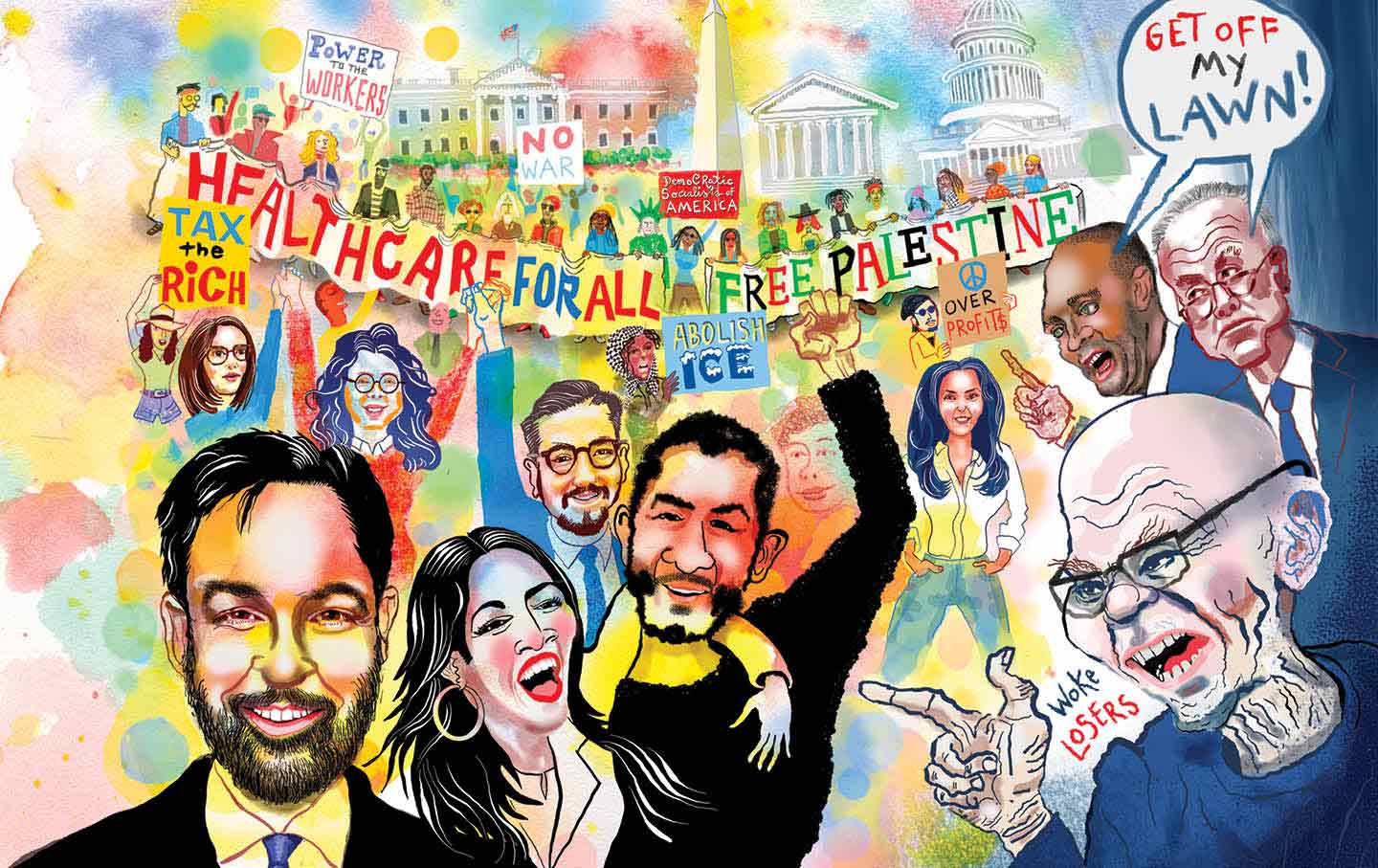
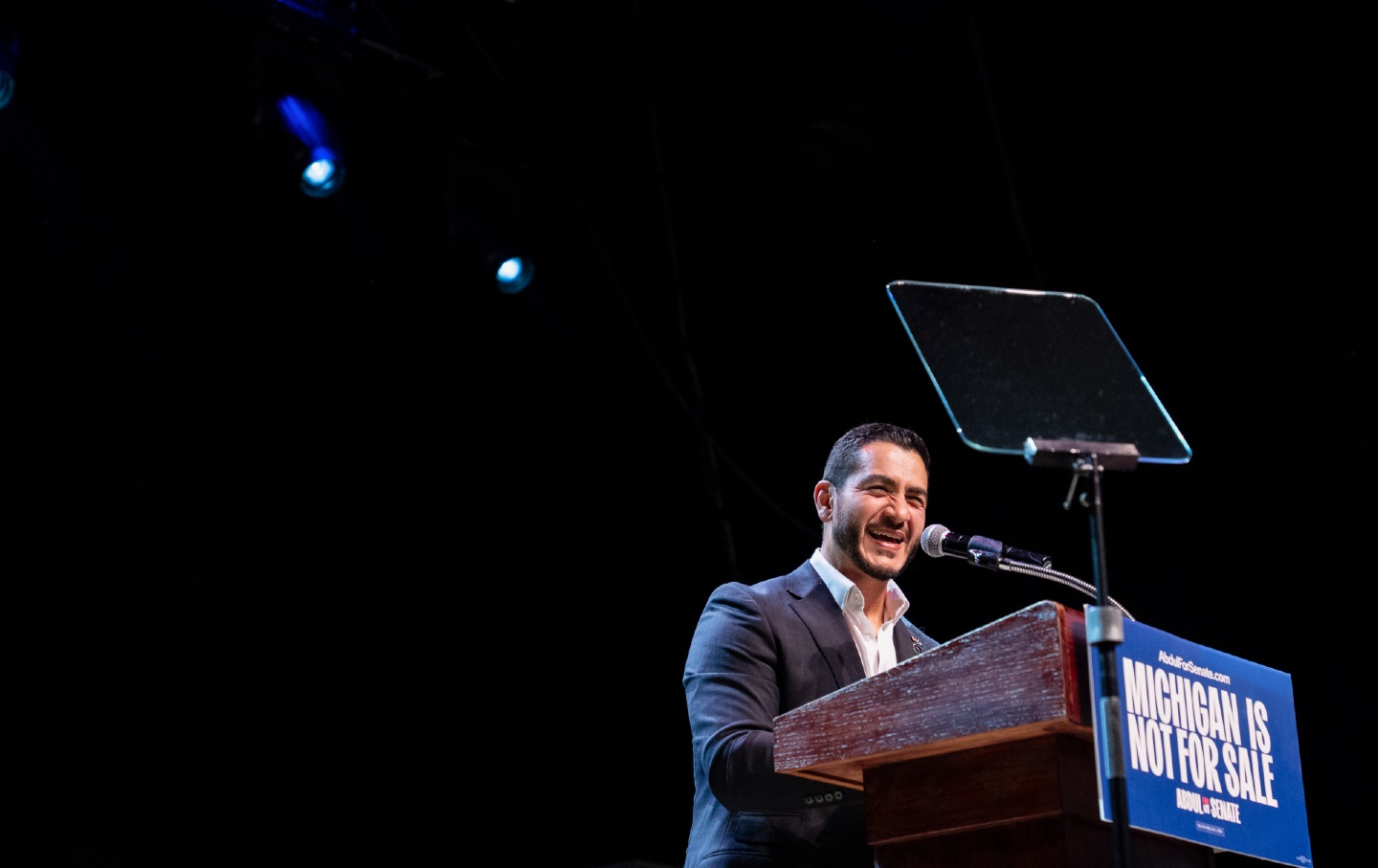
The 2026 campaign has given American politics a new language, as Democratic candidates in high-stakes US Senate races have rejected poll-tested caution in favor of a bluntness that upends the narratives of campaign consultants and status-quo pundits. In Texas, Senate candidate James Talarico has been telling voters, “The only minority destroying America is the billionaires. Trans people are 1 percent of the population. Muslims are 1 percent of the population. Undocumented people are 1 percent of the population. We are focused on the wrong 1 percent.” And when Texan Elon Musk grabbed the next rung on the wealth ladder, Talarico declared, “The reason poverty exists in the wealthiest country on earth isn’t because we can’t feed the poor—it’s because we can’t satisfy the rich. We should tax trillionaires out of existence.” When Florida’s Angie Nixon was asked about the Israeli assault that has killed close to 75,000 Palestinians, she replied, “Based on my understanding of the definition, what’s happening over there is in fact a genocide.” In Michigan, Abdul El-Sayed told the developers of AI data centers: “You cannot touch our water in any way, shape, or form.”
Every election cycle has its own dynamic. This year’s competition is influenced, of course, by the clear need to elect a Congress that will check and balance Donald Trump’s wrecking-crew presidency. But the 2026 dynamic involves more than merely campaigning against lawlessness on a scale that would make Richard Nixon blush.
This election season has seen a seismic shift, with the emergence of new issues and new ways of talking about old issues. A fresh generation of progressive candidates (and the young voters who have responded to them) is focused on ending the status-quo politics that have saddled this country with policies that are literally designed to take from the poor and give to the rich, with a foreign-policy “consensus” that funds genocide, and with bipartisan political elites who are so indebted to corporate power that they were surprised when Americans demanded data-center moratoriums and sweeping regulation of the AI companies that threaten us with mass unemployment, mass surveillance, and mass extinction.
This issue goes to press in a preelection moment. We recognize that immense spending by Trump-aligned billionaires, AI oligarchs, and crypto crony capitalists could shore up Republicans who deserve to lose—creating a red undertow to the blue wave that Democrats anticipate. But 2026 has already shown some promising results.
Despite Trump’s fanatical maneuvers to distract the electorate and his serious threats to erect barriers to free and fair elections—not to mention a campaign that was supposed to be easier for Republicans thanks to gerrymandering, voter suppression, and campaign-finance advantages—everything looks to have gone bad for the GOP, even in once reliably red states like Iowa and Ohio. Voters are desperate for relief from the economic pain created by Trump’s disregard for inflation and chaotic tariff policies, for an end to the disastrous war with Iran, and for a halt to the deadly assaults on communities that peaked with the ICE shootings in Minneapolis but have not ended.
If Democrats retake the House, and possibly the Senate, they can use the power that the US Constitution affords the legislative branch—especially when it comes to oversight, investigations, and accountability—to pressure this administration to change course.
But Democrats themselves must also change. This election season has provided a wake-up call for the party. Primary voters turned out incumbents who were not listening to the cries for an end to US aid to Israel abroad and for Medicare for All at home. During the fall campaign, insurgent Senate candidates such as El-Sayed, Nixon, and Peggy Flanagan in Minnesota, along with House contenders like Michigan’s Will Lawrence and state candidates like California insurance- commissioner prospect Jane Kim, have attracted new voters—young people, independents, even some disappointed Trump backers—by breaking the boundaries of American politics.
Democratic Party leaders and strategists must do the same. They must embrace the lesson of 2026, recognizing that what was once dismissed as radical—regulating AI and corporate power, abolishing ICE, establishing Medicare for All, ending military aid to Israel and stopping forever wars, and taxing the billionaire class without apology—is rapidly emerging as the commonsense politics of our time.