Who Will Win Big at the Oscars?
It’s that time of year again.
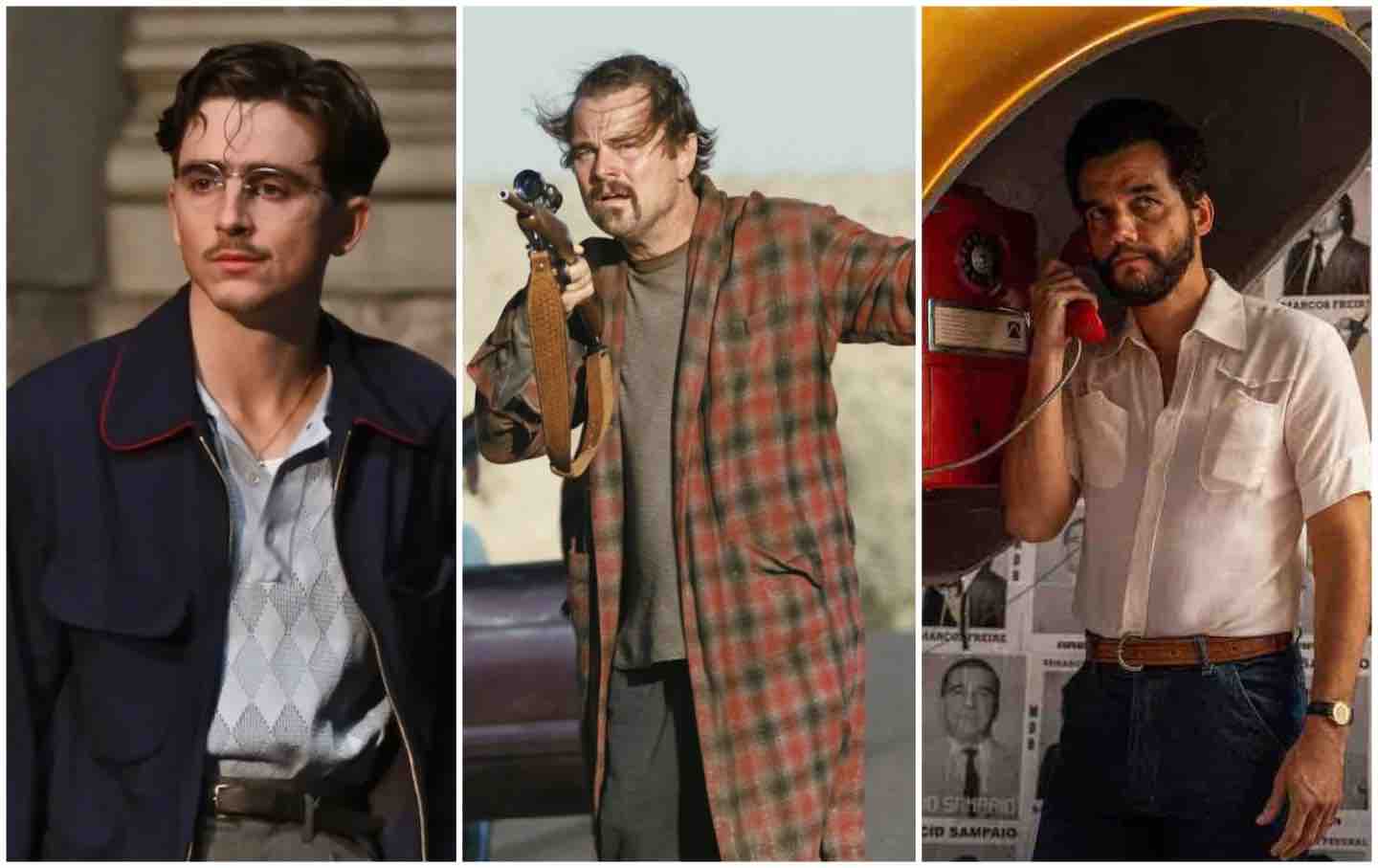
This weekend is Oscar weekend. Your guess is as good as ours as to who the night’s winners might be, but here are some of our favorites among the nominees.
Secret Agent
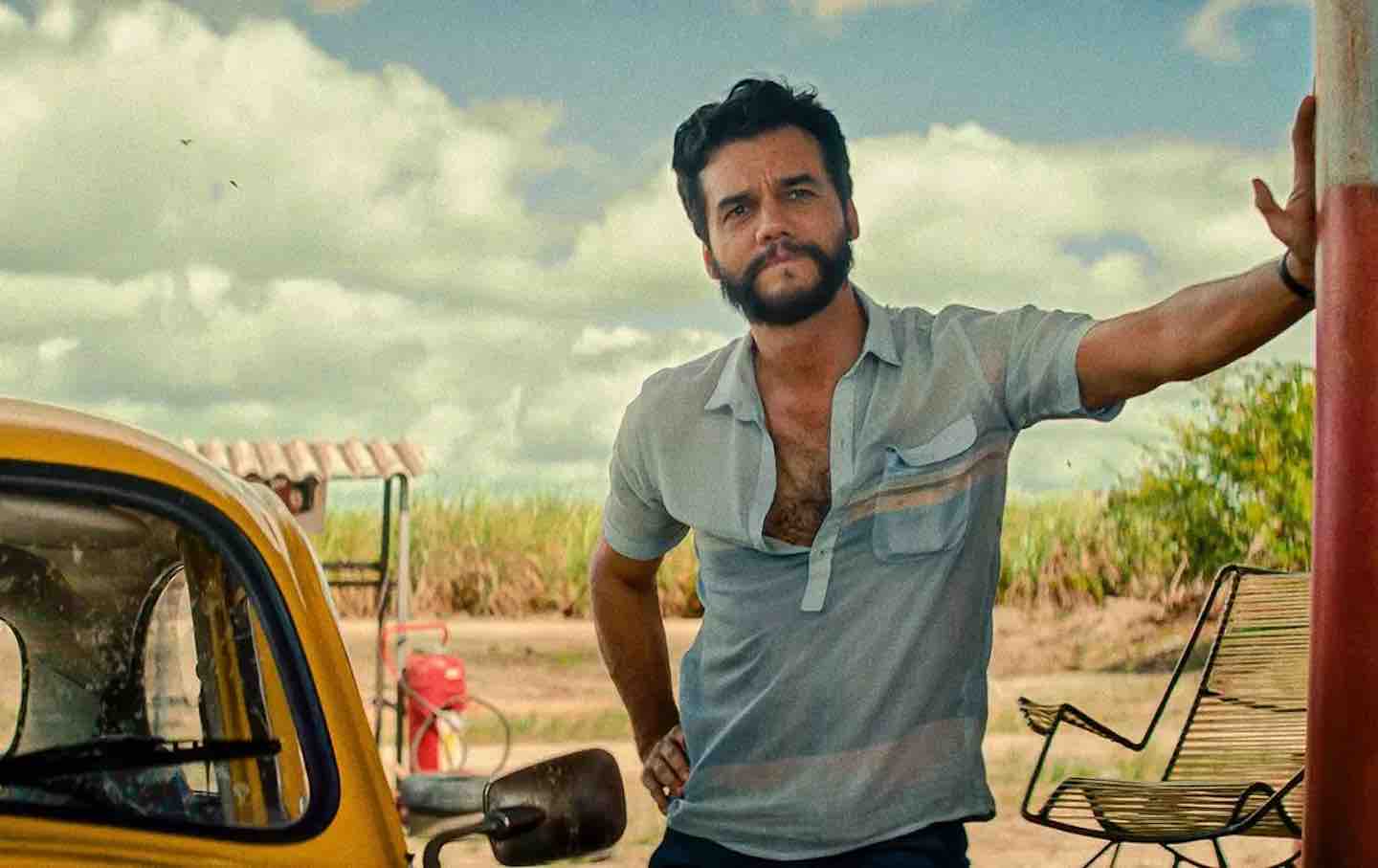
Vikram Murthi: From its opening scene—a shakedown of Armando Solimões (Wagner Moura) by local authorities at a rural gas station—Kleber Mendonça Filho immerses viewers in a world of casual corruption and clandestine violence endemic to authoritarian rule.
One Battle After Another
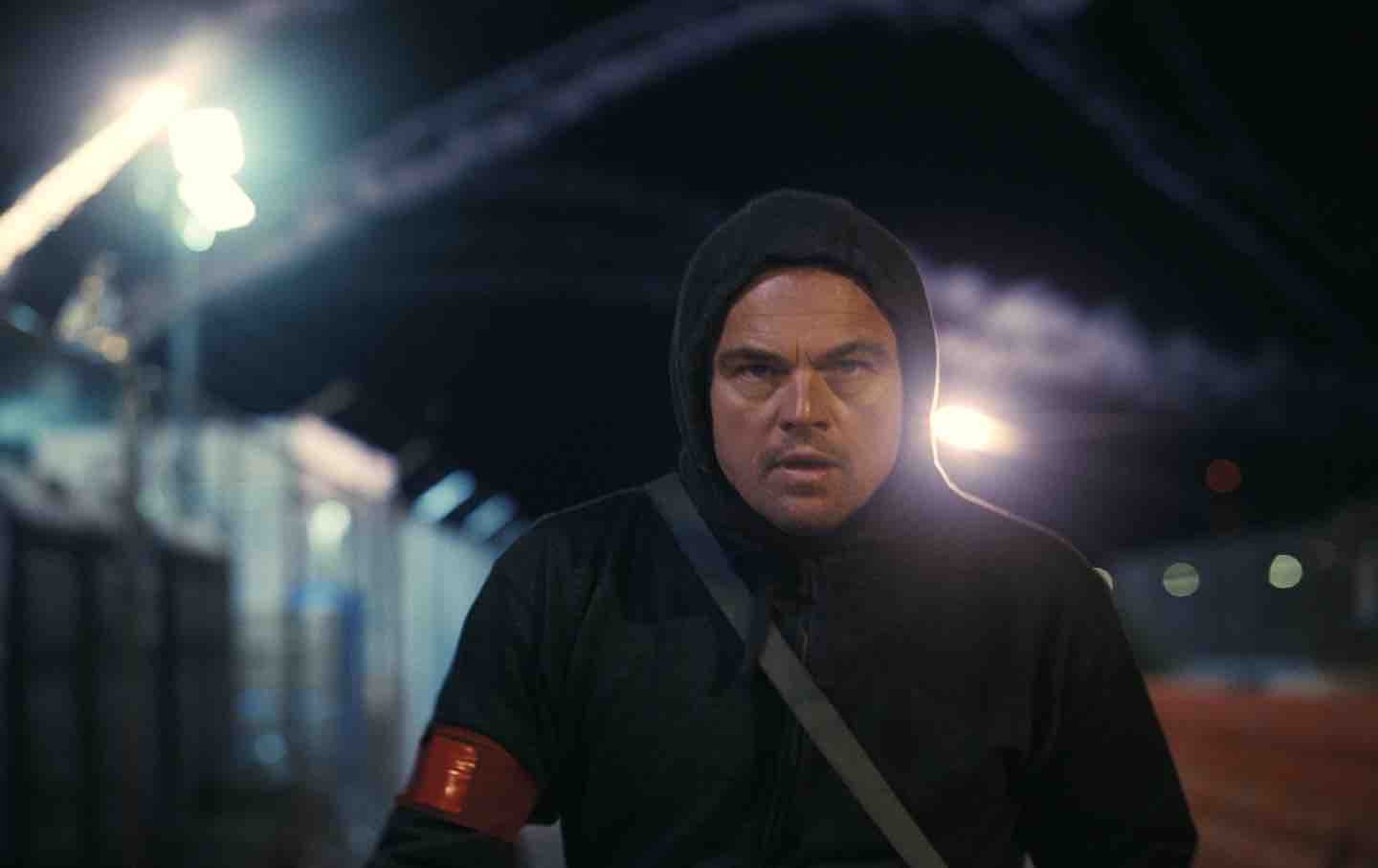
John Semley: At first blush, Pynchon’s Vineland seemed unadaptable in a contemporary context…but Paul Thomas Anderson’s film proves that these more central divisions—between freaks and squares, parents and children, the rigid brokers of authority and subversive agents of liberation—can be mapped across American history.
Sinners
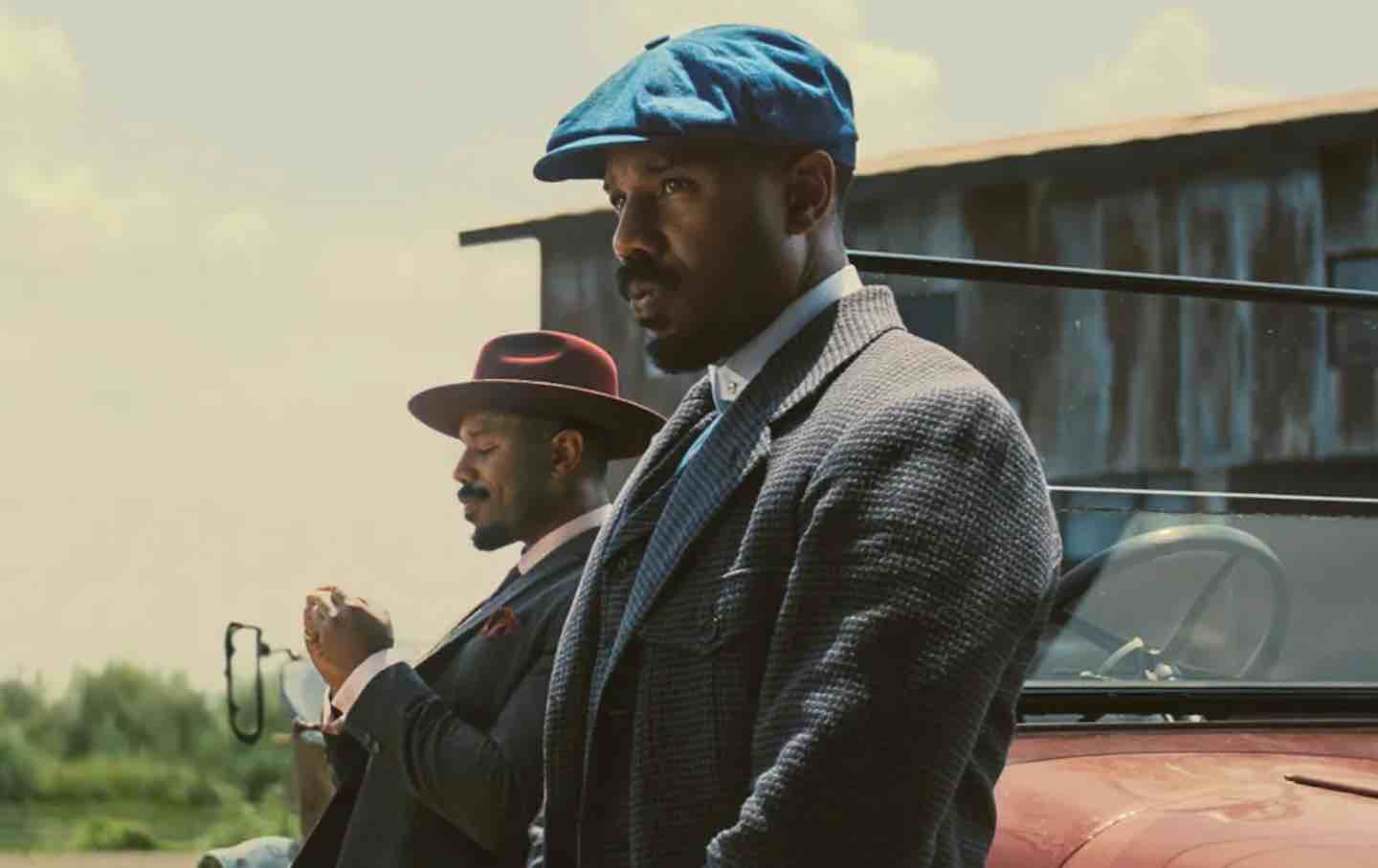
Stephen Kearse: Vampires, with their transgressive hunger for flesh and obsession with progeny, prove to be a potent vehicle for Ryan Coogler’s fascination with bloodlines. Although he doesn’t quite reinvent the classic creature, and his ambition gets ahead of him, the world into which he unleashes his vampires is rich with tensions and history.
Sirāt
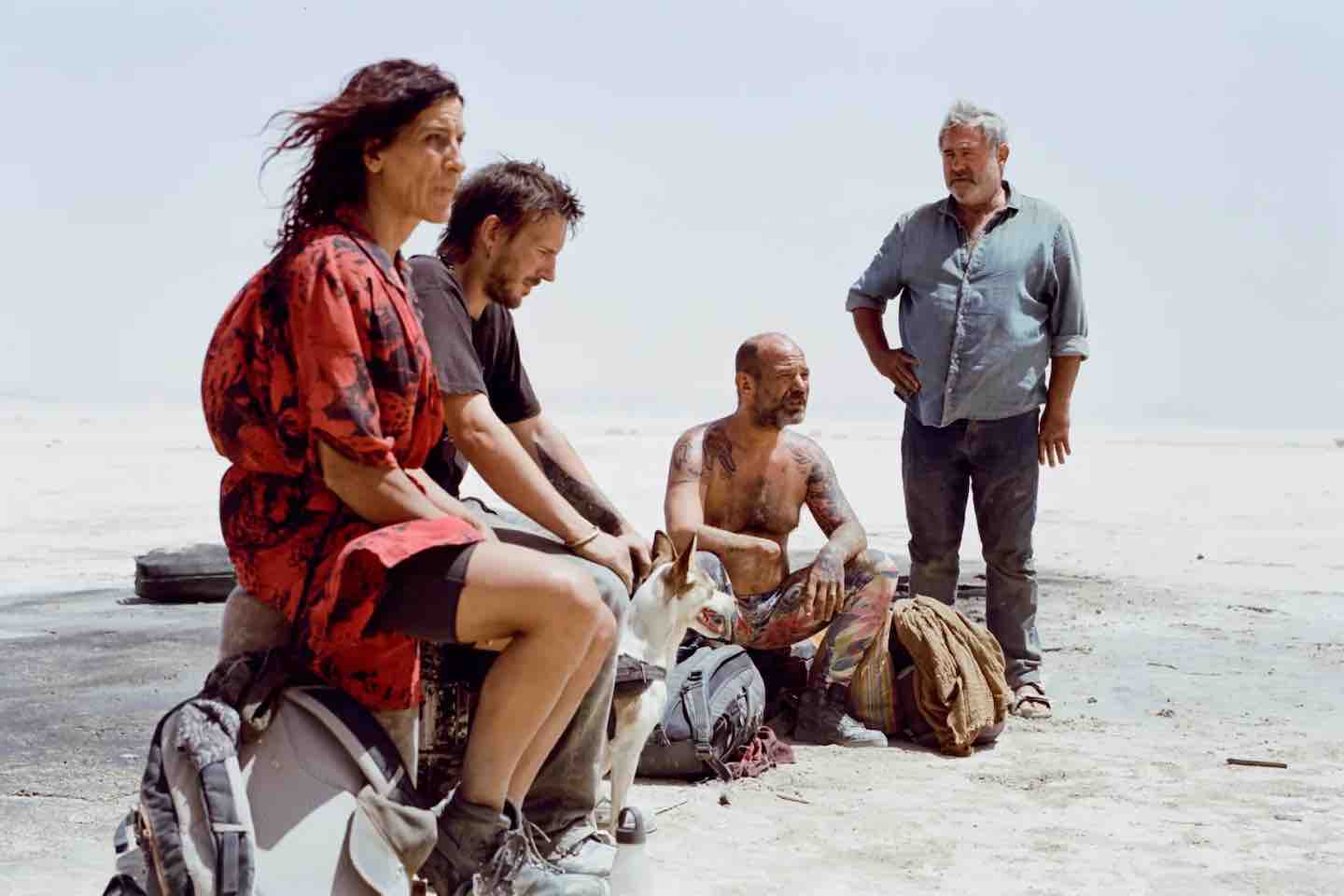
Vikram Murthi: The ravers in Sirāt have learned the hard way that traditional social structures were never designed to save them. They must rely on themselves.
If I Had Legs I’d Kick You
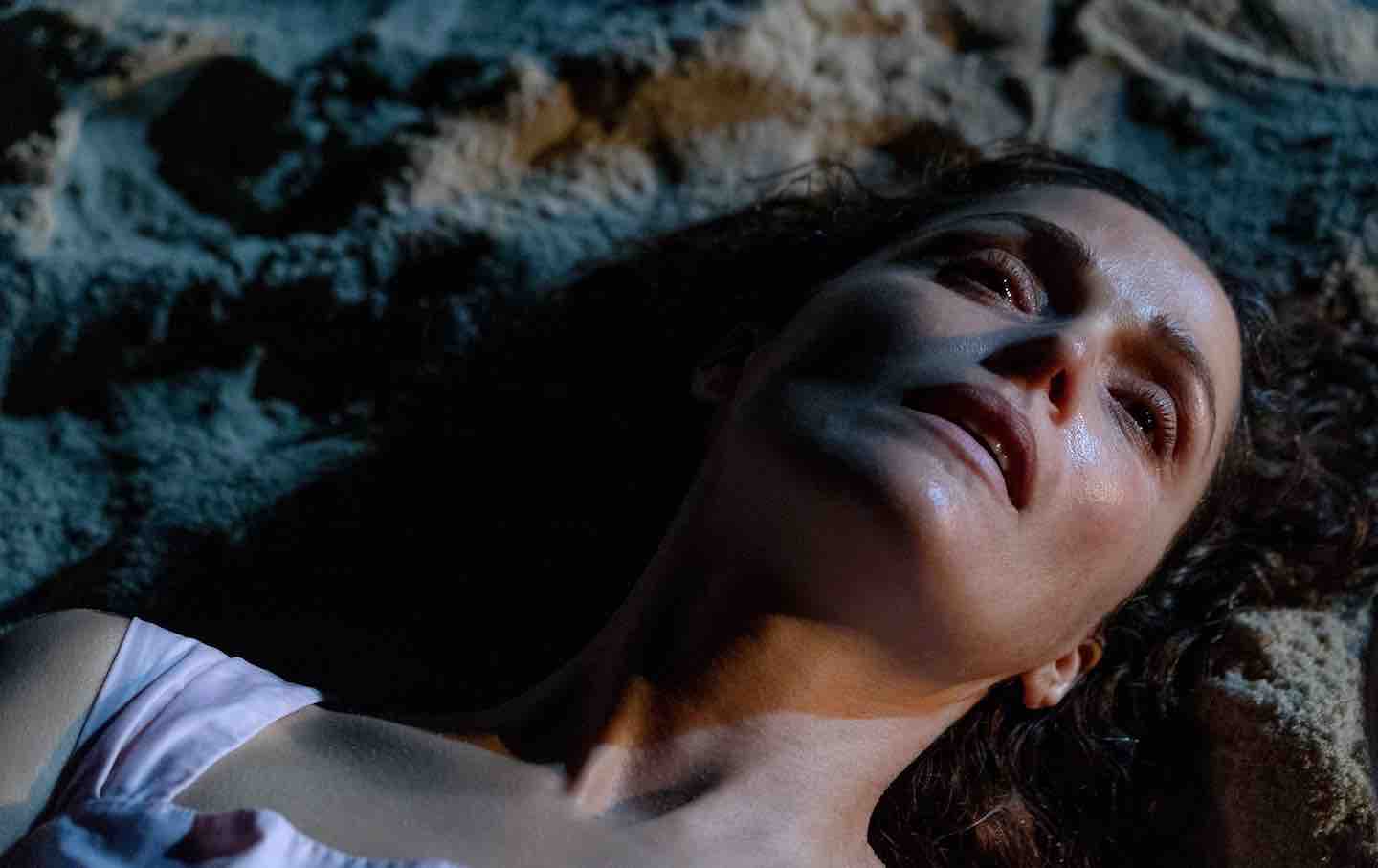
Beatrice Loayza: If I Had Legs I’d Kick You endorses the well-seasoned argument that women will be judged more fiercely than their male counterparts for their parental failures, gesturing at a constellation of such case studies. Yet Mary Bronstein proves less interested in exploring the gender disparity in childrearing, sidestepping a more generic resolution that entails marital reconciliation and an open acknowledgement of the rift.
Marty Supreme

Erin Schwartz: Marty’s real talent: the art of never-ending arbitrage, leveraging each small lucky break toward a bigger and bigger payday. That this produces a cascade of escalating disasters doesn’t dissuade him—it’s all in pursuit of greatness, and if he achieves greatness, it was all worth it.
Sentimental Value
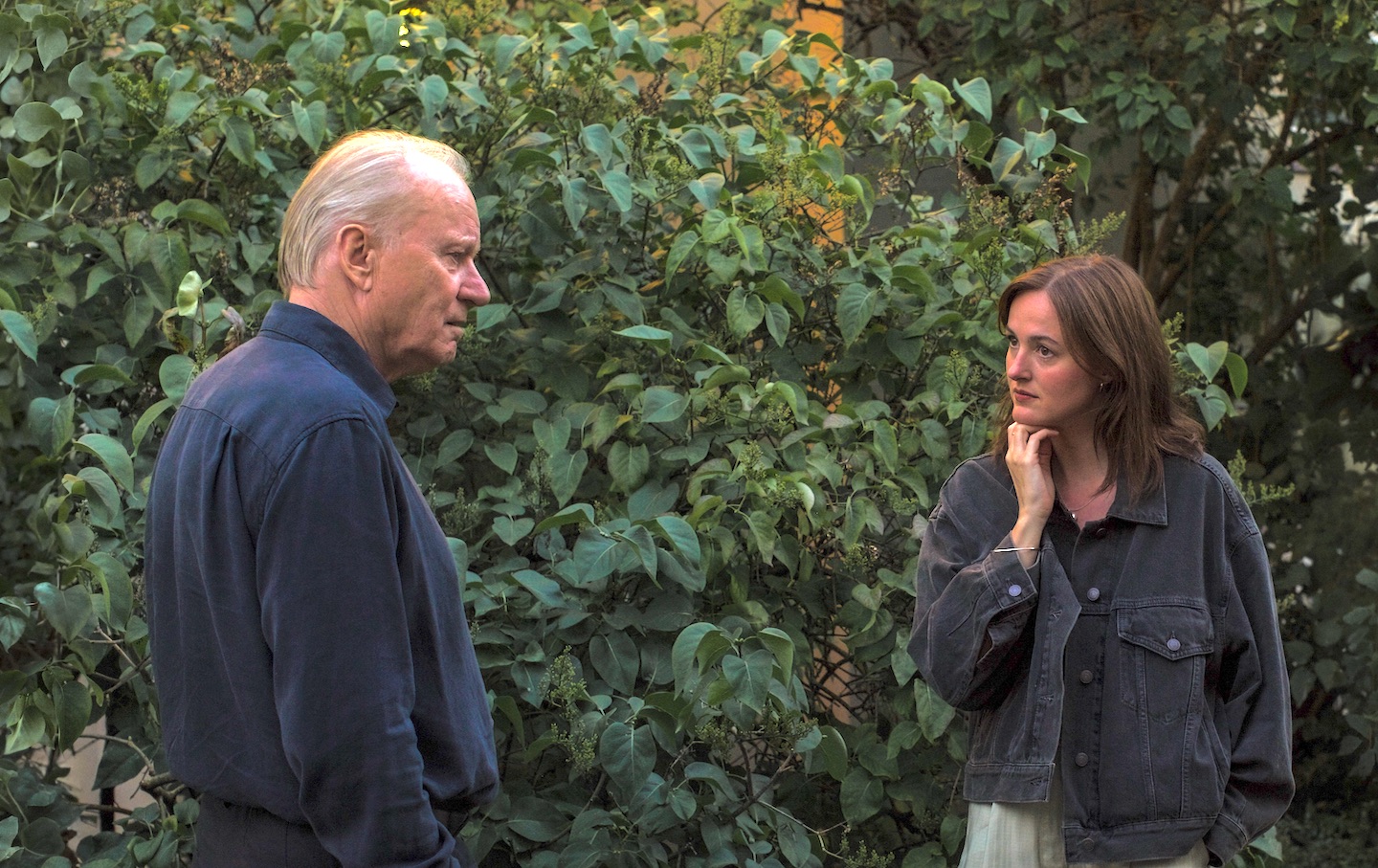
Alana Pockros: With Sentimental Value, [Joachim] Trier makes the case that nostalgia doesn’t have to drag one down but can actually propel one forward.
It Was Just an Accident
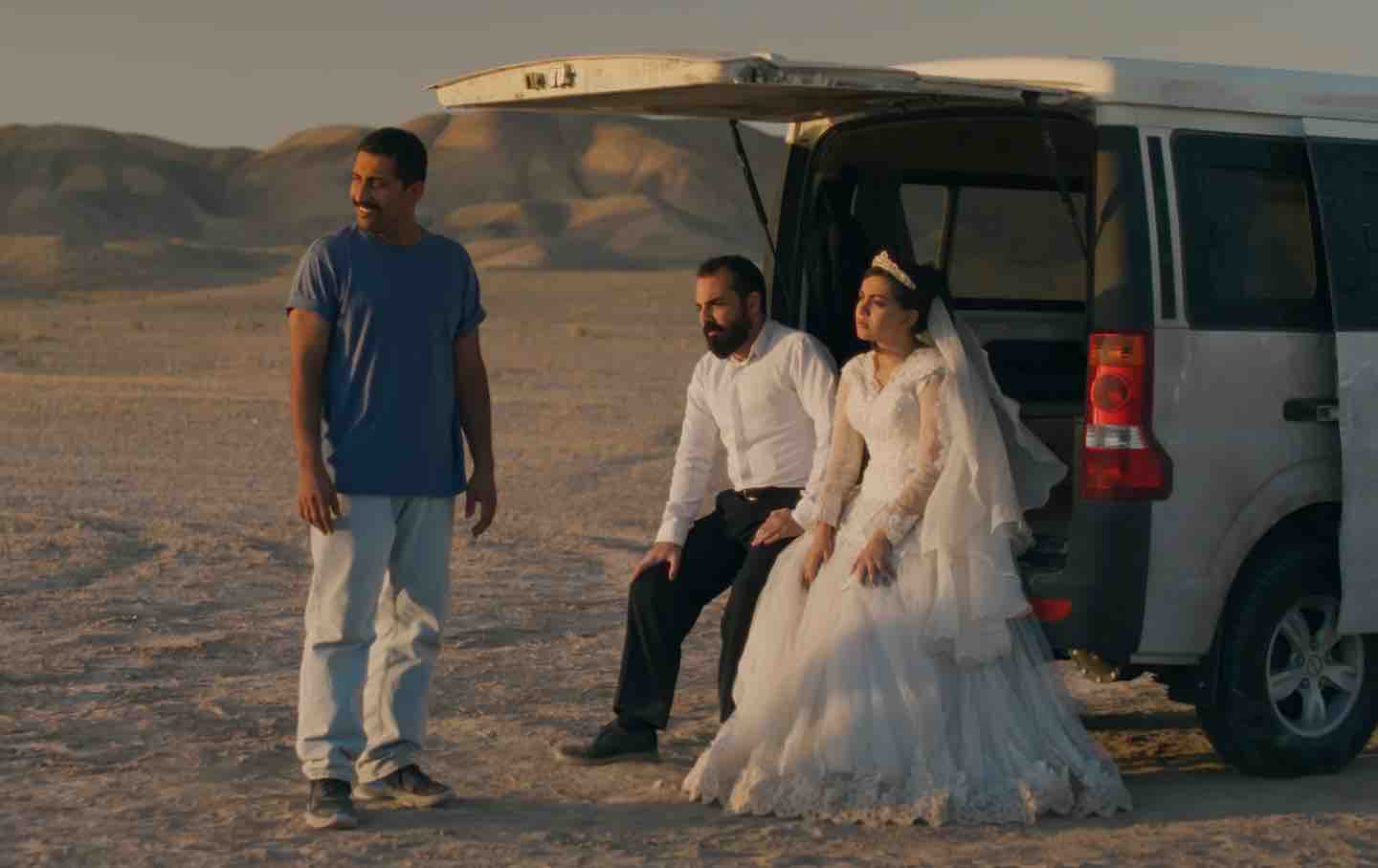
Alex Kong: Jafar Panahi defied the attempts to silence him by making films in secret throughout this time. It Was Just an Accident is no exception: Although it uses many bustling streets in Tehran as backdrops, it was made illegally, without approval from the government.
The Voice of Hind Rajab
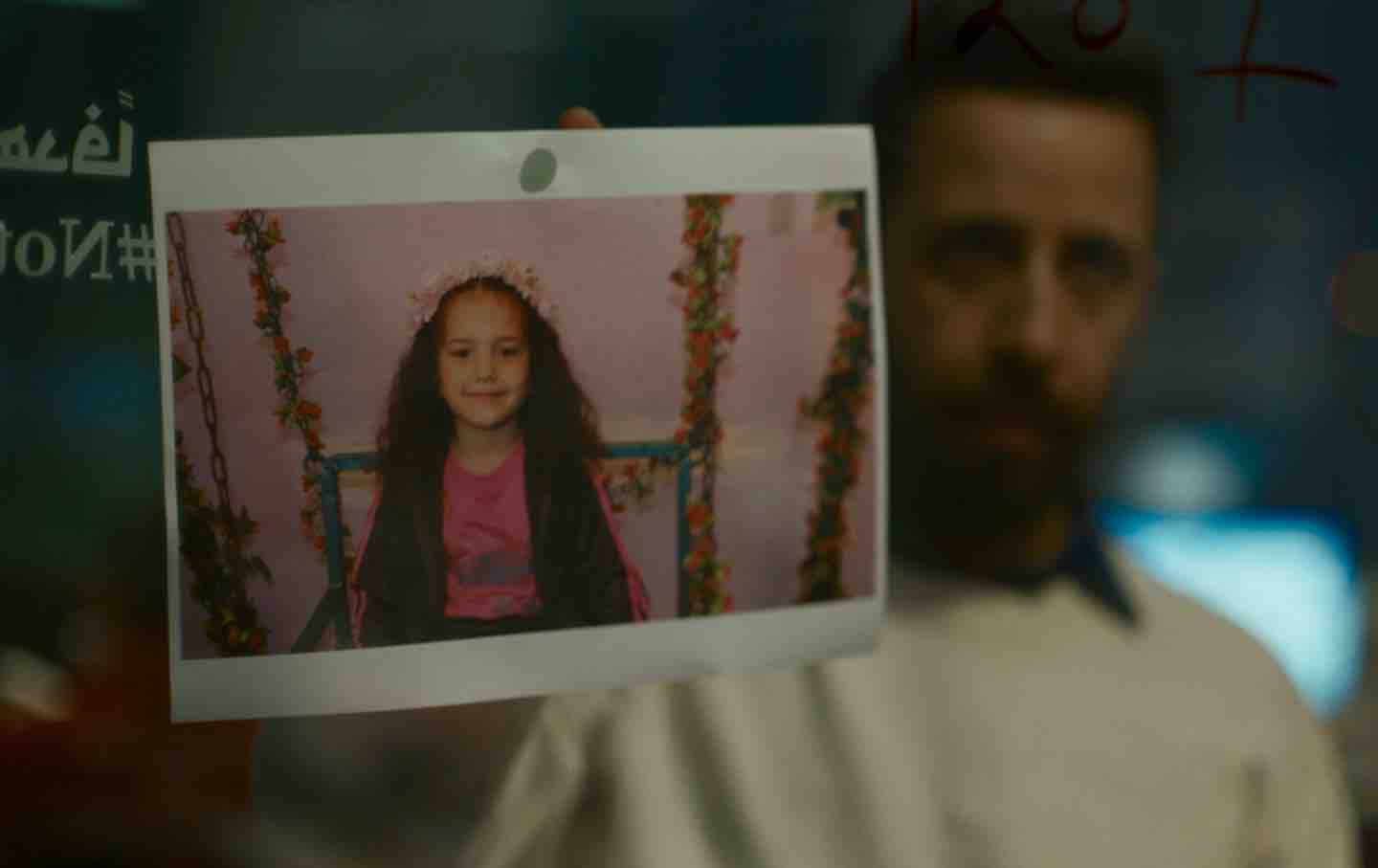
Ahmed Moor: The movie is a work of art—and of humanity. A spare examination of the hours, the eternity, spent by Hind’s would-be rescuers as they speak with the girl and try in vain, hopefully and then hopelessly, to save her life.
Become a Sustaining Donor This September
Between the reemergence of right-wing red-baiting and Donald Trump’s use of the chilling National Security Presidential Memorandum–7 to criminalize left political organizing, we’re seeing McCarthyism reborn before our eyes.
This assault on democracy cannot be ignored or wished away. Resisting it requires bravery in the face of threats and repression, a steadfast commitment to the truth, and the unwavering belief that we can—and will—overcome this darkness.
We must have an independent media that sets the record straight, unearths corruption and abuses of power, and advances a politics of justice and dignity for all if we’re to win this fight.
That’s why I’m writing to you today. This September, The Nation needs to add 100 monthly donors to sustain our progressive journalism. Your contribution makes the next investigative report, the next truth-speaking column, and the next pathbreaking essay all possible.
I hope you’ll support our work with a recurring donation today. If you donate $10 or more a month, we’ll send you a brand new “Hands Off the Free Press!” sticker to recognise your commitment to our cause. Please, donate today.
Onward,
Katrina vanden Heuvel
Editor and Publisher, The Nation