
The Week That Student Journalists Put the Rest of the Media to Shame
Young reporters at WKCR showed what real journalism is all about while their cable news counterparts were uncritically passing along propaganda.
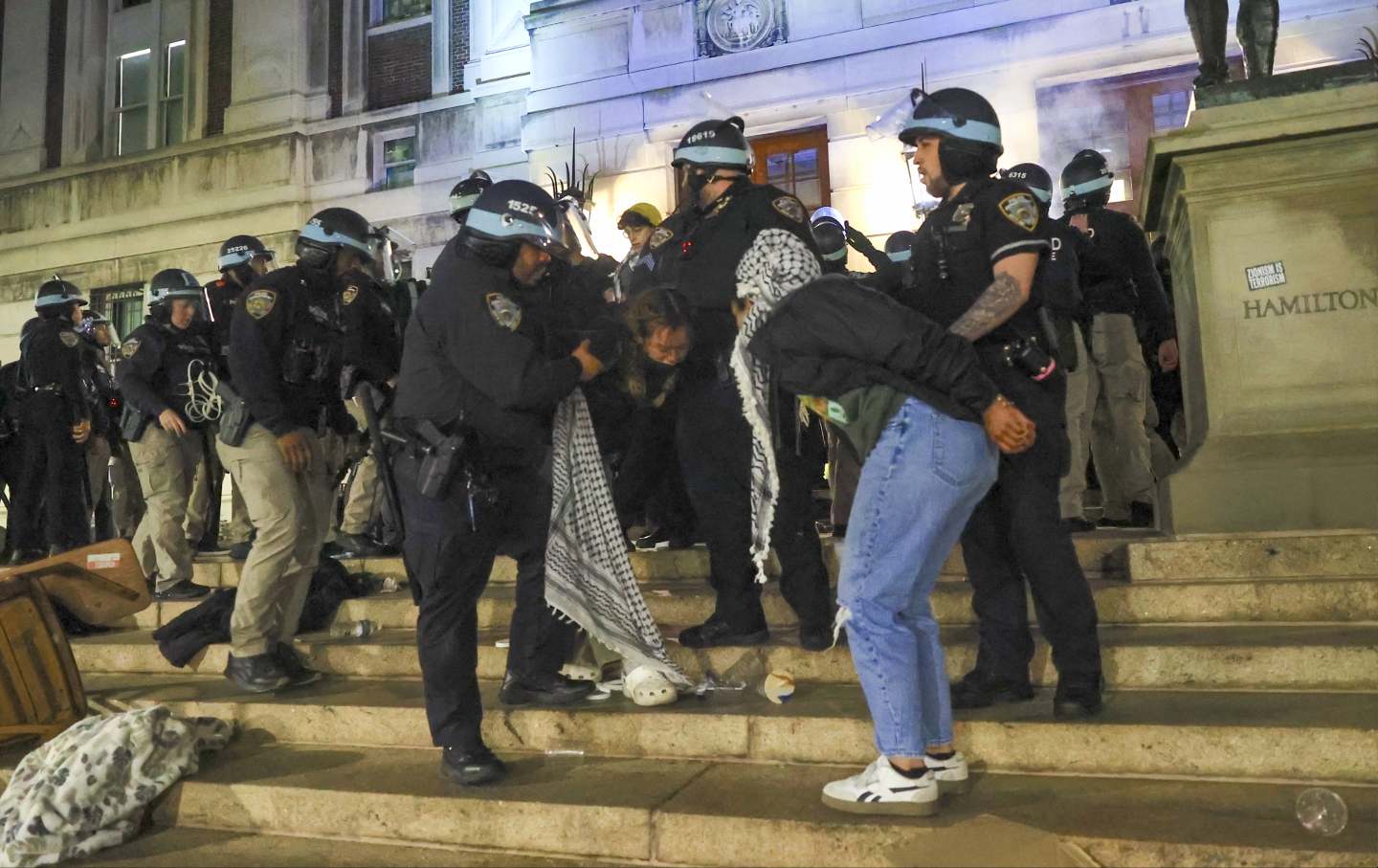
New York Police Department officers detain dozens of pro-Palestinian students at Columbia University on April 30, 2024.
(Selcuk Acar / Anadolu via Getty Images)If you spent Tuesday night listening to WKCR-FM, Columbia University’s student-run radio station, you would have heard journalists describing, in precise, riveting detail, the terrifying invasion of their campus by the New York Police Department at the request of their school’s administration. If you woke up the next morning and tuned in to mainstream news coverage of the exact same events, you might have felt that you had landed in an entirely different world.
The on-the-ground reporting from the WKCR journalists about the NYPD’s militaristic destruction of Columbia’s Gaza Solidarity Encampment—and the forcible removal of protesters who had occupied one of the school buildings—could not be further from what mainstream news channels presented to their audiences. Instead of following WKCR’s careful, rigorous lead, the corporate media repeatedly laundered NYPD and other government propaganda—and in the days that followed, news outlets continued this pattern in their reporting on other protests around the country. These outlets claim to be some of the most trustworthy names in news. They have millions of dollars to spend on reporting. But this week, they were all put to shame by journalists who haven’t even left college.
The mismanagement of the story started right away, as journalists like CNN’s Anderson Cooper began uncritically echoing the assertion by police officials that the protesters had been influenced and infiltrated by nefarious external forces. CNN and local New York reporters also passed along the NYPD’s baseless smear that “the wife of a terrorist” was on campus.
By Wednesday, CNN’s Dana Bash was still suggesting that there were “outside agitators” driving the protests. She had gotten that suggestion directly from New York City’s Mayor Eric Adams, who said in a Wednesday morning press conference, “There is a movement to radicalize young people…. this is a global problem that young people are being influenced by those who are professionals at radicalizing our children.” (Bash played that comment with no follow-up.)
That same morning, NYPD Deputy Commissioner Tarik Sheppard went on MSNBC’s Morning Joe to justify the arrests and fan the flames of the “outside agitators” narrative. Holding up a long chain, he said, “This is not what students bring to school. This is what professionals bring to campuses and universities. These are heavy, industrial chains that were locked with bike locks.” Left unmentioned was the fact that the chain Sheppard was brandishing so dramatically is sold to students by Columbia itself. Morning Joe then tweeted the clip out with no context.
Unsurprisingly, when reporters at a Wednesday morning press conference with Adams and police officials asked for clarification about these details, NYPD Deputy Commissioner of Intelligence and Counterterrorism Rebecca Weiner declined to provide any evidence behind the claim. In the days since, New York City officials from Adams on down have similarly failed to back up the “outside agitators” line.
The most galling thing about these journalistic failures was that they could have been easily avoided. All anyone at CNN or MSNBC would have had to do was listen to WKCR journalists the night before.
Along with illuminating on-ground reporting about the police violence, the journalists also pointed out where the “outside agitators” claims came from, and quickly disproved them. They continuously reached out to their sources to validate that those who were arrested were in fact students. They were careful, as good journalists are, with what they knew and what they didn’t. They relied on sources who had seen people arrested on campus. They noted that if outsiders were involved, it was a sign of the weakness of the university’s lockdown policy, meant to keep anyone without a campus ID on the other side of the Columbia gates. They even took the time to correct CNN’s wild speculation.
Meanwhile, mainstream journalists seemed happy to regurgitate the statements from university administrators and police without any interrogation. These same well-paid journalists were just as eager to let police officials pretend that bike locks were sinister objects without pointing out the silliness of that notion.
The student journalists were also much better at relaying the true violence of police on their campus. On Wednesday afternoon, NYPD Deputy Commissioner of Operations Kaz Daughtry posted an incredibly edited and propagandistic video depicting the police as heroes being called in to deal with a violent group of students.
The WKCR journalists, by contrast, communicated the shock of seeing their campus suddenly occupied by outsiders in real time. They created an accurate visual image of police pinning students and faculty to the ground, using weapons against unarmed protesters, breaking the property they were called to protect, arresting and throwing people in vehicles en masse, and generally intimidating and threatening everyone who was in their line of sight.
Though the WKCR reporters were extremely competent, they weren’t polished. And though they were great at covering every angle of the event, they also made their share of mistakes, which is inevitable in such a chaotic situation. What they did have—and what people like Bash and the Morning Joe anchors didn’t and don’t have—was a great sense of honesty, responsibility, and, in a sense, risk.
As scared as these students were, they felt compelled to keep reporting what they were seeing and to do so truthfully, without regard for how their reporting made the university or the police look in the public eye. The police repeatedly tried to force them to stop their live reporting, but they refused. They reminded listeners that they were not only continuing their work because they were journalists but also because they were members of the Columbia community. The police were invading their space, their college, their home, to beat up and arrest their friends and fellow students, and along with the administration, the police were lying about what was happening right in front of them.
Though the idea of “objectivity” says that journalists must pretend that what happens to other people is happening in the abstract, and that they must keep a neutral, unemotional distance from what they cover, this was the complete opposite experience. The student journalists were audibly emotional and scared. They consoled and praised each other over and over, giving themselves strength to keep going even as they battled exhaustion and fear. At one point, they collectively wished one of their colleagues a happy 20th birthday amid the chaos.
Their reporting style might have failed the criteria for journalism that people like Cooper and Bash are quick to shield themselves with, but it communicated that this was a human story of flesh and blood, and by doing so perfectly captured the mechanisms of power at work—from the nature of police work, the physical violence, the threats, and general disregard for anyone in their way, to the twisting of language by Columbia President Minouche Shafik to justify having her students beaten and intimidated. They chose honesty and a responsibility to truth over comfort, and this in turn exposed the lengths to which those against them would go to crush all dissent. That set them far apart from the mainstream media figures repeating press releases and working in service of the powers that be.
In a way, this put the student journalists on the same path as the protesters. Both had decided that a sense of justice was necessary in order to meet the moment, whether that was through standing against the murderous campaign in Gaza or pushing back on the attempts by the police and the university to create an alternate reality in front of the world.
Popular
“swipe left below to view more authors”Swipe →By Wednesday morning, as the mainstream pundits and police officials began trotting out their version of events, and spreading the story that there were outsider agitators involved, the WKCR journalists had returned to do their jobs. They were ready to continue showing the world what was really happening in front of them. After all, that is the point, the necessary heart, of real journalism.
Support independent journalism that does not fall in line
Even before February 28, the reasons for Donald Trump’s imploding approval rating were abundantly clear: untrammeled corruption and personal enrichment to the tune of billions of dollars during an affordability crisis, a foreign policy guided only by his own derelict sense of morality, and the deployment of a murderous campaign of occupation, detention, and deportation on American streets.
Now an undeclared, unauthorized, unpopular, and unconstitutional war of aggression against Iran has spread like wildfire through the region and into Europe. A new “forever war”—with an ever-increasing likelihood of American troops on the ground—may very well be upon us.
As we’ve seen over and over, this administration uses lies, misdirection, and attempts to flood the zone to justify its abuses of power at home and abroad. Just as Trump, Marco Rubio, and Pete Hegseth offer erratic and contradictory rationales for the attacks on Iran, the administration is also spreading the lie that the upcoming midterm elections are under threat from noncitizens on voter rolls. When these lies go unchecked, they become the basis for further authoritarian encroachment and war.
In these dark times, independent journalism is uniquely able to uncover the falsehoods that threaten our republic—and civilians around the world—and shine a bright light on the truth.
The Nation’s experienced team of writers, editors, and fact-checkers understands the scale of what we’re up against and the urgency with which we have to act. That’s why we’re publishing critical reporting and analysis of the war on Iran, ICE violence at home, new forms of voter suppression emerging in the courts, and much more.
But this journalism is possible only with your support.
This March, The Nation needs to raise $50,000 to ensure that we have the resources for reporting and analysis that sets the record straight and empowers people of conscience to organize. Will you donate today?
More from The Nation
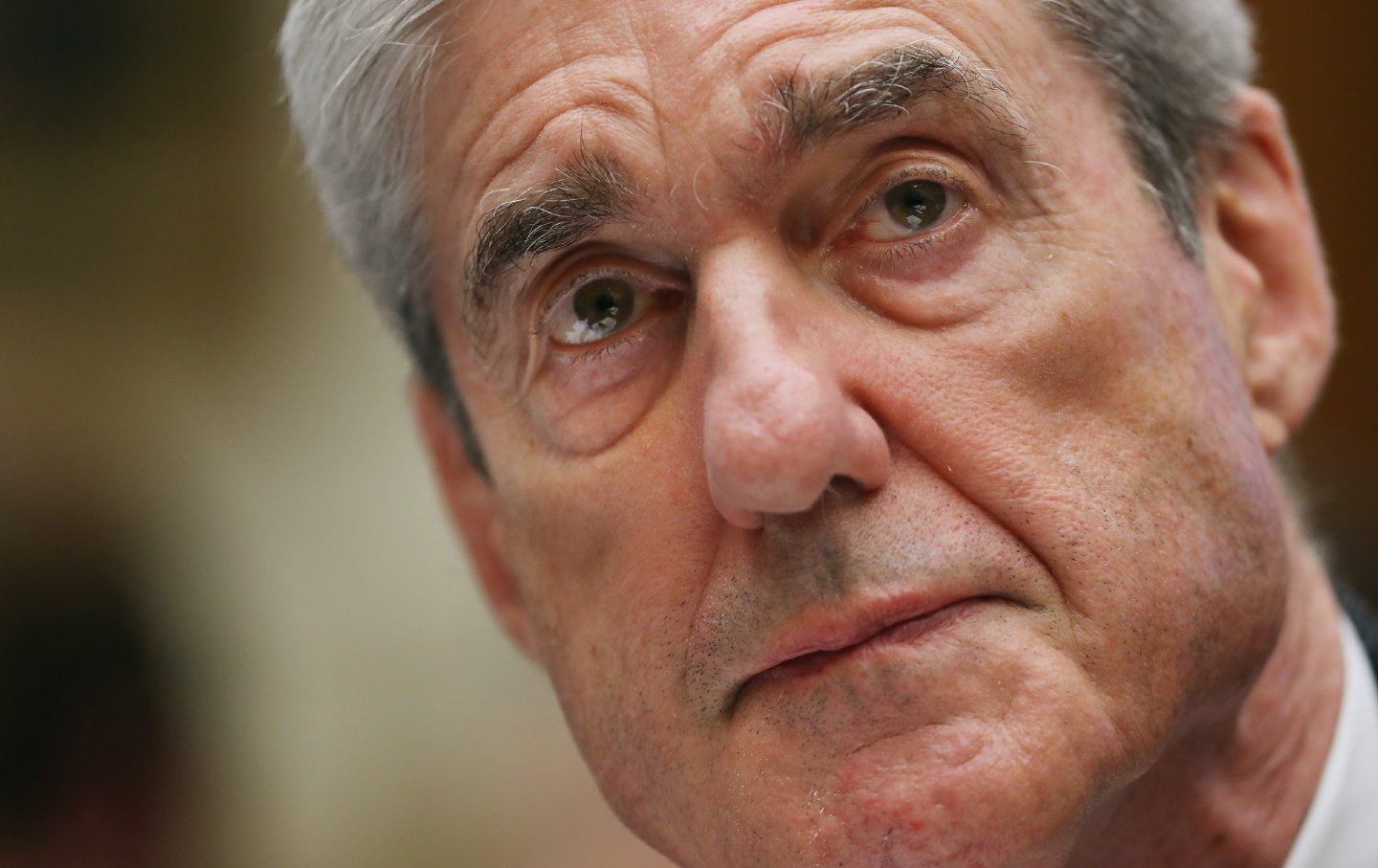
Robert Mueller Never Should Have Been a Liberal Hero Robert Mueller Never Should Have Been a Liberal Hero
The cult of Mueller foolishly prioritized legal prosecution over political organizing.
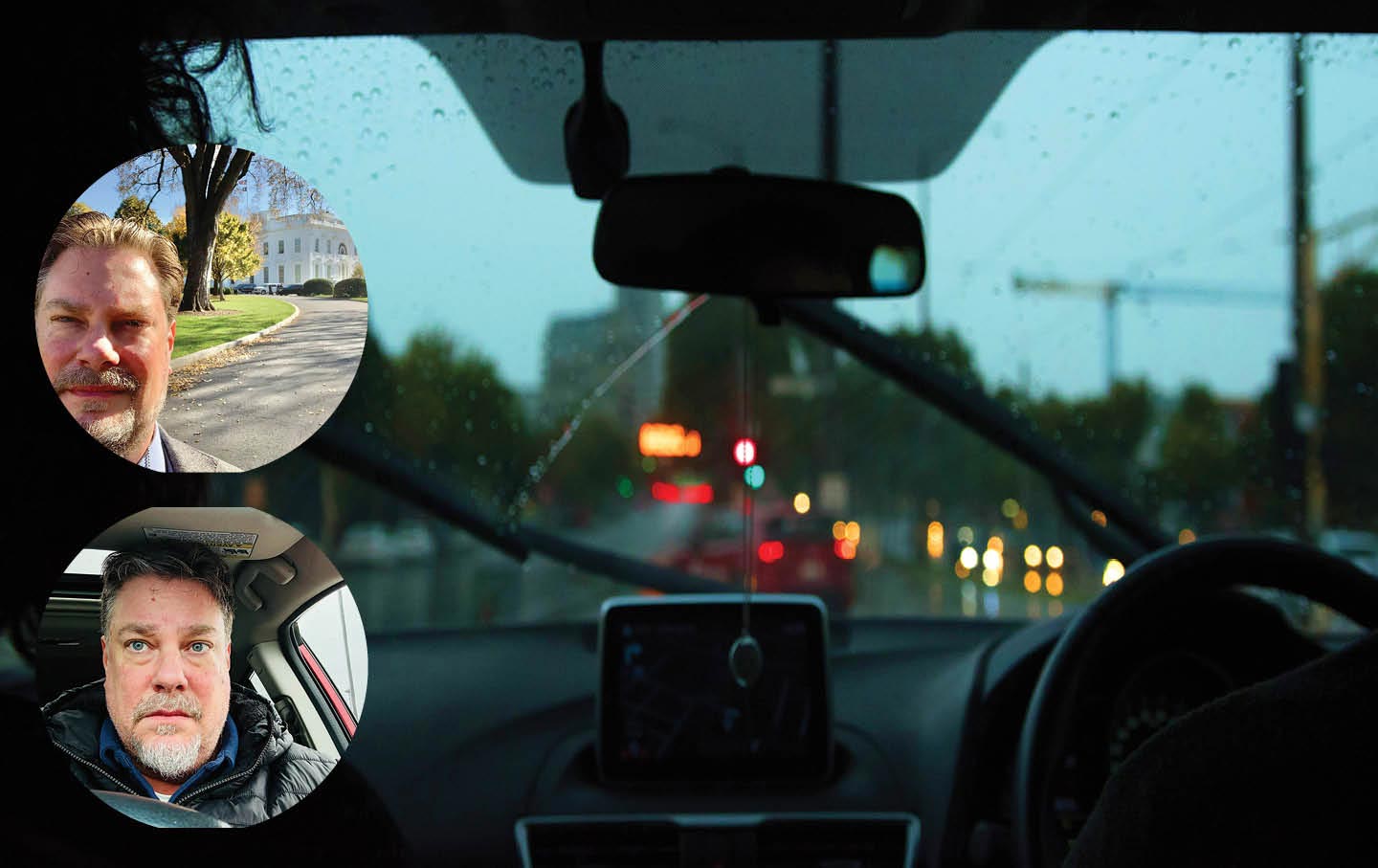
From Foreign Correspondent to Uber Driver From Foreign Correspondent to Uber Driver
I once documented human displacement and desperation. Now, due to a crumbling media ecosystem, I am living it.
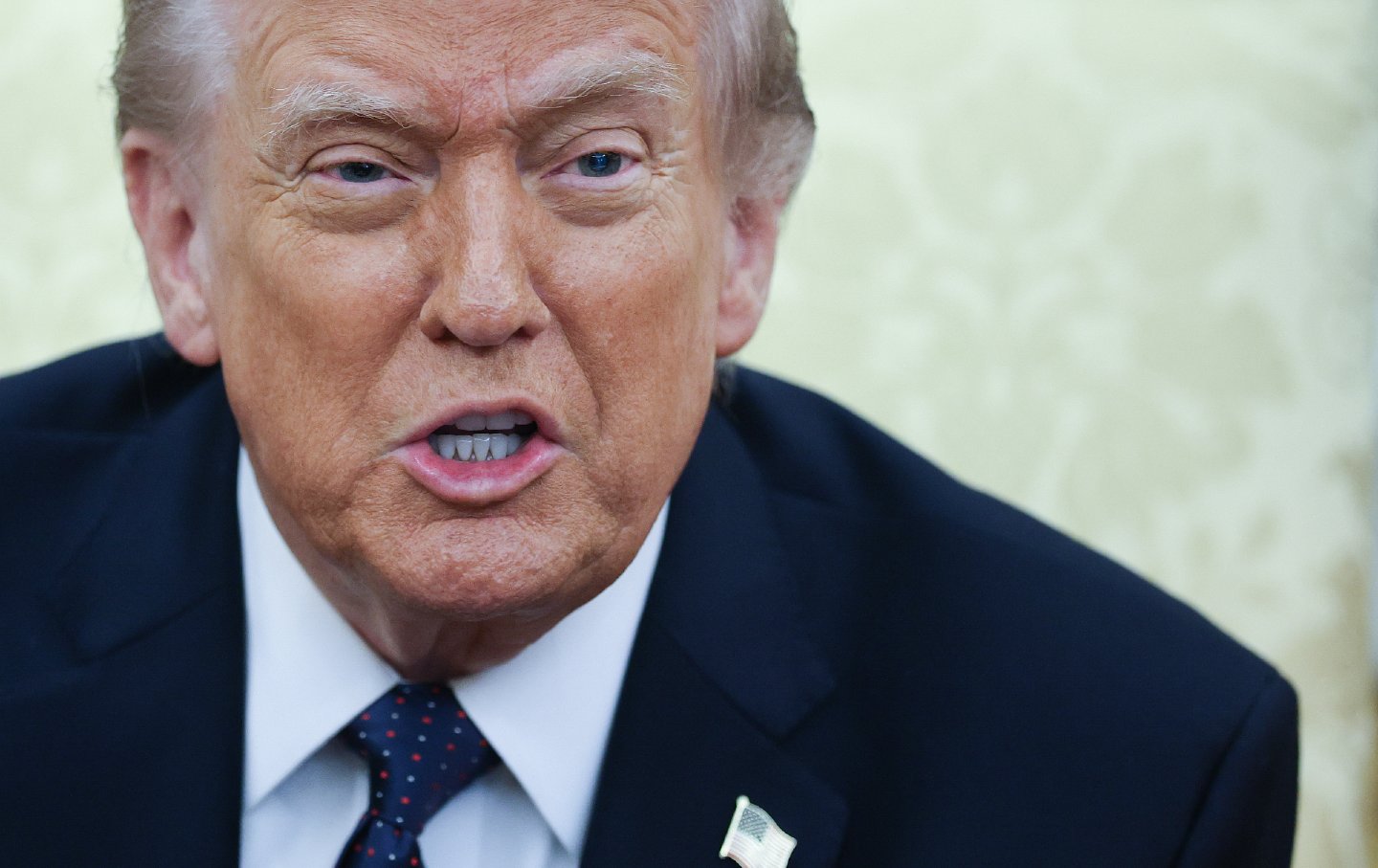
Donald Trump Throws Another Big Tariff Tanty Donald Trump Throws Another Big Tariff Tanty
And other essential news of the week—including new legislation on prediction markets and a threat to the critically endangered Rice’s whale.

Will the Iran War Destroy MAGA? Will the Iran War Destroy MAGA?
Trump’s coalition is splintering over nationalism and Israel.
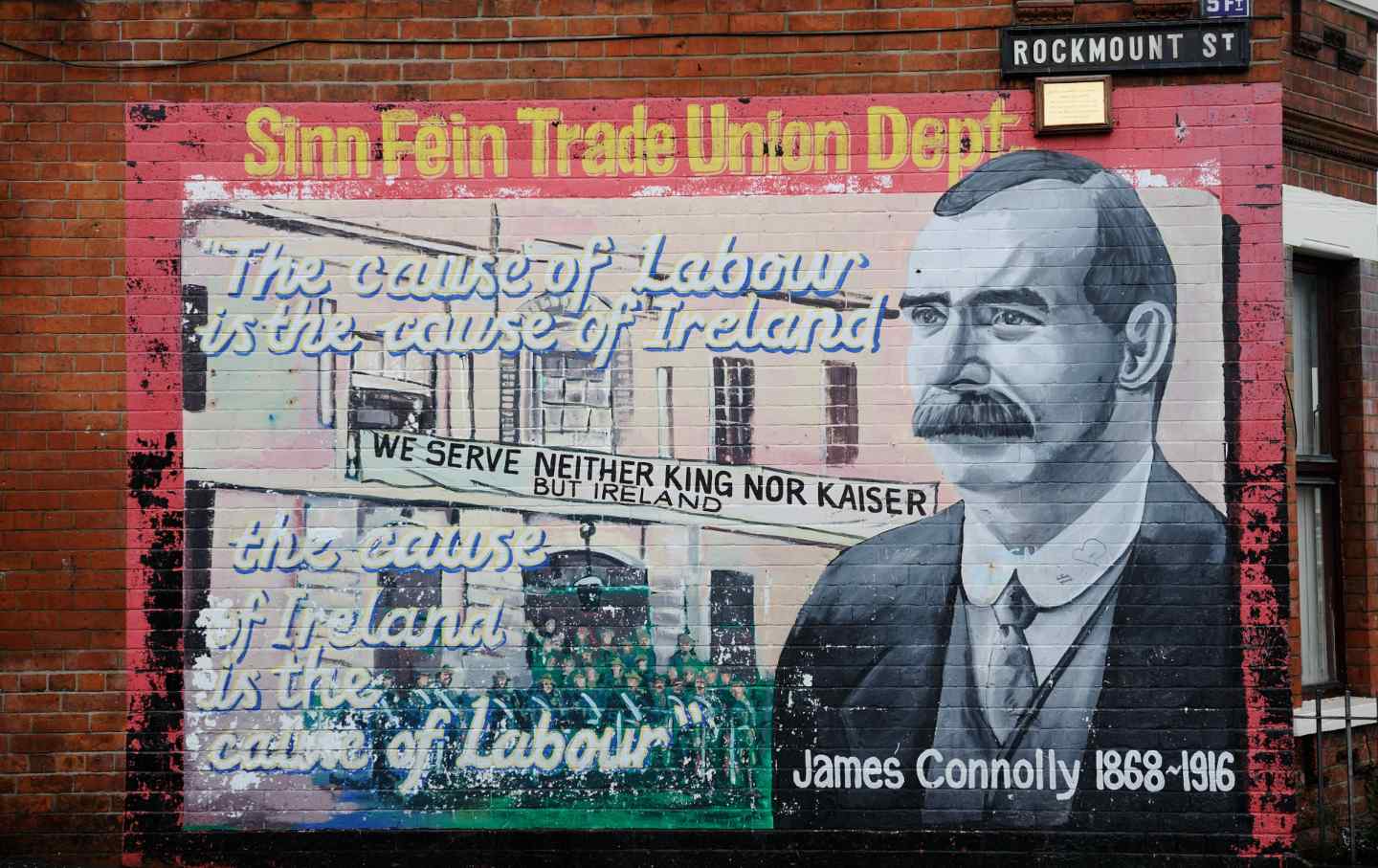
An Irish Rebel Socialist Is Stirring Up New York City Politics An Irish Rebel Socialist Is Stirring Up New York City Politics
Why Zohran Mamdani and Claire Valdez are quoting James Connolly.

