On Student Protests and Elected Officials
While we may not agree on everything, we must remain focused on our central goals: saving lives in Gaza, ending weapons funding for Israel, and advancing freedom for Palestinians.
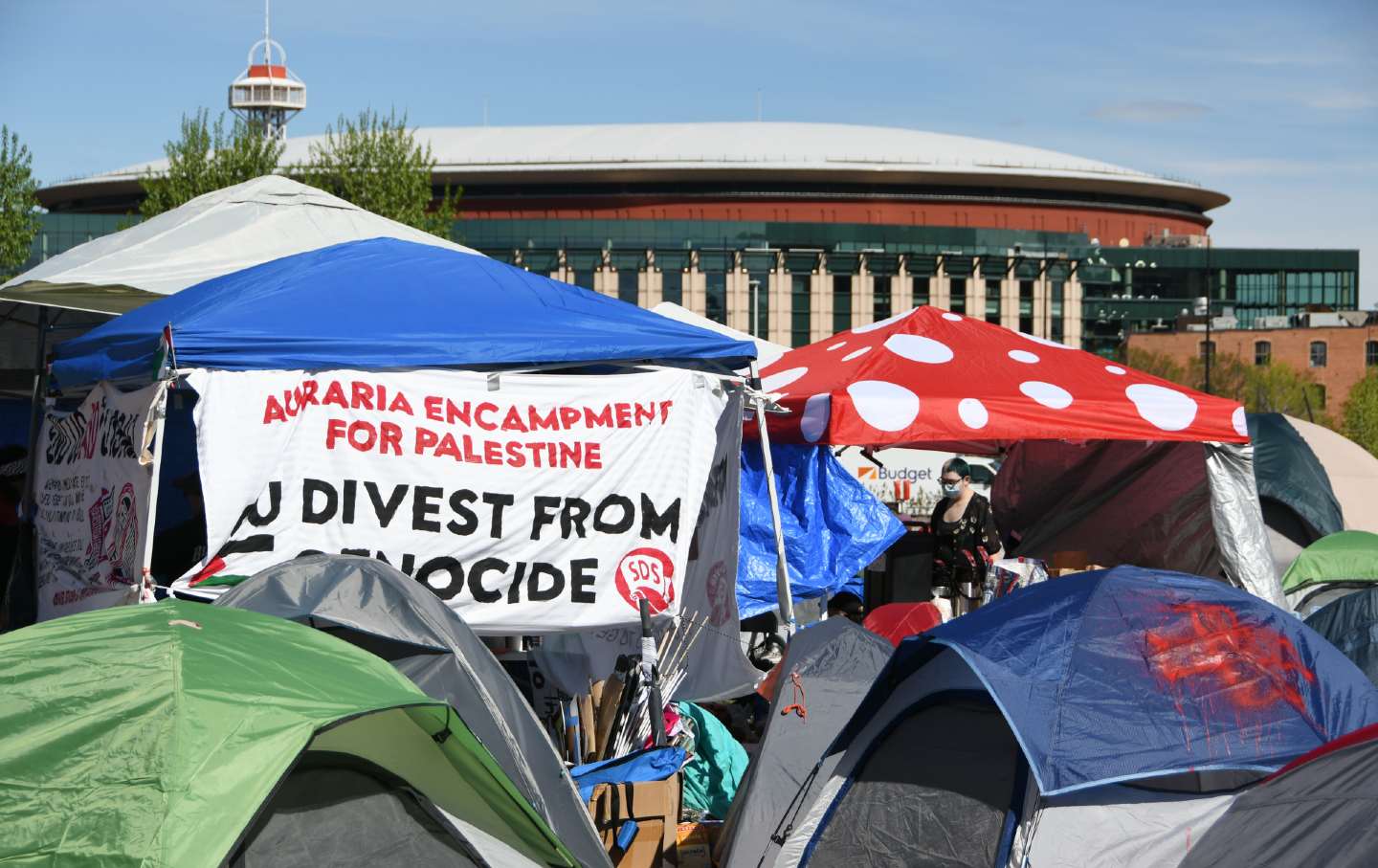
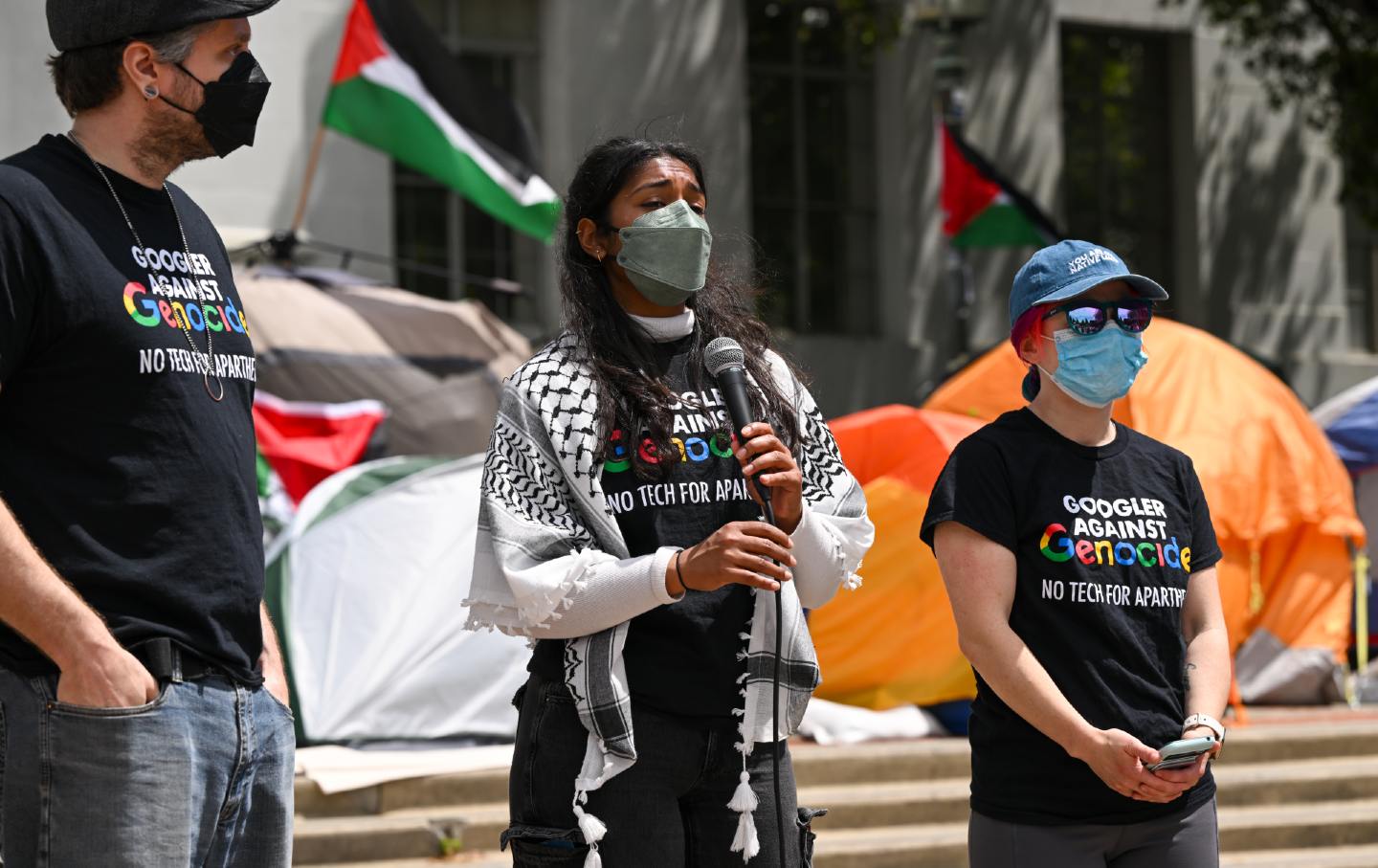
It’s sometimes said that every major social movement has started or been thrust forward on a college campus—and we’re seeing that history repeat itself right now, on campuses all across the country. Echoing through the corridors of Columbia University, the University of Colorado Denver, the Community College of Denver, the Metropolitan State University of Denver, and campuses throughout the nation, calls for freedom for Palestinians and an end to the slaughter in Gaza reverberate with the force of a movement too loud to ignore.
Recently, debates have emerged on social media about elected officials engaging with campus protests. When elected officials step into the arena of student protests, the dynamic intricately unfolds into what can be described as the “political identity paradox.”
The political identity paradox is a tightrope walk over a chasm of contradictions—a movement’s passionate self-identity can both fuel its engine and erect barriers to outside support. For instance, a student group’s radical ethos might fortify the personal bonds of commitment needed to defend an encampment. Yet such zeal can also become the movement’s Achilles heel, where the same fervor can also prevent members from connecting with a broader public.
It makes sense that some students would embrace a narrative of the righteous few confronting a political system that has greenlighted a horrific genocide. But this story can become a wildfire—igniting a deep spirit of radical change but also threatening to consume the bridges it needs to cross.
It is this very paradox that elected officials grapple with when supporting student protesters.
Stepping into a campus protest, elected officials like Alexandria Ocasio-Cortez or Jamaal Bowman face more political risks than rewards, particularly in power centers like New York where aligning with influential groups such as AIPAC could be safer for their careers. Yet their participation is not merely for the cameras. It’s a deliberate choice to express solidarity with, and amplify, the movement on their platforms and to hundreds of thousands of their constituents—most of whom are not deeply passionate about Palestine advocacy. This ability to impact both public opinion and their peers in Congress is valuable. Amid AIPAC’s formidable $100 million campaign to unseat the “Squad,” it also embodies a form of political courage rare in Washington.
While we may not agree on everything with every supporter, we must stay focused on our central goals: saving lives in Gaza, ending weapons funding for Israel, and advancing freedom for Palestinians.
Organizing is fundamentally about addition: balancing firm core demands with a focus on broadening our base among new segments of the public—rather than denouncing those we may perceive as heretics or expelling people from the movement over minor disagreements. In the most recent vote in the House of Representatives, the vast majority of lawmakers in both parties didn’t think twice about maintaining the status quo of unconditional support for Israel’s assault on Gaza and continued violence and occupation in the West Bank. It’s ultimately those lawmakers, particularly the Democratic ones, whose offices we must still pressure and constituencies we must persuade to make Palestinian liberation a major political demand of their representatives.
In this legacy of peaceful persistence in fighting for human rights, we are grateful for the courage and commitment of these student activists. Carrying on this American legacy, the movement to fight for freedom in Palestine and an end to the genocide in Gaza will join the ranks of those who demanded an end to the Vietnam War, sought to secure civil rights, affirmed that Black lives matter, and ensured women’s equality. Their determination and tireless advocacy continue to inspire and stir a nation into political action. They will be remembered for shaping a generation to have pro-Palestine politics for their lifetimes. Their advocacy serves as a guiding light toward a world where equity, peace, and solidarity are not mere aspirations but tangible realities.