
On the Power of Small Acts of Noncompliance
At a moment when large-scale resistance can feel futile, there are other ways to oppose, engage, and fight back.

Resistance does indeed feel futile these days. People who believe their individual efforts cannot stem the rising tide of fascism, MAGA, or the hostile billionaire takeover of our government, media, and society are not wrong. The bad guys are on the march, and they are winning. There is no one magical thing that can be done to stop them, and no set of actions any single person can take to halt the enshittification of our country.
But while despair is a legitimate, and even rational, response to the ongoing victory of white supremacy and bigotry over equality and decency, giving up is not. Inaction is not. Throwing up your hands and letting Jesus—or even political leaders—“take the wheel” is not.
I recently stumbled across a social media post in which somebody joked, “Call my representative? Why? They are evil, not ignorant.” A follow-up poster added that calling your rep a “bad boy” would not make them decline “$2 million from the oil lobby.” The somewhat obvious point of both was that calling your congressperson is useless in the face of the larger factors at play.
Protest, another favorite resistance pastime, also feels futile to lots of people. No Kings Day was an important, thrilling example of the visual and social power of protest. But Trump’s spending bill passed not long after, despite mass disapproval. And the Supreme Court once again rubber-stamped his authoritarian powers. Trump remains, effectively, a king.
And yet the inability to stop Trump with one act or protest or lawsuit shouldn’t diminish our efforts to try. We live in dark times. Our government is a force for evil, both domestically and abroad. At such moments, anything we can do, anything at all, to slow, frustrate, or sabotage our government’s efforts—or to help another person who is being made to suffer by these people—has value. To do nothing is to be complicit in the horrors we are visiting upon the world.
While I continue to believe that collective action is the most powerful political force in human history, I also know that people tend to fetishize big, aggressive, large-scale acts of “Resistance™” without remembering that small, individual acts of noncompliance are also tools that can frustrate great and evil powers. We can save a life, can ameliorate the suffering of a person, or can change a mind. Right now, that has to be enough of a reason to try.
It has been for people in the past. Ida B. Wells didn’t just cancel her subscriptions to white newspapers; she bought her own—and then published her own reports about lynchings. Oskar Schindler is perhaps the most famous example of noncompliance from an actual Nazi Party member, and his individual efforts saved countless lives. Those people are well-known, but there are countless stories of people I’ve never even heard of who did what they could in the face of suffering: people who joined forces with drug dealers to hand out clean needles during the AIDS epidemic, soldiers who refused to carry out malicious orders, and ordinary citizens who are right now ignoring Texas’s bounty-hunting laws to shuttle people in need of abortion services to a doctor.
At all points in history, there are people willing to “break the law” when the law is evil.
Near the start of the second Trump administration, a friend sent me a story I was not familiar with from World War II. I was dealing with my own issues of despair and feelings of futility and pointlessness, and my friend thought this might help. It concerns a B-17 pilot whose plane was shot up over Nazi Germany. The bomber was hit directly in the gas tank, not once but numerous times, but for some reason the tank did not explode. The pilot felt blessed by God. After an investigation, it was revealed that the shells that hit the gas tank had no explosive charge in them. Instead, inside one was a note, written in Czech. It read: “This is all we can do for you now.”
It might be that all we can do right now is to harass and document ICE’s goons as they try to kidnap and abduct people from our block, or courthouse, or house of worship. It might be that all we can do right now is to make sure the trans kid is invited to the birthday party, and cheer for them as loudly as we’d cheer for our own children when they get a hit in the game. It might be that all we can do right now is to call our congressperson so often that their constituent manager knows our name. But doing all we can do right now to oppose this regime is, frankly, the least that should be expected of us.
I know these kinds of individualized, person-to-person acts of political and social resistance work… because it’s what the bad guys do. It’s how the white-wing movement that Trump only recently has come to embody has been operating for my entire life. They’re always doing whatever it is they can do, big or small, individually or collectively, to bring about more suffering. They don’t sit around and say, “I hate gays and immigrants, but what can I do? I’ll just cry myself to sleep on my American flag pillowcase and wait for things to work themselves out on their own.” They call their congressperson. They call ICE. They boo and vote. They refuse to bake a cake. They buy guns. They harass and bully children. They do the worst thing they can think of, the moment they think of it.
And that is why they are winning. They don’t let their individual feelings of powerlessness stop them from using what power they have maximally. They don’t despair—they get angry.
Popular
“swipe left below to view more authors”Swipe →I do not know if we will defeat the neo-Confederates and fascists currently running this joint, but every life saved, every person helped, is a victory over them. These people want us to give in to despair. They want us to give up. They want us to look at their scoreboard of victories and determine that the game is unwinnable.
So I’m playing a different game, one that is not about winning or losing, but helping or not helping.
That is all we can do… for now.
Become a Sustaining Donor This September
Between the reemergence of right-wing red-baiting and Donald Trump’s use of the chilling National Security Presidential Memorandum–7 to criminalize left political organizing, we’re seeing McCarthyism reborn before our eyes.
This assault on democracy cannot be ignored or wished away. Resisting it requires bravery in the face of threats and repression, a steadfast commitment to the truth, and the unwavering belief that we can—and will—overcome this darkness.
We must have an independent media that sets the record straight, unearths corruption and abuses of power, and advances a politics of justice and dignity for all if we’re to win this fight.
That’s why I’m writing to you today. This September, The Nation needs to add 100 monthly donors to sustain our progressive journalism. Your contribution makes the next investigative report, the next truth-speaking column, and the next pathbreaking essay all possible.
I hope you’ll support our work with a recurring donation today. If you donate $10 or more a month, we’ll send you a brand new “Hands Off the Free Press!” sticker to recognise your commitment to our cause. Please, donate today.
Onward,
Katrina vanden Heuvel
Editor and Publisher, The Nation
More from The Nation
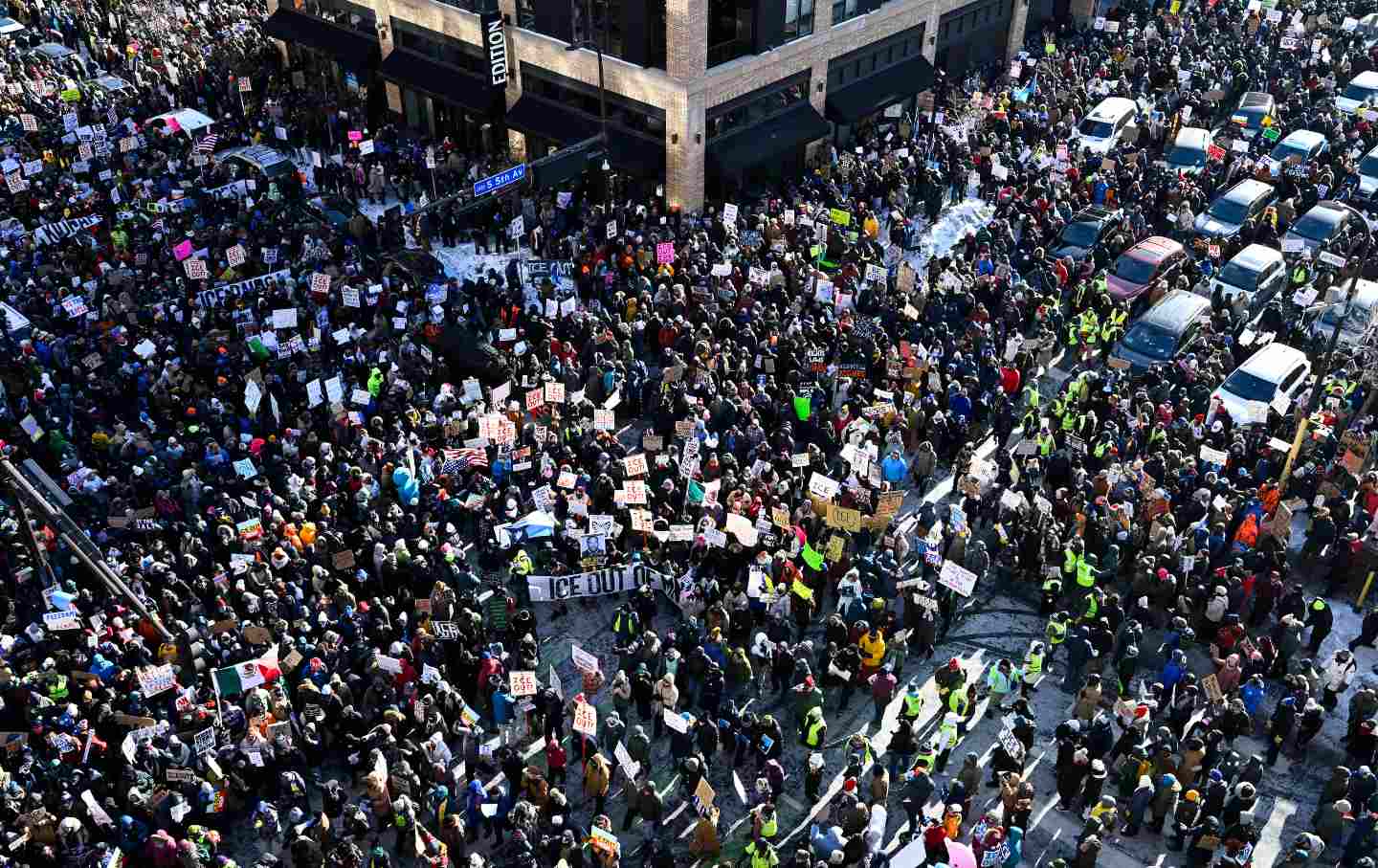
The Impossible Will Take a Little While: The Power of Persistence The Impossible Will Take a Little While: The Power of Persistence
In troubled times, history offers a lesson: Seemingly impossible change can begin with ordinary people who refuse to give up.
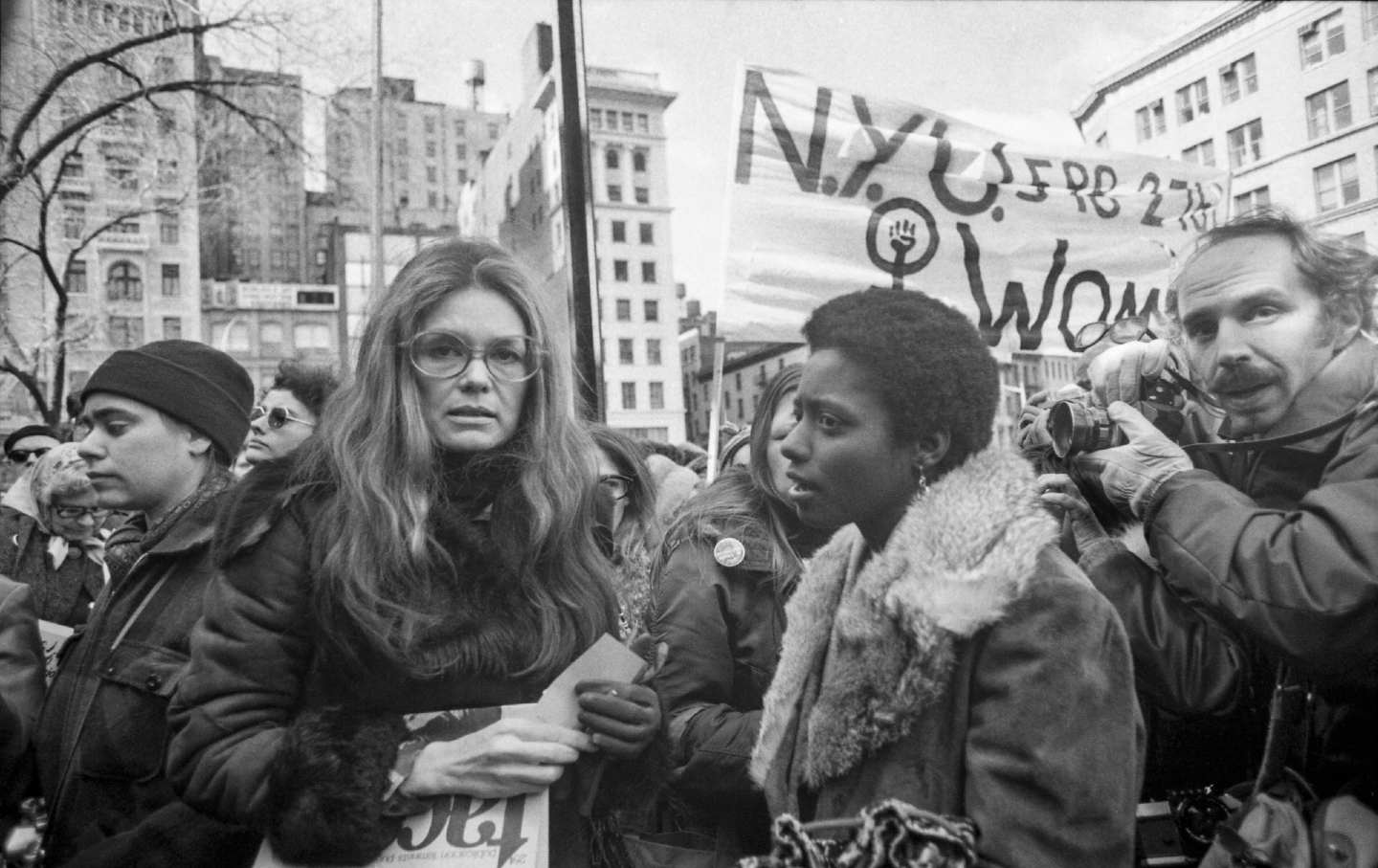
Gloria Steinem’s Many-Splendored Feminist Life Gloria Steinem’s Many-Splendored Feminist Life
The feminist icon lived the struggle for gender equality and always found time to lend support and solidarity to other women leaders, even in her final days.
No, Woke 1 Was Not Crazy No, Woke 1 Was Not Crazy
AOC and others are laughing off 2020 as a wild, isolated moment. None of that is true.
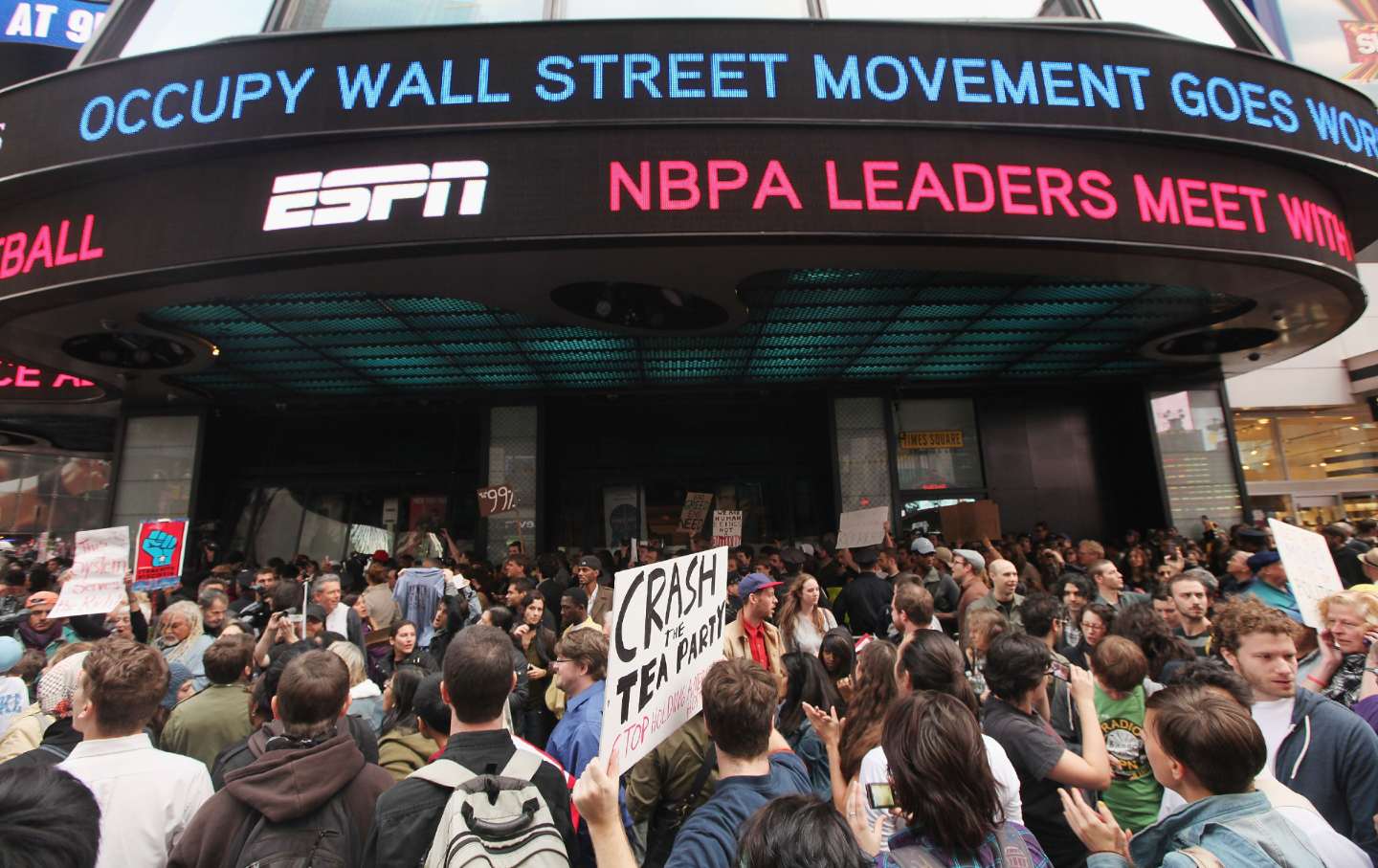
How Occupy Wall Street Still Explains Politics Today How Occupy Wall Street Still Explains Politics Today
It sowed the seeds for a new era of social movements—but its politics of powerlessness should act as a cautionary tale.
Abdul El-Sayed’s Win Is a Landmark. But the Fight Is Far From Over. Abdul El-Sayed’s Win Is a Landmark. But the Fight Is Far From Over.
Even though the Palestine movement is on the march, we can’t afford any complacency.
Mamdani’s Team Redefined Political Video. Now They’re Betting on Short Films. Mamdani’s Team Redefined Political Video. Now They’re Betting on Short Films.
Premiering exclusively in The Nation, a new short film produced by City Hall and narrated by Morgan Spector highlights the efforts of the biggest tenant-led union in New York City...

