The Fierce and Joyous Face of LA Resistance
What we can learn from a great American city’s refusal to bend to Trump’s invasion.
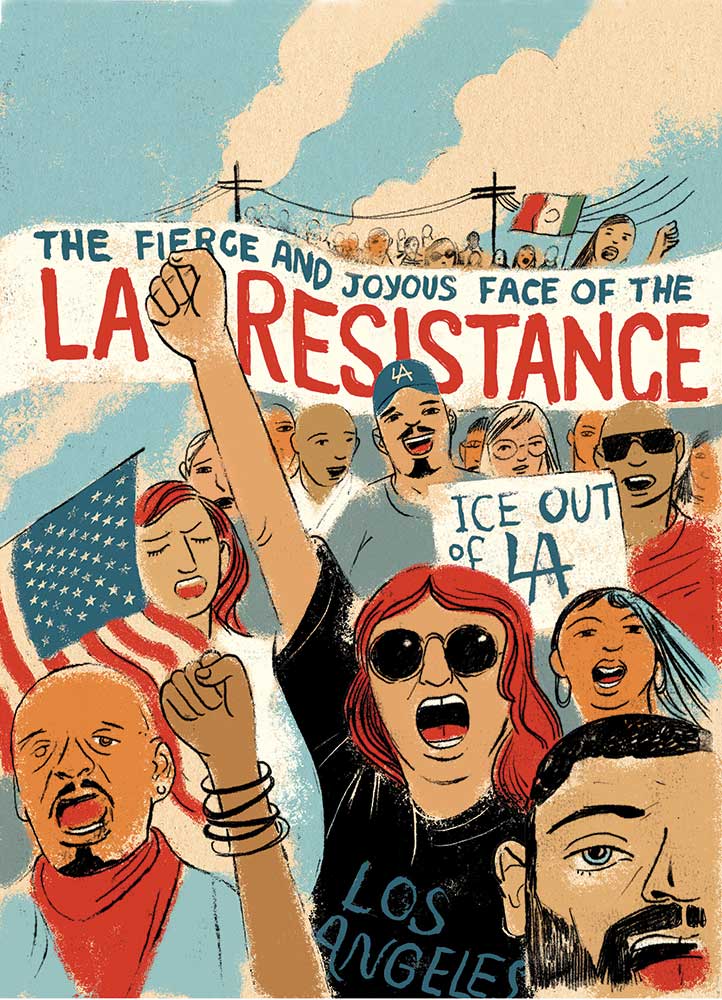
This article is part of a special Nation package devoted to LA’s bold stand against the Trump administration’s assaults on the city.
The New York Nation, as some called this magazine in its early years, has always kept one eye on Los Angeles. Even if the magazine suggested in an 1869 essay on “The New West” that “not everything is lovely there,” our writers have over the past century and a half been drawn to the sprawling city—with all its energy and possibility, along with its share of sordid realities and inequalities—and the broader story of what would come to be known as the Left Coast.
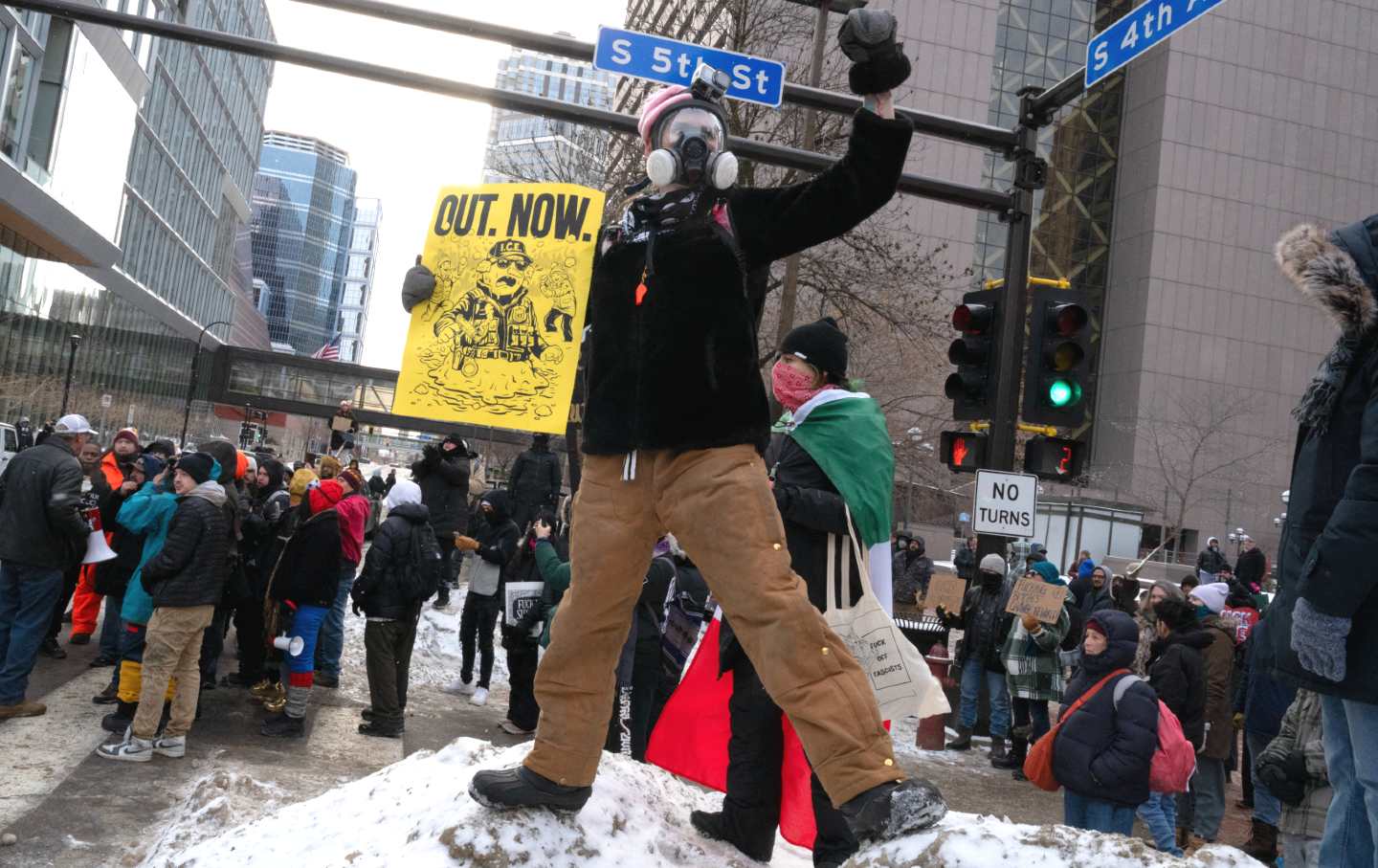
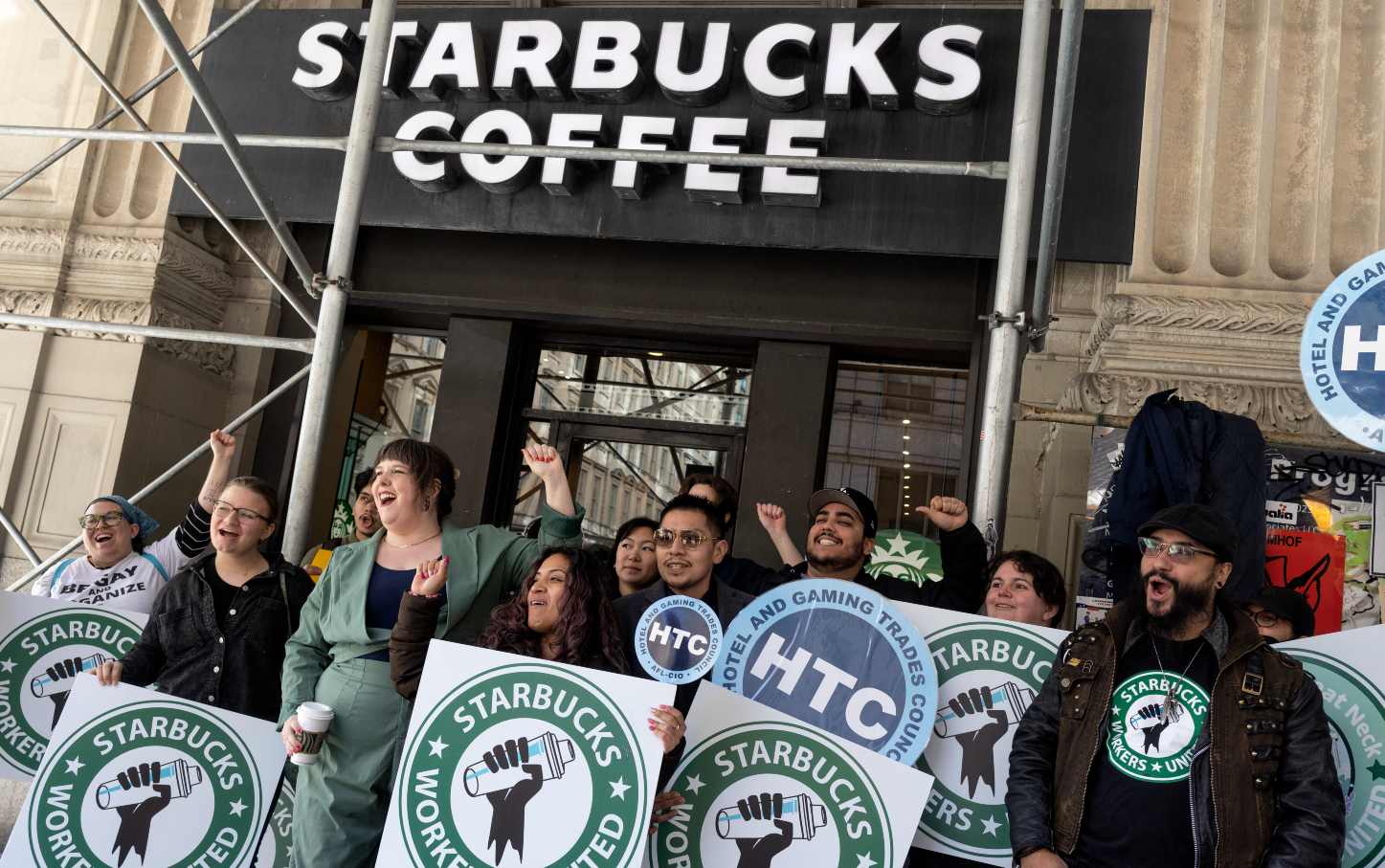
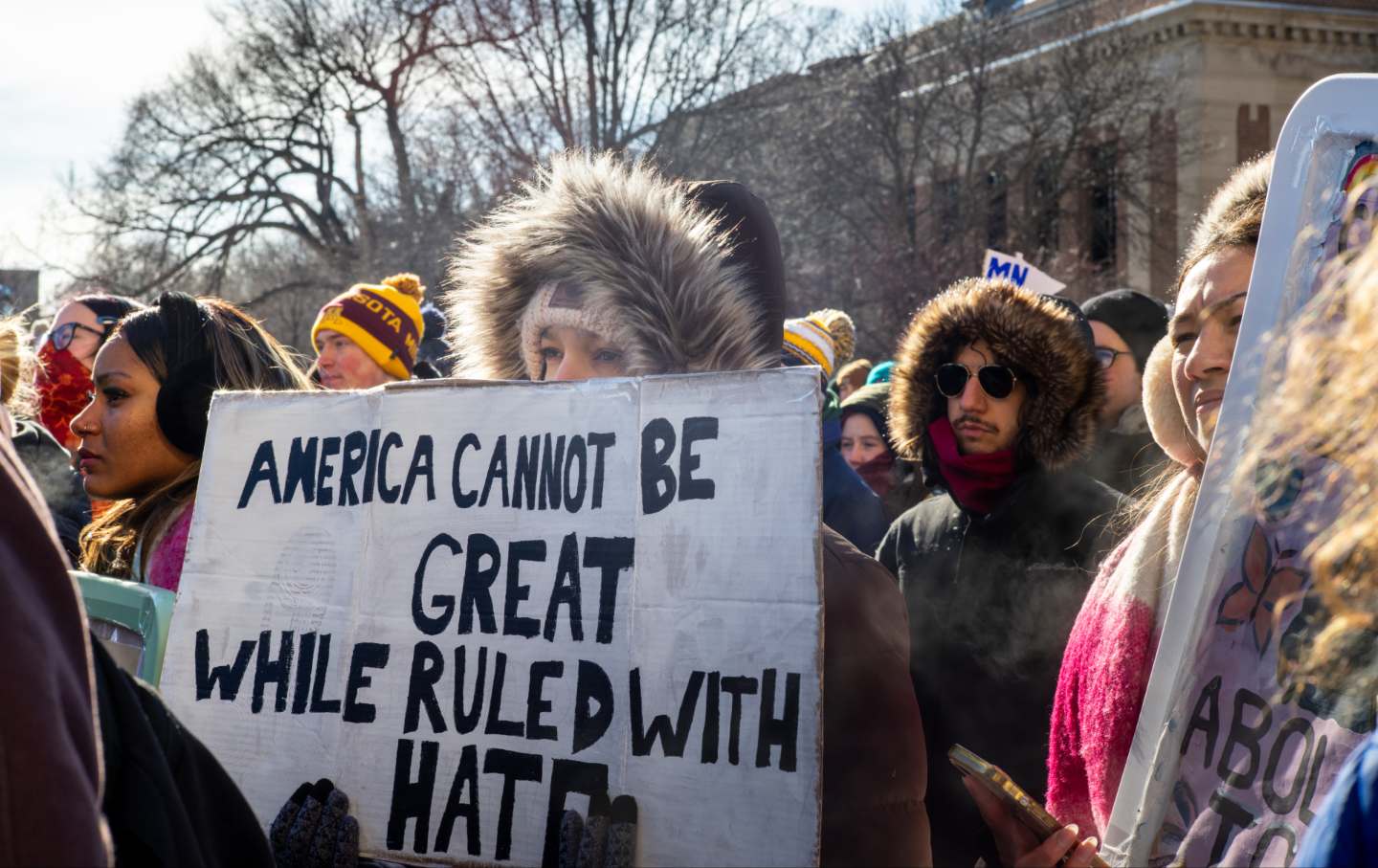
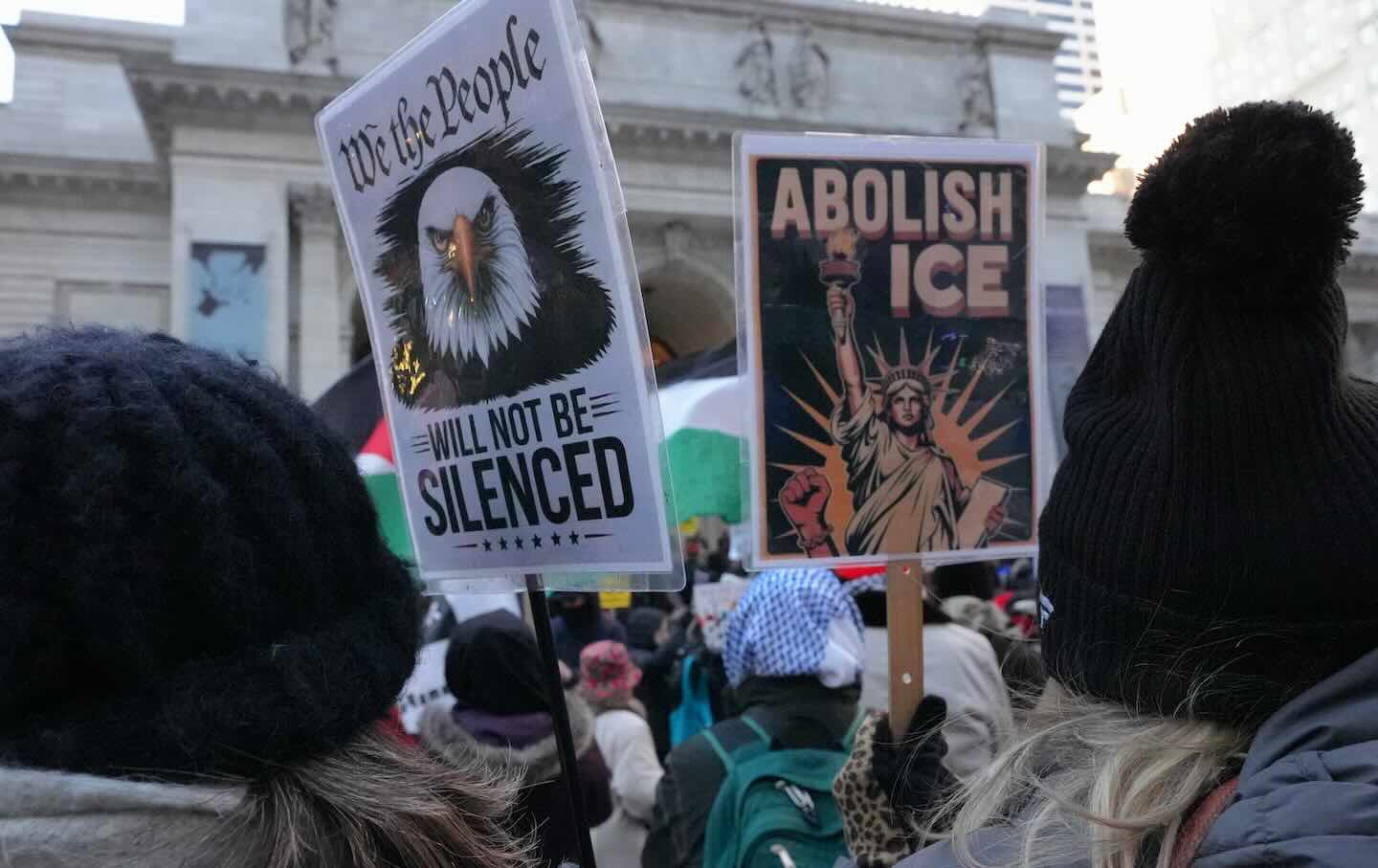
We return again with this issue, which features a multifaceted examination of LA’s bold resistance to the Trump administration’s assault on the city itself, and on the rich diversity and democratic promise that Los Angeles represents. Bill Gallegos, a veteran Chicano activist who is a member of The Nation’s editorial board, sets the stage with his examination of the remarkable coalitions that pushed back against Trump’s decision to send federal troops to the city last spring. LA Mayor Karen Bass offers her perspectives on resisting Trump and Trumpism. And author and music-industry veteran Danny Goldberg contributes a moving reflection on the linkages between the racial-justice protests of the past and our current struggles.
This package begins an expanded focus by The Nation on Donald Trump’s assault on the blue zones of a nation he is bent on tearing apart. Beginning with the resistance in California makes sense because The Nation has so frequently turned to the state for political inspiration.
In 1934, when the socialist novelist Upton Sinclair ran as the Democratic nominee for governor there—under the slogan “End Poverty in California,” or EPIC—The Nation’s editor and publisher, Oswald Garrison Villard, hailed him for building a grassroots movement of unemployed and working-class voters who were desperate for change during the Great Depression. Sinclair’s campaign fell short, but its advocacy for state-run cooperative industries and relief for the poor struck a chord in a state—and a nation—that was seething with labor unrest and economic discontent.
Two years later, the novelist John Steinbeck brought the conditions of California’s agriculture workers to national prominence in a Nation article. “It is fervently to be hoped,” wrote the author of The Grapes of Wrath, “that the great group of migrant workers so necessary to the harvesting of California’s crops may be given the right to live decently, that they may not be so badgered, tormented, and hurt that in the end they become avengers of the hundreds of thousands who have been tortured and starved before them.”
During World War II, the magazine denounced the internment of Japanese American citizens—who were overwhelmingly from California, as well as Oregon and Washington—as a national catastrophe. Portraying the detention of patriotic citizens as “mass hysteria,” The Nation observed: “Discrimination against citizens because of their racial lineage cuts straight across the American tradition.”
Carey McWilliams, the LA writer who published one of the first books decrying the mistreatment of Japanese American families during the war, edited The Nation from 1955 to 1975. One of California’s greatest historians, writing books like Factories in the Field and Southern California: An Island on the Land, McWilliams chronicled the state’s transformation from an agricultural frontier to an economic powerhouse, exposing the human cost of its sunshine image.
LA Resistance
During the 1950s Red Scare, when loyalty oaths and blacklists rocked Hollywood and much of the rest of the country, McWilliams and The Nation defended LA writers, directors, and artists who’d been accused of subversion. The magazine’s exposés of the House Un-American Activities Committee’s witch hunts provided a platform for voices that would otherwise have been silenced, in a fight that another Nation editor, Victor Navasky, chronicled in his remarkable 1980 book Naming Names.
In 1965, Hunter S. Thompson told the story of California’s motorcycle gangs for The Nation and expanded that article into his bestselling book Hell’s Angels—ushering in the era of “gonzo journalism.” Mike Davis, the great California-based historian and social critic, also began to contribute groundbreaking essays to The Nation. Writing in the mid-1990s, Davis chronicled the dire effects of racial capitalism in Compton, called out California’s mass incarceration crisis, and explained the origins and consequences of the state’s “natural disasters”: the fires, earthquakes, and floods that raised profound questions about everything from overdevelopment to climate change. Davis, like so many other great Nation writers on the California experience (Robert Scheer, Amy Wilentz, Jon Wiener, and Rebecca Solnit among them) treated the state not as a sun-drenched exception, or as an American West of Eden, but as its truest self—a place where the nation’s inequalities, contradictions, and possibilities have been laid bare.
This month’s package of articles on resistance and coalition-building in our second-most-populous city continues in this great Nation tradition of looking west—of searching not only for the sources of this country’s turmoil but also for clues to how we might yet forge a progressive future in which another LA, another California, and another America are possible.