
This time, it’s personal.
Like everyone else with more than a passing interest in American unions, I had been reading Jane McAlevey’s work for years. My copy of Raising Expectations (and Raising Hell), a no-holds-barred account of her adventures in successfully reviving a moribund local of the Service Employees International Union—only to run aground on the SEIU leadership’s cozy relationship with corporate bosses—was beginning to physically fall apart when I first wrote to Jane (or “Dr. McAlevey,” as I addressed her, since she had a Harvard e-mail at the time) in the fall of 2015.
I was heading to Nevada to report on the upcoming Democratic primary campaign, and since she’d spent time there as an organizer, I wondered if she could suggest some union people for me to talk to. After a thorough grilling on my background, intentions, and political orientation, Jane sent me a brief but incredibly useful memo on Nevada union politics and introductions to a nurse and a Las Vegas municipal worker who both turned out to be terrific company—and even better sources.
When I wrote afterward to thank her, she asked about my relationship to The Nation, where I was then listed on the masthead as “Editor at Large.” It turned out she was having trouble getting her pieces into the magazine.
“Despite what it says, I don’t actually edit,” I replied. But I promised to look into the situation, and when I did was told that Jane was “difficult.” “I’ll work with her,” I said.
And so we began, first with a long interview about her forthcoming book, No Shortcuts: Organizing for Power in the New Gilded Age. Then with coverage of a Massachusetts nurses strike, and the wave of “Red for Ed” teachers’ strikes. By that time, Donald Trump was in the White House, and militant unions offered what looked like the only durable organized resistance to Republican rule.
When Katrina vanden Heuvel asked me to take over as editor of The Nation, Jane was the first writer I called. We met in a bar in Penn Station near the LIRR tracks as I was on my way into the city for the Nation announcement and she was on her way to JFK to fly back to California. I asked if she’d write a column for us. “How about ‘strikes correspondent’?” she countered. “Don’t you think a lefty magazine should have one?”
By then we’d already met a few times—first in London, where I was living and she was doing some consulting work for one of the big unions, then in Vermont, where Jane had learned organic farming as a young woman. I recorded a long interview with her there where she talked about her mother dying before she ever really got to know her, and about feeling like a prop in her father’s political campaigns (but also how much she’d learned from “the old man”—above all, the notion that when you enter a fight you’re in it to win: “Winning matters a lot to me…. My father’s attitude was that you don’t run a left campaign against the Democratic Party just to run it. You fuckin’ run it to win”), and about her own struggles with the cancer that had already taken a brother and a sister. And then in San Francisco, where my daughter and I stayed in the house next to Jane’s tiny shack on Muir Beach while I was on tour to promote The Next Republic, a book whose first chapter is titled “Jane McAlevey—Winning Under Conditions of Extreme Adversity.”
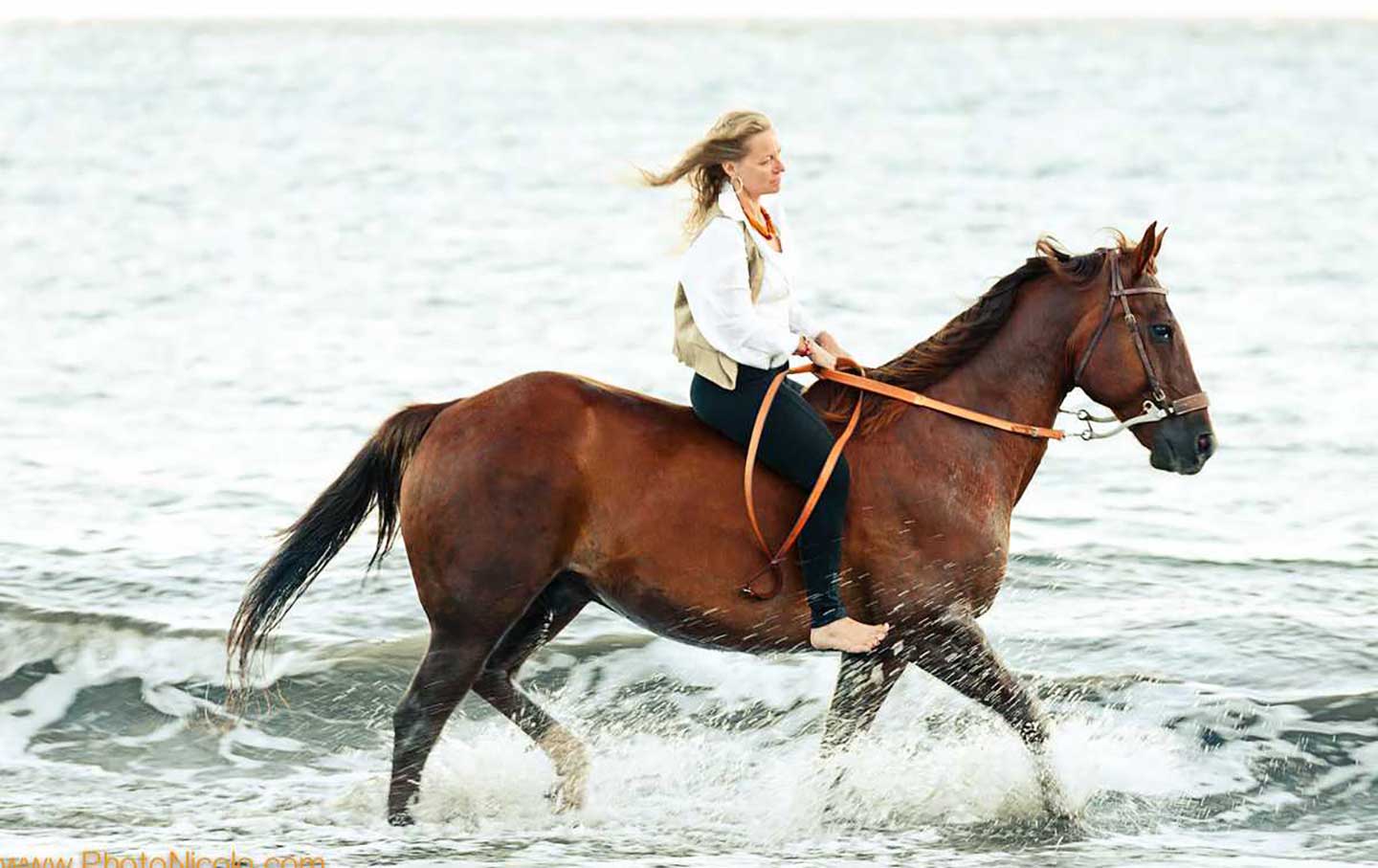
Jane took us to feed carrots to Jalapeno, her beloved horse, cooked amazing meals in her outdoor kitchen, and sent us off to see the redwoods so she could get some work done.
Was she difficult? She certainly could be. I’ll never forget the shouting match we had the day after the vote in 2020. I was on a street corner in downtown Reading, Pennsylvania, at a rally organized by Pennsylvania Stands Up, when Jane called to tell me The Nation had to “get your people out on the streets now!” to stop the Republicans from stealing the election. She’d been in Miami in 2000, she reminded me, when the “Brooks Brothers riot” halted the count in Dade County, opening the door for Bush v. Gore and so many of our current troubles. As I tried to remind her that we were a magazine, not a mass membership organization, the shouting grew louder and louder, and when I noted that we didn’t exactly have “people” we could just send out into the streets, she hung up on me.
But we soon patched that up—as we patched up all our battles, whether over a “really fucking stupid” headline I’d written that “totally ruined” one of her pieces, or running a photo that (in her view) undercut her analysis, or her habit of filing at the very last minute—and then sending in endless revisions. She was a perfectionist, in life as well as writing, and expected others to rise to her standards.
But I always knew she had my back. As I had hers, especially after her masterful postmortem on Amazon’s failed campaign in Bessemer, Alabama—a piece she’d written weeks in advance, but insisted on holding until after the vote lest she discourage a single pro-union sympathizer. Jane’s refusal to sugarcoat reality, to indulge in wishful thinking, made her a lot of enemies, especially among the ranks of labor’s faithful cheerleaders. But she always felt that they—along with the sectarians whose hard work and persistence she respected, but whose vanguardist arrogance and deeply antidemocratic politics were the bane of her existence—were good enemies to have.
Because despite her long blond hair (until it, too, got sacrificed to chemo)—and encyclopedic knowledge of her beloved Raiders—Jane McAlevey was nobody’s cheerleader. She was a clutch player: a tireless, brave, and inspiring organizer; charismatic teacher; gifted writer; brilliant strategist; and wise and loving sister, aunt, and friend.
But perhaps the last word should go to my daughter, at the time still an undergraduate, who turned to me as we were both struggling to match Jane’s pace on a steamy evening hike up Mt. Tamalpais (not far from where she died on Sunday) and said, “She really is such a badass!”
Popular
“swipe left below to view more authors”Swipe →That she was. If there’s a heaven, the bosses better look out. Rest in Power, Jane.
Support independent journalism that does not fall in line
Even before February 28, the reasons for Donald Trump’s imploding approval rating were abundantly clear: untrammeled corruption and personal enrichment to the tune of billions of dollars during an affordability crisis, a foreign policy guided only by his own derelict sense of morality, and the deployment of a murderous campaign of occupation, detention, and deportation on American streets.
Now an undeclared, unauthorized, unpopular, and unconstitutional war of aggression against Iran has spread like wildfire through the region and into Europe. A new “forever war”—with an ever-increasing likelihood of American troops on the ground—may very well be upon us.
As we’ve seen over and over, this administration uses lies, misdirection, and attempts to flood the zone to justify its abuses of power at home and abroad. Just as Trump, Marco Rubio, and Pete Hegseth offer erratic and contradictory rationales for the attacks on Iran, the administration is also spreading the lie that the upcoming midterm elections are under threat from noncitizens on voter rolls. When these lies go unchecked, they become the basis for further authoritarian encroachment and war.
In these dark times, independent journalism is uniquely able to uncover the falsehoods that threaten our republic—and civilians around the world—and shine a bright light on the truth.
The Nation’s experienced team of writers, editors, and fact-checkers understands the scale of what we’re up against and the urgency with which we have to act. That’s why we’re publishing critical reporting and analysis of the war on Iran, ICE violence at home, new forms of voter suppression emerging in the courts, and much more.
But this journalism is possible only with your support.
This March, The Nation needs to raise $50,000 to ensure that we have the resources for reporting and analysis that sets the record straight and empowers people of conscience to organize. Will you donate today?
More from The Nation
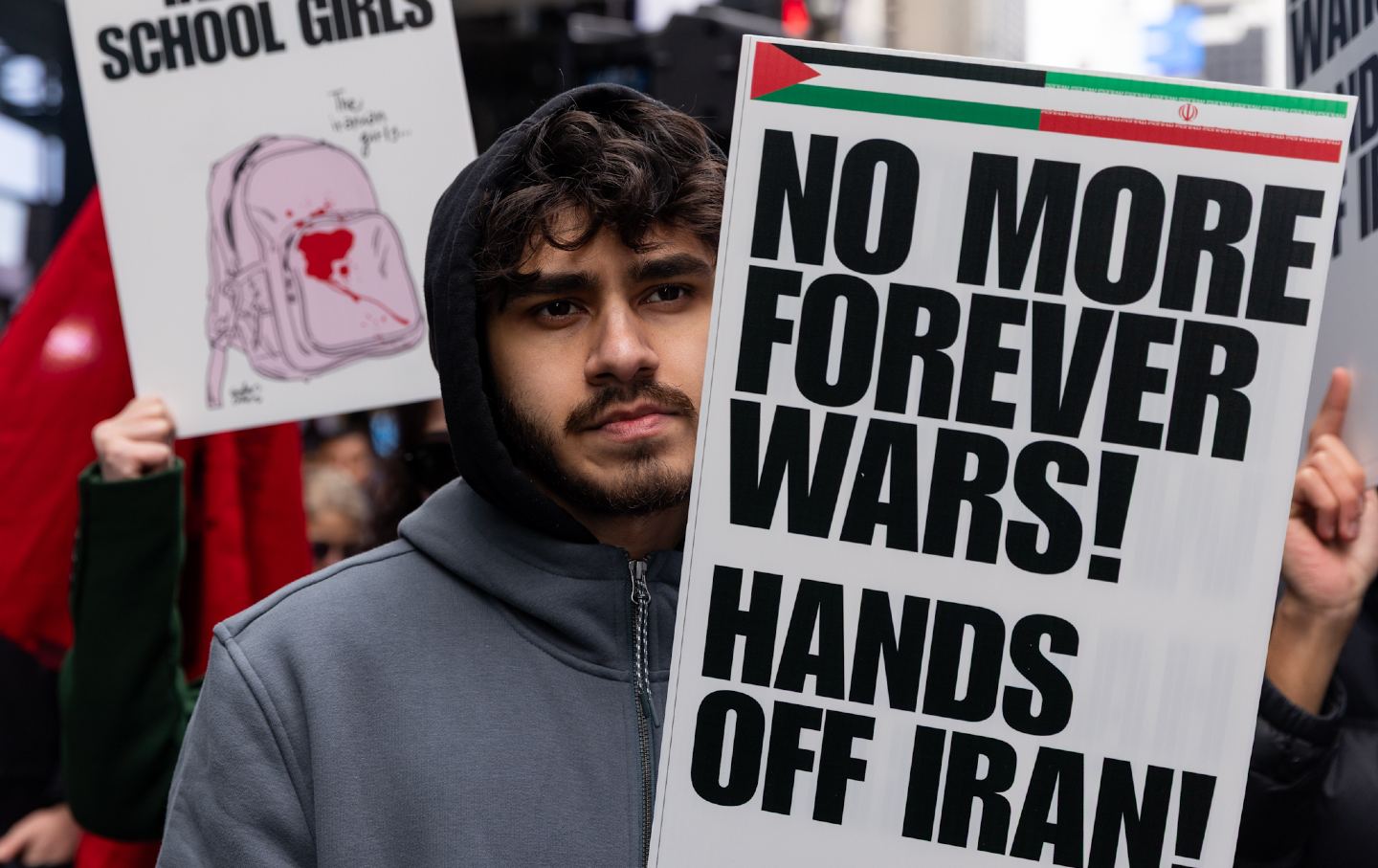
What We Must Learn From the Revelations About Cesar Chavez What We Must Learn From the Revelations About Cesar Chavez
The sexual predations of the late labor leader follow a depressingly familiar pattern in left organizing circles.
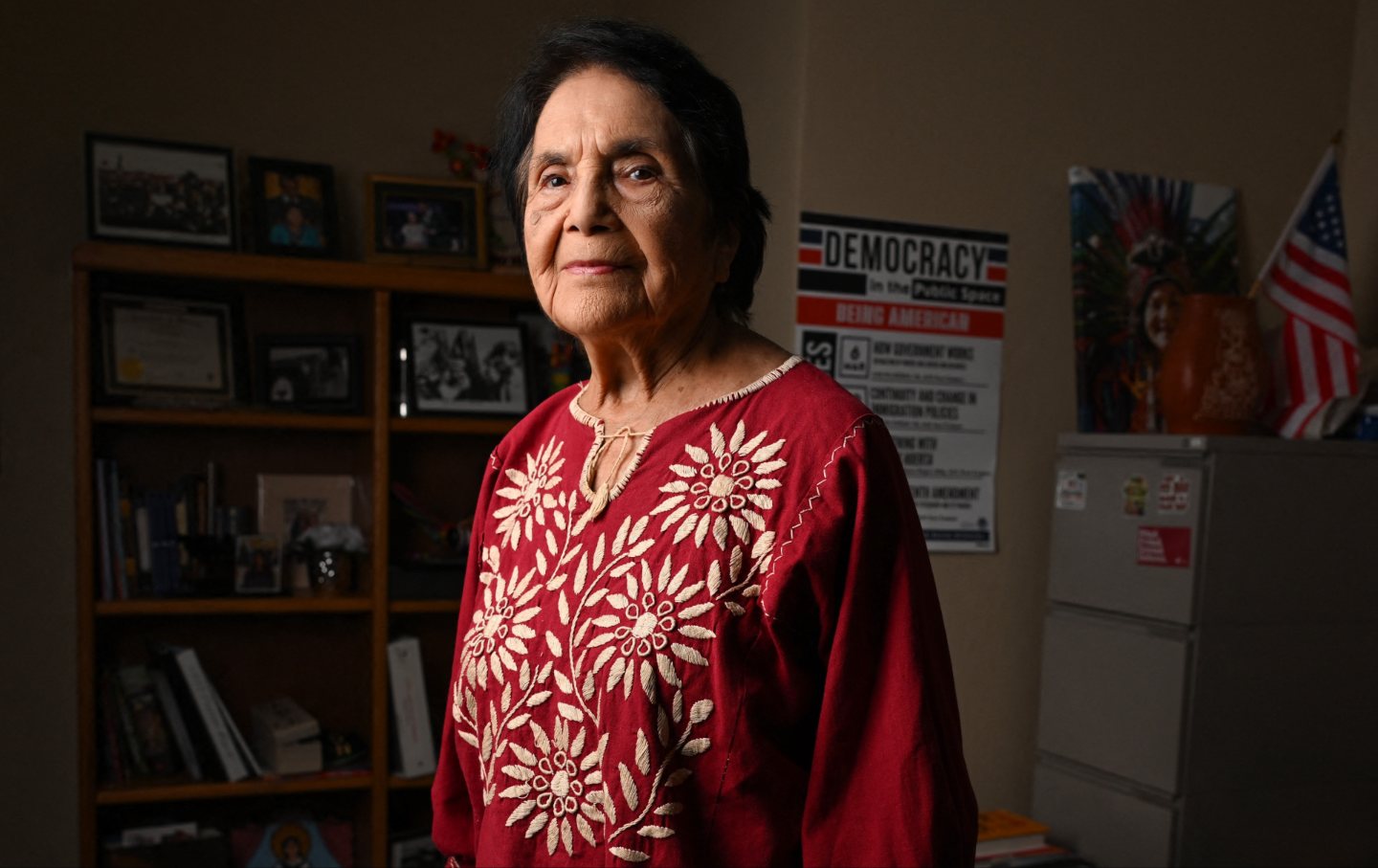
Dolores Huerta: “My Silence Ends Here” Dolores Huerta: “My Silence Ends Here”
The labor movement icon speaks out after revealing that she was sexually assaulted by Cesar Chavez.

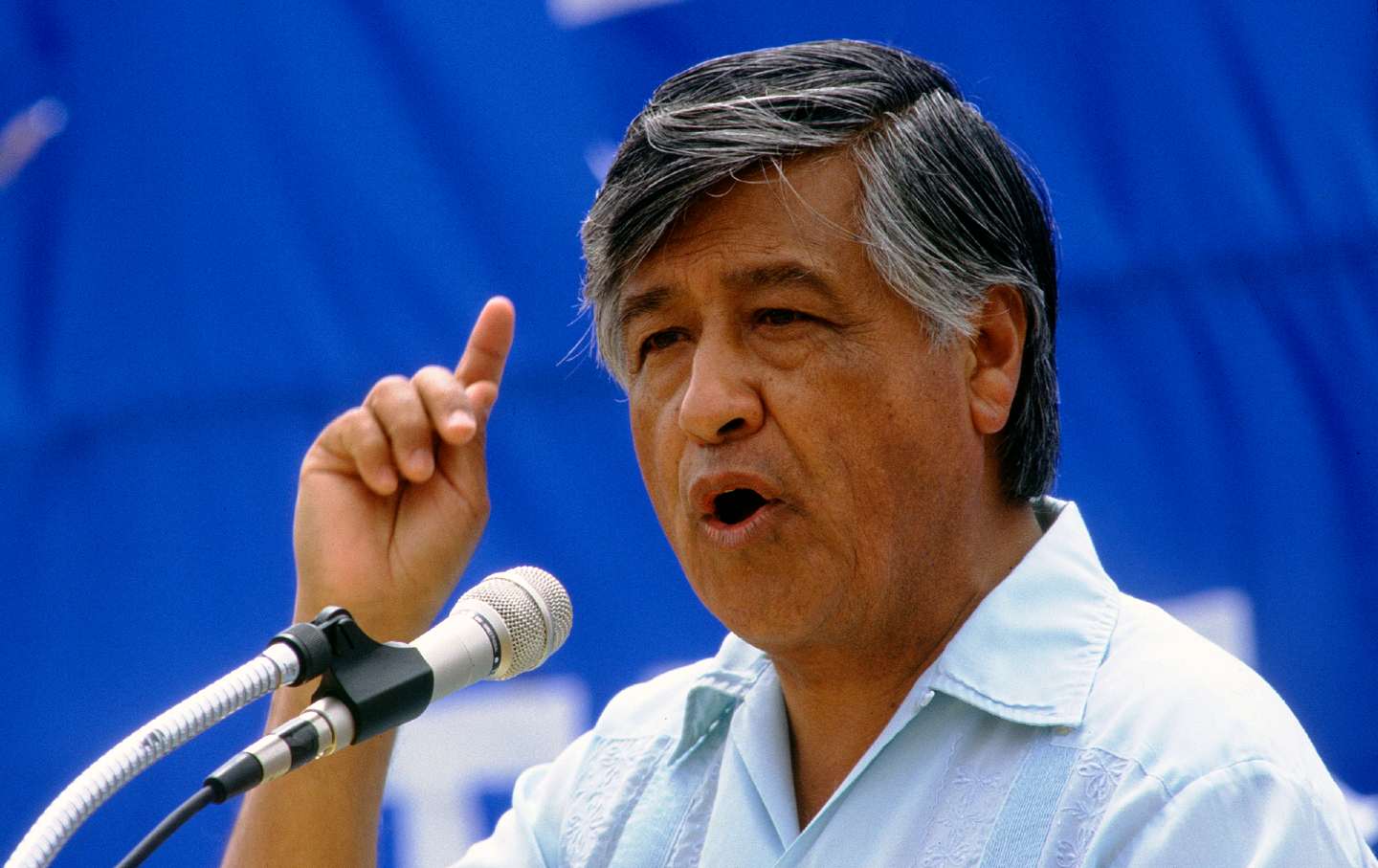
Trump Wants to Criminalize Dissent. This Texas Case Could Help Him Do It. Trump Wants to Criminalize Dissent. This Texas Case Could Help Him Do It.
The Prairieland Defendants are on trial in a case that could set a chilling precedent for the right to protest in the United States.

A Motto for All Health Workers: Resist, Resist, Resist A Motto for All Health Workers: Resist, Resist, Resist
Doing our work and keeping our heads down isn’t a victory. We need to fight this regime every day, in every way.
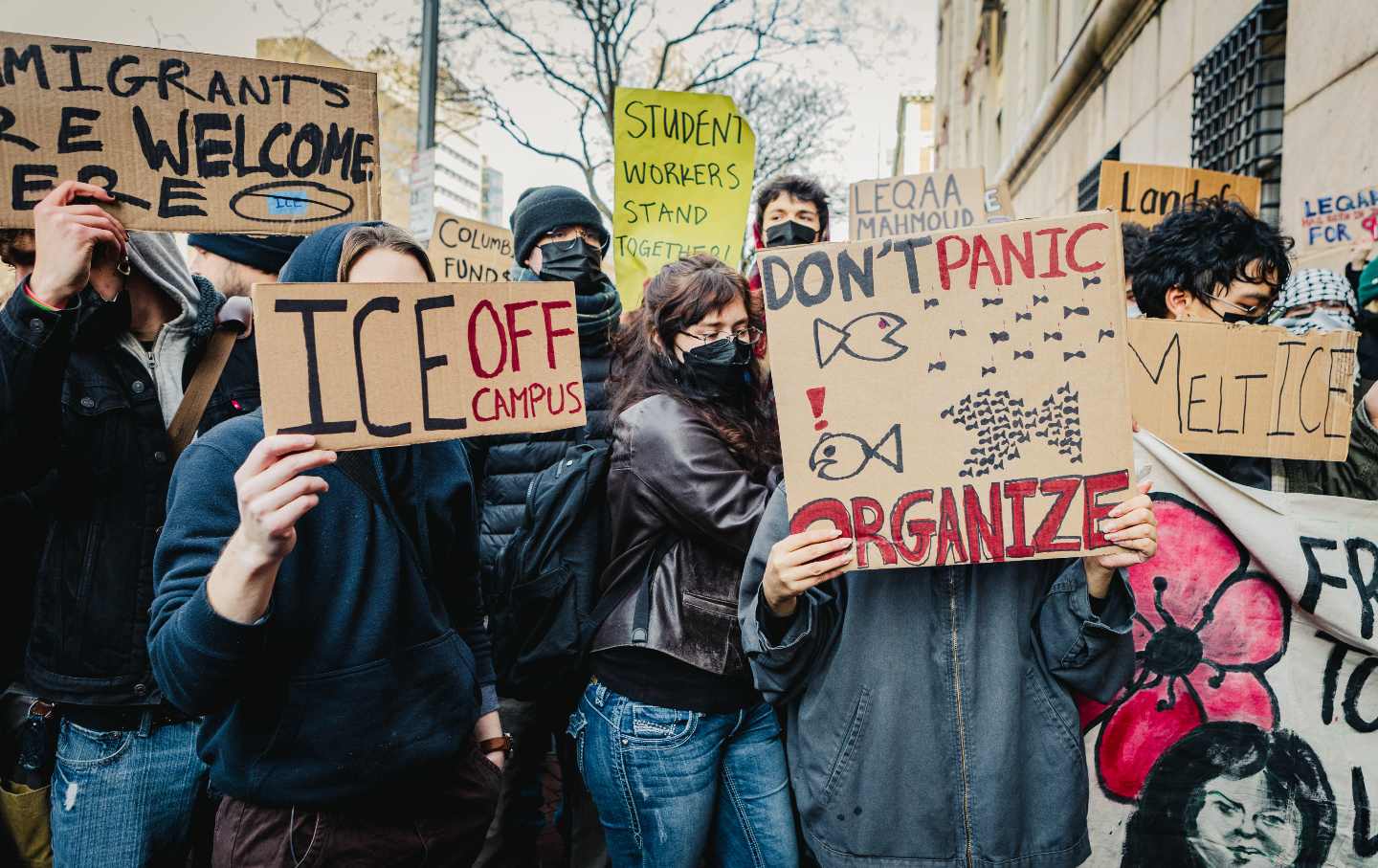
Inside the “ICE Off Campus” Movement Inside the “ICE Off Campus” Movement
Amid repression from the Trump administration, students nationwide are forming alliances with faculty groups, unions, and alumni to protect undocumented and international students...

