
War and the Wealthy
Reflections on this moment and ways to take action.
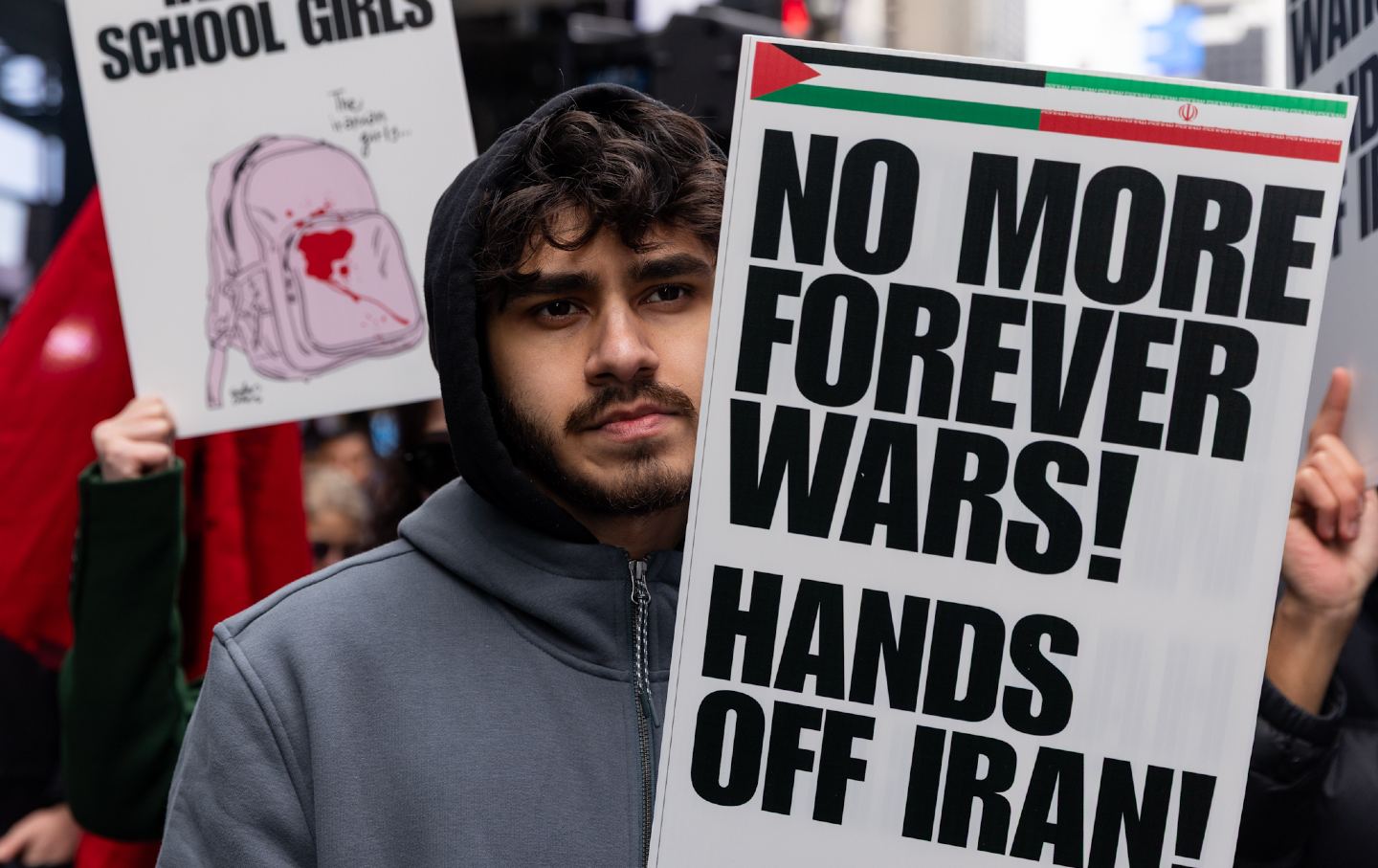
For thousands of years, war has been a favorite way for the rich to make money and consolidate power. High risk, high (material) reward.
Despite recent volatility, the US stock market has been consistently driven higher by war and the inevitable rebuilding efforts, turning conflict into profit for wealthy shareholders, institutional investors and, these days, hedge funds. There is such a stark divide between those who bear the cost of war and those who stand to gain.
Today is no different. Trump and Netanyahu are doubling and tripling down on their strategy of shoring up domestic support through endless war.
This conflict is not about human rights. It is about power, profit and oil.
It has little to do with the well-being of Iranians, Israelis, Americans or anyone else.
In the 1990s, I remember anti-war protests by students at my K-8 private school in San Francisco, on the street corner outside our building. I can picture cars honking while they drove by on Masonic Avenue as middle school kids held up signs saying “No War in Iraq.”
In 2002, I was part of a direct-action group that was going to lock down the corporate offices in San Francisco to protest the invasion of Iraq after 9/11. The day before I got horribly sick. I might really have been sick, but I was also scared. Scared to lock down. To be putting my body on the line like that.
My dad was a conscious objector in Vietnam. My mom was part of a weekly vigil at the federal building after 9/11.
This was all righteous action. But quite disconnected from any relationship with the largely working-class people who serve in the US military.
No one I know from any of the K-12 schools I went to enlisted in the military. If anything, I was taught to look down on those who served and for whom patriotism was an important value.
Without a broad-based, cross-class alliance, anti-war efforts like my family’s are justified and right, but also isolated and ineffective.
What do we do now? How do we organize across class and race to build an anti-war movement that can win? Here is an admittedly noncomprehensive list of suggestions:
• Support and get involved with veterans groups organizing against the war, such as About Face: Veterans Against the War, VoteVets, Common Defense and Veterans for Peace.
• Support and get involved with National Iranian American Council. Sign up for their regular updates and action alerts. Their e-mails have been such a helpful resource in educating myself on the current situation.
• Support and get involved with anti-war groups like Win Without War, working to advance more peaceful US foreign policy, and Dissenters, organizing young people on college campuses, as well as multi-issue groups mobilizing against the war such as Working Families Party and MoveOn. These organizations are playing a leadership role in anti-war efforts here in the US and will be continuing to shape the response moving forward.
Popular
“swipe left below to view more authors”Swipe →• For those interested in building a powerful anti-war movement in the long term, Grassroots Global Justice Alliance (GGJ), Grassroots International (GRI), MADRE and Peace Development Fund are partnering to launch Funders for Demilitarization. It is an emerging project and pooled fund working to increase philanthropic resources going towards grassroots work confronting US militarism, as well as developing and strengthening alternatives to militarism and war. It is a unique collaboration between grassroots social movement organizations and trusted philanthropic institutions, coming together to govern the fund and “move at the speed of trust.” For more information or to get involved, contact MADRE (a highly respected international human rights organization and the host for this project) at [email protected].
• Join a local demonstration against US aggression and war with Iran, such as the next No Kings rally on March 28.
• Build relationships of respect with people from Iran, Israel, West Asia and Africa, as well as with veterans and active-duty military. These will necessarily be some of the lead forces in any successful anti-war organizing.
Become a Sustaining Donor This September
Between the reemergence of right-wing red-baiting and Donald Trump’s use of the chilling National Security Presidential Memorandum–7 to criminalize left political organizing, we’re seeing McCarthyism reborn before our eyes.
This assault on democracy cannot be ignored or wished away. Resisting it requires bravery in the face of threats and repression, a steadfast commitment to the truth, and the unwavering belief that we can—and will—overcome this darkness.
We must have an independent media that sets the record straight, unearths corruption and abuses of power, and advances a politics of justice and dignity for all if we’re to win this fight.
That’s why I’m writing to you today. This September, The Nation needs to add 100 monthly donors to sustain our progressive journalism. Your contribution makes the next investigative report, the next truth-speaking column, and the next pathbreaking essay all possible.
I hope you’ll support our work with a recurring donation today. If you donate $10 or more a month, we’ll send you a brand new “Hands Off the Free Press!” sticker to recognise your commitment to our cause. Please, donate today.
Onward,
Katrina vanden Heuvel
Editor and Publisher, The Nation
More from The Nation
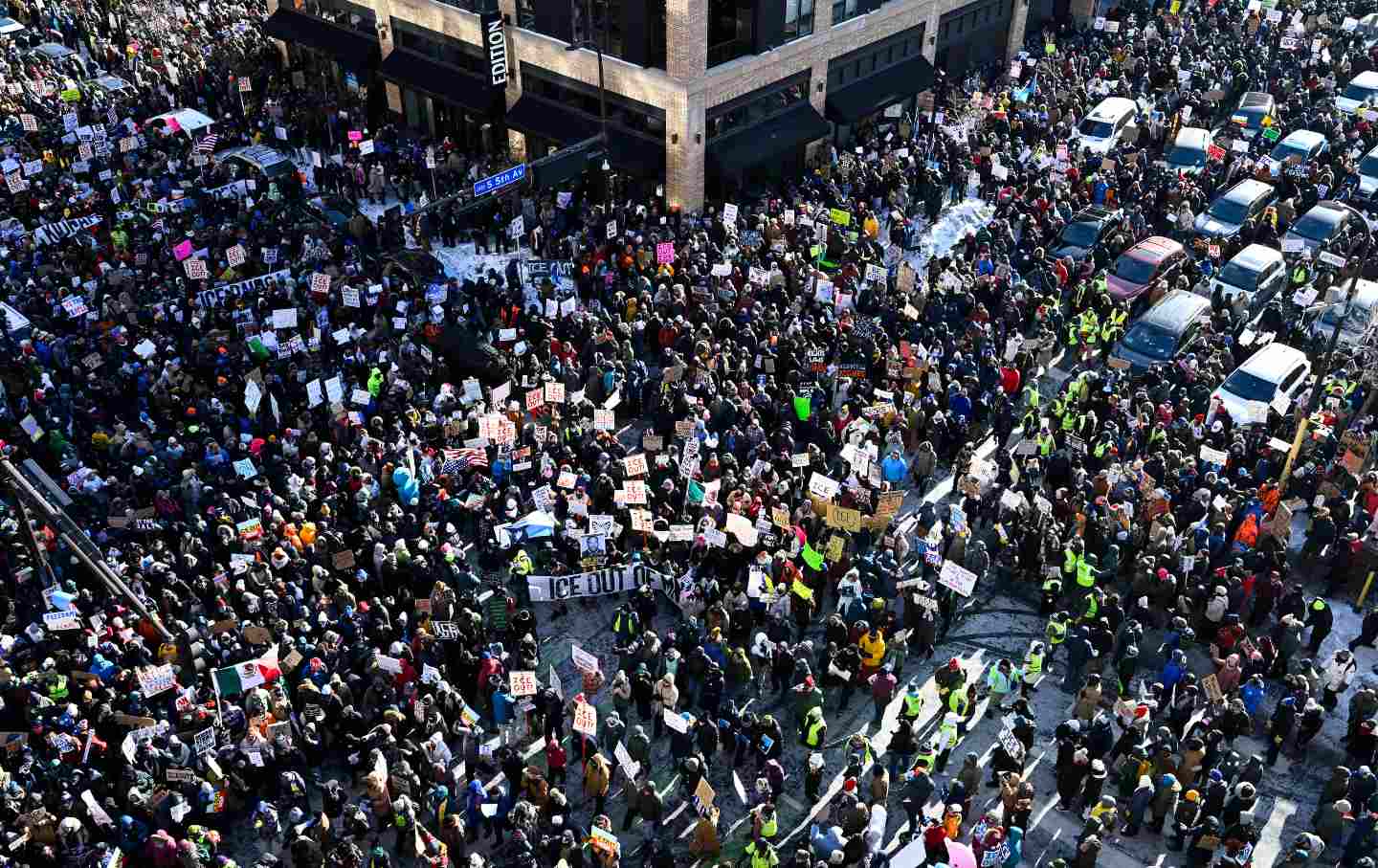
The Impossible Will Take a Little While: The Power of Persistence The Impossible Will Take a Little While: The Power of Persistence
In troubled times, history offers a lesson: Seemingly impossible change can begin with ordinary people who refuse to give up.
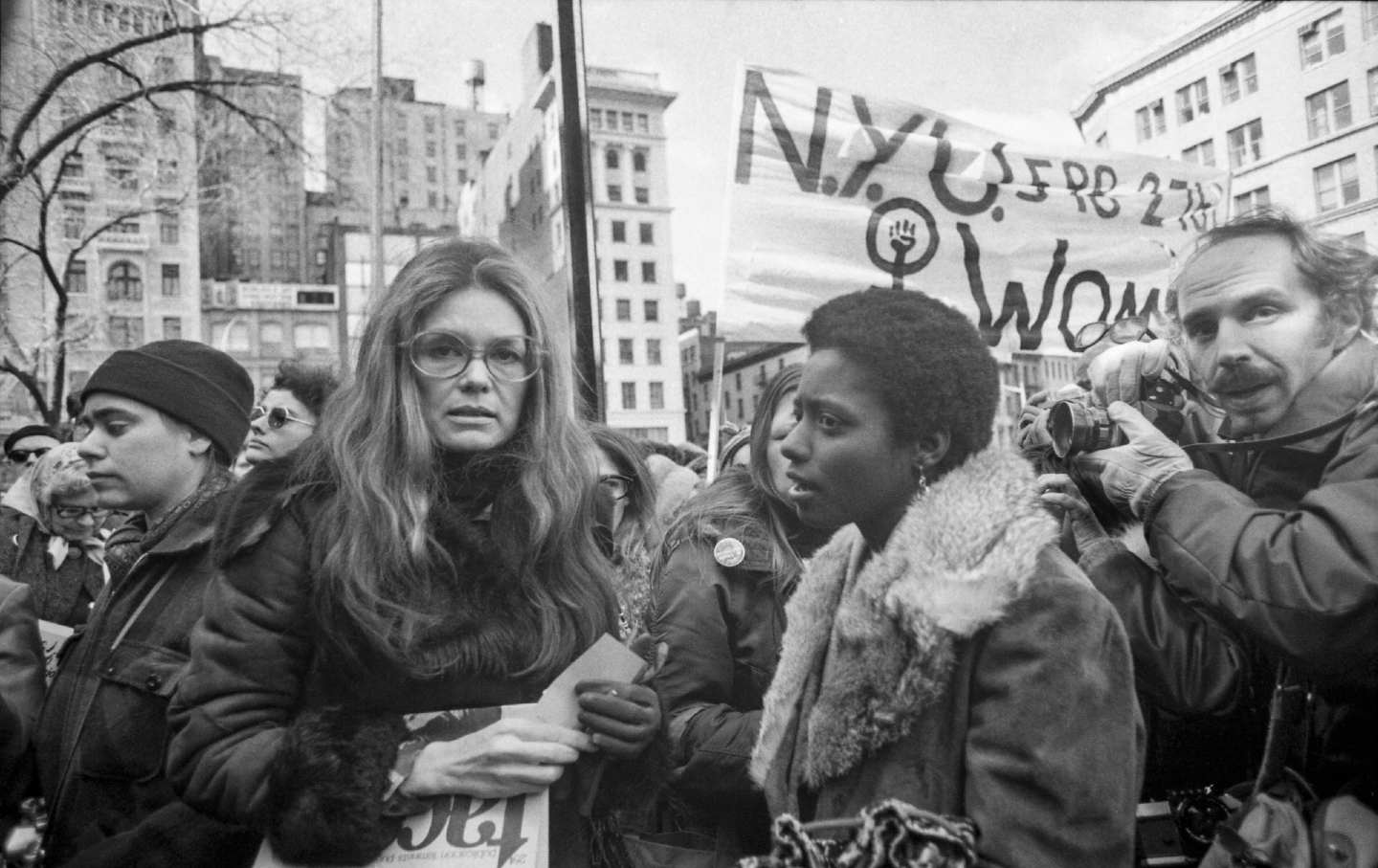
Gloria Steinem’s Many-Splendored Feminist Life Gloria Steinem’s Many-Splendored Feminist Life
The feminist icon lived the struggle for gender equality and always found time to lend support and solidarity to other women leaders, even in her final days.
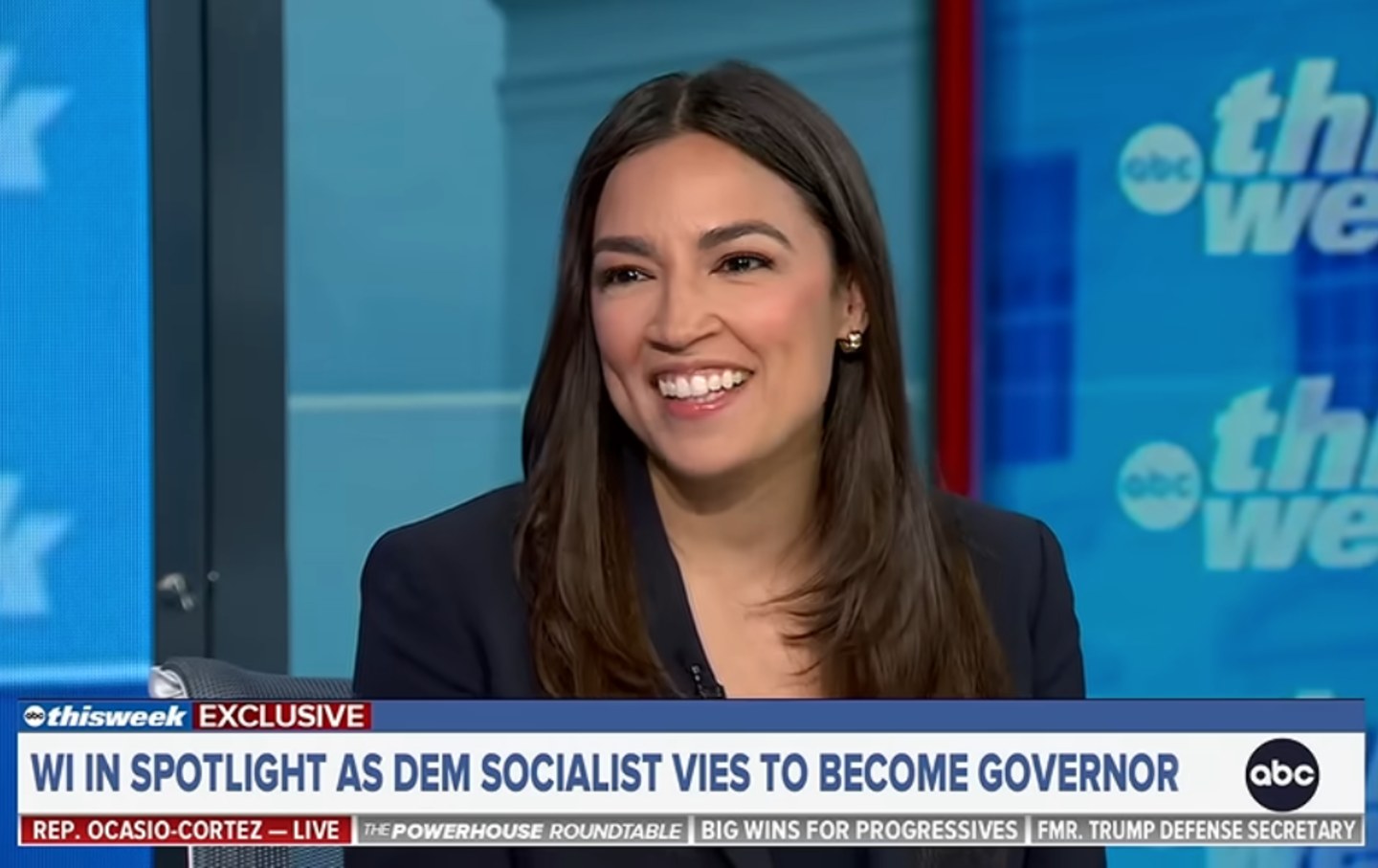
No, Woke 1 Was Not Crazy No, Woke 1 Was Not Crazy
AOC and others are laughing off 2020 as a wild, isolated moment. None of that is true.
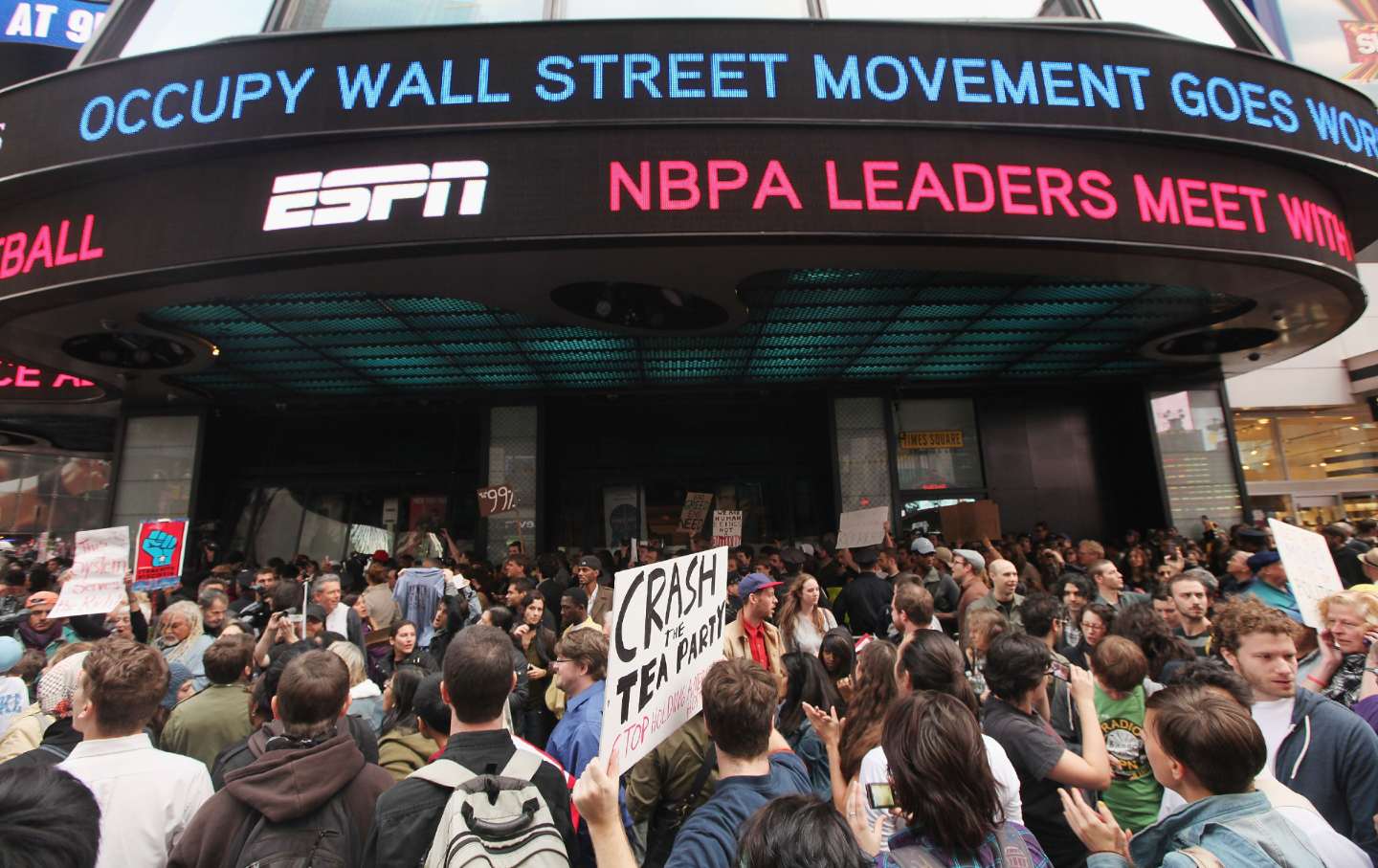
How Occupy Wall Street Still Explains Politics Today How Occupy Wall Street Still Explains Politics Today
It sowed the seeds for a new era of social movements—but its politics of powerlessness should act as a cautionary tale.

Abdul El-Sayed’s Win Is a Landmark. But the Fight Is Far From Over. Abdul El-Sayed’s Win Is a Landmark. But the Fight Is Far From Over.
Even though the Palestine movement is on the march, we can’t afford any complacency.

Mamdani’s Team Redefined Political Video. Now They’re Betting on Short Films. Mamdani’s Team Redefined Political Video. Now They’re Betting on Short Films.
Premiering exclusively in The Nation, a new short film produced by City Hall and narrated by Morgan Spector highlights the efforts of the biggest tenant-led union in New York City...

