
Who Will Lead the New Congress?
Can the bluenami clean its own house?
A stunning realigning election. Previously unimaginable Democratic majorities in both House and Senate. Stark repudiation of Trump and his Republican enablers and loud demand for dramatic change. Every swath of voters moved left. Economic populism drove the debate. Democrats won across the country. Hell, Texas went blue top to bottom. And Mississippi, goddamn.
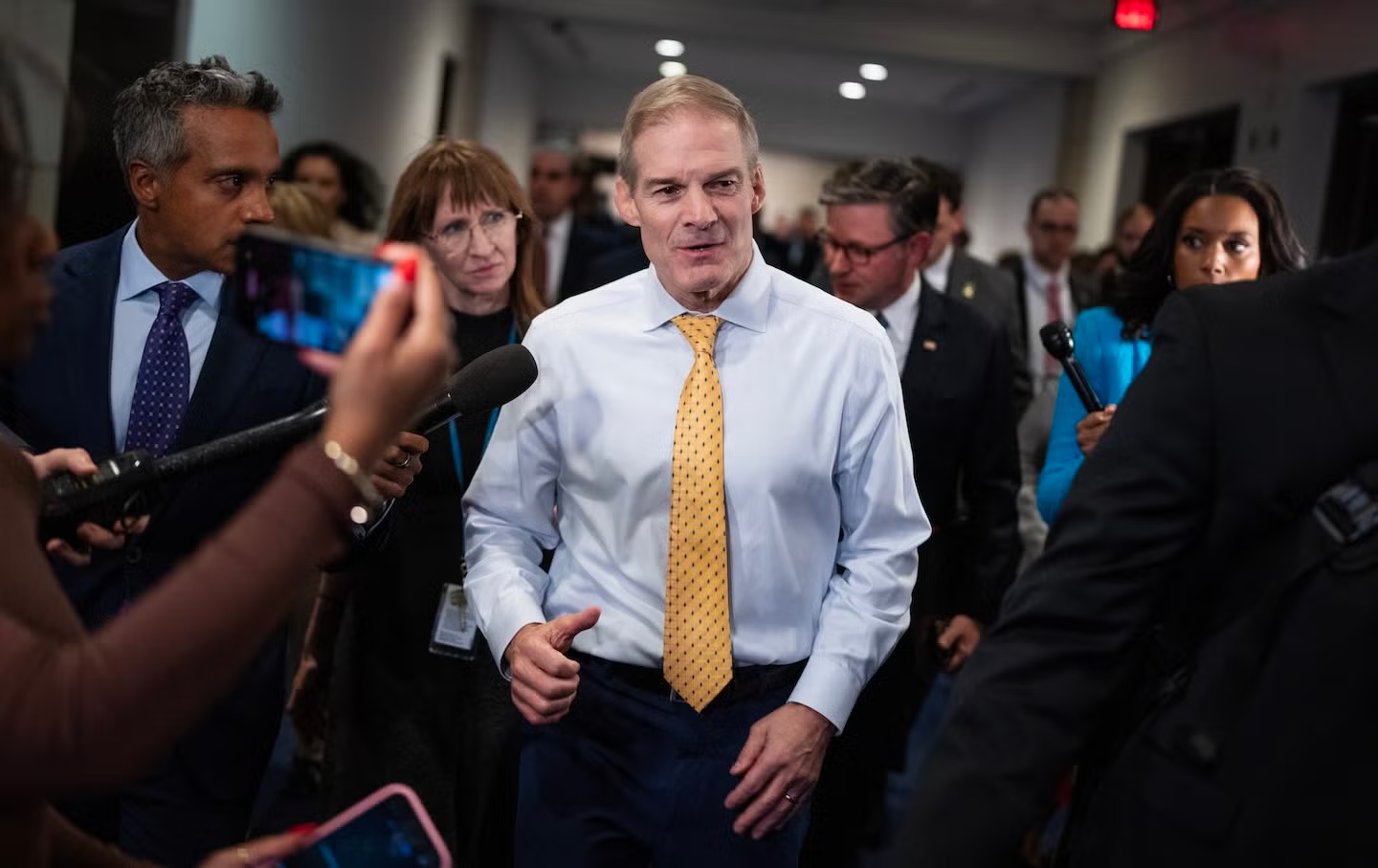
Donald Trump is visibly discombobulated by the rout. But beneath him, MAGA is girding for war. The loathsome Steven Miller has been named chief of staff. Russell Voight is arming the OMB to control the power of the purse. House Republicans chose the MAGA zealot Jim Jordan as their leader. Their gloves are off.
So who will lead the newly empowered Democrats for the next two years? Who can galvanize the new majorities, lay out a bold vision, champion aggressive reforms, and drive the battle against Trump and the MAGA remnants?
Chuck Schumer and Hakeem Jeffries?
Really? It is hard to conjure up a pair less suited for the time. Both are cautious and compromised, more comfortable plotting tactical retreats than launching full-force offensives. Both are wooden speakers. Both are too close to Wall Street, to Big Tech, to Israel and AIPAC. Both are practitioners of small-bore, big-money politics, not populist insurgencies.
In revealing ways, both have already failed the moment. As House Democratic leader Jeffries could have crystallized the insurgency. The head of the Congressional Progressive Caucus, Greg Cesar, presented it to him on a plate. Last April, the CPC put out a 10-point affordability agenda of popular reforms that could unite Democrats. Jeffries could have imitated Newt Gingrich when he led Republicans to capture the Congress for the first time in 40 years against Bill Clinton. Put out a clear platform, line up 300 candidates to commit to pass it in the first 100 days. Democrats would now be armed with a clear mandate to move from the get-go, so they wouldn’t end up enmeshed in investigating Trump’s crimes while they cast about for positive reforms. Jeffries chose to set up “working groups” instead.
Then this week, in the lame-duck session, Jeffries demonstrated his competence may be as questionable as his charisma. He inexplicably failed to mobilize all Democrats to show up and vote on the Hegseth impeachment resolution, giving MAGA a cheap win. A missed opportunity and a failed basic responsibility—hardly an auspicious start.
Schumer boasts that he gave Democrats their message of “costs, corruption, and chaos,” and defines that as his charge as Senate majority leader, characteristically confusing messaging for an agenda, alliteration for a plan. In fact, the election victory was launched by popular mobilizations—No Kings, anti-ICE, anti-AI—and framed by populism of the Bernie Sanders–AOC “Fighting Oligarchy” tour. With voters squeezed by Trump’s wars and rising prices, appalled by brazen corruption and big money, revolting against AI and big tech’s swagger, and young voters particularly appalled by the Gaza horrors, Schumer’s record lines up too often on the wrong side of the barricades.
Even as Jeffries and Schumer basked in the victory, a revolt against their accension was brewing. Indivisible and other organizers of the No Kings demonstrations inundated congressional offices with calls for new leadership. A Change.org petition against Jeffries has garnered over a million signatures since its launch in September. The International Association of Machinists called for Schumer to step aside. But in both the House and Senate, the deck is stacked against change.
Of the two, Jeffries is the more structurally vulnerable and the more politically secure. To be elected speaker of the House requires a majority vote of the entire Congress. Despite the remarkable Democratic Party margin, the active base of the 110 plus members of the Congressional Progressive Caucus could in theory join the unified Republican opposition to block his candidacy.
But there is no alternative candidate—and Democrats will choose their leader—and candidate for speaker—next Tuesday. Few Democrats will want to usher in a new era by defeating their own candidate for speaker.
Also, Jeffries would be the first African American speaker of the House, a milestone that many will be reluctant to oppose, particularly in the face of Trump’s race-bait politics. Add to that the support any Democratic leader garners by raising funds for candidates and the power the leader has to punish insurgents by denying them prized committee assignments, threatening them with ostracism, and more—and Jeffries’s election is assured. Even a former vocal opponent, Representative-elect Will Lawrence, cofounder of the Sunrise Movement and former member of the Democratic Socialists of America, now plans to vote for Jeffries. The CPC’s leadership is focused on defining reform priorities, not leading a coup attempt.
Schumer, by contrast, is more structurally secure and more politically vulnerable. He only must win a majority of the Democratic caucus to become Senate majority leader. Most of the caucus are incumbents who weren’t even up for reelection this year.
Schumer confidently predicted victory: “l’ll be reelected as majority leader,” claiming he had the votes in hand. Turns out that may be only another indication about how removed he is from the moment.
From Maine to Texas, the newly elected senators—El-Sayed of Michigan, Talarico of Texas, Hamilton of Kansas, Andrews of South Caroline, Stratton of Illinois, Pappas of New Hampshire, Flanagan of Minnesota, Jackson of Maine—declared that they were not ready to commit to Schumer.
Popular
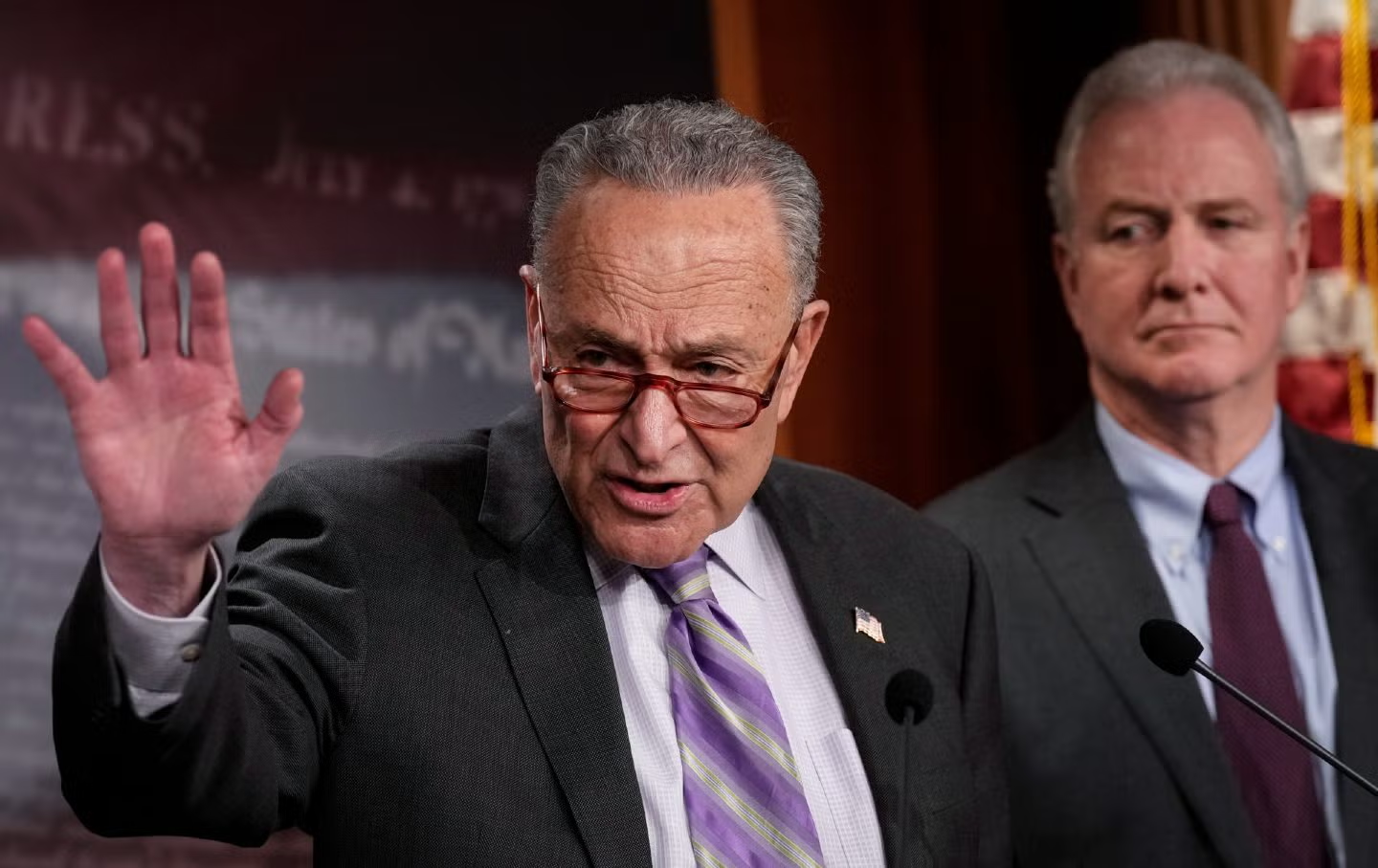
“swipe left below to view more authors”Swipe →Then, in a stunning press conference, Bernie Sanders, the populist independent who caucuses with Democrats, joined with Michigan Senator Elissa Slotkin, an ambitious centrist Democrat, to announce that they wanted a full debate before a leader was chosen. Sanders said it was “time for a change,” and that he was a “no” on Schumer. Slotkin called for a debate, that this wasn’t about left or right, but a choice between “team fight vs. team flight,” intimating that Schumer was on the wrong team. “You can’t lead people,” she said, “if you can’t lay out where you’re going.”
At the same time, the widely respected liberal Chris Van Hollen of Maryland indicated he was talking to his colleagues about a challenge to Schumer.
Although still the odds-on favorite, Schumer’s election is now less assured. Whatever the outcome, the challenge can have important effects. Both party posts beneath Schumer in the Senate—the party whip and the chair of the steering and policy committee—are open. Demands for long-overdue changes in caucus planning and coordination and communication strategy might also open new positions. The new populists should demand places in the leadership, drawn as Slotkin suggests from the younger generation, freshmen or sophomore legislators. Similarly, the next majority leader should be committed to driving a slate of direly needed reforms—ending the war in Iraq, setting up a national dispensary of generic drugs, raising the minimum wage to $25, cutting off aid to Israel, regulating AI, taxing billionaires and using the revenue to make childcare affordable, and more.
The press tends to dismiss the leadership fights as a distraction at best. In reality, these are a necessary continuation of the transformative election. A new generation has been elected. They don’t outnumber the centrists yet, but the incumbents have been put on notice. If real change is to come, activists must continue to ratchet up pressure on legislators. Challenges to the incumbent leaders are good indications that business as usual will no longer be acceptable.
More from The Nation
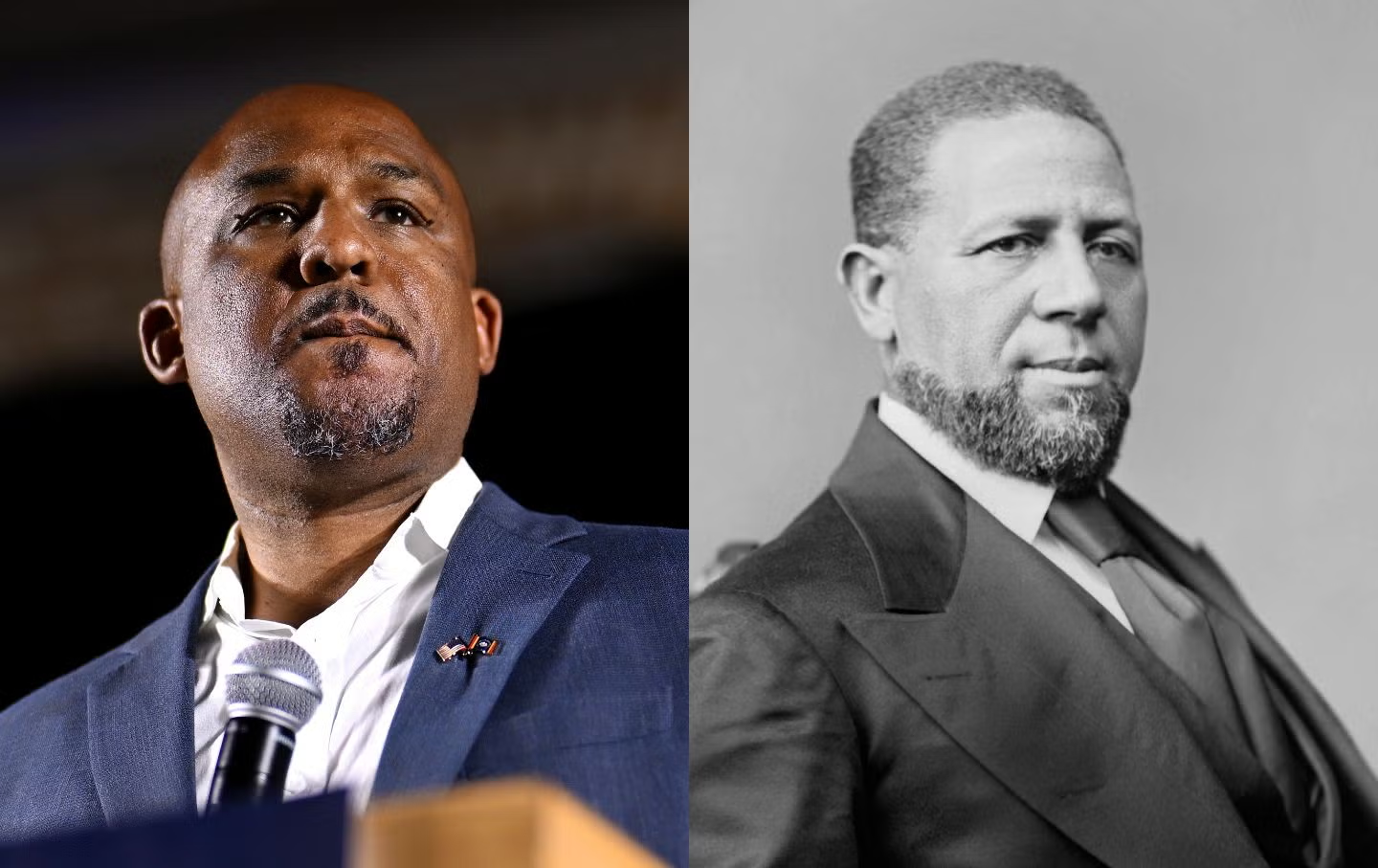
Before Scott Colom, There Was Himan Revels Before Scott Colom, There Was Himan Revels
As Mississippi sends its first Black senator to Washington since Reconstruction, historian Eric Foner profiles the man who went first.
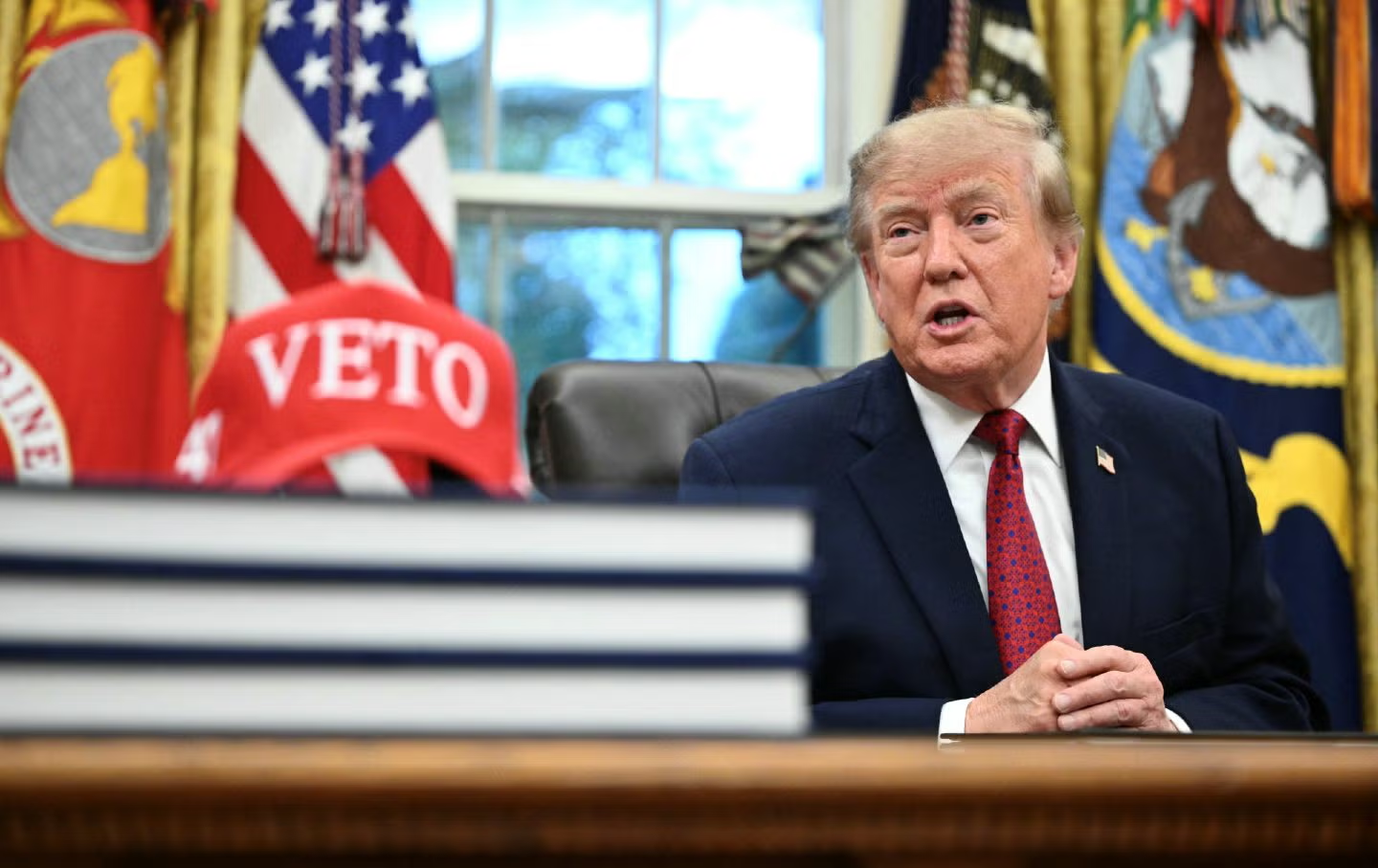
Holding Trump Accountable Is Not Optional for Democrats Holding Trump Accountable Is Not Optional for Democrats
Yes, the party must focus on the economy. But that is inextricably linked to a focus on corruption.
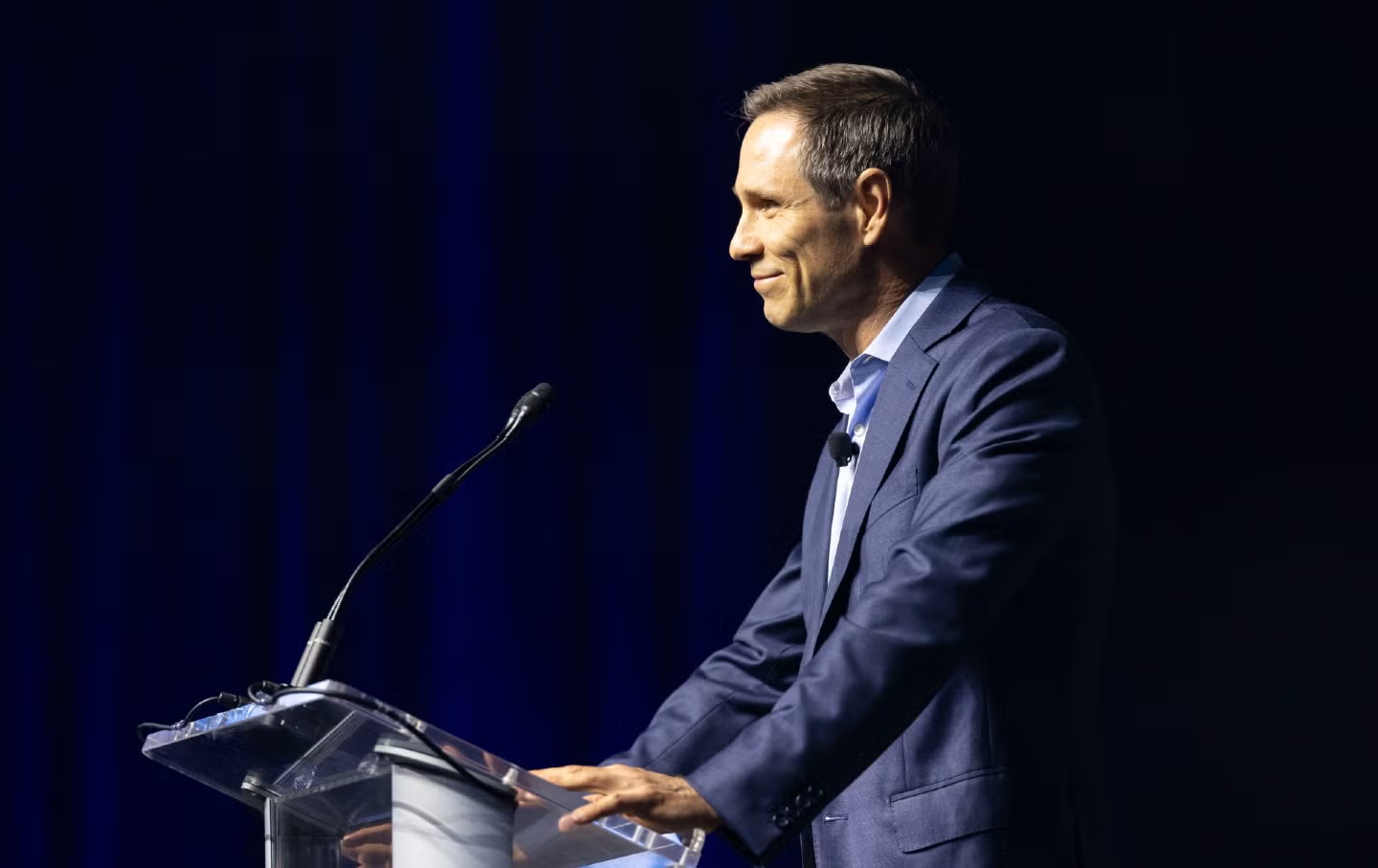
This Guy Could Change the Direction of the Supreme Court This Guy Could Change the Direction of the Supreme Court
Texas’s newly elected attorney general, Nathan Johnson, has the power to end the state’s role as a pipeline for the most toxic high-court cases.


The Unpardonable Malpractice of Pete Hegseth The Unpardonable Malpractice of Pete Hegseth
Yes, the defense secretary has committed impeachable offenses. But he's also just really, really, really bad at his job.
Jim Jordan’s MAGA Comeback Jim Jordan’s MAGA Comeback
The Ohio representative was once too extreme for GOP leadership. Not anymore.

