America’s Iran Failure Is Bigger Than Trump
Trump’s personalization of foreign policy is ultimately a symptom of a deeper institutional problem rather than its source.
Nothing exposes the bankruptcy of America’s approach to Iran more clearly than its return to more war as the answer to its own failures.
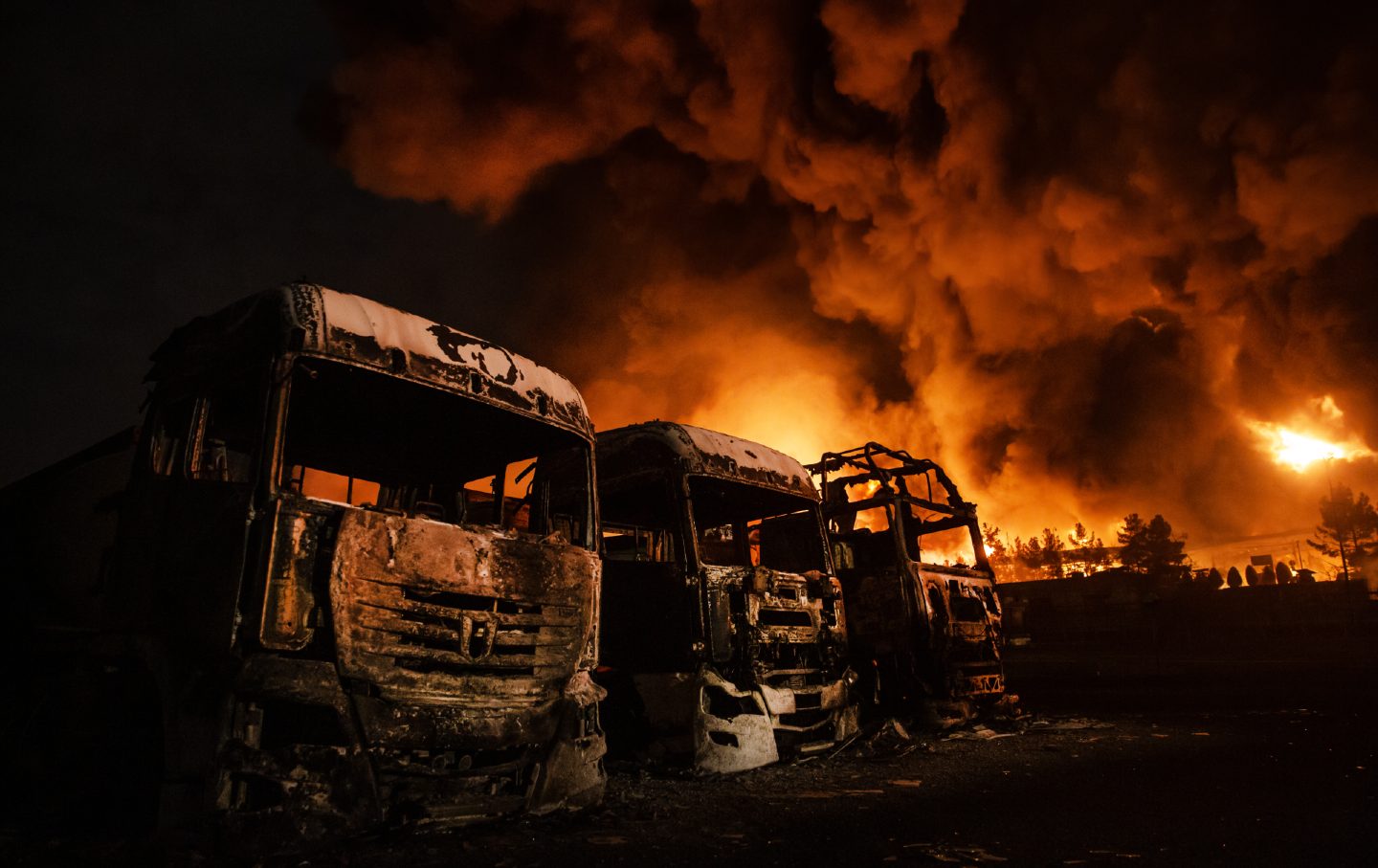
Less than a month after stepping back from military escalation in pursuit of an interim understanding with Tehran, the Trump administration has returned to the same maximalist strategy that nearly 40 days of fighting had already shown could deliver neither a favorable outcome for the United States nor regional or global stability. In the latest wave of escalation, three more US service members were killed, bringing the US military death toll to 17. The United States has widened its strikes to include bridges, electrical infrastructure, and, according to Tehran, the unfinished Darkhovin nuclear power site, while Iran has attacked US bases and critical infrastructure across Jordan and the Persian Gulf.
It is tempting to dismiss the war resumption as another example of Donald Trump’s impulsiveness. It is something deeper. Trump is less breaking with America’s approach to Iran than taking it to its logical conclusion.
For nearly half a century, Republican and Democratic administrations alike have largely operated from the same basic theory: that escalating economic and military pressure would eventually force Tehran to concede or buckle under the weight of coercion. The Obama administration’s pursuit of the 2015 nuclear agreement was the clearest break from that logic. Yet the agreement never escaped the coercive architecture surrounding it. Its promised economic benefits for Iran depended heavily on reversible presidential waivers, making the deal easy to dismantle and difficult to trust. When Trump withdrew, Washington drew no lesson from the collapse beyond the one it had always preferred: apply more pressure.
Trump’s principal departure has not been from America’s fundamentally coercive approach to Iran but from the way that approach is conducted. Consequential foreign policy decisions have increasingly been concentrated in the hands of family members, trusted friends, and informal envoys such as Steve Witkoff and Jared Kushner, bypassing many of the institutions meant to provide expertise, deliberation, and accountability. Yet those institutions have long struggled to fulfill that function. Trump’s approach has only further diminished their ability to challenge assumptions, incorporate dissenting views, and learn from failure.
Indeed, Trump’s personalization of foreign policy is ultimately a symptom of a deeper institutional problem rather than its source.
As one of the authors, Sina Toossi, argues in a recent Center for International Policy report, Washington has consistently approached Iran through linear assumptions about how states respond to coercion. The underlying assumption has been simple: more sanctions create more pressure, more pressure yields more concessions, and overwhelming US military superiority will inevitably translate into the political outcomes Washington seeks.
The historical record, however, tells a different story. Rather than producing a predictable chain of cause and effect, US pressure repeatedly reshaped the very political system it was intended to influence, often in ways Washington neither anticipated nor understood. The economic siege weakened the social and political forces most invested in engagement while strengthening the security institutions best positioned to thrive under confrontation. Diplomatic reversals discredited Iranian leaders who argued that accommodation with the United States could produce lasting benefits, reinforcing the arguments of those who insisted that Washington could not be trusted.
That same dynamic is evident today. The current war has strengthened the influence of Iran’s hard-line security establishment while further narrowing the political space for those advocating renewed diplomacy with Washington. Although Tehran entered into a memorandum of understanding, it was widely viewed not as a pathway to lasting reconciliation but as a temporary instrument for securing economic relief, reducing immediate risks, and positioning Iran more favorably for whatever comes next.
Yet the deeper failure was not simply Washington’s inability to anticipate how Iran would respond to pressure. It was its own inability to learn from how its own strategy repeatedly fell short.
Healthy political systems learn from failure because failure creates pressure to change. That pressure comes through accountability. When strategies repeatedly fall short, leaders are expected to answer for the results, institutions reassess their assumptions, and policies adapt. Washington’s approach to Iran has too often escaped that discipline. Officials rarely pay a political price for strategies that fail, Congress seldom exercises meaningful oversight over military action, and familiar ideas are recycled rather than reconsidered. As a result, when coercion falls short of its objectives, the lesson is rarely that the strategy itself was flawed. More often, policymakers conclude that the pressure was simply insufficient and should be intensified. Failure, in other words, becomes self-reinforcing rather than self-correcting.
Importantly, Trump did not create this cycle. He inherited it and made it harder to ignore. And unless America’s foreign policy establishment becomes more willing to question its assumptions and learn from its mistakes, it is likely to continue reproducing the very crises it seeks to prevent.
The consequences of that dynamic extend well beyond the current administration. One of the clearest opportunities to break this cycle came after the Iraq War. Rather than pursuing meaningful accountability for one of the most consequential foreign policy failures in modern American history, the Obama administration largely chose to look forward rather than backward. That decision helped entrench the expectation that even catastrophic strategic mistakes would carry few institutional consequences. The next administration and Congress should not repeat that mistake.
Popular
“swipe left below to view more authors”Swipe →If that was a missed opportunity to restore accountability, the current administration has gone a step further by seeking to undermine it altogether. A case in point is Marco Rubio’s pledge to dismantle the International Criminal Court “brick by brick” reflects more than hostility toward one institution. It signals an effort to weaken one of the few external mechanisms capable of imposing consequences when American power is used unlawfully. Rather than treating accountability as a necessary condition for learning, it treats accountability itself as the threat.
Yet there are signs that this pattern need not be permanent. Earlier this month, Senate Democrats refused to advance the annual National Defense Authorization Act while the unauthorized conflict with Iran continued, signaling a willingness to use Congress’s institutional powers rather than simply criticize the war. The vote did not end the conflict, but it suggested that at least some lawmakers recognize that preventing strategic failure requires restoring constitutional checks before the next crisis arrives.
Escaping this cycle requires more than a different policy toward Iran. It requires rebuilding the institutions and habits that allow American foreign policy to learn from its mistakes: meaningful congressional oversight, genuine accountability, and a willingness to question assumptions that have repeatedly failed. Until those feedback mechanisms are restored, the United States is likely to continue mistaking escalation for strategy and treating each new crisis as though it were an entirely new problem rather than the predictable consequence of lessons left unlearned.
“Dawn will break over the darkness, and our mistakes will once again be forgotten.”—The Odyssey (2026)
More from The Nation
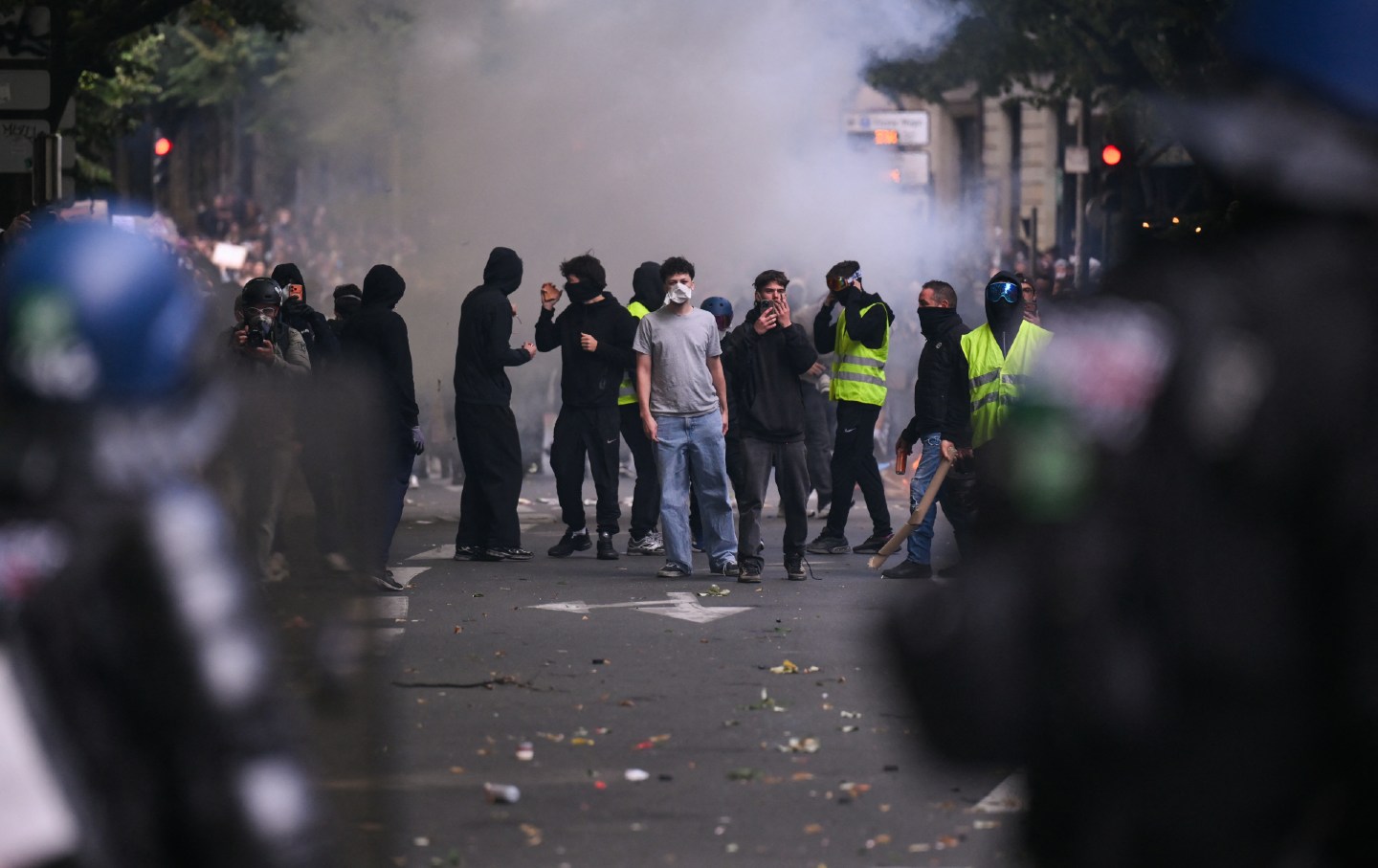
The Specter of Lepenism Looms Over France’s Social Crisis The Specter of Lepenism Looms Over France’s Social Crisis
Joining forces with the “yellow vests,” youth demonstrators are raising the alarm in a country falling to the far right.
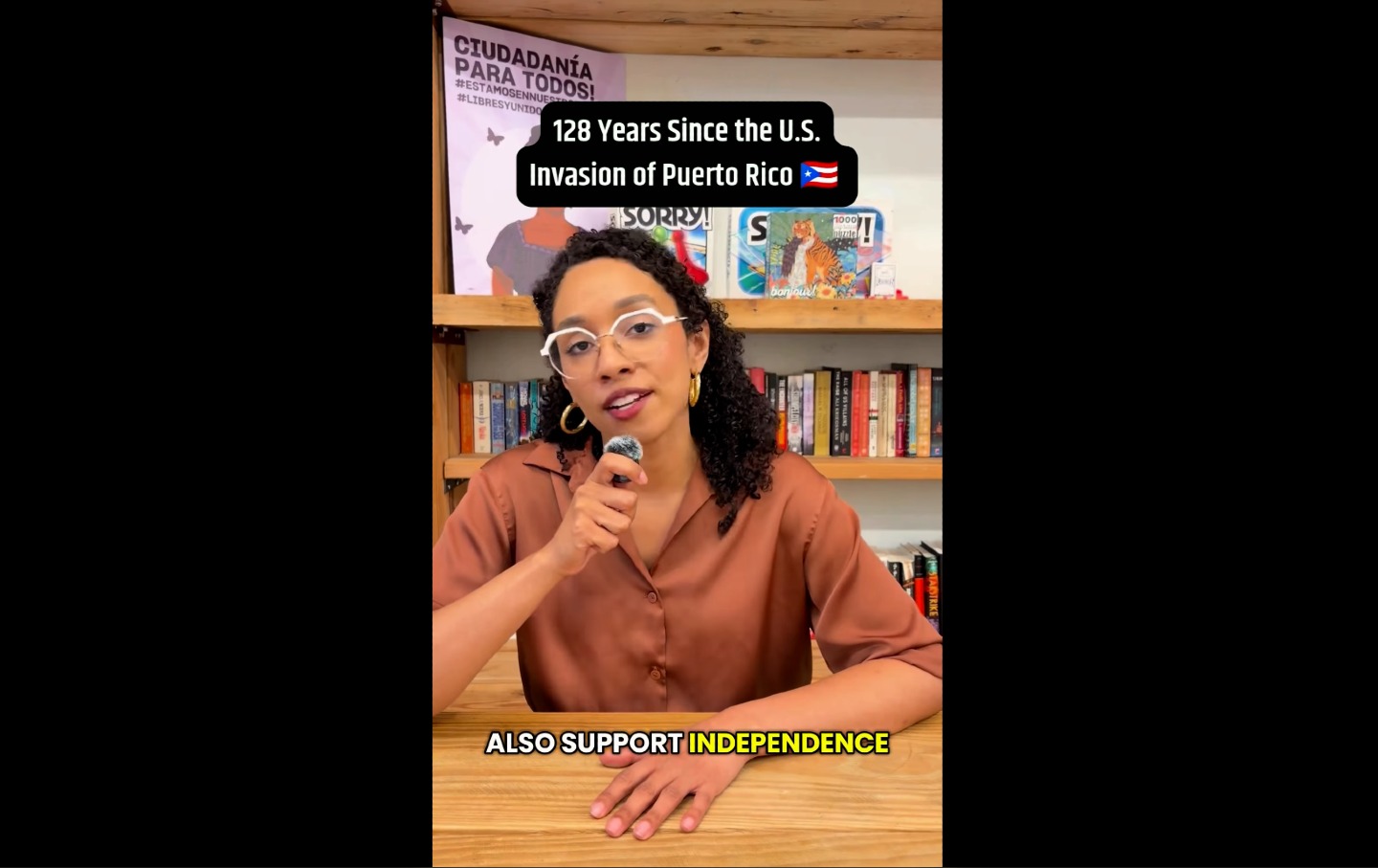
Progressives Are Backing Puerto Rican Independence. It’s About Time. Progressives Are Backing Puerto Rican Independence. It’s About Time.
More and more leftists are concluding that statehood for the island is not enough.
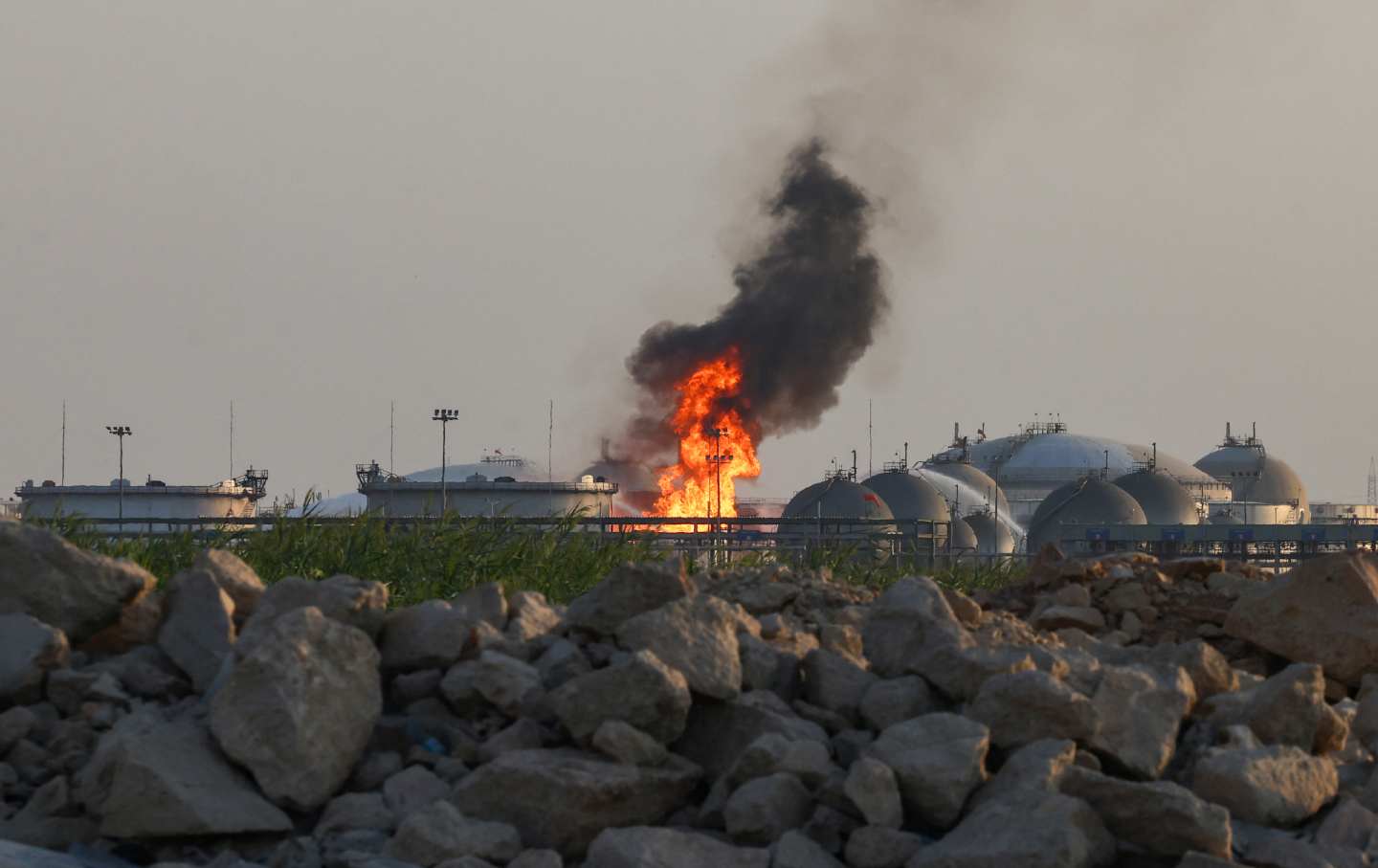
The Saudi Phase of the Iran War Signals More Chaos to Come The Saudi Phase of the Iran War Signals More Chaos to Come
The conflict that Donald Trump has repeatedly proclaimed an unequivocal American victory keeps spiraling out of control.

Why Navi Pillay’s Receiving the Nobel Peace Prize Is So Important Why Navi Pillay’s Receiving the Nobel Peace Prize Is So Important
She believes that human rights and international law are universal principles that must be enforced regardless of violator’s ideology, ethnicity, or geostrategic alignment.
Andy Burnham’s Speech to the Labour Party Conference Could Be the Start of a Positive Social-Democratic Politics Andy Burnham’s Speech to the Labour Party Conference Could Be the Start of a Positive Social-Democratic Politics
But the autumn budget to be released at the end of October will offer needed details.