The Rubio Cable on Cuba
Inside US efforts to shut down debate at the United Nations on Washington’s economic warfare.
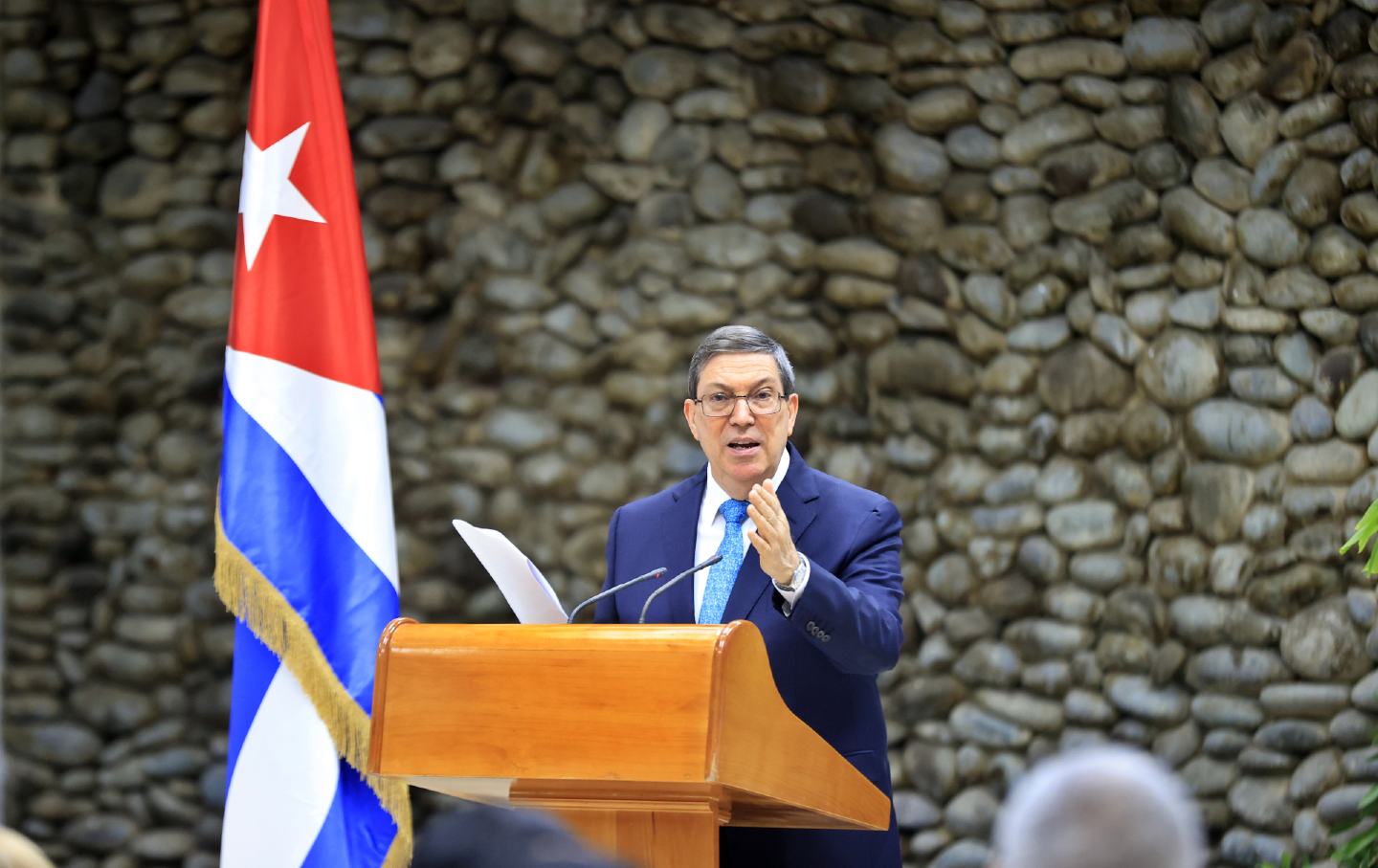
On June 30, Cuban Foreign Minister Bruno Rodriguez announced that his government has formally requested the United Nations to address escalating US economic aggression against Cuba, and the catastrophic humanitarian crisis it has created. A vote in the General Assembly to open debate on the Trump administration’s “maximum pressure” campaign is scheduled to be held on July 7, Rodriguez told reporters at a Havana press conference—if US “coercive measures” did not manage to block the initiative. “The State Department apparatus,” Rodriguez alleged, “is trying to impede the General Assembly from considering an issue of urgent global interest, using pressure, lies and threats” directed at member nations.
That, in fact, is exactly what the Trump State Department is trying to do. In a revealing July 1 diplomatic “action request” cable—it is titled “Engaging UN member states on July 7 UN General Assembly open debate on Cuba”—Secretary Marco Rubio has directed US embassies abroad to press their host nations to “affirm our objection” to the UN vote and oppose a General Assembly debate on ongoing US efforts to suffocate the Cuban economy. If the debate goes forward despite US objections, according to Rubio’s instructions, “the U.S. is encouraging strongly aligned member states to deliver remarks rebuking Cuba for its devotion to thoroughly discredited economic theory, gross incompetence and massive corruption.” For nonaligned states the US is demanding they “refrain from delivering any remarks” at the UN. And for countries that have traditionally supported Cuba, there is a clear warning: “The United States will be listening very closely to their remarks at the debate and discouraging the use of points that might create friction in our bilateral relationships.”
The three-page document, classified “SBU”—Sensitive but Unclassified—was obtained by investigative reporter Ken Klippenstein and provided to The Nation. It contains State Department “talking points” that are separated into country categories. All countries are being advised to oppose the July 7 vote on the grounds that “Cuba’s annual ‘economic embargo’ resolution…already provides the regime a yearly avenue to peddle their propaganda and avoid accountability,” and debate now would be a “waste” of time and resources. US ambassadors are to advise their host governments of pro-US nations that they should condemn Cuba for human rights violations and support for international terrorism. If the debate does move forward, governments that have traditionally voted against the US embargo, as the vast majority of nations around the world always have, will be advised that they “be extremely careful in the wording of any intervention you deliver, to avoid deflecting blame from the Cuban regime’s own failings.”
Blaming Cuba for the spreading humanitarian crisis as the Trump administration engages in open economic warfare against the island—an oil blockade, sanctions against foreign companies operating on the island, threats against nations seeking to provide humanitarian support to Cuba—has become a favorite pastime in Washington. Rubio’s cable continues that Orwellian effort. “The Cuban regime has no real economy,” it states, attributing the reason the economy is in shambles to mismanagement, incompetence, and corruption. Even more dubious is the cable’s assertion that “the United States cares deeply about the Cuban people, which is why we have offered to deliver $100 million humanitarian assistance,” and blaming the delay in delivering that aid on the Cuban government, which has agreed to it since the offer was made over a month ago.
To be sure, the Cuban government has mismanaged the economy over the past years; only now, under extreme US pressure, has it announced broad new measures to empower the private sector and foreign investment as engines of economic development for the future. Nevertheless, the international community is fully cognizant that the Trump administration is methodically pushing the island nation toward complete socioeconomic collapse, as part of Trump’s strategy to coerce Cuban leaders to bend the knee and capitulate to his demands.
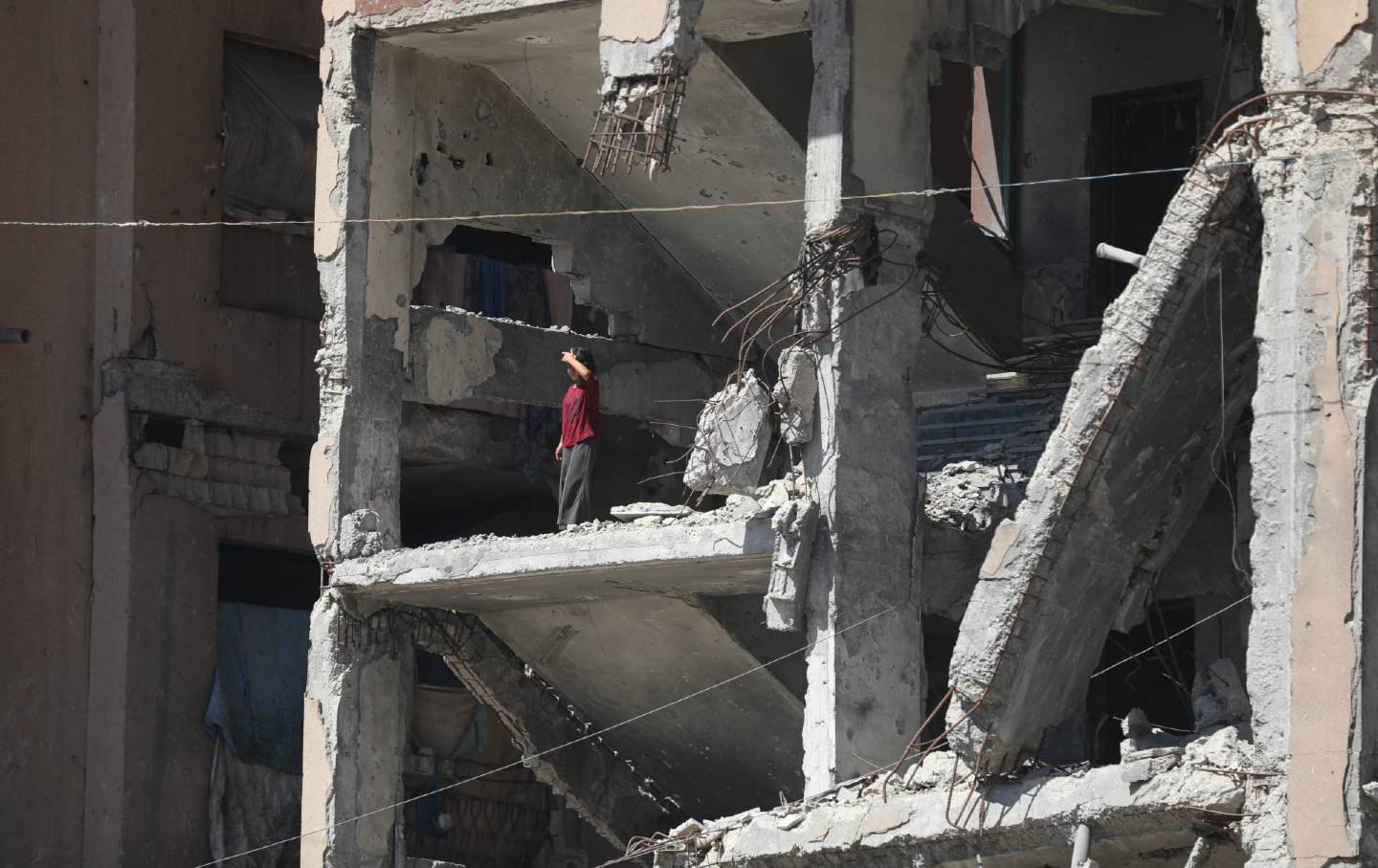
The UN has a strong and proud history of opposing the US trade embargo against Cuba; the General Assembly has voted 31 consecutive times, overwhelmingly, to condemn US trade restrictions and demand that they be lifted. But with much of the world facing the capricious threat of US aggression, the UN is only now finding its voice of opposition to the widespread suffering of the Cuban people that Trump’s policy of deprivation and submission has wrought. “Such severe sanctions packages that target entire sectors of an economy and produce broad, indiscriminate, and harsh effects on populations are incompatible with basic principles of international human rights law,” UN human rights chief Volker Türk asserted last month. “Children are dying because doctors lack access to essential medical supplies and medicines. This is unacceptable.”
At his press conference this week, Foreign Minister Rodriguez described the situation accurately: “Cuba is not and cannot be a national security threat to the United States which is a military and nuclear power,” he noted. “Cuba is not a threat. But the blockade is. It is a crime against humanity that is happening now.”
Become a Sustaining Donor This September
Between the reemergence of right-wing red-baiting and Donald Trump’s use of the chilling National Security Presidential Memorandum–7 to criminalize left political organizing, we’re seeing McCarthyism reborn before our eyes.
This assault on democracy cannot be ignored or wished away. Resisting it requires bravery in the face of threats and repression, a steadfast commitment to the truth, and the unwavering belief that we can—and will—overcome this darkness.
We must have an independent media that sets the record straight, unearths corruption and abuses of power, and advances a politics of justice and dignity for all if we’re to win this fight.
That’s why I’m writing to you today. This September, The Nation needs to add 100 monthly donors to sustain our progressive journalism. Your contribution makes the next investigative report, the next truth-speaking column, and the next pathbreaking essay all possible.
I hope you’ll support our work with a recurring donation today. If you donate $10 or more a month, we’ll send you a brand new “Hands Off the Free Press!” sticker to recognise your commitment to our cause. Please, donate today.
Onward,
Katrina vanden Heuvel
Editor and Publisher, The Nation