
No Kings! No Wars!
The founders of the United States feared monarchically inclined presidents who could wage wars of whim.
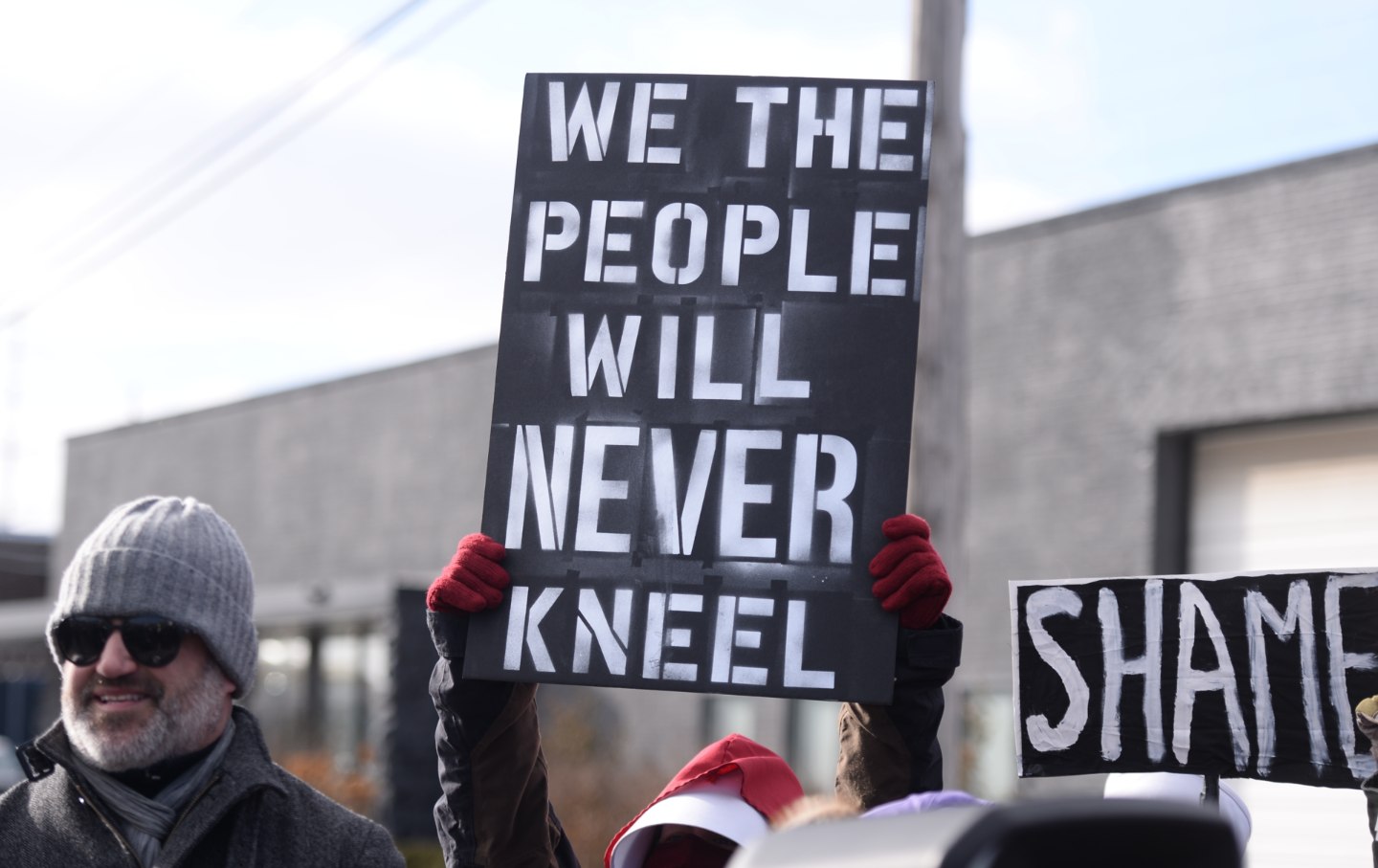
A mass protest outside an ICE processing facility in Broadview, Illinois, on January 17, 2026.
(Jacek Boczarski / Anadolu via Getty Images)The abuses of Donald Trump’s second term inspired the rise of the No Kings movement, which this Saturday will return to the streets of these United States, from Key West at the end of the Florida Keys to Kotzebue Sound above the Arctic Circle in Alaska. In more than 3,000 cities, villages, and towns, millions of people will be protesting a president who organizers decry for “sending masked agents into our streets, terrorizing our communities” and “spending billions of our tax dollars on missile strikes abroad all while driving up the cost of living and handing out massive giveaways to billionaire allies.”
The No Kings movement has, from its beginnings, recognized the ways in which Trump’s authoritarian overreach mirrors what the authors of the Declaration of Independence identified as King George III’s “long train of abuses and usurpations, pursuing invariably the same Object evinces a design to reduce them under absolute Despotism.”
But after Trump launched a regionally destabilizing war in the Middle East, with neither the approval of Congress nor the support of the American people, those echoes grew louder. They grew louder still after the administration asked for another $200 billion to fund it.
US Representative Mark Pocan, the Wisconsin Democrat who cofounded the House’s Defense Spending Reduction Caucus, has correctly identified Trump’s attack on Iran as a “war of choice” rather than necessity. And No Kings organizers are reminding Americans that, in addition to their objections to the domestic chaos unleashed by this administration, they are now called to protest against an “illegal, catastrophic war putting us in danger and driving up our costs.”
This is precisely the circumstance the founders of the American experiment feared, based on their bitter experience with King George III and the British Empire.
In 1776, as the king’s more rebellious subjects were pursuing independence from the United Kingdom a delegate from Virginia to the Second Continental Congress, Thomas Jefferson, led a committee charged with detailing grievances against the king and his imperial enterprise. The committee—which also included John Adams of Massachusetts, Benjamin Franklin of Pennsylvania, Robert R. Livingston of New York, and Roger Sherman from Connecticut—produced a document that began to shape a new nation.
“The history of the present King of Great Britain is a history of repeated injuries and usurpations, all having in direct object the establishment of an absolute Tyranny over these States. To prove this, let Facts be submitted to a candid world,” read the document, which was approved by the Congress, dated July 4, 1776, and titled the Declaration of Independence.
Among its 27 grievances, the Declaration complained that the king and his cabal were “taking away our Charters, abolishing our most valuable Laws, and altering fundamentally the Forms of our Governments” and “suspending our own Legislatures, and declaring themselves invested with power to legislate for us in all cases whatsoever.”
The signers of the Declaration said the king was literally “waging War against us. He has plundered our seas, ravaged our Coasts, burnt our towns, and destroyed the lives of our people.”
The most profound grievance, however, had to do with the reality that “He has affected to render the Military independent of and superior to the Civil power.”
The authors of the Declaration, and of the US Constitution, were not merely concerned about the war that King George III and the United Kingdom were waging against the Americans. They were, more broadly, concerned about the prospect that an imperial president could lead the country they were creating into wars of whim.
The founders recognized that any system that concentrated power in a king, or an executive with monarchical instincts, could leave ordinary citizens at the mercy of a megalomaniac whose choices might casually launch wars that threatened lives, property, and freedom. It was Thomas Paine who wrote in Common Sense, the seminal call for American independence from England, “Thirty kings and two minors have reigned in that distracted kingdom since the conquest, in which time there has been (including the Revolution) no less than eight civil wars and nineteen rebellions. Wherefore instead of making for peace, it makes against it, and destroys the very foundation it seems to stand upon.”
Paine warned that “so uncertain is the fate of war and the temper of a nation, when nothing but personal matters are the ground of a quarrel” and observed: “In short, monarchy and succession have laid (not this or that kingdom only) but the world in blood and ashes.”
When America finally broke the bonds of colonial oppression, a Constitution was written with the express goal of chaining the dogs of war. To that end, the power to wage war was lodged not with one man—be he identified as a king or a president—but with the people, through their elected congressional representatives.
Popular
“swipe left below to view more authors”Swipe →“In no part of the constitution is more wisdom to be found than in the clause which confides the question of war or peace to the legislature, and not to the executive department. Beside the objection to such a mixture of heterogeneous powers: the trust and the temptation would be too great for any one man,” explained James Madison, who oversaw the drafting of the document. Madison observed,
War is in fact the true nurse of executive aggrandizement. In war, a physical force is to be created; and it is the executive will, which is to direct it. In war, the public treasures are to be unlocked; and it is the executive hand which is to dispense them. In war, the honours and emoluments of office are to be multiplied; and it is the executive patronage under which they are to be enjoyed. It is in war, finally, that laurels are to be gathered, and it is the executive brow they are to encircle. The strongest passions, and most dangerous weaknesses of the human breast; ambition, avarice, vanity, the honorable or venial love of fame, are all in conspiracy against the desire and duty of peace.
Now, when domestic programs have been attacked and starved, and when the executive proposes to unlock the public treasures to further fund military adventures and a career of empire, it is no wonder that the patriots of our time cry out: “No Kings!”
Become a Sustaining Donor This September
Between the reemergence of right-wing red-baiting and Donald Trump’s use of the chilling National Security Presidential Memorandum–7 to criminalize left political organizing, we’re seeing McCarthyism reborn before our eyes.
This assault on democracy cannot be ignored or wished away. Resisting it requires bravery in the face of threats and repression, a steadfast commitment to the truth, and the unwavering belief that we can—and will—overcome this darkness.
We must have an independent media that sets the record straight, unearths corruption and abuses of power, and advances a politics of justice and dignity for all if we’re to win this fight.
That’s why I’m writing to you today. This September, The Nation needs to add 100 monthly donors to sustain our progressive journalism. Your contribution makes the next investigative report, the next truth-speaking column, and the next pathbreaking essay all possible.
I hope you’ll support our work with a recurring donation today. If you donate $10 or more a month, we’ll send you a brand new “Hands Off the Free Press!” sticker to recognise your commitment to our cause. Please, donate today.
Onward,
Katrina vanden Heuvel
Editor and Publisher, The Nation
More from The Nation
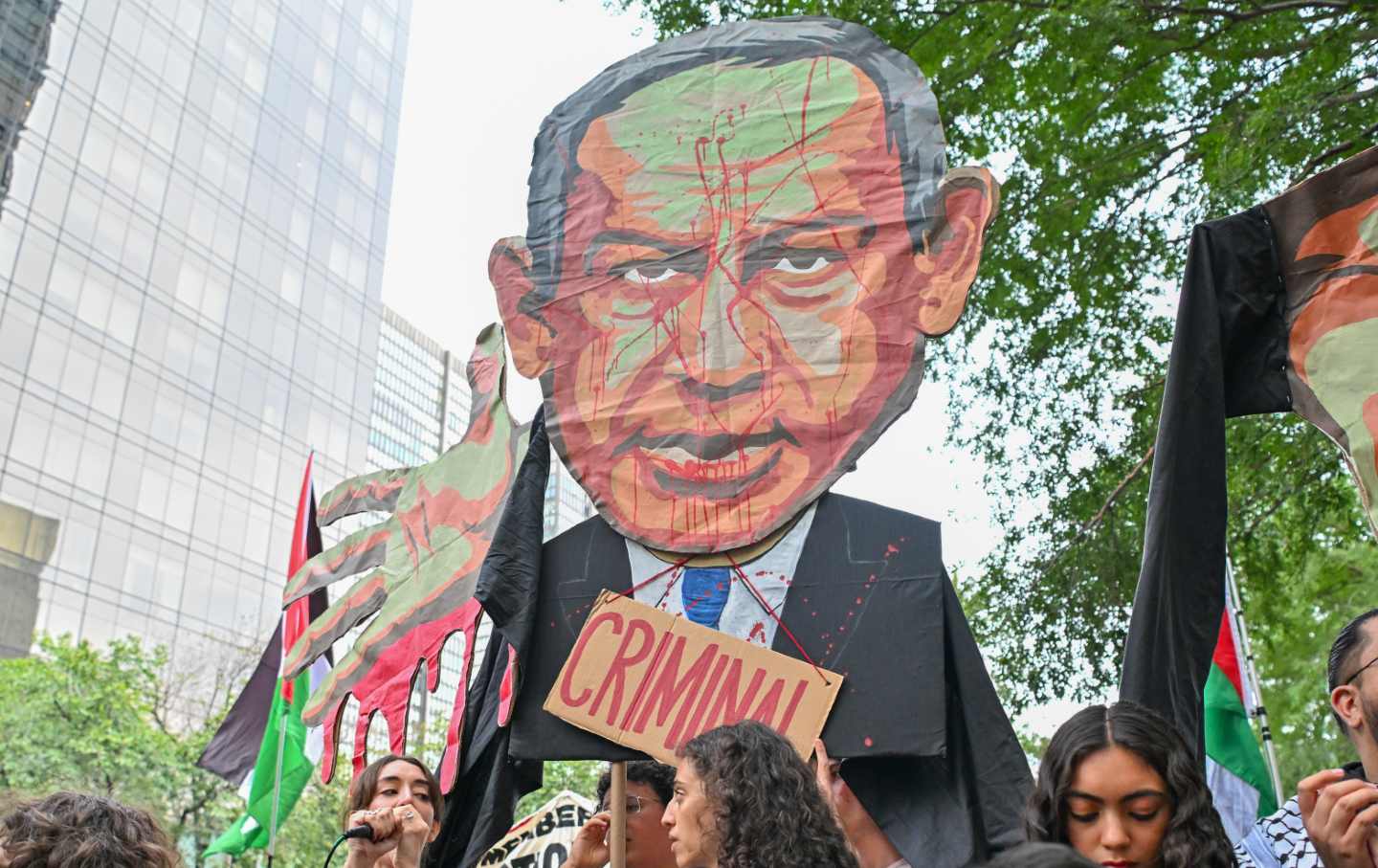
Netanyahu Came to New York. New Yorkers Were Ready for Him. Netanyahu Came to New York. New Yorkers Were Ready for Him.
Scenes from the defiant protest against the genocidal leader’s UN speech.

A Message From Prairieland Prisoner Autumn Hill: “Don’t Be Afraid” A Message From Prairieland Prisoner Autumn Hill: “Don’t Be Afraid”
I talked to the political prisoner about the politics of love, her case, surviving as a trans woman in a men’s prison, and how she makes it through the day.

The Impossible Will Take a Little While: The Power of Persistence The Impossible Will Take a Little While: The Power of Persistence
In troubled times, history offers a lesson: Seemingly impossible change can begin with ordinary people who refuse to give up.
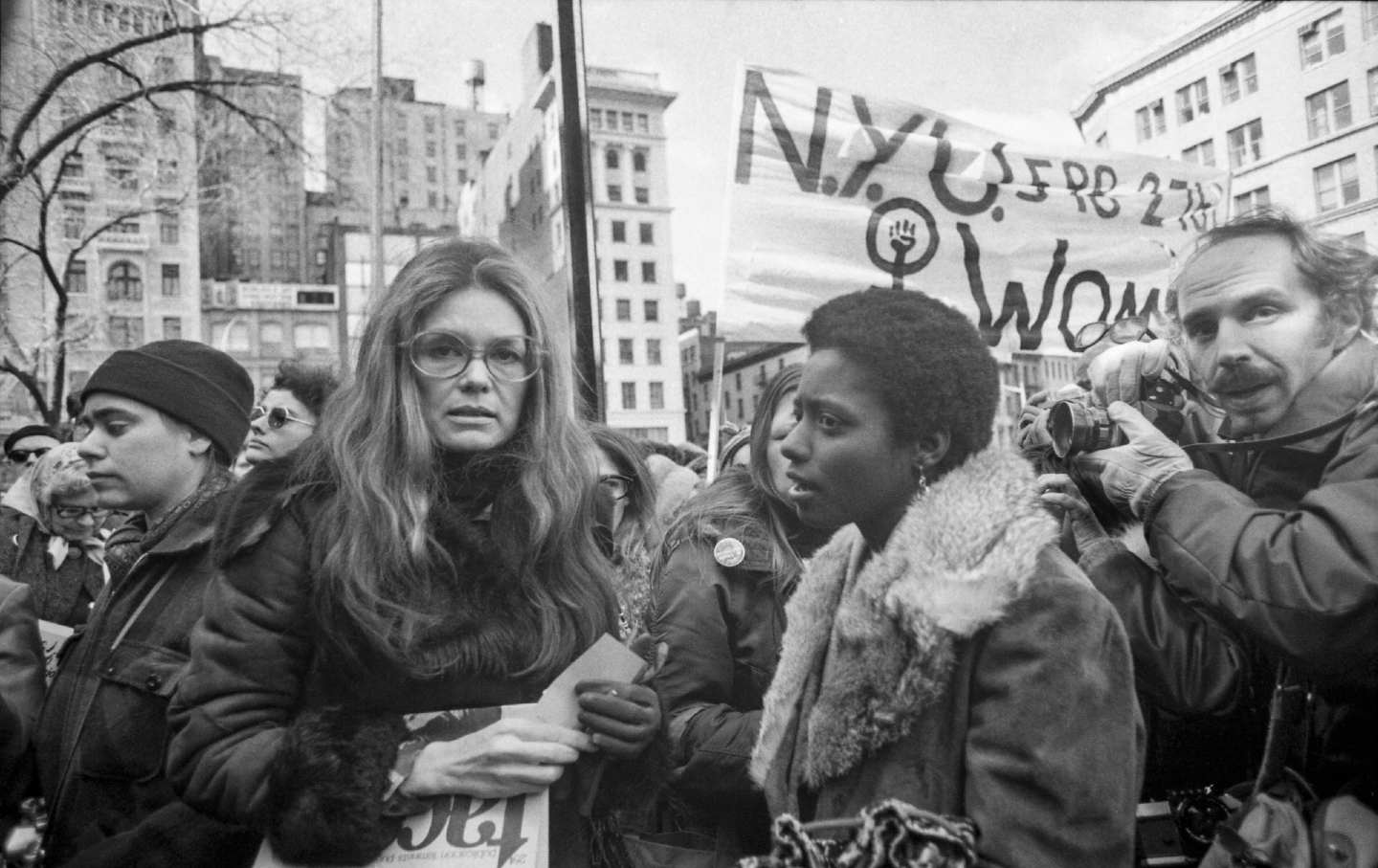
Gloria Steinem’s Many-Splendored Feminist Life Gloria Steinem’s Many-Splendored Feminist Life
The feminist icon lived the struggle for gender equality and always found time to lend support and solidarity to other women leaders, even in her final days.
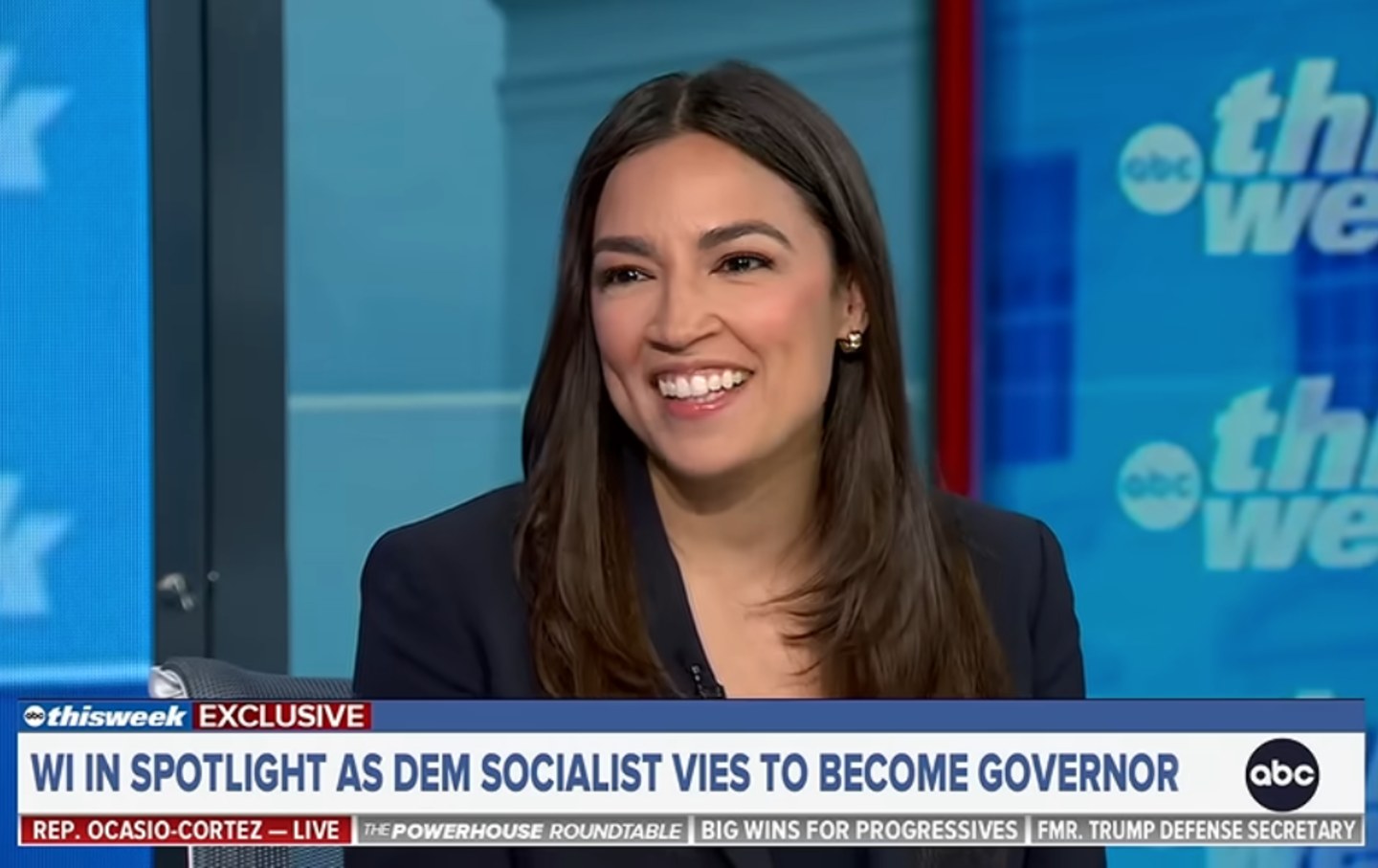
No, Woke 1 Was Not Crazy No, Woke 1 Was Not Crazy
AOC and others are laughing off 2020 as a wild, isolated moment. None of that is true.
How Occupy Wall Street Still Explains Politics Today How Occupy Wall Street Still Explains Politics Today
It sowed the seeds for a new era of social movements—but its politics of powerlessness should act as a cautionary tale.

