
A Motto for All Health Workers: Resist, Resist, Resist
Doing our work and keeping our heads down isn’t a victory. We need to fight this regime every day, in every way.

Nurse practitioner Sarah Malin-Roodman attends a protest outside of UCSF Benioff Children’s Hospital Oakland in Oakland, California, on Monday, January 26, 2026.
(Jane Tyska / Digital First Media / East Bay Times via Getty Images)Iwas in a work-related conversation with colleagues recently and someone just said it out loud: We are in terrible times, the kind you read about in history books.
People are being killed, disappeared from our streets, whisked away to foreign shores, or held in crowded, filthy, inhumane detention centers. If and when they are released, they are dropped off far from home, often without their belongings, with no proper clothing in the cold of winter. People fear for their safety, stay in their homes, take their children out of school, stop going to the doctor, stop riding the bus. This is a world of terror.
All of this is thanks to a regime devoted to a twisted version of Christianity, to rank racism, misogyny, homophobia, sheer greed, and a lavish taste for cruelty for its own sake. What are scientists, clinicians, and public health practitioners supposed to do in this moment? What use is research when our patients might be deported tomorrow? Why try to stem the tide of outbreaks when the world has fallen apart?
This is why: because even in these times, enlarging the scope of human knowledge matters. The search for cures still matters. The fate of individual patients still matters. The containment of infectious diseases still matters.
But it isn’t enough. Doing our work and keeping our heads down isn’t a victory, and it is not resistance. Our position in the “zone of interest” may keep some of us away from direct contact with the terror outside, but we can hear the screams and cries now of those affected, beamed to us through our phones, our televisions, and the radio as we drive to work. We cannot say we do not know what is happening across this country. And yes, silence is complicity.
I know it’s very easy for me to say these things, sitting as a professor at a wealthy university, in a very blue city in a very blue state. I am not asking people to take risks that would jeopardize their own safety and well-being—though many have in Minneapolis, in Los Angeles, in Portland, in Chicago. We know the stories of Renee Good and Alex Pretti.
But there has to be a new baseline. Those of us who work in health have a larger responsibility to our patients and our communities. Our disciplines are applied, not theoretical. They are about real people, whether the individuals in our clinics or the people in the cities, towns, and neighborhoods that we serve. The institutions we work for don’t make it easy. Many are “complying in advance.” Hospitals are opening the doors to ICE, shutting down gender-affirming care, while universities are capitulating or appeasing, shuttering programs that the administration doesn’t like, cowering in fear rather than standing up. It makes doing the right thing harder to do. Things aren’t completely bleak: many state health departments are collectively organizing to resist the attacks on vaccines and other areas of public health. And in the fall, as the administration made sweeping demands in a “Compact for Academic Excellence in Higher Education,” from “changes in hiring to admissions, altering campus culture and shrinking foreign student enrollment,” few colleges and universities signed up to commit institutional suicide at the instruction of the president. But it still isn’t enough.
Those of us in public health, science, and healthcare have to organize ourselves in two ways. First, find ways you can resist in your spare time. Groups like Stand Up for Science, Defend Public Health, and Health in Partnership offer an outlet for this work. Second, we need to organize inside our institutions, particularly the ones that have shown their willingness to cave to Trump. National Nurses United is a powerful force for change, but other healthcare professionals and researchers have to find a way to stand up to their bosses.
Doctors who understand that their high-status jobs don’t protect them from exploitation are unionizing, but not fast enough or at a sufficient scale. University faculty need to unionize or organize as well. The American Association of University Professors has a firm base within public institutions. But at private universities like mine, many professors don’t yet see the value in organizing, even as university governance is being consolidated in the trustees, with those in administration looking upward for orders, rather towards any shared model of decision making with faculty.
But what happens in the day-to-day for us? As the German writer Victor Klemperer said: “It’s not the big things that are important, but the everyday life in tyranny, which may be forgotten. A thousand mosquito bites are worse than a blow on the head. I observe, I note, the mosquito bites.” As Klemperer did, we can bear witness and record the history we are watching unfold in front of our eyes. When the gaslighting and revisionism come in this moment’s wake, when people suggest it wasn’t so bad, when they turn around and lie about their direct involvement or complicity during this era, we can take out our notes. Any of us who can should figure out a way to have our stories saved for posterity.
We also have the ability to throw sand in the gears. Tell that ICE officer to get out of the examining room. Speak up for scientists and researchers whose work is being targeted at your institutions. Stand up for departments under siege. Do not let your students face harassment or worse alone. Show up for hearings to stop MAHA zealots from undermining vaccine access in your town or your state. Dig in where you live and work. As the “mosquito bites” accumulate, swat away as many as you can.
These local, minor acts of resistance may seem like little solace, but they matter as much as the larger work we need to be part of. The Russians have called this “the politics of small deeds” since the 19th century. Do not let them take away your capacity to care, make you give up, turn away. There is too much at stake. As another Russian writer said: “The line separating good and evil passes not through states, nor between classes, nor between political parties—but right through every human heart.”
Become a Sustaining Donor This September
Between the reemergence of right-wing red-baiting and Donald Trump’s use of the chilling National Security Presidential Memorandum–7 to criminalize left political organizing, we’re seeing McCarthyism reborn before our eyes.
This assault on democracy cannot be ignored or wished away. Resisting it requires bravery in the face of threats and repression, a steadfast commitment to the truth, and the unwavering belief that we can—and will—overcome this darkness.
We must have an independent media that sets the record straight, unearths corruption and abuses of power, and advances a politics of justice and dignity for all if we’re to win this fight.
That’s why I’m writing to you today. This September, The Nation needs to add 100 monthly donors to sustain our progressive journalism. Your contribution makes the next investigative report, the next truth-speaking column, and the next pathbreaking essay all possible.
I hope you’ll support our work with a recurring donation today. If you donate $10 or more a month, we’ll send you a brand new “Hands Off the Free Press!” sticker to recognise your commitment to our cause. Please, donate today.
Onward,
Katrina vanden Heuvel
Editor and Publisher, The Nation
More from The Nation
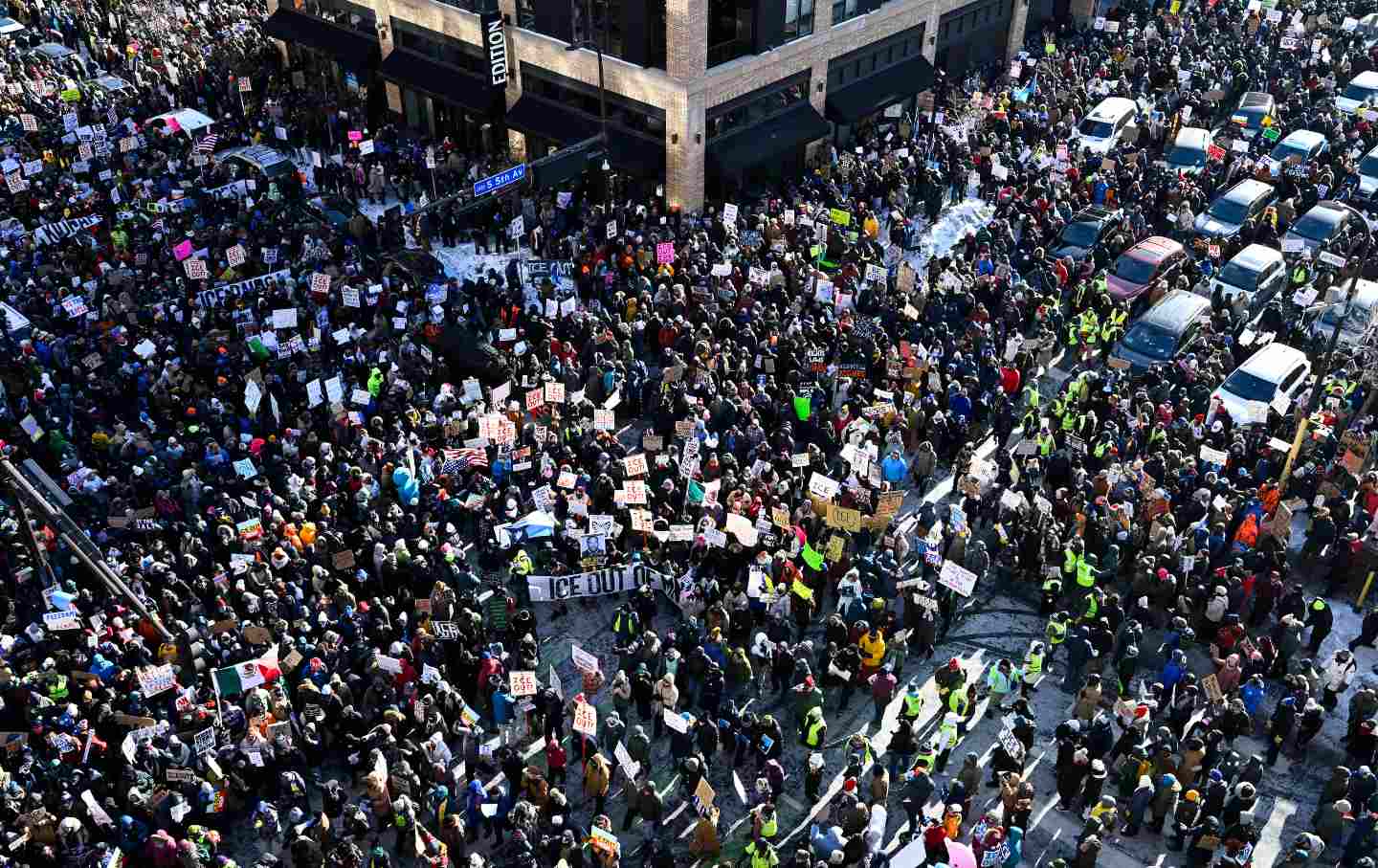
The Impossible Will Take a Little While: The Power of Persistence The Impossible Will Take a Little While: The Power of Persistence
In troubled times, history offers a lesson: Seemingly impossible change can begin with ordinary people who refuse to give up.
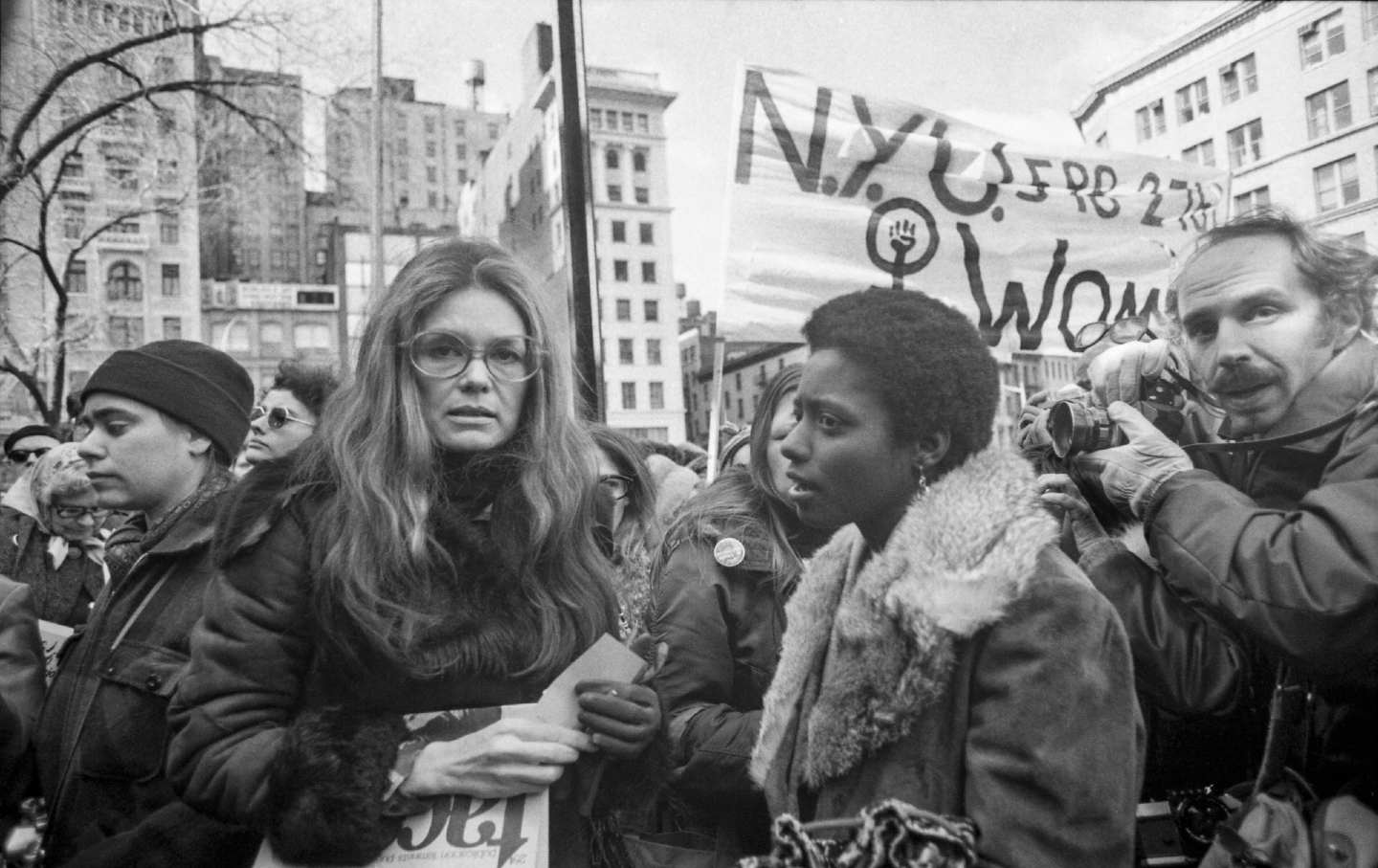
Gloria Steinem’s Many-Splendored Feminist Life Gloria Steinem’s Many-Splendored Feminist Life
The feminist icon lived the struggle for gender equality and always found time to lend support and solidarity to other women leaders, even in her final days.
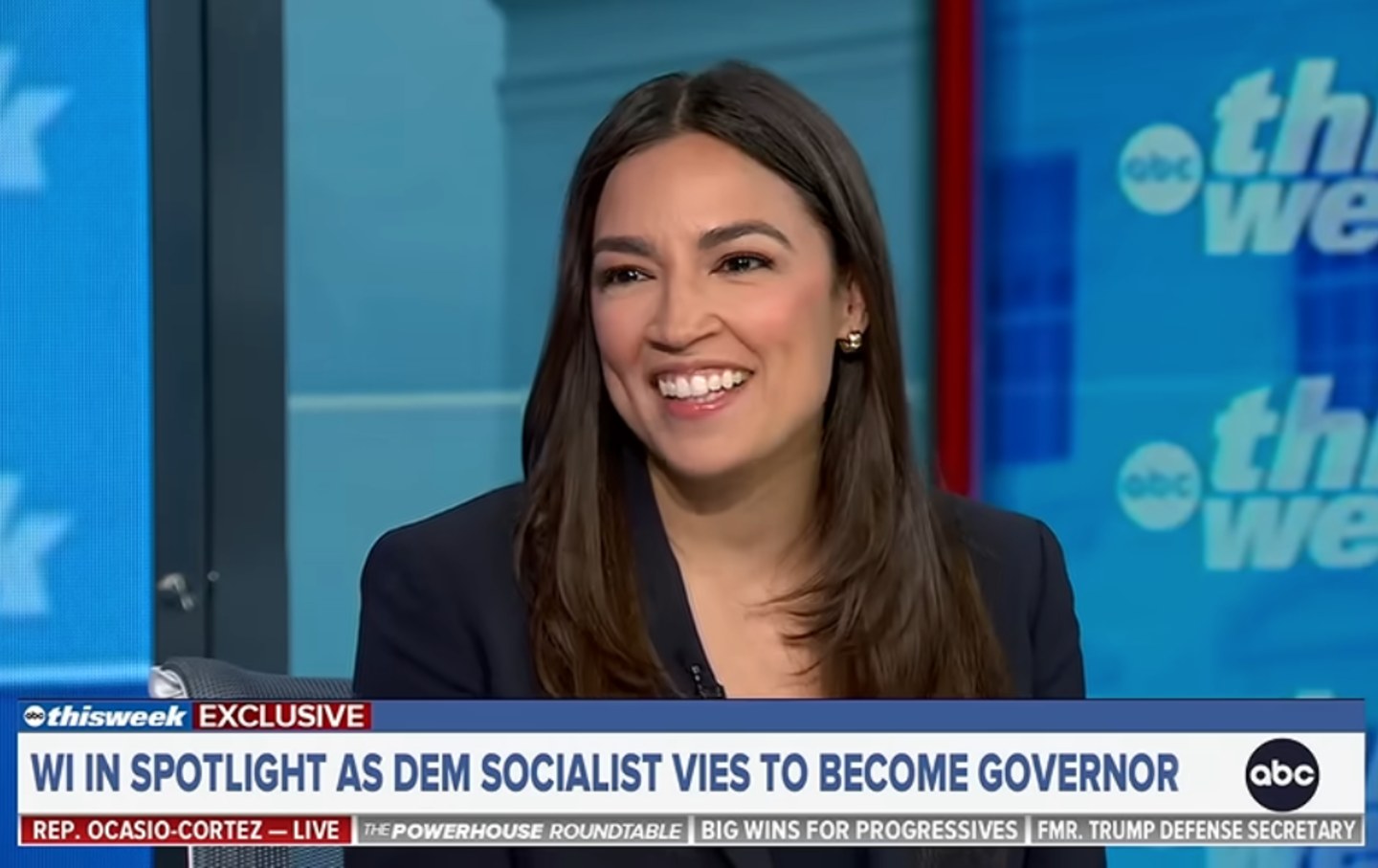
No, Woke 1 Was Not Crazy No, Woke 1 Was Not Crazy
AOC and others are laughing off 2020 as a wild, isolated moment. None of that is true.
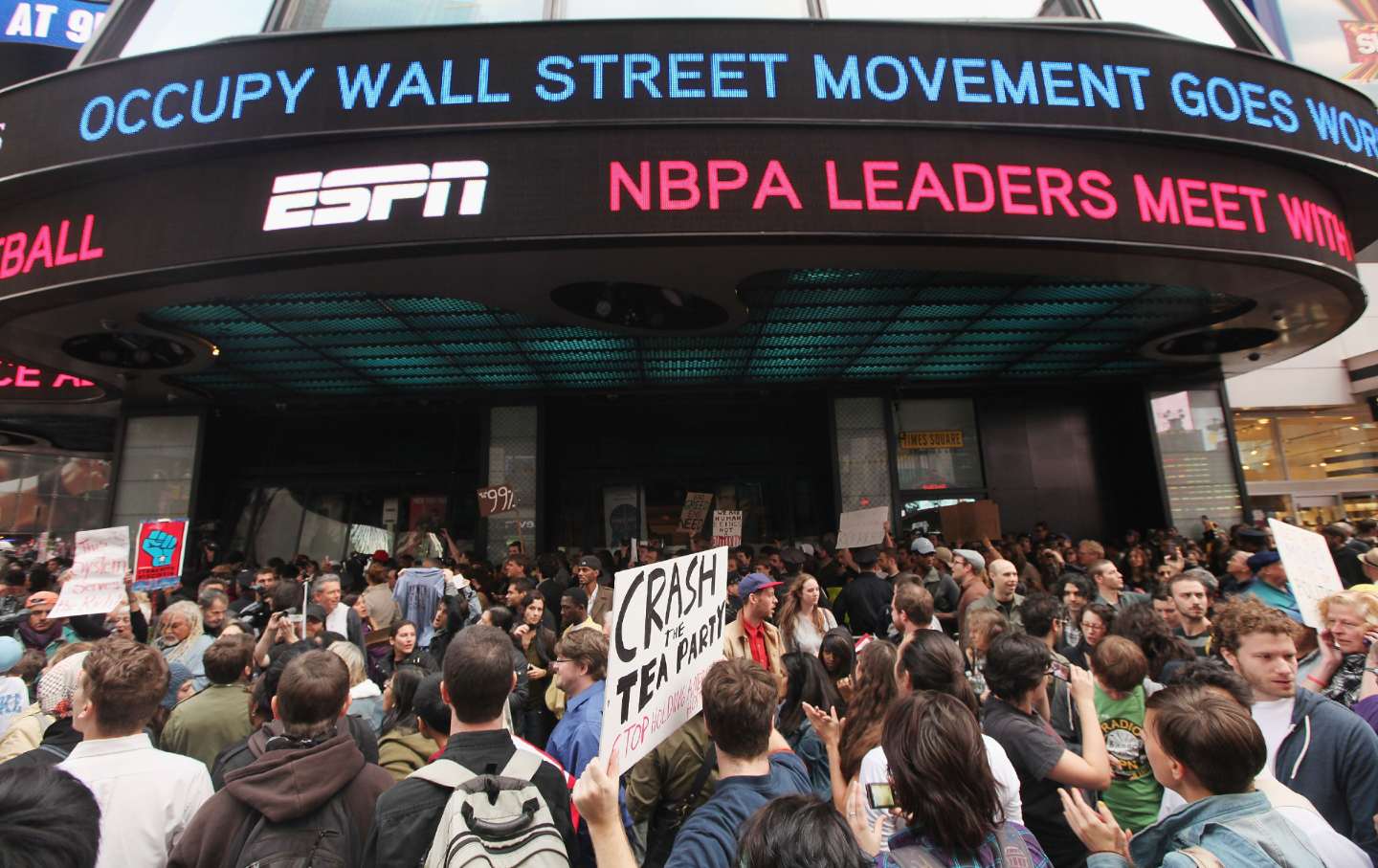
How Occupy Wall Street Still Explains Politics Today How Occupy Wall Street Still Explains Politics Today
It sowed the seeds for a new era of social movements—but its politics of powerlessness should act as a cautionary tale.

Abdul El-Sayed’s Win Is a Landmark. But the Fight Is Far From Over. Abdul El-Sayed’s Win Is a Landmark. But the Fight Is Far From Over.
Even though the Palestine movement is on the march, we can’t afford any complacency.
Mamdani’s Team Redefined Political Video. Now They’re Betting on Short Films. Mamdani’s Team Redefined Political Video. Now They’re Betting on Short Films.
Premiering exclusively in The Nation, a new short film produced by City Hall and narrated by Morgan Spector highlights the efforts of the biggest tenant-led union in New York City...

