
The EEOC Is on the Verge of Making It Harder for Workers to Fight Harassment
The agency is planning to delete a document that provides up-to-date guidance on the protections workers have in this complex and rapidly changing area of law.
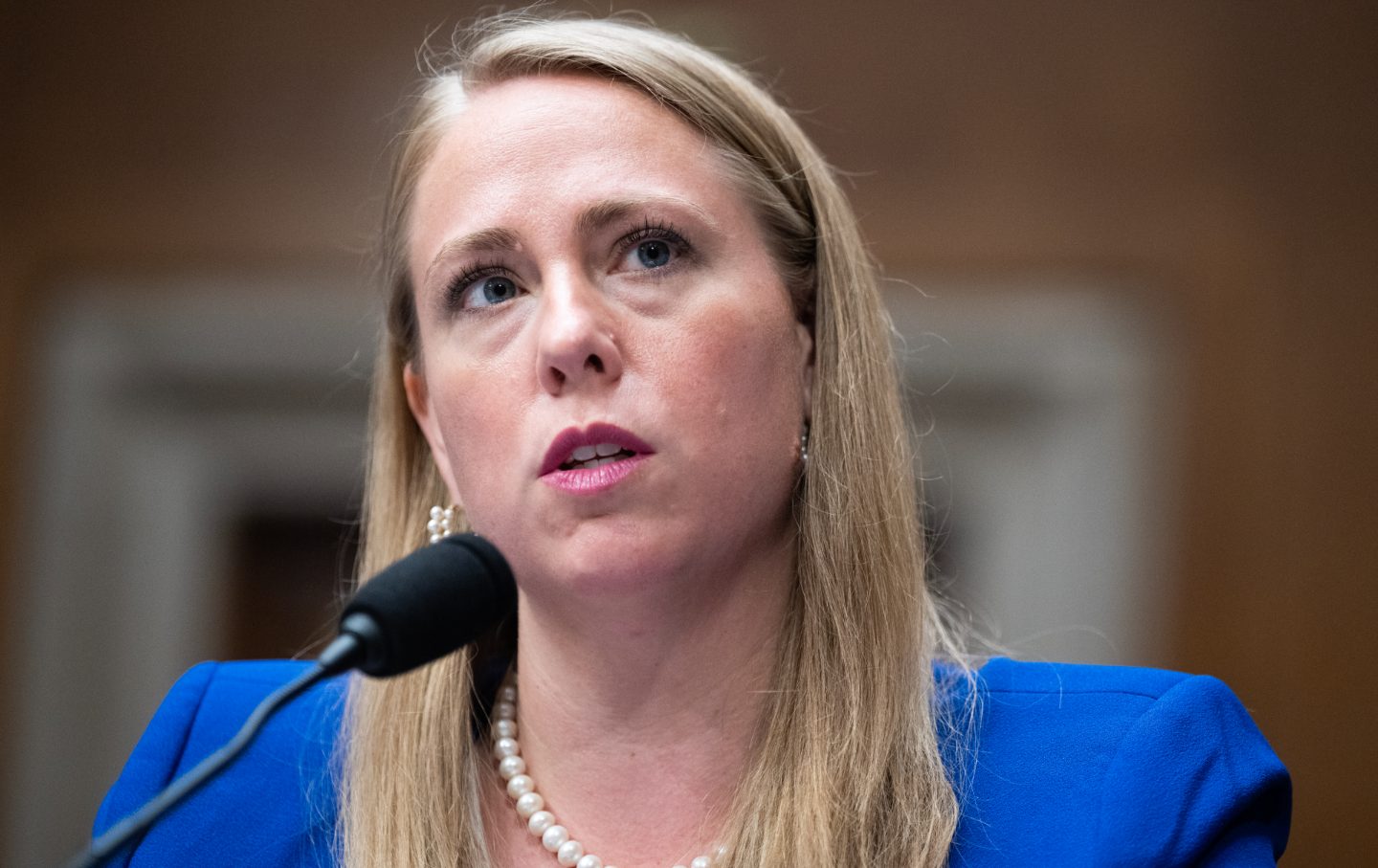
Andrea Lucas, now chair of the Equal Employment Opportunity Commission, testifies at her confirmation hearing in front of the Senate HELP Committee, in June 2025.
(Tom Williams / CQ-Roll Call, Inc via Getty Images)The Equal Employment Opportunity Commission, the only federal agency that protects private-sector workers’ rights to be free from discrimination, is on the verge of erasing a guidance document outlining all forms of illegal harassment, setting the agency back to the 1990s. Without the document to refer to, workers will struggle to vindicate their right to be free from harassment, and courts will be deprived of a worker-friendly and up-to-date set of standards for what constitutes harassment, agency experts say.
When the EEOC’s commissioners voted in April 2024 to approve the harassment document, officially called “Enforcement Guidance on Harassment in the Workplace,” the current chair, Andrea Lucas, then in the minority, voted against it. At the time, she said she opposed the document because, following a decade of EEOC precedent and then the 2020 Supreme Court decision in Bostock v. Clayton County finding that discrimination based on sexual orientation or gender identity is illegal under Title XII of the Civil Rights Act, it says harassment based on these characteristics is prohibited. “Biological sex is real, and it matters,” she wrote at the time. “Sex is binary (male and female) and is immutable.” Then, in January of last year, after President Trump took the unprecedented step of firing two Democratic commissioners before their terms were up contra statute, handing Lucas the chair position, she reiterated her opposition to the guidance, particularly in the wake of Trump’s executive order asserting “the biological reality of sex,” but noted that she couldn’t change or remove it without a quorum.
Related Articles
Now Lucas has both a quorum and a majority, giving her the ability to hold votes on actions like rescinding guidance documents, after Trump-picked Commissioner Brittany Panuccio was confirmed by the Senate on October 7 and sworn in October 27. Lucas has lost no time. On December 29, she sent a final rule to rescind the harassment guidance to the Office of Information and Regulatory Affairs. That move short-circuits what former commissioners say should, by policy, be a longer and more deliberate process. OIRA has now given her the go-ahead to rescind the document without a notice and comment period, and on Thursday the commission will hold a vote. If Lucas and Panuccio vote in favor, the harassment guidance will disappear.
The EEOC can’t summarily eliminate all the case law establishing workers’ protections against harassment. But without the document, it will become much harder for both workers to understand their rights and employers to know their obligations. Harassment is a complex area of law, with different standards based on different situations, that has mostly been shaped by court cases, not by laws. Before the current guidance was released, there was no comprehensive assessment of all the forms of workplace harassment and how to recognize and address them—the information was “scattered through a variety of guidance documents from the commission,” said Jocelyn Samuels, a former EEOC commissioner who was fired by Trump. EEOC commissioners and their staff, in putting the document together, sifted through decades of case law and not only put everything in one place and purposefully did so in an accessible way. It includes over 70 examples of harassment drawn from real-life situations.
The last time the agency had issued such a document was in 1999. In the time since then, the EEOC had taken the position that harassment based on a worker’s sexual orientation or gender identity is prohibited by Title XII, which bans discrimination based on race, color, religion, sex, and national origin, and that was then codified by the Supreme Court’s Bostock decision. Not to mention that the #MeToo movement had raised awareness around sexual harassment and led to changes in the law. “You have to keep that guidance updated because the case law is changing,” said Chai Feldblum, former EEOC chair who worked on the guidance under President Obama. The document also reflects “the more modern ways in which we see harassment arise,” an EEOC employee with knowledge said—from customers, in online spaces, and on the basis of pregnancy. “We’re in a different civil rights world 25 years later.”
That means that, while all of the enumerated rights remain in place on paper, both workers and employers may be in the dark without the EEOC guidance. Workers might not understand that their rights have been violated or feel confident starting a lengthy, grueling legal process to vindicate them. Employers may only react to harassment after the fact, once the damage has been done. It “will needlessly subject many more workers to unlawful harassment that can be serious and heartbreakingly damaging consequences,” Samuels said. While the group EEO Leaders, an organization of former EEOC officials, is hosting the document, employees and employers may not know to look there with it gone from the EEOC website. “It’s not the same as actually having the official guidance of the agency,” Feldlbum said.
The rescission also sends a message to workers. No longer will the EEOC have a document explicitly stating that harassment based on sexual orientation or gender identity is illegal, for example. “What rescinding this guidance does is make it almost explicit that they don’t believe that this is covered under the law,” Feldblum said. But it sends a signal to all workers, given that the entire document is set to disappear. “At its heart, it signals that the agency doesn’t care about protecting workers from egregious harassment,” the EEOC employee said.
Courts, meanwhile, usually give deference to EEOC guidance when presented with new fact patterns in a case. Now they can no longer rely on the document to decide when harassment has and hasn’t occurred, which offered “a more positive view of the law for employees,” Feldblum said. That might result in more employer-friendly rulings.
It also leaves EEOC investigators, who are tasked with determining whether complaints of discrimination can be substantiated, with far less information to sift through harassment claims. They have “to decide whether they believe there’s reasonable cause to think discrimination, harassment has occurred,” Feldblum noted. Now all they’ll have to guide them is a document written almost three decades ago.
“Rescinding this guidance is an incredible disservice to the public,” Samuels said. “It will deprive workers and employers of what is invaluable guidance. It can promote compliance and avoid many of the really serious and debilitating problems that harassment causes in the workplace.”
It also ditches the 10 years of work that went into creating it. Guidance documents “are a labor of love,” Samuels said. “They require an enormous investment of commission resources.” In the years when Feldblum was working on the document, she and commission employees put in “hundreds of hours” on it, she said. They reviewed “hundreds of cases” and then had to “analyze them [and] present them in an accessible manner.”
That process only continued when the commission took the document back up under President Biden. “It was the product of extensive analysis and discussion and consideration and debate inside the commission,” said Samuels, who worked on it at the time. The agency also received over 38,000 comments from the public on its proposed document, all of which it considered and responded to.
Lucas didn’t have to erase the entire document; if there were portions of it that she disagreed with, such as gender identity protections, she could have revised the document to just get rid of those pieces. But by the agency’s own stated policies, that would require going through the notice and comment process, allowing the public and other agencies to weigh in, which would take more work and more time.
Now Lucas is arguing that, because she’s deleting the whole document, she doesn’t have to go through notice and comment. That is a “pathetic legal argument,” Feldblum said. She should “absolutely” have to go through the same process in this case, she said. Without notice and comment, the public doesn’t get the opportunity to weigh in, and the commission won’t have to take into account the views of stakeholders.
Popular
“swipe left below to view more authors”Swipe →“To have it go away just like that without the proper process really disrespects the severity of this problem,” the EEOC employee said.
And by deleting the entire document, Lucas gets rid of portions she might agree with, such as protecting women from sexual harassment or protecting workers with disabilities. Lucas has purported to protect women’s rights and spoken out in defense of disability rights. And Panuccio described her personal experience with rape as a college student in her nomination hearing. “If confirmed, I will continue to passionately defend women’s rights as a Commissioner on the EEOC,” she said. “My personal experience underscores the important of preventing discrimination.”
More from The Nation

What Are Democrats Prepared to Do if Trump Rigs the Election? What Are Democrats Prepared to Do if Trump Rigs the Election?
In this week’s Elie v. U.S, our justice correspondent challenges Democrats' lack of a plan if Trump steals the midterms. Plus: the most racist, and honest, AI add ever.
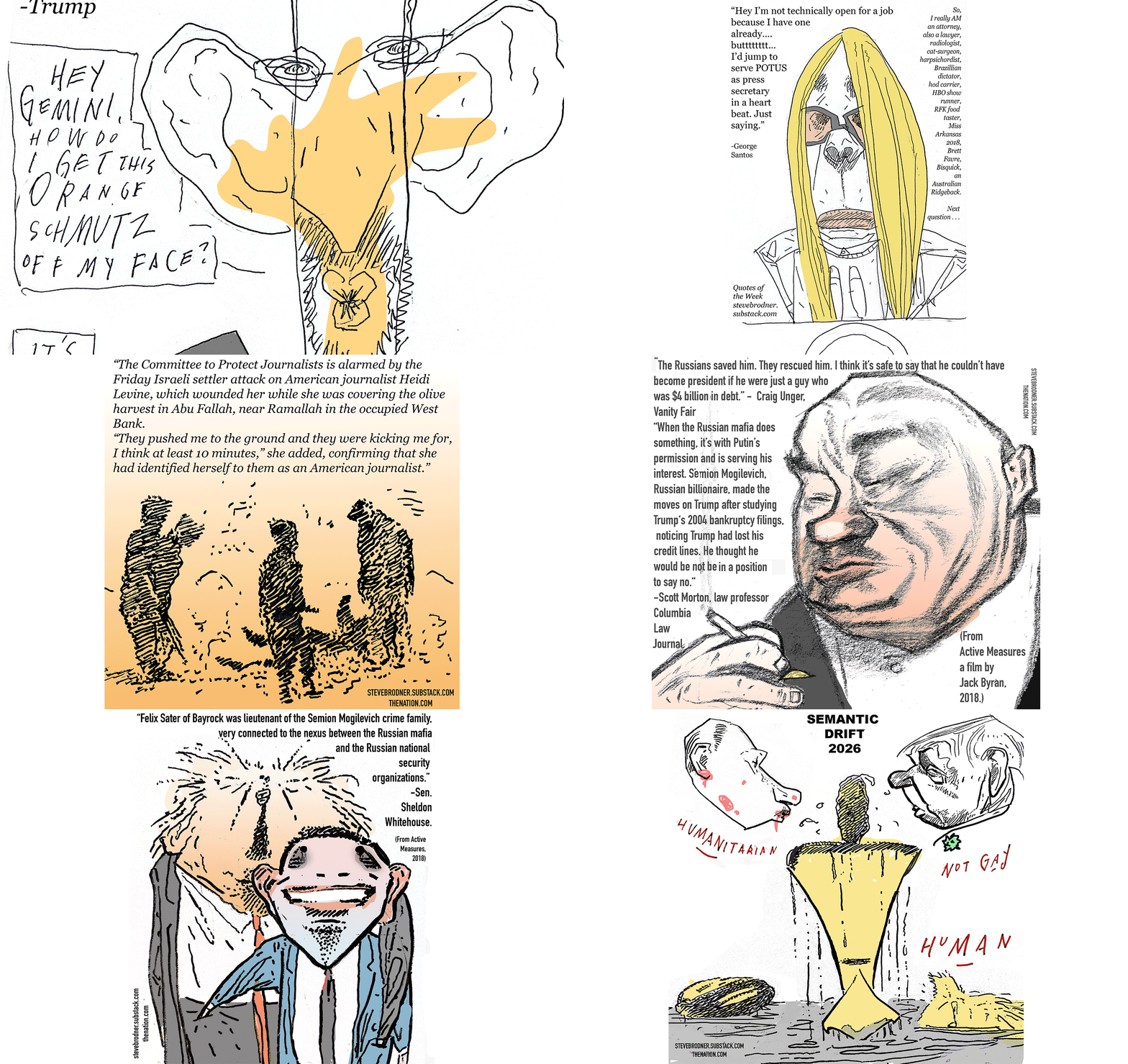
Ramaswamy’s Guide to a Better Vocabulary Ramaswamy’s Guide to a Better Vocabulary
Quotes of the Week.
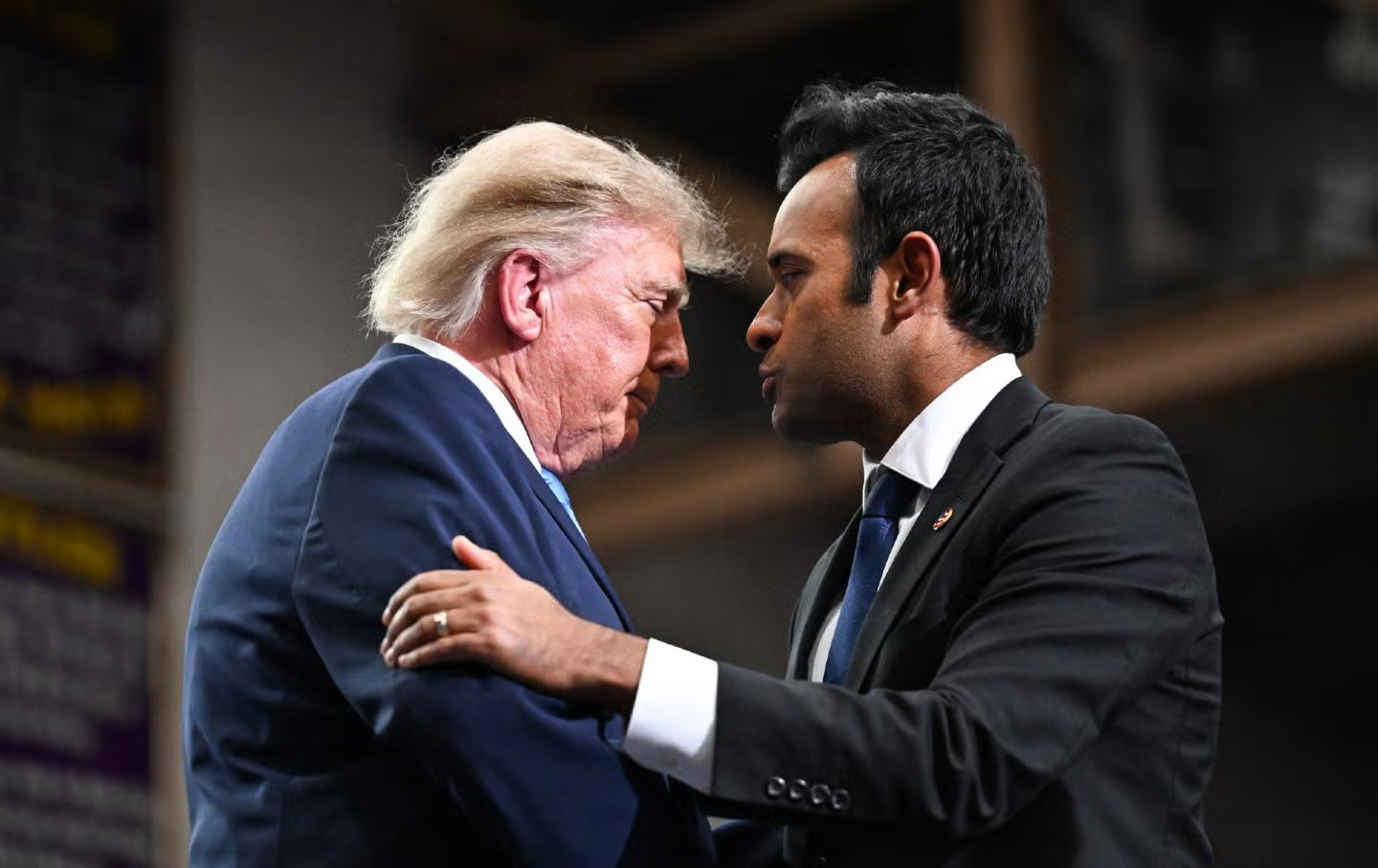
Why Trump Is Embracing Vivek Ramaswamy’s Vile Ad Why Trump Is Embracing Vivek Ramaswamy’s Vile Ad
The president is leaning into the politics of toxic parenting.

The Shadow Knows The Shadow Knows
High-tech weapons, low-tech intelligence.
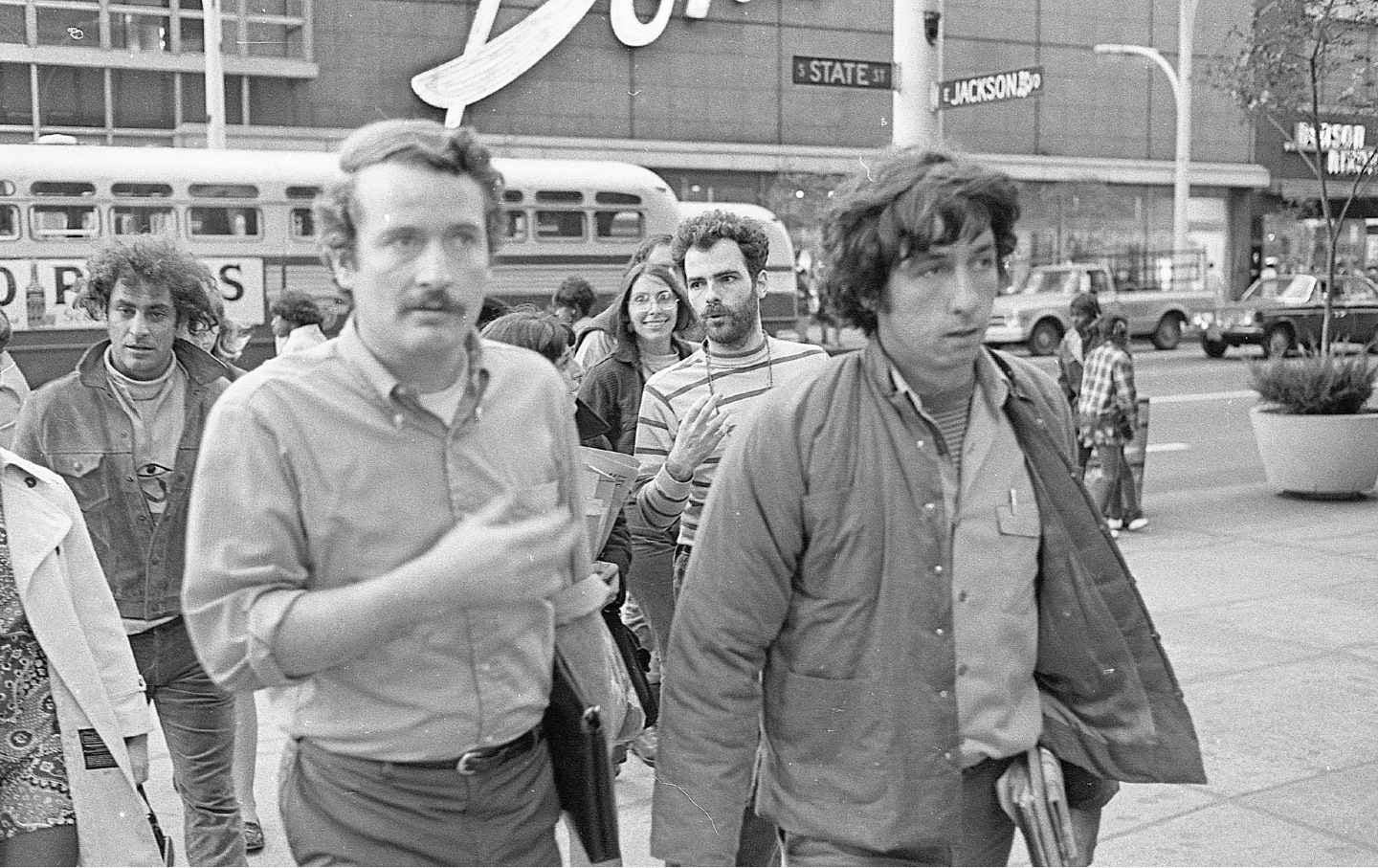
Tom Hayden’s Legacy and the New American Left Tom Hayden’s Legacy and the New American Left
It’s been 10 years since he passed away.
The Decades-Long Battle Within the Democratic Party Establishment Between the Heirs of Dean Acheson and Franklin Roosevelt The Decades-Long Battle Within the Democratic Party Establishment Between the Heirs of Dean Acheson and Franklin Roosevelt
The calamitous history of America’s wars of choice.

